Economics Unit Two
 Call Kai
 Learn
Learn Practice Test
 Spaced Repetition
 Match
Match Flashcards
1/41

There's no tags or description
Looks like no tags are added yet.
Name | Mastery | Learn | Test | Matching | Spaced | Call with Kai | Chat |
|---|

42 Terms
Functions of money
The functions of money include serving as a medium of exchange, a unit of account, a store of value, and a standard of deferred payment. These roles facilitate trade and economic stability.
medium of exchange
Enables buying and selling goods and services without bartering
unit of account
A standard numerical unit of measurement that provides a consistent measure for valuing goods and services.
store of value
A function of money that allows individuals to save and store purchasing power for future use.
perfect competition
A market structure characterized by a large number of buyers and sellers, where all firms are price takers and products are commodities.
monopolistic competition
A market structure where many firms sell products that are similar but not identical, allowing for some degree of price setting by individual firms.
oligopoly
A market structure in which a few large firms dominate the market, often leading to limited competition and interdependent pricing strategies.
monopoly
A market structure where a single firm dominates the entire market and is the sole seller of a product with no close substitutes, allowing for significant price control.
commodity
A basic good used in commerce that is interchangeable with other goods of the same type, often sold in bulk and characterized by a uniform quality.
public good
A product that is non-excludable and non-rivalrous, meaning that one person's consumption does not reduce its availability to others, and people cannot be effectively excluded from using it.
externality
A consequence of an economic activity that affects other parties who did not choose to be involved, which can be positive (beneficial) or negative (harmful).
sole proprietorship
A business owned and operated by a single individual, who is personally responsible for all liabilities and profits.
partnership
A business structure in which two or more individuals share ownership and management responsibilities, as well as profits and liabilities.
corporation
A legal entity that is separate from its owners, providing limited liability protection, allowing it to own assets, incur liabilities, and sell shares.
franchise
A business model in which an individual or group (the franchisee) is authorized to operate a business under the brand and business practices of an established company (the franchisor), usually in exchange for a fee or percentage of profits.
price taker
A firm or individual that must accept the market price for a product, unable to influence the price due to their relatively small market share.
price searcher
A business that has some control over the price of its product due to product differentiation or market power. Unlike price takers, price searchers can influence market prices through their production and pricing strategies.
price discrimination
The practice of charging different prices to different consumers for the same product or service, based on factors such as willingness to pay or purchase volume. This strategy is used to maximize revenue and is common in various industries.
no-price competition
The strategy of competing on factors other than price, such as product quality, customer service, or brand reputation. This approach aims to attract customers without directly altering the price of the product.
natural monoply (public franchise)
A market structure where a single supplier can provide a good or service to an entire market at a lower cost than multiple competing firms. This often occurs in industries with high fixed costs and low marginal costs, leading to economies of scale.
Patent
A legal right granted to an inventor, giving them exclusive rights to produce, use, and sell their invention for a specified period of time. Patents encourage innovation by protecting the inventor's interests.
horizontal merger
A business consolidation that occurs when two or more firms in the same industry and at the same stage of production combine. Horizontal mergers can increase market share and reduce competition.
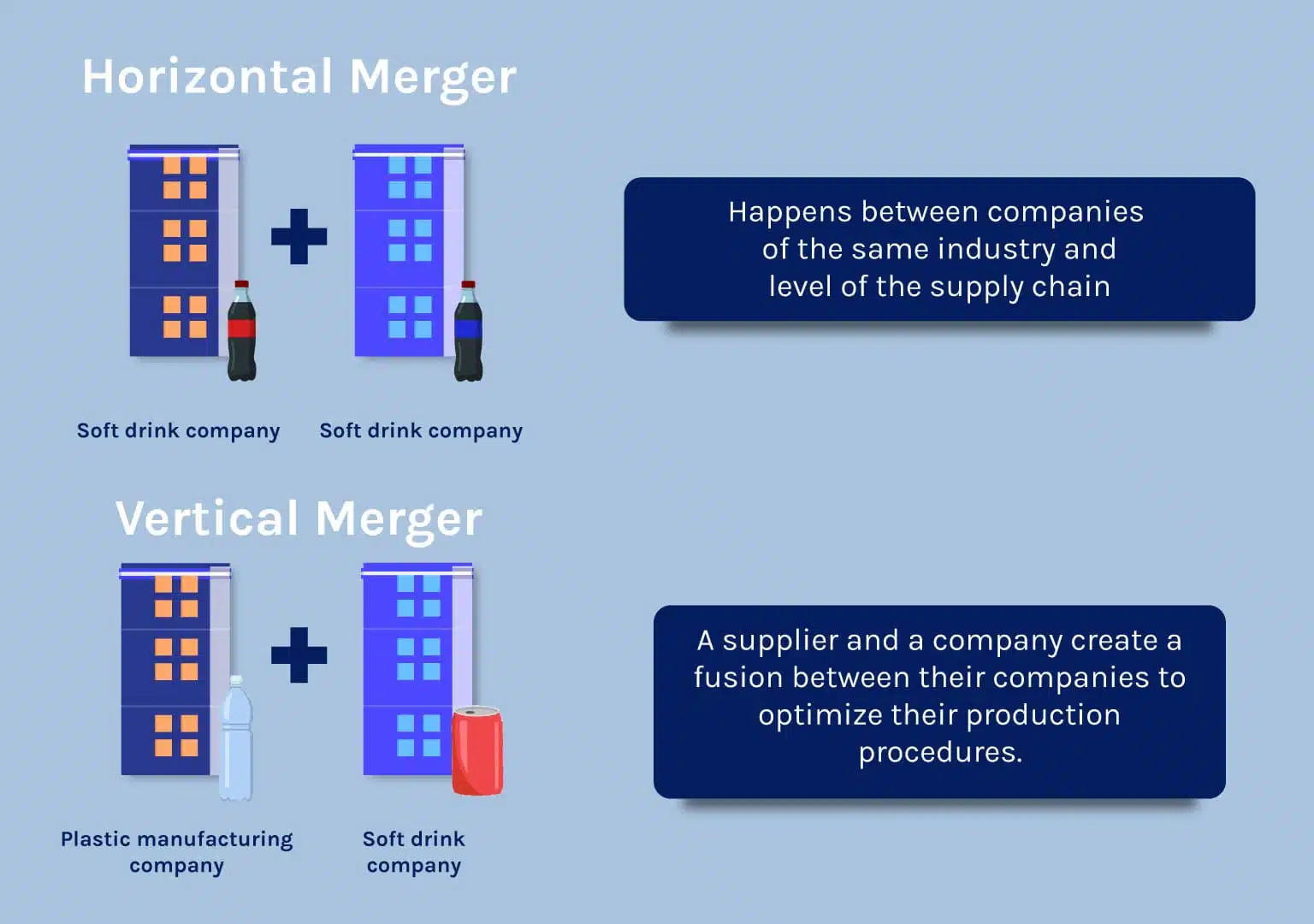
vertical merger
A business consolidation that occurs when firms at different stages of production in the same industry combine. Vertical mergers can enhance efficiency and control over supply chains.

conglomerate
A merger between firms that operate in completely different industries. Conglomerate mergers allow for diversification of products and reduction of risk.

collusion
An agreement between competing firms to coordinate their actions, such as setting prices or limiting production, often to gain an unfair advantage in the market. Collusion can lead to higher prices and restricted competition.
cartel
A group of independent companies that collaborate to establish pricing and output levels for their products, effectively reducing competition.
economies of scale
The cost advantages that firms obtain due to the scale of their operation, with cost per unit of output generally decreasing with increasing scale as fixed costs are spread out over more units.
start up costs
The expenses incurred when starting a new business, including costs for equipment, permits, and initial inventory.
general partnership
A business structure where two or more individuals manage and operate a business together, sharing profits, losses, and legal liabilities.
limited partnerships
A business structure consisting of at least one general partner and one limited partner, where general partners manage the business and are personally liable, while limited partners have limited liability and only contribute financially.
subsidiary
A company controlled by another, usually referred to as the parent company, which owns a majority of its shares.
cooperative
A business owned and operated by a group of individuals for their mutual benefit, often involving shared decision-making and profits.
requirements of market economy
A set of conditions ensuring efficient resource allocation and economic stability, including property rights, competition, and voluntary exchange.
free rider
A person or entity that benefits from a resource, good, or service without paying for it, leading to potential underfunding or depletion of the resource.
government regulation
The establishment of rules or laws by government entities to control or manage economic activities and ensure fair practices.
market failure
A situation where the allocation of goods and services is not efficient, often due to the existence of externalities, public goods, or market power that leads to suboptimal outcomes.
John Stuart Mill’s criticism of market economy
Government’s failure to ensure fair rules and prevent exploitation of disadvantaged groups, arguing for a more equitable distribution of resources.
Prices
Signal the market system depends
John Stuart Mill’s criticism of communism
that centralized control stifles individual freedom and innovation, emphasizing the importance of personal autonomy in economic systems.
artifical market power
created when firms manipulate prices or supply to gain control over a market, undermining competition and efficiency.
natural market power
arises from the inherent characteristics of a market that enable firms to control prices or supply, typically due to factors like resource ownership or economies of scale.
circular flow diagram
A visual representation of the economy that illustrates the flow of goods, services, and money between different sectors, such as households and firms.
