Intro to Microeconomics Final
 Call Kai
 Learn
Learn Practice Test
 Spaced Repetition
 Match
Match Flashcards
1/59

There's no tags or description
Looks like no tags are added yet.
Name | Mastery | Learn | Test | Matching | Spaced | Call with Kai | Chat |
|---|
No analytics yet
Send a link to your students to track their progress
60 Terms
monopoly
one firm produces all the output in a market, charging a price that is subject to the demand curve with no competition, often called “price makers”
barriers to entry
legal, technical, or market obstacles that discourage or prevent potential competitors from entering a market
natural
physical
legal
intimidation
4 types of monopoly
natural monopoly
when a single company can produce a good at a lower cost than its competitors, resulting in lower competition, like airplane parts from Boeing
physical monopoly
when a single company has control over a natural resource, such as water
legal monopoly
when a single company has exclusive rights from the law from competition, such as patents, licenses, and copyrights
intimidation monopoly
when a single company creates threats or undercuts everyone else on price, like Standard Oil
allocative efficiency
when resources are used where their marginal benefit equals their marginal cost to society

monopolistic competition
a market structure in which companies compete against each other by offering differentiated products
P > MC
what price should be with respect to marginal cost in a monopoly
demand
Marginal revenue drops faster than _______ as quantity goes up because price decreases on all units in order to sell a higher quantity
Total revenue - total cost (Q*(P - AC))
Total profit equation
imperfect competition
firms that are more influential over price than perfectly competitive firms but less than monopolies
oligopoly
markets with a small number of dominating firms, like soft drinks (Pepsi and Coca Cola)
differentiated products
products that are similar but have altered aspects that makes them different on the market
physical aspects
location of the product sold
intangible aspects (promises like free delivery)
perception of products
4 ways firms differentiate products
Monopoly faces demand curve, monopolistic competition does not
How the demand curve works for monopoly vs monopolistic competition
entry and exit
In long-run, _______ induced by profit, and _______ is induced by loss
collusion
anti-competitive behavior between companies to control prices in the market, which reduces competition
cartel
formal agreement to form together and produce the monopoly output and sell at the monopoly price
game theory
a branch of mathematics that analyzes situations where players make decisions and get payoff based on decisions other players decide to make
prisoner’s dilemma
states that the gains of cooperation are greater than the rewards from pursuing self-interest
duopoly
two-firmed oligopoly where two firms dominate the market and compete with each other, often leading to strategic decision-making regarding pricing and output
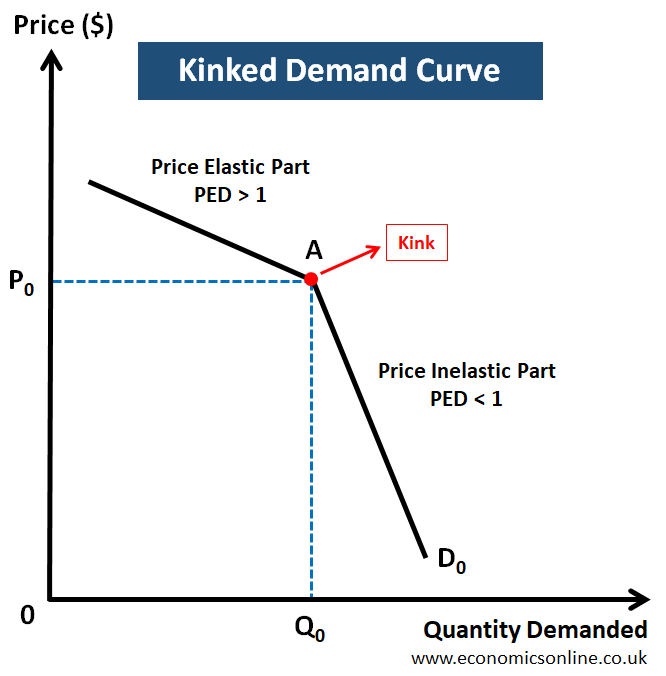
kinked demand curve
competing oligopoly firms that commit to match price cuts but not price increases
what makes collusion difficult
there’s always an incentive to compete and its illegal (no contract)

perfect competition
a market structure where many firms produce an identical product with no one market having any power and having to match the market price, often called “price takers”
externality (spillover)
any voluntary exchange that affects people outside an exchange
private costs
costs that are strictly between firms and do not affect others
external costs
costs between firms that also account for the social costs that affect others
command and control
strict government regulations about the allowed quantities, like for pollution, as well as technology that may be used to combat it
marketable permit programs
a permit that allows a firm to emit a certain amount of pollution, and where firms with more permits than pollution can sell the remaining permits to other firms
market failure
when the market on its own does not allocate resources efficiently in a way that balances social costs and benefits, such as externalities
property rights (Ronald Coase)
the legal rights of ownership on which others are not allowed to infringe without paying compensation, where these being well-defined leads to better discussion
public goods
goods that are nonexcludable and nonrival, like a public park
private goods
goods that are excludable and rival, like food
common resources
goods that are nonexcludable but rival, like fish in international water
government promoting innovation
protection of intellectual property through copyrights and patents or subsidizing research vs partnership
pollution charge
tax imposed on how much pollution is produced from a firm and gives a profit-maximizing firm an incentive to reduce emissions as long as MC of reducing cost is less than the tax
asymmetric information
when one party knows more about a product than another party, or when there’s an uneven balance of information
imperfect information
when the buyer, seller, or both is not confident about the quality of a product being bought or sold
thin market
a market structure with few buyers and sellers
thick market
a market structure with many buyers and sellers
warranty
a promise to replace a ruined good for a set period of time
service contract
an extra payment to have something for a certain amount of time
occupational licenses
licenses that prove workers are qualified to work or have passed certain educational or certification requirements
cosigner
someone who signs a loan along with someone else and pledges to pay the money that is not paid off on the behalf of the original signer
collateral
property that the bank can seize and to sell to pay of unpaid loans, typically physical property
moral hazard
when people behave riskier with insurance than someone without insurance would behave
deductible
the amount needed to be paid before insurance starts to cover costs
copayment
a fixed amount of money paid for certain services, like healthcare or prescriptions, that are paid when receiving it
coinsurance
costs that are paid a percentage by the insurance and the other percentage is paid out of pocket
adverse selection
when people who are low risk opt-out of buying insurance, leaving only the high-risk people, making the charges for the insurance company more expensive
signaling
processes meant to reduce asymmetric information by demonstrating low risk behavior or qualification, such as through certifications or a resume
screening
the process of reducing adverse selection by going through potential applicants and determining their risk, often through interviews
absolute advantage
when one country has the ability to process more of one good than another country
comparative advantage
when one country has the ability to produce a good at a lower opportunity cost than another country
gain from trade
when a country can consume more than it can produce as a result of specialization and trade
infra-industry trade
the process of trading goods through the same industry from one country to another where the finished product is made in one country, such as autos
value chain
describes how a good is produced in its stages
splitting up the value chain
the stages of a good being made in different geographical locations