Motivation
 Call Kai
 Learn
Learn Practice Test
 Spaced Repetition
 Match
Match Flashcards
 Knowt Play
1/18

There's no tags or description
Looks like no tags are added yet.
Name | Mastery | Learn | Test | Matching | Spaced | Call with Kai | Chat |
|---|
No analytics yet
Send a link to your students to track their progress
19 Terms
motivation
motivation is a driving force that means or incites consumer to act
what is the motivation process

needs
needs happen when discrepancies that arise when a consumer actual state does not meet their desired state
what are the two types of needs
physical need: primary need
psychological need: secondary need
A runner finishes a 10k race on a hot summer day and suddenly feels intense thirst and dizziness, prompting them to immediately search for water or an electrolyte drink. Which route of need arousal is being demonstrated here?
Physiological Route
after a stressful week at work, Sarah buys a ticket to a comedy show and gets a massage because she feels down and wants to lift her spirits. Which route of need arousal does this reflect?
Emotional Route
Mark notices that his 5-year-old laptop takes 15 minutes to boot up and can no longer run the new software required for his job, so he researches and plans a purchase for a new computer. Which route of need arousal is this?
Cognitive Route
drive
the tension between an individual’s current state and their desired state that stimulates behavior
goal
goal is the consumers desired end-state
need satisfier
need satisfier is a means (such as a project) that provides a wat for the consumer to resolve the discrepancy between their actual state
valuation and devaluation effect
valuation effect: a person’s desire for an object increases simply because they are currently experiencing a state of need
devaluation effect: objects that are irrelevant for active need state are ignored and devalued
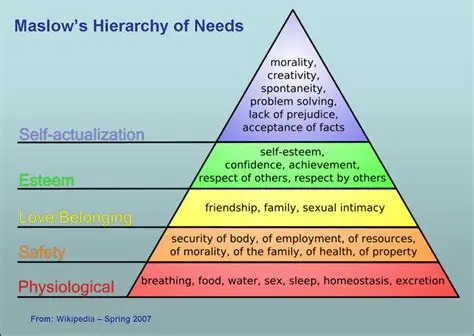
Maslow’s Hierarchy of Needs
physiological: need to survive
safety: need to feel free from physical threats
love/belonging: need for social relationships
esteem: need for respect and recognition (from self and others)
self-actualization: need to be the best one can be full potential
element of value
Based on Maslow’s Hicharcy of needs it categorizes 30 fundamental building blocks of value that drives consumer choices and brand loyalty
functional: practical advantages that solve everyday tasks
emotional: addresses psychological needs
life changing: personal growth
social impact: helping others or contributing to society
intrinsic vs extrinsic motivation
intrinsic: pursing an activity for its own sake
extrinsic: pursuing an activity in order to receive a reward
intrinsic motivation leads to better performances than extrinsic
The ABC’s of intrinsic motivation
Autonomy: doing something because you WANT to
Belonging: sense of connection to other people
Competence: ability to perform required behaviors to reach a goal
balance theory
balance theory is when people prefer psychological stability (balance) in their trad of relationships
neg x neg = positive
neg x positive = neg
positive x positive = positive

mood vs emotion
mood: long period of time with non-specific reason with low intensity
relatively high: short, specific, relatively high intensity
feelings as information
feelings as information is when people use their current emotions state as direct date or shortcut to evaluate the world around them
affect confirmation theory
your current mood alters which details of information you receive