CHAPTER 1 - Introduction to Surgical Technology
 Call Kai
 Learn
 Practice Test
 Spaced Repetition
 Match
 Flashcards
 Knowt Play
1/47

There's no tags or description
Looks like no tags are added yet.
48 Terms
HISTORY OF SURGERY
The history of surgery involves insights into the nature of human anatomy and physiology based on the contemporary understanding of the world at the time.
WESTERN WORLD(CLASSICAL PERIOD)
Recognized for its intellectual contributions to society. Theorists such as Hippocrates and Aristotle were insightful and influential, the scientific method had yet to be established, and the natural phenomena were mainly explained by philosophical means.
MIDDLE AGES
A lot of intellectual achievements were limited during this time, and the few handwritten documents there were created were lost.
RENAISSANCE PERIOD
Innovative thinking contributed to the development of modern theories, including those pertaining to the human body.
Vesalius overthrew 1500 years of established anatomical teaching. His studies reached a larger audience and helped physicians gain insight into human anatomy.
HISTORY OF SURGICAL TECHNOLOGY
Surgical technology as we know it began in Britain and the United States following World War 2.
PIONEERS IN MEDICINE
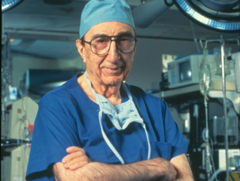
- Michael DeBakey
Developed the first ventricular assist pump
- Galen
The first great anatomist; biology was made to serve theology

- Harvey Cushing
Father of neurosurgery

- William Stewart Halsted
Developed meticulous closure of wounds

- Denton Cooley
Perfected the heart-lung machine and performed the first U.S. heart transplant and the first total artificial heart implant.

- Andreas Vesalius
Father of modern anatomy, who performed dissections on human cadavers and created permanent records.

- Edward Jenner
Invented a vaccination for smallpox

- Louis Pasteur
The father of microbiology and immunology, who proved the germ theory of disease.

- Joseph Lister
Developed the technique of antiseptic surgery.

- Pare
Surgeon who ligated arteries after amputations.

PROFESSIONAL ORGANIZATIONS
Organizations represent the profession at state and national levels to ensure that students graduate from an accredited program and graduates meet the criteria for attaining the Certified Surgical Technologist(CST).
- American College of Surgeons (ACS)
A physician organization dedicated to improving the quality of care for the surgical patient by setting standards for surgical education and practice.

- American Medical Association (AMA)
A professional organization dedicated to ensuring sustainable physician practices that result in better health outcomes for patients.

- American National Standards Institute (ANSI)
A national standards- setting organization that oversees the development and use of recognized standards that directly impact businesses in nearly every sector, including healthcare.

- American Society of Anesthesiologists (ASA)
A national organization dedicated to the patient- centric theme of a preoperative surgical interdisciplinary team to ensure best patient outcomes.

- Association for Professionals of Infection Control and Epidemiology (APIC)
An international organization for infection preventionists (IPs). Many IPs are employed within healthcare institutions and may serve as educators, researchers, consultants, and clinical scientists. The mission of the organization is to promote wellness and prevent worldwide infection.

- Association for the Advancement of Medical Instrumentation (AAMI)
A nonprofit organization involved in the development, management, and use of safe and effective medical technology and devices.

- Association of periOperative Registered Nurses (AORN)
An organization that represents the interests of preoperative nurses by establishing standards in nursing education and clinical practice.

- Centers for Disease Control and Prevention (CDC)
A U.S. government organization under the federal Department of Health and Human Services that works with states and other partners to provide a system of health surveillance to monitor and prevent disease outbreaks, including bioterrorism; implement disease prevention strategies; and maintain international health services.
- Council on Surgical and Preoperative Safety (CSPS)
A collective that consists of seven health organizations, including AST, that promote excellence in surgical patient safety.

- Emergency Services Advanced Registry for Volunteer Health Professionals (ESAR-VHP)
A federal program created to support states and territories in establishing standardized volunteer registration programs for disasters and public health and medical emergencies. By registering through ESAR-VHP, volunteers' identities, licenses, credentials, accreditations, and hospital privileges are all verified in advance, saving valuable time in emergency situations

- Environmental Protection Agency (EPA)
The agency of the U.S. government charged with protecting human health and the environment by writing and enforcing regulations based on laws passed by Congress.

- Food and Drug Administration (FDA)
The agency of the U.S. Department of Health and Human Services responsible for promoting public health through the regulation of food safety, tobacco products, medications, blood transfusions, medical devices, and cosmetics.

- Healthcare Sterile Processing Association (HSPA)
An organization that supports sterile processing personnel.

- The Joint Commission (TJC)
An independent national organization that develops standards and accredits healthcare organization in the United States.

- Medical Reserve Corps (MRC)
A national network of volunteers organized locally to improve the health and safety of the communities. The MRC network consists of community bases units and volunteers located throughout the United States and its territories. Volunteers include medical and public health professionals as well as other community members who do not have a healthcare background.

- National Fire Protection Association (NFPA)
A nonprofit organization focused on reducing fire hazards and dedicated to establishing consensus fire safety codes and standards.

- National Institute of Occupational Safety (NIOSH)
The agency within the CDC that conducts research and makes recommendations to prevent work-related injury and illness

- Occupational Safety and Health Administration (OSHA)
The agency of the Department of Labor dedicated to preventing work-related injuries, illnesses, and occupational fatalities by issuing and enforcing standards for workplace safety and health.

- World Health Organization (WHO)
The directing and coordinating authority for health within the United Nations(UN) system, it is responsible for providing leadership on global health matters, shaping the health research agenda, setting norms and standards, articulating evidence-based policy options, providing technical support to countries, and monitoring and assessing health trends.

EDUCATION AND CERTIFICATION
Surgical Technology programs are accredited by the CAAHEP or the Accrediting Bureau of Health Education School (ABHES).
National Certification is offered by the NBSTSA.
CLINICAL LADDER
LEVEL 1 : Entry-Level Practitioner
The Level 1 practitioner is a recent graduate of an accredited surgical technology program who has been employed as a surgical technologist for 1 year or less.

LEVEL 2 : Proficient Practitioner
The Level 2 proficient practitioner is a CST who has been employed as a surgical technologist for 1 year or more and who takes on greater responsibility in providing patient care than Level 1 practitioner. Level 2 proficient practitioners demonstrate higher-level critical thinking and problem-solving skills than do Level 1 practitioner.

LEVEL 3 : Expert Practitioner
The Level 3 expert practitioner is an advanced practitioner who thinks on a more global level and is more involved in endeavors related to, but outside of, the surgery department.

ROLES OF THE SURGICAL TEAM
Sterile Surgical Team Members
Sterile team members are surgeon, first scrub CST, and the surgical first assistant.

Non-sterile Surgical Team Members
Non-sterile team members are the anesthesia care provider and the circulator.

CLASSIFICATIONS OF SURGERY
- Emergency
A medical condition that requires immediate surgical intervention. EXAMPLE- craniotomy for a subdural hematoma or ruptured abdominal aortic aneurysm.
- Urgent
A medical condition that requires surgical intervention within a short period of time, such as enraptured ectopic pregnancy with stable vital signs. EXAMPLE - Cold Flu, Pink Eye, Ear Pain and Infections, UTIs and Yeast Infection
- Elective
A planned, nonemergency, non urgent procedure that may be either required for quality-of-life considerations or optional. EXAMPLE- Total Joint Arthroplasty, Rhinoplasty.