Anatomy Tissue Review: Epithelial Tissues and Accessory Glands
 Call Kai
 Learn
Learn Practice Test
 Spaced Repetition
 Match
Match Flashcards
 Knowt Play
1/18

Earn XP
Description and Tags
Vocabulary flashcards covering epithelial tissue classification, specific tissue types, functions, locations, and accessory digestive glands.
Name | Mastery | Learn | Test | Matching | Spaced | Call with Kai | Chat |
|---|
No analytics yet
Send a link to your students to track their progress
19 Terms
Simple Epithelium
Epithelial tissue consisting of a single layer of cells.
Stratified Epithelium
Epithelial tissue consisting of two or more layers of cells.
Pseudostratified Epithelium
Epithelial tissue that looks layered due to nuclei at different heights, but is actually a single layer of cells where all cells touch the basement membrane.
Squamous Cells
Flat epithelial cells.
Cuboidal Cells
Cube-shaped epithelial cells.
Columnar Cells
Tall, rectangular epithelial cells.
Cilia
Special cellular structures that move substances across the surface of epithelial cells.
Goblet Cells
Specialized epithelial cells that produce mucus.
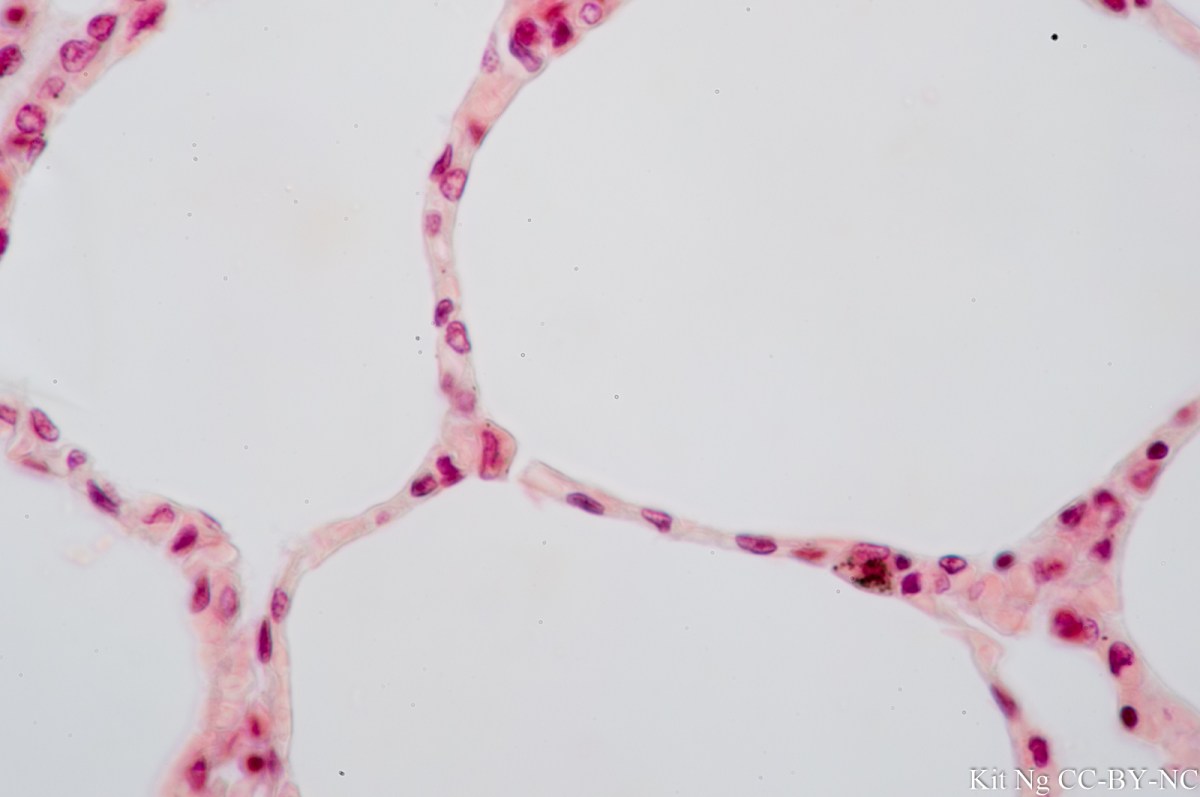
Simple Squamous Epithelium
A single layer of thin, flat cells with flattened nuclei, specialized for diffusion, filtration, and reducing friction.

Simple Cuboidal Epithelium
A single layer of cube-shaped cells with round, centrally located nuclei, specialized for secretion and absorption.

Simple Columnar Epithelium
A single layer of tall, rectangular cells with nuclei near the bottom, often containing goblet cells or microvilli, specialized for absorption, secretion, and protection.

Pseudostratified Columnar Epithelium
A single layer of cells touching the basement membrane with nuclei at different heights, often containing cilia and goblet cells, specialized for mucus secretion and movement.

Stratified Squamous Epithelium
Tissue with multiple cell layers (flat surface cells, cuboidal/columnar bottom cells) main function being protection from abrasion.

Stratified Cuboidal Epithelium
Relatively rare tissue usually consisting of 2–3 layers of cuboidal cells, functioning in protection and secretion within gland ducts like sweat, mammary, and salivary glands.

Stratified Columnar Epithelium
Rare tissue with multiple layers and columnar surface cells, functioning in protection and secretion in parts of the male urethra, pharynx, conjunctiva, and large gland ducts.

Transitional Epithelium
Multiple layers of cells whose surface cells change shape (dome-shaped when relaxed, flatter when stretched) to allow stretching in the urinary system.
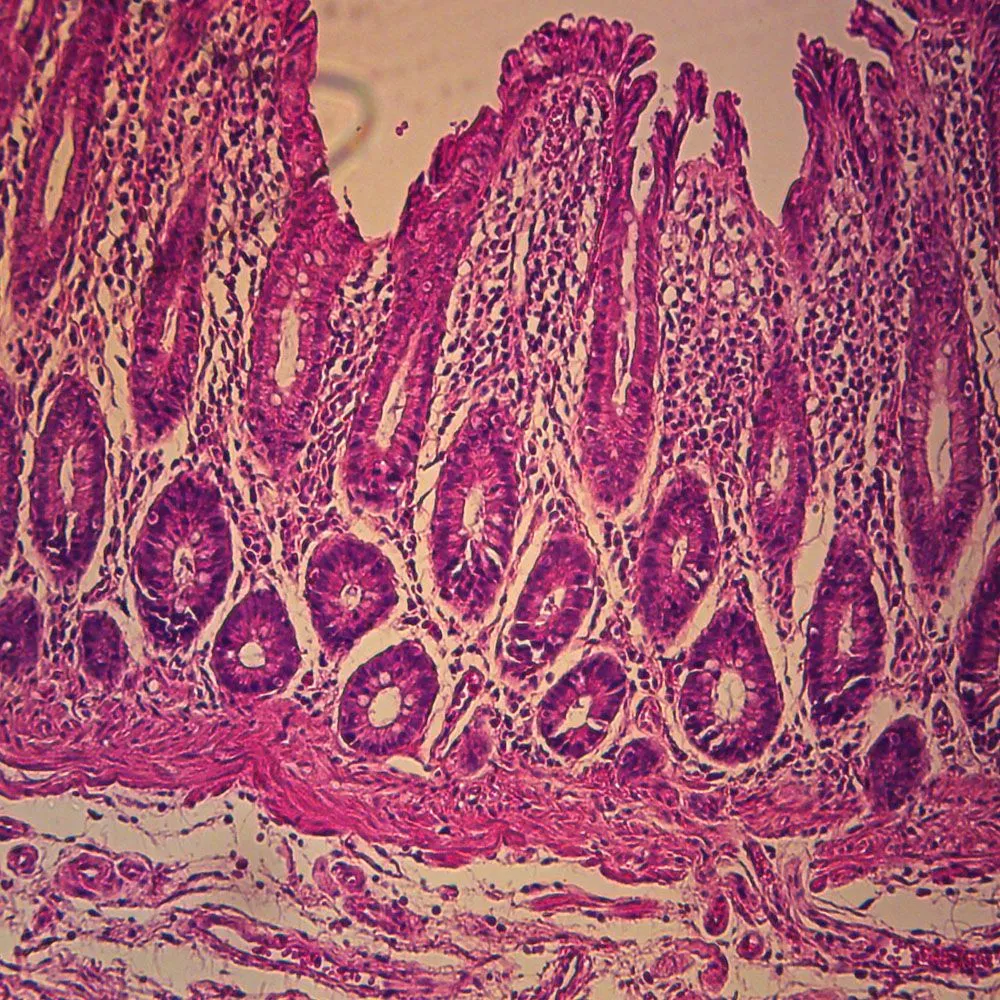
Glandular Epithelium
Epithelial tissue specialized to produce and release substances such as mucus, sweat, oil, digestive enzymes, and hormones.
Exocrine Glands
Glands that release their secretions through ducts onto epithelial surfaces, such as sweat, salivary, sebaceous, and mammary glands.
Endocrine Glands
Ductless glands that release hormones directly into the blood, such as the thyroid, pituitary, and adrenal glands.