CHEM UNIT 4
 Call Kai
 Learn
Learn Practice Test
 Spaced Repetition
 Match
Match Flashcards
 Knowt Play
1/102

There's no tags or description
Looks like no tags are added yet.
Name | Mastery | Learn | Test | Matching | Spaced | Call with Kai | Chat |
|---|
No analytics yet
Send a link to your students to track their progress
103 Terms
structural isomers
Molecules with the same molecular formula where the atoms bond together in different arrangements
resulting from branches in the carbon chain or different positions of the double bond

chain isomers
formed due to different possible branchings in the carbon chain backbone

positional isomers
Molecules that share the same carbon chain and functional group
but have the functional group located on a different carbon atom

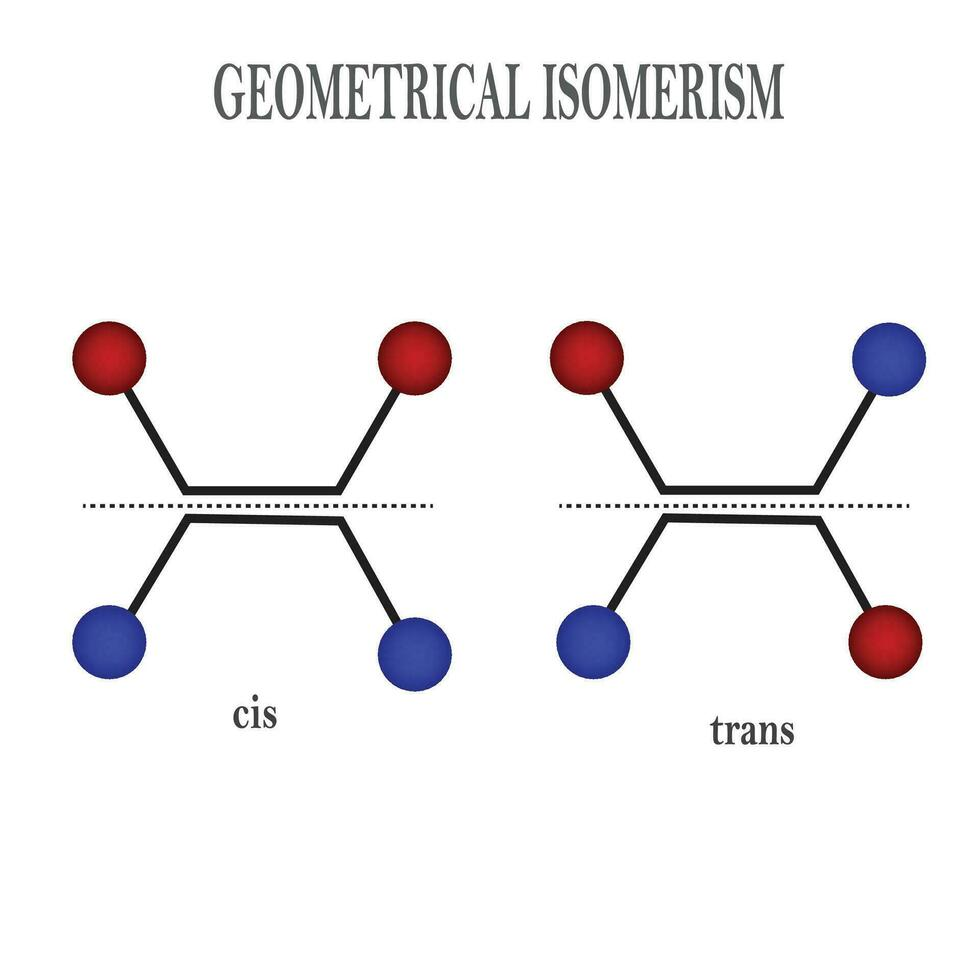
Geometric (cis–trans) isomers
Isomers that occur when there is restricted rotation around a carbon–carbon double bond or within a ring
leading to different spatial arrangements of attached groups
Cis isomer
alkyl groups attached to the double-bonded carbon
located on the same side of the double bond
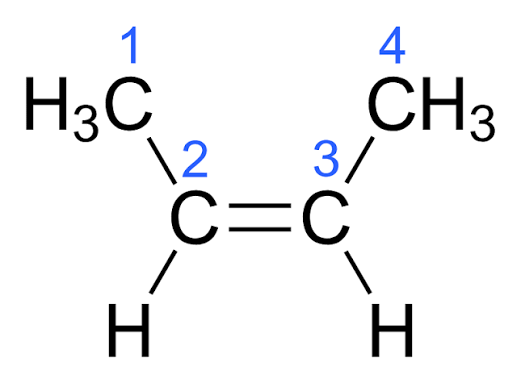
Trans isomer
the longest alkyl groups attached to the double-bonded carbon atoms are located on opposite sides of the double bond
Addition reaction
A reaction where two reactant molecules combine to form a single product
e.g conversion of a carbon–carbon double bond into a single bond as atoms are added across it
Hydrogenation reaction
An addition reaction
where an alkene reacts with hydrogen gas
in the presence of a metal catalyst,
such as nickel (Ni) to form a saturated alkane.
Bromine test
A procedure used to identify the presence of a carbon–carbon double bond
characterized by the rapid disappearance of the orange color of bromine
when mixed with an alkene
Hydration reaction
An addition reaction that involves water as a reactant
such as the industrial production of ethanol from ethene and steam using a phosphoric acid catalyst at 300∘C.
Addition polymerisation
The process where small alkene molecules called monomers
react with each other to form long-chain molecules called polymers
Monomer
The individual small molecule unit, such as ethene
that undergoes addition reactions to form a polymer.
Dispersion forces
Weak forces of attraction between non-polar molecules like alkenes
which increase in strength as the molecular size increases
leading to higher boiling points.
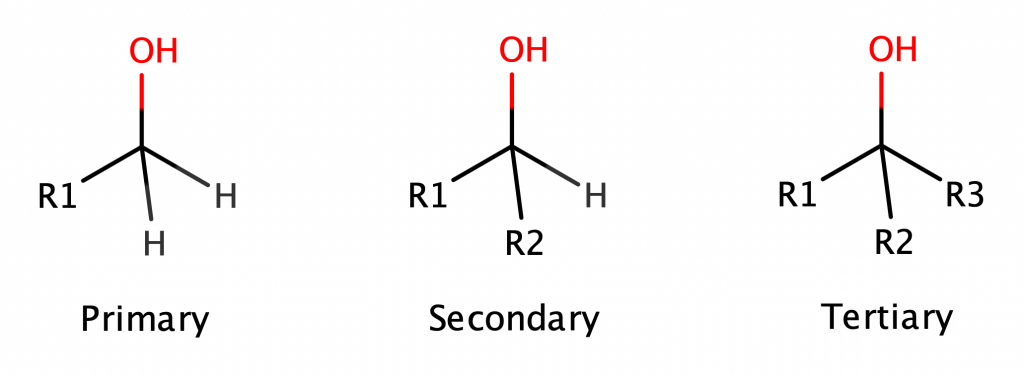
alcohol
compound with a hydroxyl group (-OH)
can be classified as primary, secondary, tertiary
primary alcohol
alcohol where the hydroxyl group is attached to a carbon atom
that is only bonded to one other carbon

secondary alcohol
alcohol where the hydroxyl group is attached to a carbon atom
that is bonded to two other carbons

tertiary alcohol
alcohol where the hydroxyl group is attached to a carbon atom
that is bonded to three other carbons
how does the position of a hydroxyl group affect boiling point
if —OH is central, the surrounding carbon chain block hydrogen bond interactions with another molecule, lowering BP
terminal —OH groups are straight, have a greater surface area, and thus more dispersion forces, having a higher BP
why are small alcohols soluble in water
due to their ability to form hydrogen bonds with water molecules
why are big alcohols insoluble in water
as non-polar hydrocarbon chains get bigger, which increase the molecules dispersion forces
these will overpower the hydrogen bonding ability of the hydroxyl group
making them less soluble
use of alcohols
fuels
solvents
beverages
aldehydes
contain the carbonyl function group
—CHO
suffix: -al

how are aldehydes formed
when primary alcohols are oxidised
what type of intermolecular forces do aldehydes have
dipole-dipole due to C-O bond
no hydrogen bonding
dispersion forces
carboxylic acid
contains the carboxyl group
-COOH

how are carboxylic acids formed
when aldehydes are further oxidised
this can happen if the aldehyde is not removed
why do carboxylic acids have a high boiling point?
due to strong hydrogen bonding
and dimer formation
dimer hydrogen bonding
where two molecules associate through multiple hydrogen bonds
ketone
a carbonyl group bonded to two carbon atoms
suffix: -one

how does a ketone form
through the oxidation of a secondary alcohol
alcohol oxidation
is the process of converting an alcohol into a carbonyl compound
involves the removal of hydrogen atoms
amines
contain the amino functional group
-NH2
suffix: -amine
amide
contains the carbonyl group attached to a nitrogen atom
C-O, -NH2
suffix: -amide
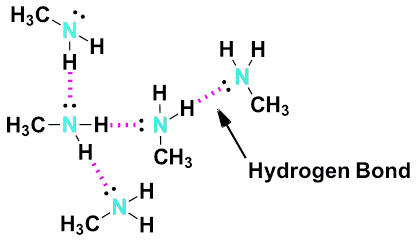
what is the predominant intermolecular force in amines and amides
hydrogen bonding
ester
formed from an alcohol and a carboxylic acid
naming esters
the -yl group from the alcohol first
the acid's name ending in '-oate'.

thermoplastic polymers
soften when warmed
no cross links
elastomers
occasional cross-links
return to original shape
tetrafluoroethene
used for non-stick cookware
very strong dispersion forces

uses for PVC
flooring
pipes
vinyl
have dipole-dipole forces
LDPE
many branches
soft
low MP/BP
flexible
poor packing
HDPE
rigid
no branches
hard
high MP/BP
polyesters
formed from diols and dicarboxylic acids
used for: fabrics, drink bottles
have dipole-dipole forces
polyamides
formed from diamines and dicarboxylic acids
have hydrogen bonding
PET uses
bottles
packaging
textiles
nylon uses
clothing
ropes
parachutes

kevlar uses
bulletproof vests
tires
aerospace components
uses for ldpe
plastic bags
wraps
squeeze bottles
uses for hdpe
playground equipment
pipes
milk jugs
Lipids
Organic biological compounds
include fats and oils
Animal Fats
are saturated
Plant Oils
are unsaturared
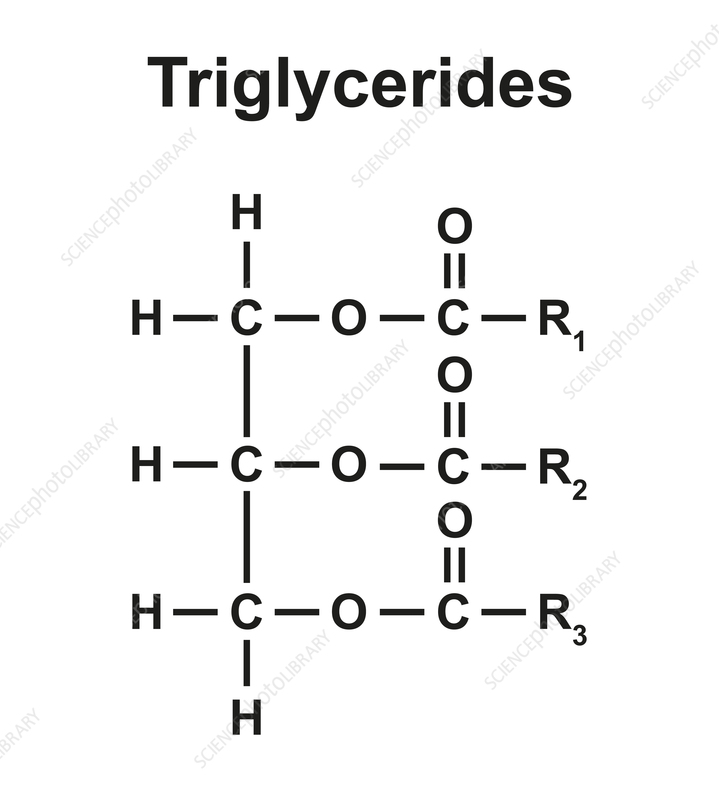
Triglycerides
a triester made from 3 fatty acids and glycerol
Large non-polar molecules
insoluble in water as they cannot form hydrogen bonds.
the main component of fats and oils
Fats
Triglycerides that are solid
Oils
Triglycerides that are liquid
Glycerol
A molecule also known as propan-1,2,3-triol which contains three hydroxyl (−OH) functional groups
Fatty Acids
Carboxylic acids with a carboxyl functional group (−COOH) attached to an unbranched hydrocarbon chain (tail) of 8 or more carbons.
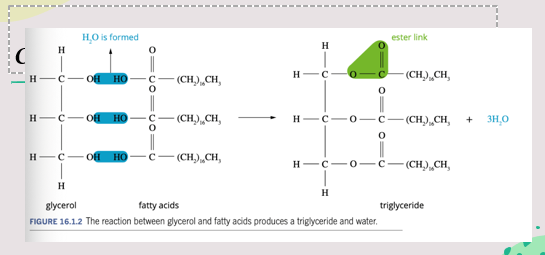
Condensation Reaction (Triglyceride Synthesis)
glycerol + 3 fatty acids → 3 ester links + 3H2O
saturated Fatty Acids
single C-C bonds
monounsaturated Fatty Acids
one C=C bond
polyunsaturated Fatty Acids
more than one C=C double bond
uses of fats and oils
in food directly
fuel for cooking
synthesis for other products (like soap, biodiesel)
saponification
the conversion of basic solutions + fats/oils
to form glycerol and a salt (soap)

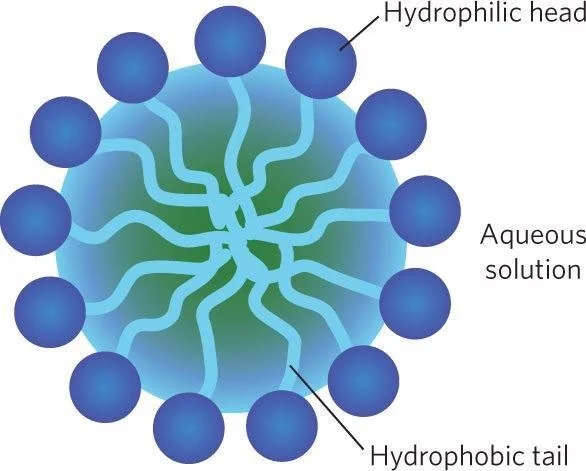
hydrophobic tail
a long, non-polar hydrocarbon chain
repels water
hydrophilic end
the head of the soap molecule
is polar/ionic
forms ion-dipole interactions with water
micelles
a spherical, aggregate of a soap molecule in water
these trap the oil in the centre
list the cleaning action of soap
agitation to move micelles
tails dissolve into oil
heads stay in water and pull grease away
grease is encapsulated in a micelle
micelle prevents grease from reattaching to surface
micelle dissolves in water
detergent
a synthetic agent that breaks down grease and oils
enhances the cleaning process by lowering surface tension of water
similarities of soaps and detergents
both have a hydrophilic end and hydrophobic tail
both form micelles
differences of soaps and detergents
soaps contain a carboxylate group
detergents contain a sulfonate group
biofuel
a fuel derived from living matter (plant or animal)
biodiesel
mixture of long chain fatty acid alkyl esters
transesterification
reaction in where the alcohol-derived group of an ester is exchanged for another
biodiesel reaction
triglyceride + 3 methanol → glycerol + 3 biodiesel
animal fuels (saturated) lead to…
higher melting point
poorer cold-flow behaviour
plant fuels (unsaturated) lead to…
lower melting point
better cold flow
lipase
an biological enzyme
breaks fats into fatty acids and glycerol
base catalysts
has a short reaction time
consist of NaOH or KOH
low cost
can promote soap formation
limitations of a lipase
expensive
function over a limited temp and pH range
layers in manufacturing biodiesel
consists of a less polar, less dense biodiesel-rich layer
and a more polar, denser glycerol-rich layer
how do i prevent waste from biodiesels?
use waste cooking oil
recover alcohol
find use for glycerol
amino acid
a compound which contains an amino group and a carboxyl group
on the same alpha carbon
why are amino acids amphiprotic?
—NH2 can accept H+
—COOH can donate H+
zwitterions
molecules that contain both positive and negative charges
but are overall neutral
properties of zwitterions
water solubility - polar groups interact with water
high melting point - strong electrostatic attraction (ionic lattice)
peptide (amide) bond
a covalent bond formed between the —COOH group
and the —NH2 group

protein
large, complex molecules made up of one or more chains of amino acids
polypeptides
condensation polymer of amino acids
what is a primary structure?
the number, type, and exact sequence of amino-acids
secondary structure
the folding of the polypeptide
results in α-helix and β-pleated sheets
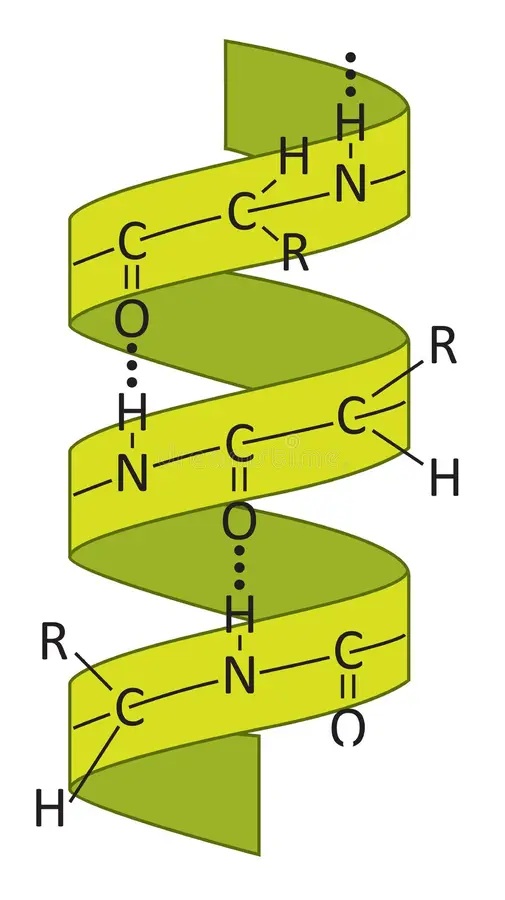
alpha-helix
a sequence of amino acids which forms a coil-shape
are formed from the H-bonds of the amine and carbonyl group
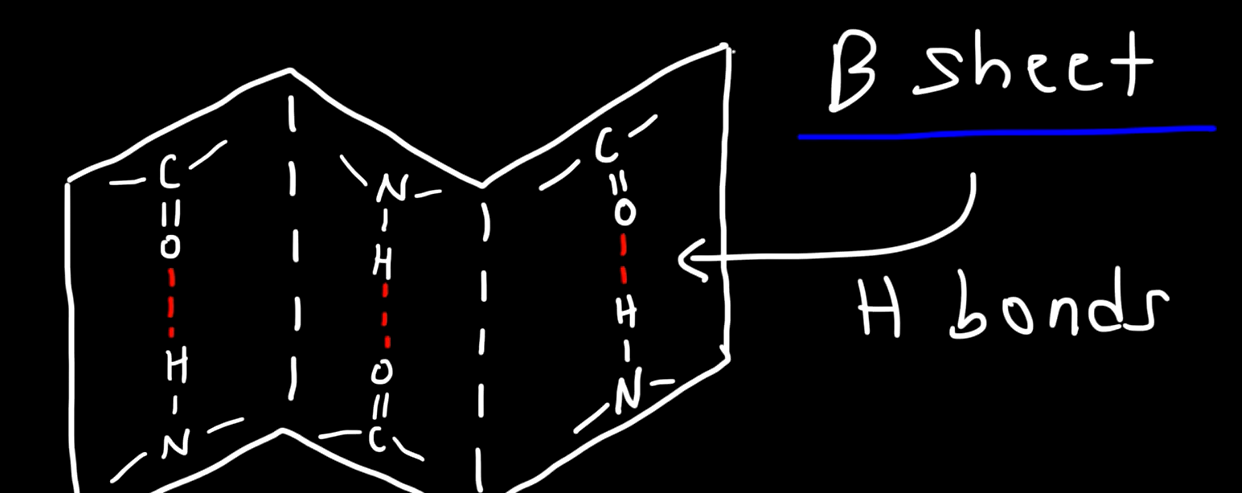
beta-pleated sheets
formed from hydrogen bonding between aligned regions
tertiary structure
overall 3D shape
contain both α and β structure
disulfide bridges
covalent bonds between sulfur atoms
forms between two cysteine amino acids
stronger than h-bonds
how are proteins denatured by temperature?
raising temps can weaken the dispersion forces between non-polar side chains
this causes other stronger attractions to be increased
tertiary structure will change
leading to denaturation
how are proteins denatured by pH?
changes the ionisation of acidic/basic side chains
disrupts hydrogen and ionic bonds
tertiary structure will change
leading to denaturation
fermentation
process which breaks down sugars
to glucose
to ethanol
conditions for the hydration of ethene
high temperature (300 degrees)
high pressure (7000 kPa)
phosphoric acid
how is fermentation better?
low energy use
more environmentally friendly
sustainable
can be renewable
how is hydration of ethene better?
high efficiency
high purification
is quicker