WEEK 2: Therapeutic Hot/Cold, Visual/Sensory Measurements, Dermatomes
 Call Kai
 Learn
 Practice Test
 Spaced Repetition
 Match
 Flashcards
 Knowt Play
1/142

Earn XP
Description and Tags
combined set of all the topics covered in PTAP-130 lab/lecture wk 2
143 Terms
According to the APTA Guide, what is the definition of a physical therapy 'Intervention'?
A purposeful and skilled interaction using various methods to produce changes consistent with the patient's diagnosis and prognosis.
Why is the constant 'assessment' or monitoring of a patient's response considered critical during physical therapy?
It is necessary to determine the overall success and safety of any therapeutic intervention.
List five primary treatment goals when using therapeutic modalities in physical therapy.
Decreasing pain
Reducing soft tissue inflammation
Promoting muscle relaxation
Preventing secondary tissue injuries
Increasing blood flow & enhancing delivery of nutrients to tissue
Beyond pain and relaxation, what are two additional goals for using modalities related to physical function?
Increasing muscle strength and modifying mobility.
What are the formal clinical terms for 'Therapeutic Heat' and 'Therapeutic Cold'?
Therapeutic Heat is Thermotherapy; Therapeutic Cold is Cryotherapy.
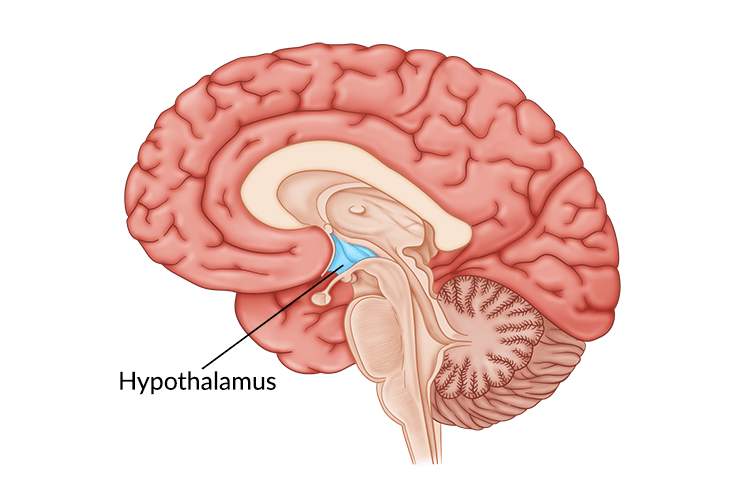
Which part of the brain acts as the body's temperature-regulating center to maintain homeostasis?
The hypothalamus.
How does the body's circulatory system respond to heat in order to cool down?
It utilizes vasodilation (blood vessels get bigger) to release heat through the skin.
What circulatory mechanism is activated to prevent heat loss when the body is exposed to cold?
Vasoconstriction.
Define 'Shivering' in the context of temperature regulation.
A mechanism to maintain body heat by creating warmth through the expenditure of energy.
How does 'Sweating' assist in lowering body temperature?
It facilitates heat loss through evaporation as the moisture leaves the skin surface.
Why is adipose (fatty) tissue considered a significant factor in thermal agent application?
It acts as an insulator, making it difficult for thermal energy to reach deeper underlying tissues.
Changes in body temperature by therapeutic agents can result from what factors?
Temperature difference between the thermal agent & the tissue being treated
Time of exposure to the thermal agent
Intensity of the thermal agent
Thermal conductivity
Which two body components have high water content and readily absorb/conduct thermal energy?
Blood and Muscle.
What is Conduction?
Heat transfer via direct contact between the agent and tissue (ex. Using a moist heat pack.)

What is Convection?
Heat transfer through the movement of air, matter, or liquid. (ex. Fluidotherapy or a whirlpool)

What is Radiation?
Heat transfer through air from a warmer source to a cooler source. (ex. An infrared lamp.)

What is Conversion?
Temperature changes resulting from energy being transformed from one form to another. (ex. Ultrasound)

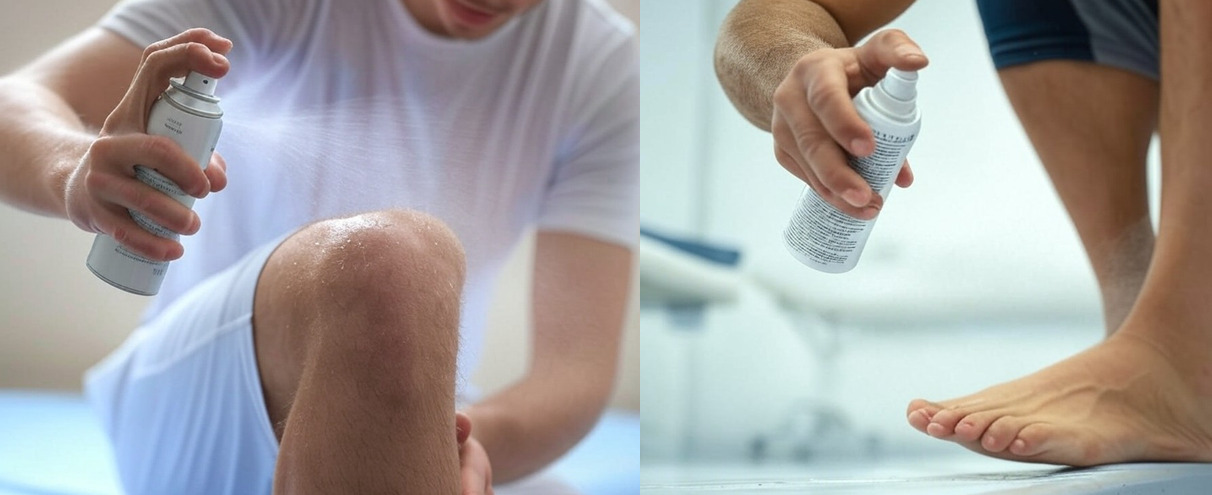
What is Evaporation?
Heat loss through the transformation of a liquid into a gas. (ex. Vapocoolant sprays)
Which category of heating agents is primarily intended to increase the temperature of the skin?
Superficial heating agents.
List five common examples of superficial heating agents.
Moist heat packs
Paraffin wax
Fluidotherapy
Air-activated heat wraps
Warm whirlpool
What are two clinical examples of deep heating agents used in physical therapy?
Continuous uninterrupted ultrasound and continuous shortwave diathermy.
In thermotherapy, what specific temperature defines 'Mild' heating?
104 degrees
What temperature range is required to achieve 'Vigorous' physiological heating effects?
104∘F to 111.2∘F.
At what temperature does thermal application typically begin to cause tissue damage?
Greater than 111.2∘F.
According to 'Gate-Control Theory,' how do therapeutic agents reduce pain?
By stimulating non-nociceptive (non-pain) sensory receptors to block pain signals from reaching the brain.
How does heat application affect local cellular processes and metabolic rate?
It increases the metabolic rate and facilitates the release of oxygen from hemoglobin.
Term: Muscle Guarding
Definition: A protective response where agonist and antagonist muscles surrounding an injury undergo sustained isotonic contraction.
In skeletal muscle, what is the specific function of 'muscle spindle organs'?
They act as stretch receptors that detect changes in the length of the muscle.
Where are Golgi tendon organs (GTO) located and what do they sense?
They lie near the muscle-tendon junction and sense changes in muscle tension.
How does deep heat specifically affect the firing rates of muscle spindles and GTOs?
It decreases the firing rate of muscle spindles and increases the firing of GTOs, leading to decreased muscle guarding.
How does superficial heat lead to muscle relaxation even though it doesn't reach deep tissue?
Increased skin temperature decreases the firing rate of alpha motor neurons, which are responsible for muscle contraction.
A PTA is treating a patient with a history of Peripheral Vascular Disease (Thrombosis). Why is heat application avoided?
Heat causes vasodilation and increased blood flow, which may dislodge a blood clot (thrombus).
List three absolute contraindications for the application of therapeutic heat.
"1. Malignant tumor in the area
- Recent or potential hemorrhage
- Impaired sensation or mentation."
When clearing a patient for heat, what must a clinician do after asking 'Do you have normal feeling in this area?'
The clinician must confirm the patient's sensation through physical touch.
Why is 'Impaired mentation' a contraindication for thermal modalities?
The patient may be unable to sense or communicate if the treatment is becoming dangerously hot or cold.
If a patient is pregnant, where should the application of heat be strictly avoided?
The abdomen and the low back.
A patient has metal staples in their knee. What modification should a PTA make when applying heat?
Use milder heat, lower intensity, or more insulation, and check the skin frequently for signs of burning.
What must a PTA monitor before, during, and after heat treatment for a patient with cardiac insufficiency?
Heart rate (HR) and blood pressure (BP).
Why is heat application over an area with 'topical counterirritants' (like IcyHot) considered a precaution?
The combination can cause excessive skin irritation or severe chemical burns.
List four common methods of delivering cryotherapy.
Cold packs, ice massage, cold baths, and vapocoolant sprays.
What is the typical depth of penetration for most cryotherapy applications?
1 to 4 cm.
At what tissue temperature does cryotherapy begin to cause thermal damage to the skin?
50∘F or below.
How does cryotherapy influence the metabolic rate of the treated tissue?
It reduces the metabolic rate, as vasoconstriction decreases blood flow to the area → limiting inflammation & decreasing tissue temperature making reactions slow down
Term: Clonus
Definition: A hyperactive stretch reflex resulting from an upper motor neuron (UMN) lesion.
Beyond pain and guarding, what is a specific functional goal for cold that is not typical for heat?
Reduction of muscle spasticity (including clonus).
A patient with Raynaud's Disease is referred for cryotherapy. Is this appropriate?
No, Raynaud's is an absolute contraindication for cold because it causes severe vasospasm.
What is 'Paroxysmal cold hemoglobinuria' in the context of cryotherapy?
A condition where blood appears in the urine after exposure to cold; it is a contraindication for cryotherapy.
Why is cryotherapy contraindicated over regenerating peripheral nerves?
Cold can delay or hinder the nerve regeneration process.
How should a PTA handle a patient with hypertension during cold application?
Monitor blood pressure carefully, as cold can cause transient increases in BP.
Why should cryotherapy be applied with caution to 'very young' or 'very old' patients?
These individuals often have impaired thermal regulation and limited ability to communicate discomfort.
If a patient reports distal numbness or tingling during a cold pack treatment, what is the PTA's next step?
Discontinue the cryotherapy immediately as it may be altering nerve conduction.
What essential step must be taken before any therapeutic modality treatment begins?
Obtaining informed consent from the patient.
What are two common scales used to monitor pain levels in a clinical setting?
The Visual Analog Scale (VAS) and the Numerical Pain Rating Scale (NPRS).
When should edema be measured to determine the long-term effectiveness of a treatment plan?
At the initial evaluation and then weekly after a course of treatment.
List three specific clinical parameters a PTA should monitor 'before, during, and after' a modality treatment.
Skin condition, vital signs, and pain levels.
A PTA is applying an ice pack to a patient's shoulder. Which of the following is a sign of a potential 'cold hypersensitivity'?
The development of a rash or hives in the treated area.
A patient with carpal tunnel syndrome is receiving heat. Why is this listed as a 'precaution'?
(carpal tunnel syndrome — pressure on median nerve → numbness, tingling, weakness, pain in the wrist/hand)
Heat over areas of nerve entrapment (like the carpal tunnel) can increase pressure or inflammation on the nerve.
In terms of clinical safety, what should a PTA perform to ensure a heating agent is not too intense for a patient?
A sensation check (testing for normal feeling/touch).
How does cold application affect the elasticity of soft tissues?
It decreases tissue elasticity.
A patient with multiple sclerosis is being treated. Why is thermotherapy generally considered a precaution for this population?
Individuals with MS often have impaired thermal regulation and can experience a temporary worsening of symptoms with heat.
What is the clinical significance of a GTO firing rate increase during deep heat?
It inhibits muscle contraction, leading to relaxation of the muscle.
Why must a PTA inspect the skin for wounds before applying cryotherapy?
Cold should not be applied to deep wounds, and intensity must be reduced for minor cuts to avoid tissue damage.
What is the primary goal of the 'Spray & Stretch' technique?
To use a vapocoolant spray to provide rapid surface cooling, allowing for an improved stretch of the muscle.
What circulatory change is common to both homeostasis and heat-induced cooling?
Vasodilation.
If a patient has an 'open wound,' why is heat considered a precaution?
Heat increases blood flow which may interfere with early clotting or cause the wound to bleed more.
A PTA is monitoring a patient's response to treatment 'to ensure safety and determine response beyond pain.' What are two physical signs to check?
Range of Motion (ROM) and muscle tone/strength.
What is the primary safety reason for performing palpation before applying therapeutic modalities?
To check for sensation integrity.
Which palpation technique is most appropriate for assessing superficial tissues?
Light tactile pressure.
What type of palpation pressure is required to identify bony structures?
Increased pressure.
What is a Dermatome?
The skin area supplied by a single dorsal root (spinal nerve root).

Under what clinical suspicion should a clinician perform dermatome testing?
Suspected issues occurring at the spine.

When is it appropriate to test peripheral nerve distribution rather than dermatomes?
When there is a suspected injury to the nerve as it travels down the extremities.
Which spinal nerve root provides sensation to the posterior head?
Dermatome C2
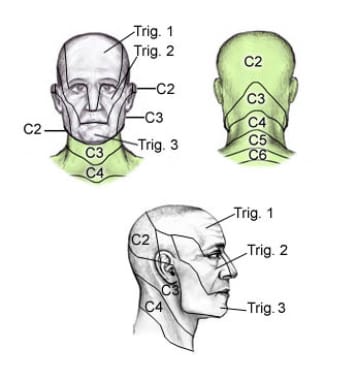
What area of the skin corresponds to dermatome C3?
Posterolateral neck
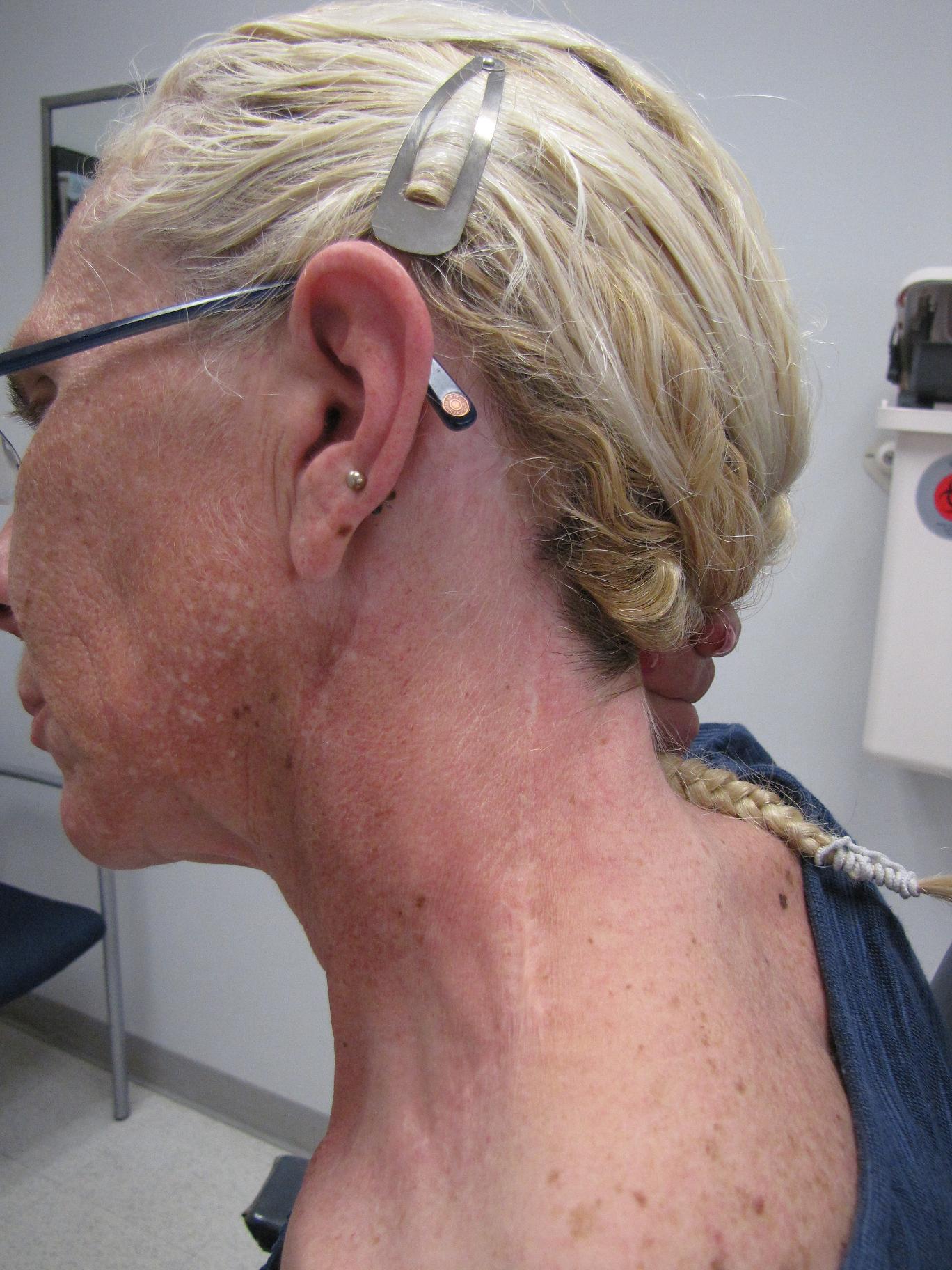
At what anatomical location is the C4 dermatome tested?
The AC joint.

What is the dermatome for the lateral arm?
C5

Which dermatome covers the lateral forearm and the thumb?
C6
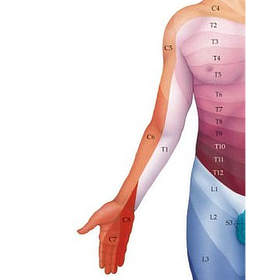
The palmar distal phalanx of the middle finger corresponds to which dermatome?
C7

Which dermatome is found on the little finger and the ulnar border of the hand?
C8

What anatomical area is supplied by the T1 nerve root?
The medial forearm.

What anatomical area is supplied by the L2 dermatome?
Anterior proximal thigh
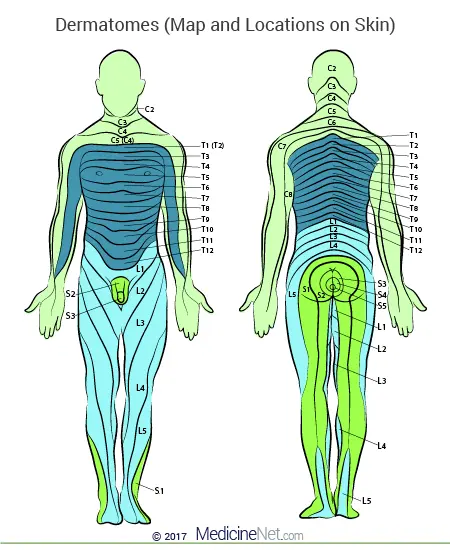
Which dermatome is located on the middle third of the anterior thigh?
L3
Testing sensation at the patella and medial malleolus assesses which nerve root?
L4
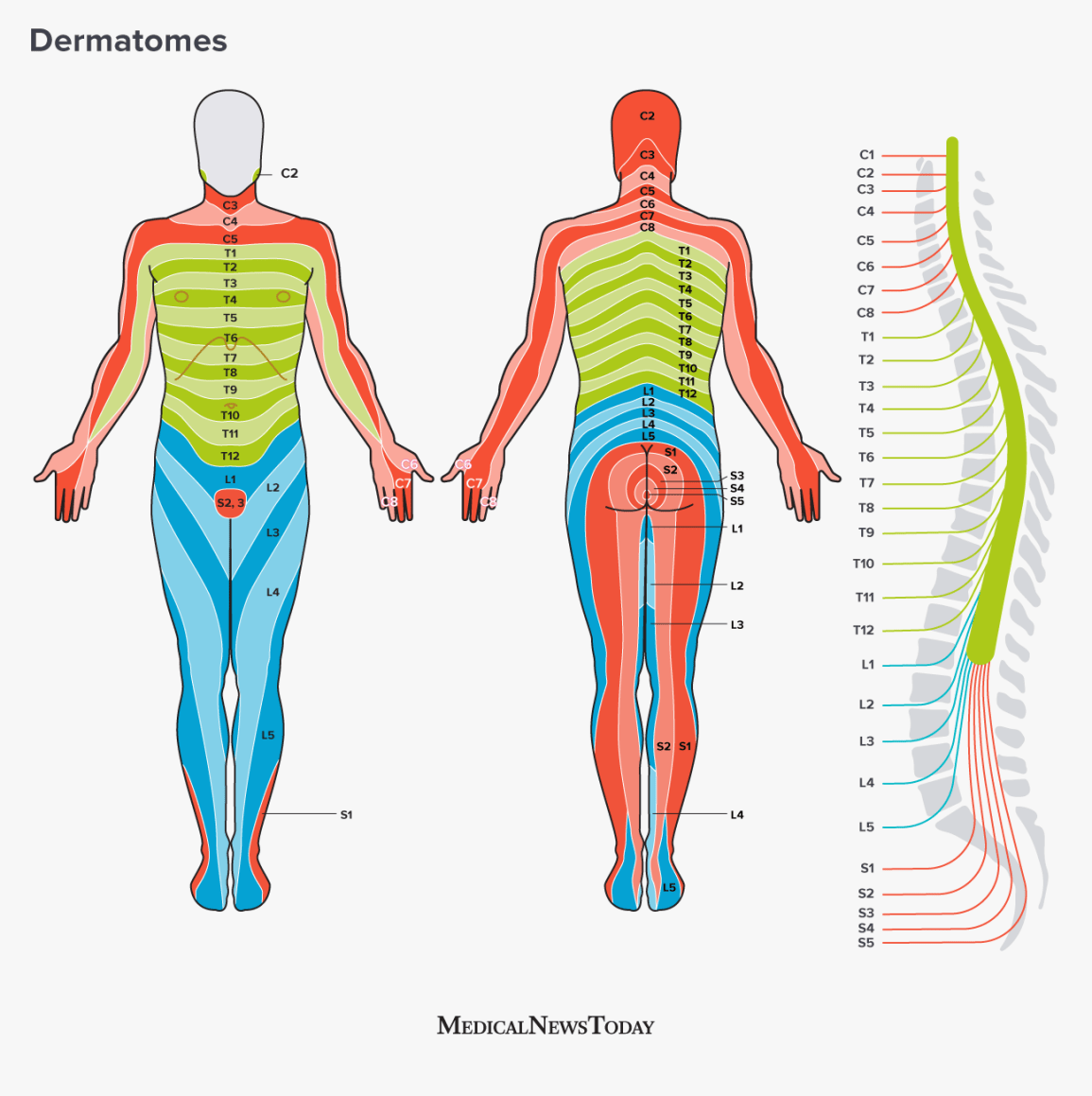
What are the two key testing locations for the L5 dermatome?
Fibular head and dorsum of the foot.

Which spinal nerve root is assessed at the lateral and plantar aspect of the foot?
S1

The medial aspect of the posterior thigh corresponds to which dermatome?
S2
What tools are typically used to assess sharp/dull pain discrimination?
Safety pin or paper clip.
How is a light touch sensory screen performed by a clinician?
Using a cotton ball or fingertip to touch the skin while the patient indicates when they feel it.
In the APTA Guide to Physical Therapist Practice, what is the 'Examination' step of a plan of care?
The process of obtaining history, performing systems reviews, and administering specific tests and measures.
In a clinical setting, how does 'Evaluation' differ from 'Examination'?
Evaluation is the dynamic process of making clinical judgments based on the data gathered during examination.
What is the definition of a physical therapy 'Intervention'?
Purposeful and skilled interaction using methods and techniques to produce changes consistent with diagnosis.
At what three points during a treatment session should a patient's response be assessed?
Before, during, and after the intervention.
Which skin characteristic is determined by the amount of melanin and hemoglobin present?
Color (pigmentation).
What do pale or bluish skin tones typically indicate in a patient assessment?
A decrease in blood flow or frostbite.
What is the clinical significance of pink or red skin observed before treatment?
It indicates an increase in blood flow, burn, or inflammation.

What is the maximum normal time for pre-pressure pigmentation to return during a Capillary Refill Test?
Less than 3 seconds.
A Capillary Refill Test taking longer than 3 seconds suggests what condition?
Impaired circulatory function.
Why must clinicians specifically assess the sensation of scar tissue before thermal modalities?
Scars may have altered sensation and an increased sensitivity to heat or cold.