ch 2 horizontal boundaries
 Call Kai
 Learn
 Practice Test
 Spaced Repetition
 Match
 Flashcards
 Knowt Play
1/13

There's no tags or description
Looks like no tags are added yet.
14 Terms
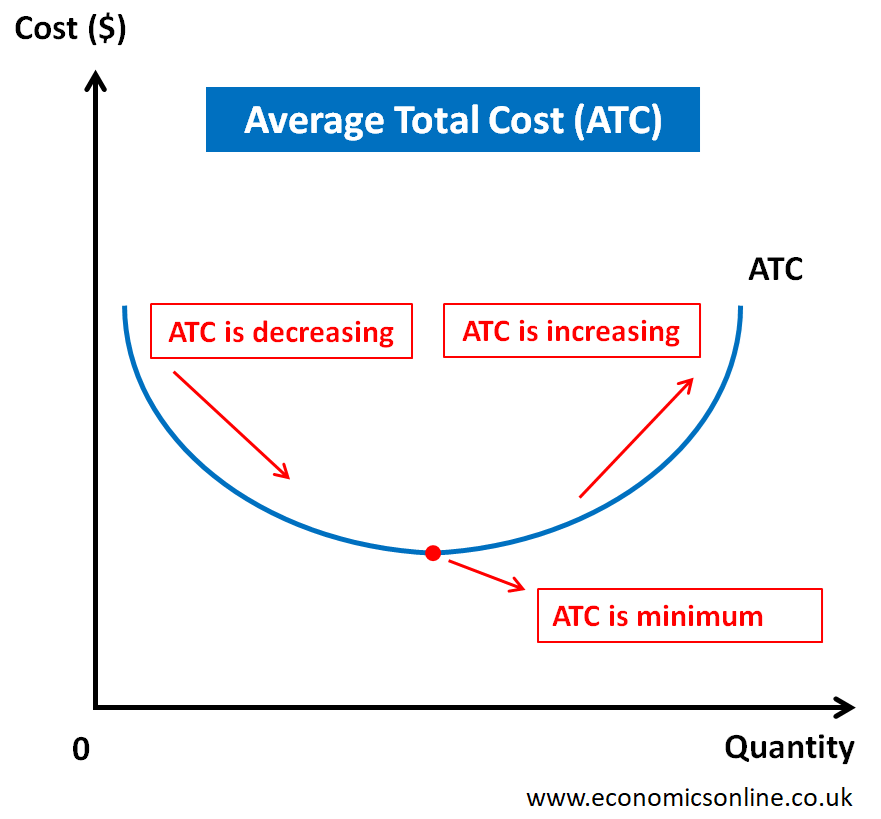
u shaped cost curve
L-shaped average cost curve
average costs decrease as production increases and eventually level off
MES - smallest level of production at which a firm can achieve its minimum average cost

economies of scope
total cost of firm A producing both X and Y < total cost of firm A producing X + total cost of firm B producing Y
indivisibilities
an input cannot be scaled down below a certain minimum size, even when level of output is very small
capital intensive
costs of productive capital such as factories and assembly lines represent significant percentage of total csost
materials/labor intensive
costs of raw materials or labor represent significant percentage of total cost
divisible and can change in proportion to output change, average cost do not vary much with output
economies of scale are less likely
density
cost savings due to greater geographic density of customers
purchasing
cost savings due to buying in bulk
advertising
cost savings due to reaching more potential customers effectively
umbrella branding - ads about one product increase sales of others
R&D
cost savings by spreading R&D expensive over large sales
inventories
cost savings by making use of warehouses and just-in-time distribution
learning curve

cost advantages from accumulating experience and know-how over time
external capital market
financing from external capital markets
internal capital market
company allocated financial resources among its own divisions or business units