Sickle Cell - pain man
 Call Kai
 Learn
 Practice Test
 Spaced Repetition
 Match
 Flashcards
 Knowt Play
1/7

There's no tags or description
Looks like no tags are added yet.
8 Terms
Describe the general pathophysiology of sickle cell disease and explain how it contributes to common clinical presentations and complications.
Pathophysiology
Normal RBCs
Biconcave, disc-shaped, flexible
Transport oxygen throughout the body
Sickle Cell Disease (SCD)
Abnormal hemoglobin (HbS) polymerizes when deoxygenated
RBCs become sickle-shaped, rigid, and fragile

Clinical Presentation

First symptoms include pain and swelling of the hands and feet, commonly referred to as hand-and-foot syndrome or dactylitis in infants
Laboratory findings:
Low hemoglobin level (6 to 9 g/dL)
Elevated reticulocytes of 10% to 25%
Elevated lactate dehydrogenase
Elevated platelet count
Elevated white blood cell (WBC) count
Normal MCV
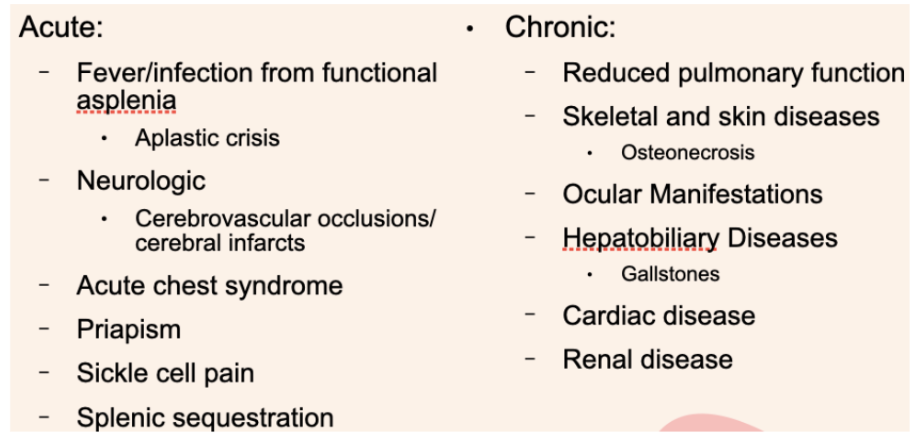
Complications
Identify the common triggers, presentation, and risk factors associated with pain in sickle cell disease → most common reason for seeking treatment
Cause:
Microvascular occlusion in the bone marrow
Common Triggers:
Fever, infections, dehydration, hypoxia, acidosis, sudden temperature alterations
Characteristics:
Continuous, throbbing, localized or migratory
Common Locations:
Back, chest, and extremities
Other risk factors:
Older age, iron overload, low HbF (fetal hemoglobin) levels
Treatment:
Penicillin prophylaxis
Hydroxyurea
L-glutamine
Crizanlizumab
Chronic transfusion therapy
Primarily for stroke prevention
Allogeneic Hematopoietic Cell Transplantation (curative)
Gene therapies for SCD: exagamglogene autotemcel and lovotibeglogene autotemcel
Hydroxyurea
MOA: stimulates fetal hemoglobin (HbF) production and increases the number of HbF-containing reticulocytes and intracellular HbF
Higher HbF decreased RBC sickling and adhesion
Benefits: reduces the frequency of painful episodes, risk of ACS, need for blood transfusions, and number of hospitalizations
ADRs: bone marrow suppression (neutropenia, thrombocytopenia, anemia), dry skin, hyperpigmentation of skin or nails
Risk for teratogenicity based on animal studies
Monitoring
Absolute neutrophil count (ANC), platelets, hemoglobin, reticulocyte count
SCr
LFTs
L-glutamine
MOA:
Glutamine is an essential amino acid and precursor for nicotinamide adenine dinucleotide (NAD+) synthesis
Increased NAD+ can restore balance in oxidatively stressed cells
Benefits: reduced pain and hospitalizations
ADRs: well-tolerated, nausea, constipation, abdominal pain, noncardiac chest pain, fatigue, and musculoskeletal pain
Treatment of Sickle Cell Pain: Acute


Non-pharm for acute pain (in addition to pharm)
massage, yoga, transcutaneous electrical nerve stimulation (TENS), virtual reality (VR), guided audiovisual (AV) relaxation
Treatment of Chronic Sickle Cell Pain
Chronic pain due to avascular necrosis of bone
Duloxetine (and other SNRIs)
NSAIDs
Chronic pain with unknown cause
SNRIs
TCAs
Gabapentinoids
Guidelines recommend AGAINST chronic opioid therapy unless pain is refractory to multiple other treatment modalities
If used, follow CDC guideline recommendations.
Guidelines recommend AGAINST chronic monthly transfusion therapy
Treatment of Chronic Sickle Cell Pain → nonpharm (in addition to pharm)
cognitive behavioral therapy (CBT)-most preferred, acceptance and commitment therapy (ACT), mindfulness-based treatments, acupuncture, massage