Design & Scoiety 101
 Call Kai
 Learn
 Practice Test
 Spaced Repetition
 Match
 Flashcards
 Knowt Play
1/24

There's no tags or description
Looks like no tags are added yet.
25 Terms

Science Hall, San Francisco City College
Late 1930s to early 1940s, during the Art Deco period.
Architect / Builder: Timothy Pflueger, a prominent San Francisco architect

Parthenon
Era: Ancient Greece, built between 447 and 432 BCE, during the Classical period.
Architectural style: Classical Greek architecture, predominantly Doric order, with some Ionic features.
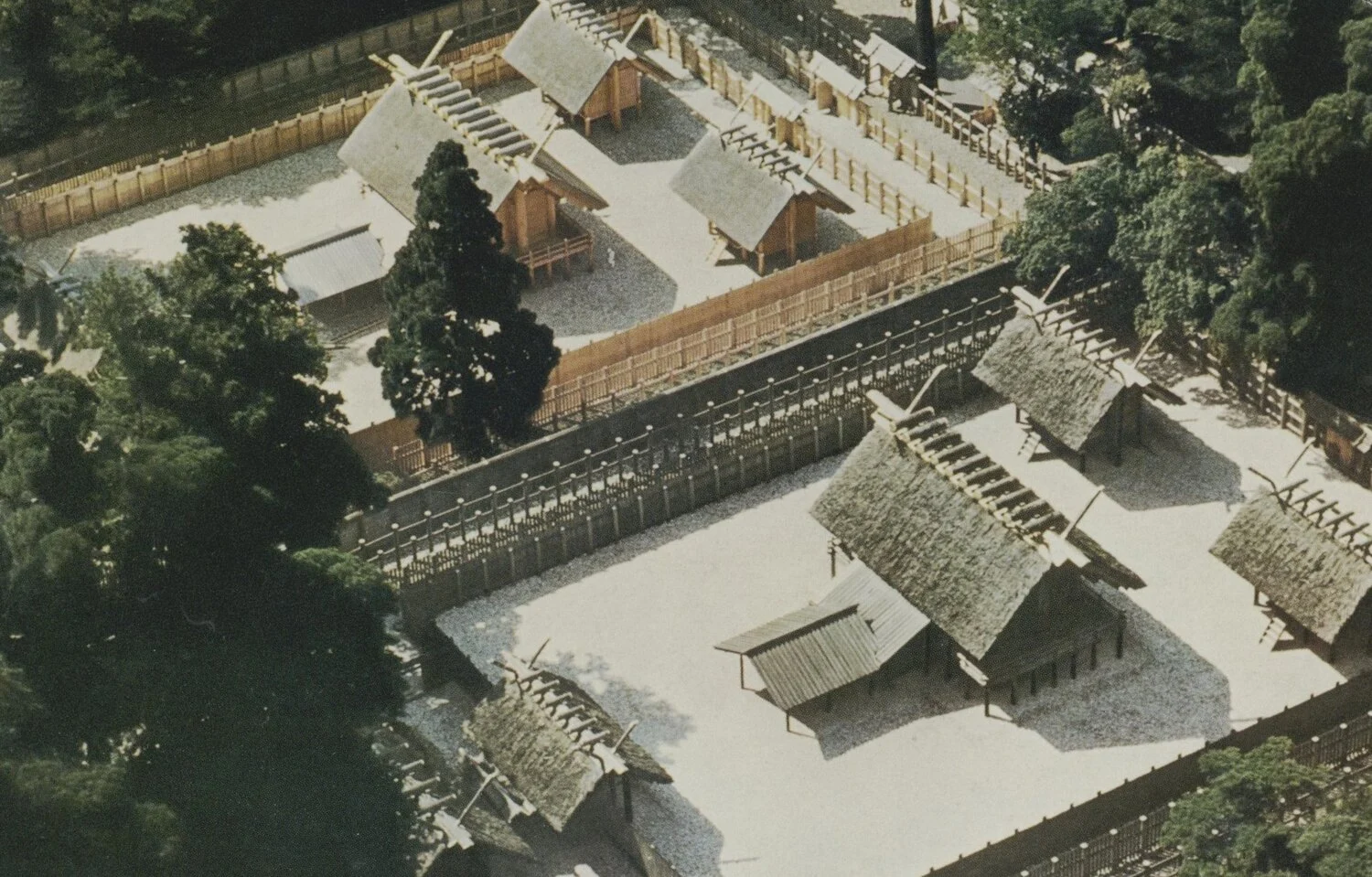
Ise Grand Shrine, Japan 🇯🇵
Era: Traditionally dates back around 2,000 years. The formal rebuilding tradition began in 690 CE, during Japan's Asuka period.
Architectural style: Shinmei-zukuri, a traditional Japanese Shinto architectural style characterized by natural timber, raised floors, steep thatched roofs, and simple, elegant forms.

Mosque-Cathedral of Córdoba, Spain 🇪🇸
Era: Begun in 786 CE during the Umayyad period of Islamic rule in Al-Andalus, with major expansions through the 10th century. It was converted into a Christian cathedral in 1236, with major Renaissance additions from 1523 onward.
Architectural styles: Umayyad Islamic architecture, Hispano-Islamic design, and later Gothic, Renaissance and Baroque Christian elements.

Thatbyinnyu Temple (သဗ္ဗညုဘုရား), Bagan, Myanmar 🇲🇲
Era: Pagan (Bagan) Kingdom, 12th century CE. Construction began around 1144–1145 and was completed around 1150–1151.
Builder / Patron: Traditionally attributed to King Sithu I (Alaungsithu) of the Bagan Dynasty.
Architectural style: Bagan-period Buddhist temple architecture, featuring brick masonry, white stucco, tiered terraces, vaulted corridors, and a sikhara, a tower above the sanctuary.
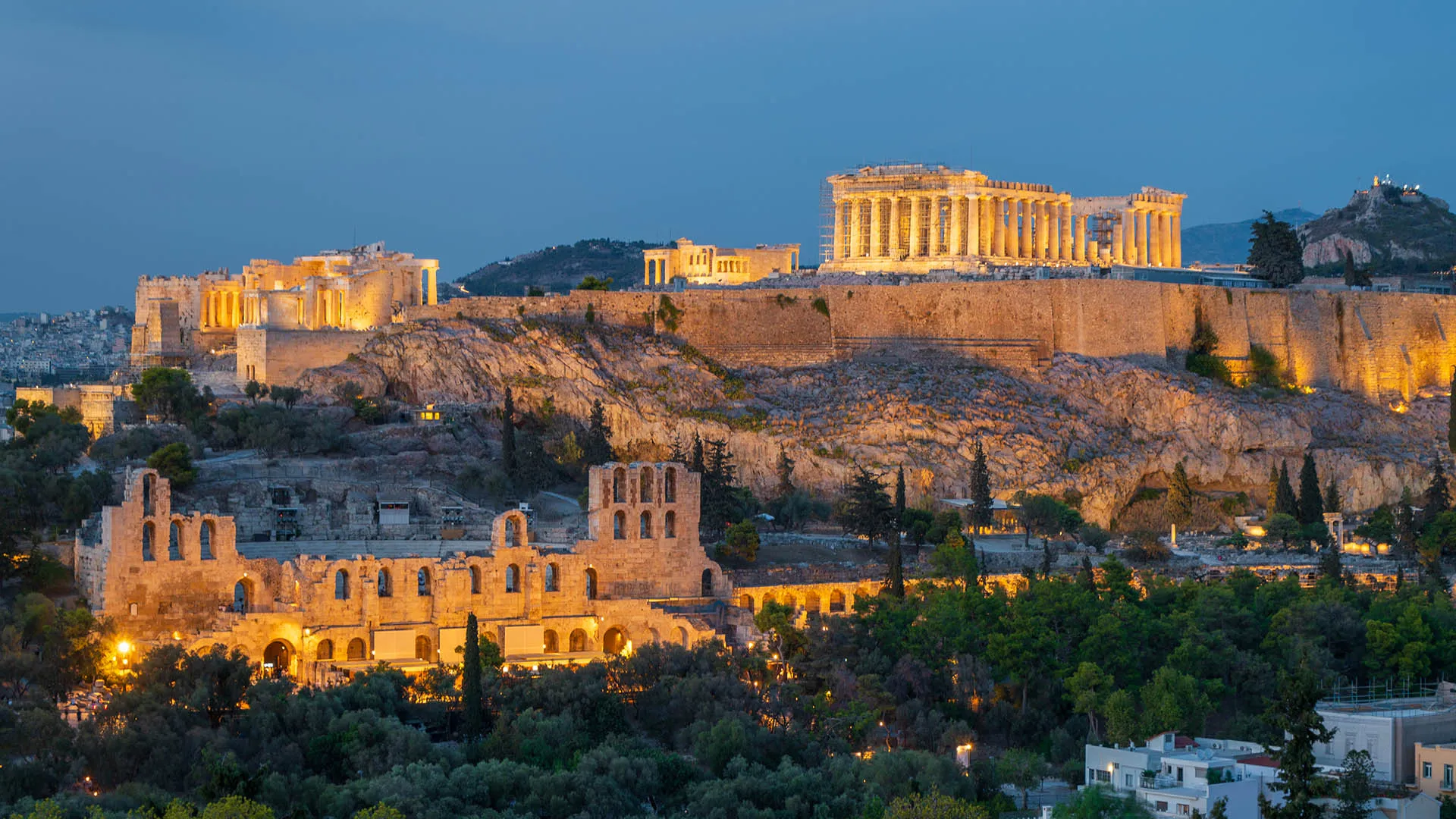
The Acropolis of Athens, Greece 🇬🇷
Era: Primarily the 5th century BCE, during Athens' Classical Golden Age. Major monuments were built under the leadership of Pericles, especially from around 447 to 406 BCE.
Architectural style: Classical Greek architecture, particularly Doric and Ionic orders.

Payathonzu Temple (ဘုရားသုံးဆူ), Bagan, Myanmar 🇲🇲
Era: Late Bagan period, approximately the 13th century CE.
Architectural style: Late Bagan Buddhist architecture, featuring brick masonry, vaulted corridors, square shrines, and tiered superstructures.

Ayutthaya Historical City, Thailand 🇹🇭
Era: 1351–1767 CE, when Ayutthaya served as the capital of the Kingdom of Siam for more than 400 years.
Architectural styles: Ayutthaya-style Thai Buddhist architecture, blending Sukhothai traditions with Khmer influences and, through international trade, other regional artistic influences.
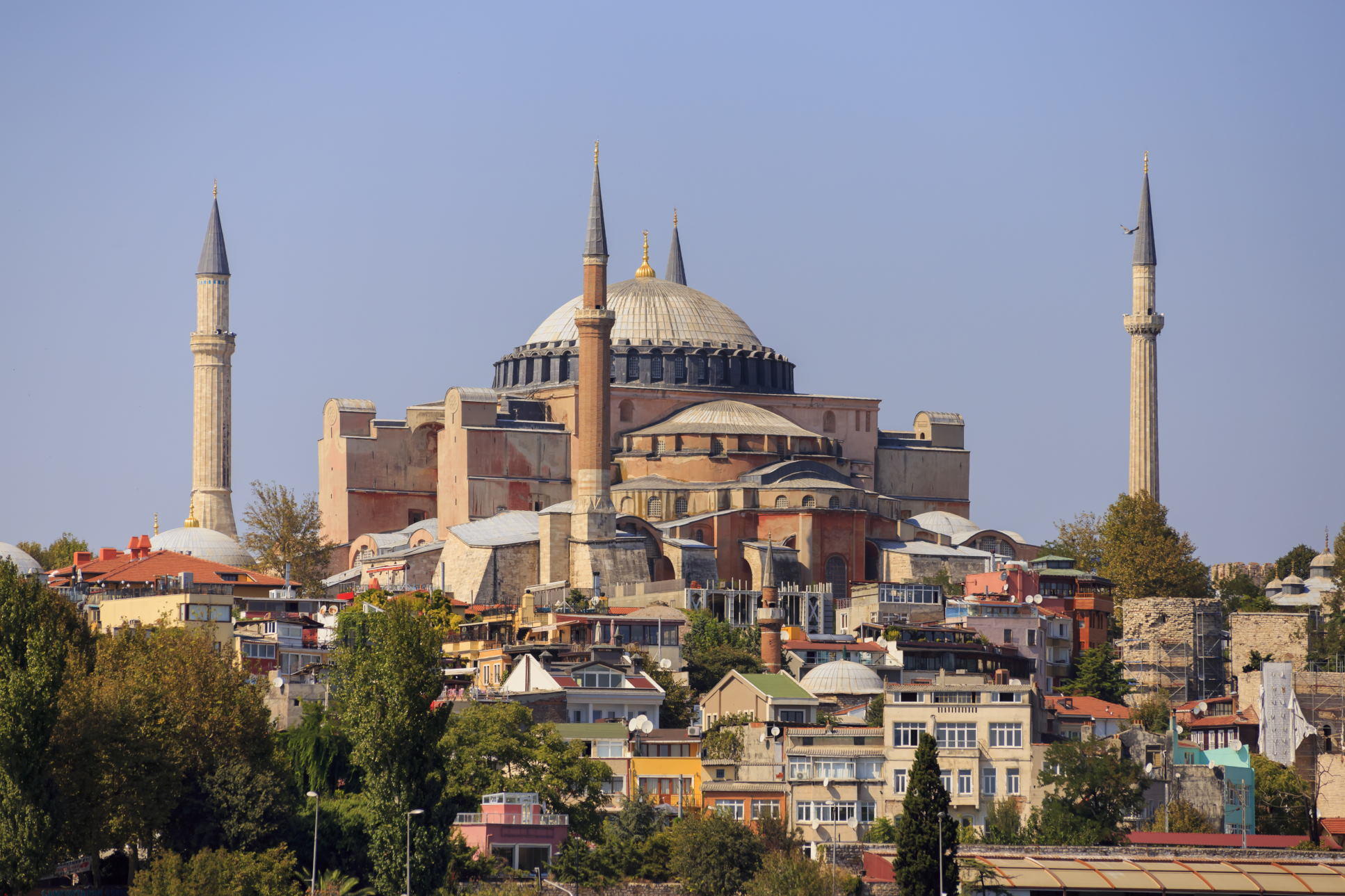
Hagia Sophia, Istanbul, Türkiye 🇹🇷
Era: Byzantine Empire, 532–537 CE, during the reign of Emperor Justinian I.
Architectural style: Byzantine architecture, renowned for its enormous central dome, pendentives, marble columns, and richly decorated interiors.

Statue of Liberty, New York City, USA 🇺🇸
Era: 19th century, unveiled on 28 October 1886.
Architectural style: Neoclassical monument, combining classical symbolism with innovative metal engineering.

Ananda Temple (အာနန္ဒာဘုရား), Bagan, Myanmar 🇲🇲
Era: Early 12th century CE, during the Bagan Kingdom. Construction is traditionally dated to around 1090–1105.
Builder / Patron: Traditionally attributed to King Kyanzittha, one of Bagan's most celebrated rulers.
Architectural style: Bagan Buddhist architecture, combining Mon and North Indian influences, with a cruciform floor plan, vaulted corridors, and a distinctive shikhara tower inspired by Indian temple architecture.

Imhotep and the Step Pyramid of Djoser, Saqqara, Egypt 🇪🇬
Era: 27th century BCE, during Egypt's Third Dynasty, around 2667–2648 BCE.
Architect / Builder: Imhotep, the chief official and architect serving Pharaoh Djoser. He is traditionally credited with designing the Step Pyramid complex.
Architectural style: Ancient Egyptian monumental architecture, featuring a six-tiered step pyramid and an extensive ceremonial complex.

Mastaba, Ancient Egypt 🇪🇬
Era: Early Dynastic Period through the Old Kingdom, approximately 3100–2181 BCE, although mastabas continued to be built in later periods.
Architectural style: Ancient Egyptian funerary architecture, characterized by a low, rectangular structure with sloping sides, a flat roof, and an underground burial chamber.

Mortuary Complex of Djoser, Saqqara, Egypt 🇪🇬
Era: 27th century BCE, during Egypt's Third Dynasty, around 2670 to 2650 BCE.
Architect: Imhotep
Architectural style: Early Ancient Egyptian monumental architecture, combining the Step Pyramid, ceremonial courtyards, shrines, temples, and an extensive stone enclosure wall.

Great Wall of China, China 🇨🇳
Era: Construction began as early as the 7th century BCE, with major sections connected under the Qin Dynasty (221–206 BCE). Much of the best-preserved wall visible today dates to the Ming Dynasty (1368–1644 CE).
Architectural type: Military defensive architecture, comprising walls, watchtowers, fortified passes, and signal stations adapted to mountainous terrain, deserts, and plains.

Axial Gallery, Lascaux Cave, France 🇫🇷
Era: Upper Paleolithic, approximately 21,000 years ago, although the precise dating of Lascaux's art remains debated.
Artists / Builders: Created by prehistoric people
Artistic style: Prehistoric cave art, featuring polychrome animal paintings, engravings, and naturalistic forms.

Venus of Laussel, Dordogne, France 🇫🇷
Era: Upper Paleolithic, approximately 25,000 to 27,000 years ago, during the Gravettian period.
Material and style: Limestone carved in bas-relief, with traces of red ochre pigment. Bas-relief means the figure projects from the stone surface rather than being sculpted fully in the round.
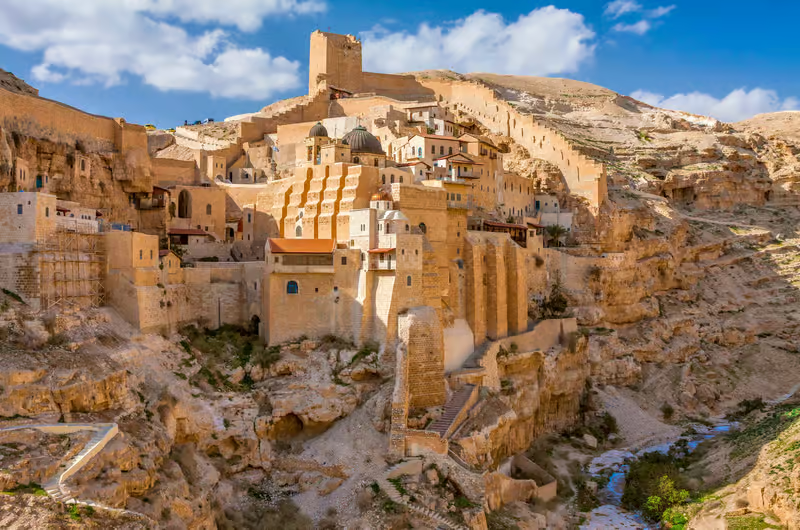
Jericho, West Bank, Palestine 🇵🇸
Era: Neolithic period, with settlement at Tell es-Sultan dating back to approximately 9000 BCE. Some of its earliest monumental structures were built around 8000 BCE.
Architectural type: Early Neolithic settlement architecture, featuring stone foundations, mudbrick houses, defensive or boundary walls, and a monumental stone tower.
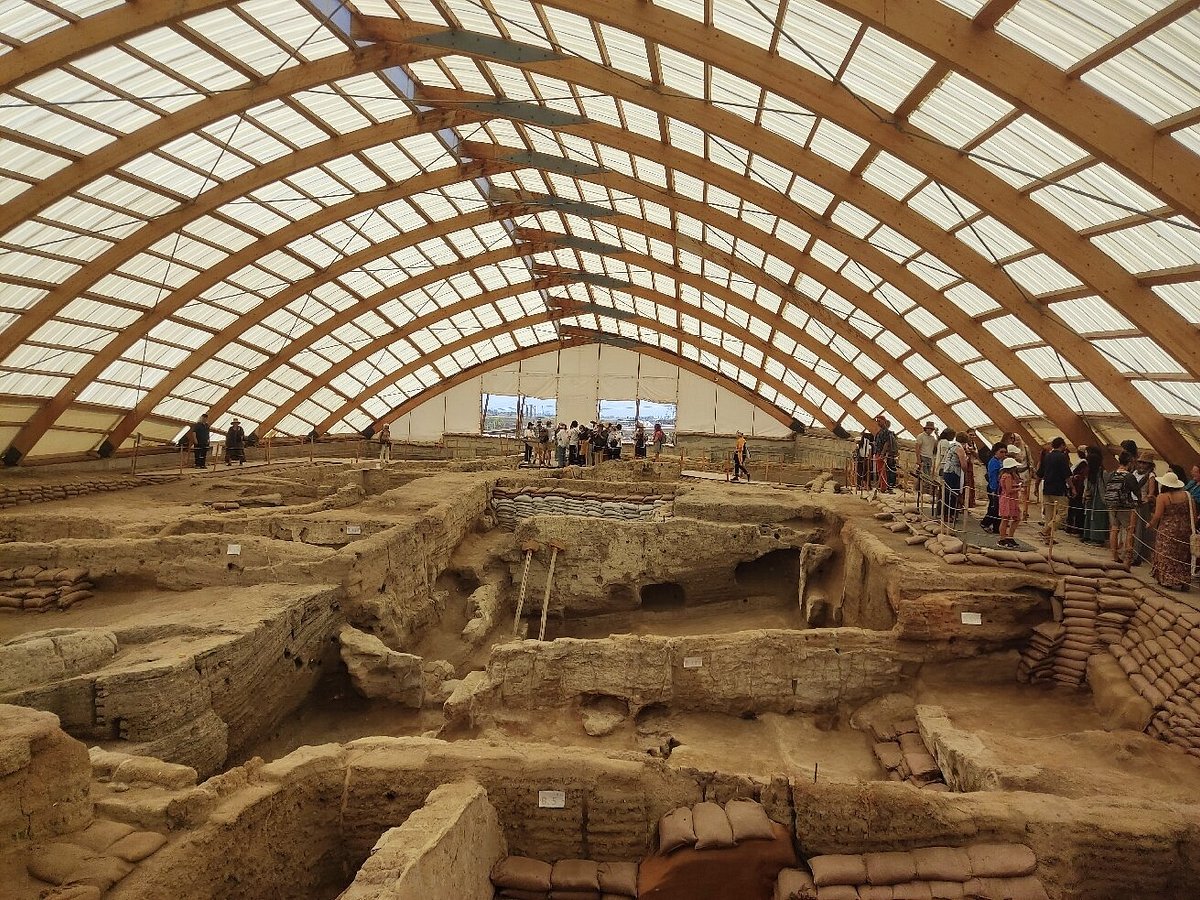
Catal Hoyuk, Anatolia, modern-day Turkey 🇹🇷
Era: Neolithic period, approximately 7400–6200 BCE for the main settlement on the Eastern Mound.
Architectural style: Neolithic vernacular architecture, featuring tightly clustered mudbrick houses, flat roofs, and roof-level entrances.
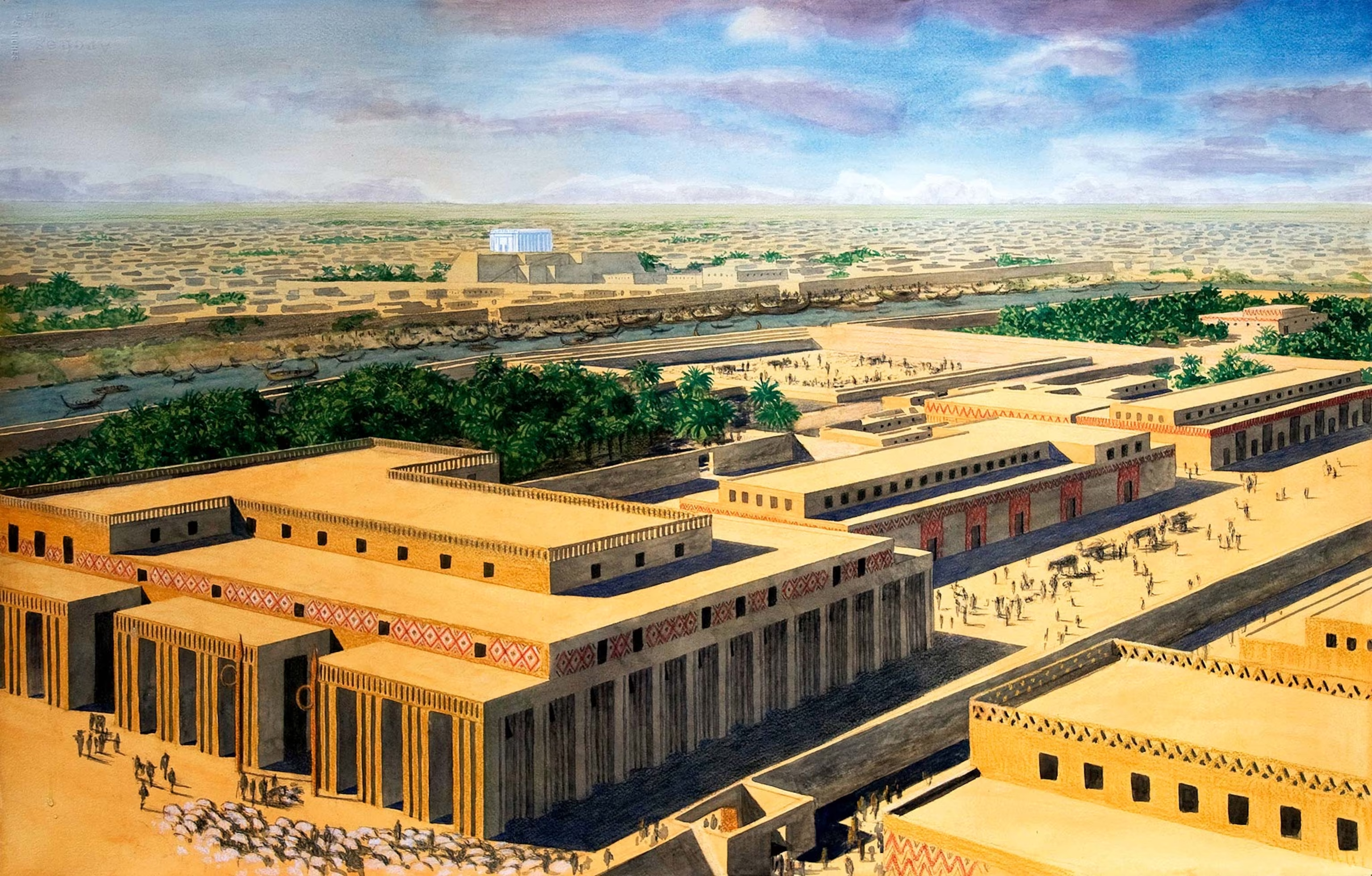
Sumerian Architecture, Mesopotamia 🇮🇶
Era: Primarily c. 4500–1900 BCE, covering the development of Sumerian settlements, city-states, and monumental architecture in southern Mesopotamia.
Architectural style: Ancient Mesopotamian architecture, characterized by mudbrick construction, raised temple platforms, stepped ziggurats, courtyards, and massive temple complexes.

The Great Ziggurat of Ur, Iraq 🇮🇶
Era: Around 2100 BCE, during the Third Dynasty of Ur in the Neo-Sumerian period.
Architectural style: Sumerian monumental architecture, featuring a massive mudbrick core, baked-brick outer facing, tiered platforms, and monumental staircases.

The Great Pyramids of Giza, Egypt 🇪🇬 (2580 BCE)
Era: Old Kingdom of Ancient Egypt, approximately c. 2600–2500 BCE, during the Fourth Dynasty.
Architectural style: Ancient Egyptian royal funerary architecture, featuring monumental geometric forms, carefully aligned stone masonry, internal chambers, and surrounding mortuary complexes.

Pyramid of the Sun, Teotihuacan, Mexico 🇲🇽 (200 CE)
Era: Early Classic period of Mesoamerican history, with construction beginning around the 1st–3rd centuries CE. The city continued to develop until approximately the 7th century CE.
Architectural style: Teotihuacan monumental architecture, featuring stepped tiers, massive earthen and stone construction, and the distinctive talud-tablero style, which alternates sloping surfaces with rectangular vertical panels.

Pyramid of the Moon, Teotihuacan, Mexico 🇲🇽 (200 CE)
Era: Approximately 100–450 CE, built and enlarged through several construction phases during Teotihuacan's development.
Architectural style: Teotihuacan monumental architecture, featuring stepped platforms, sloping talud walls, rectangular tablero panels, and a broad ceremonial plaza.

Temple of the Feathered Serpent, Teotihuacan, Mexico 🇲🇽 (200 CE)
Era: Early Classic period, approximately 150–200 CE, with the temple's construction generally dated to the 2nd century CE.
Architectural style: Teotihuacan monumental architecture, featuring the talud-tablero design, stepped platforms, and elaborate three-dimensional stone sculptures.