AHN term ID Midterm
 Call Kai
 Learn
 Practice Test
 Spaced Repetition
 Match
 Flashcards
 Knowt Play
1/43

There's no tags or description
Looks like no tags are added yet.
44 Terms
Aesthetics
Philosophical theories relating to beauty.
Appropriation
As an artistic strategy, the intentional borrowing, copying, and alteration of preexisting images, objects, and ideas.
Arch
In architecture, curved structural element.
Bird’s-eye view
Incorporating high-level perspective.
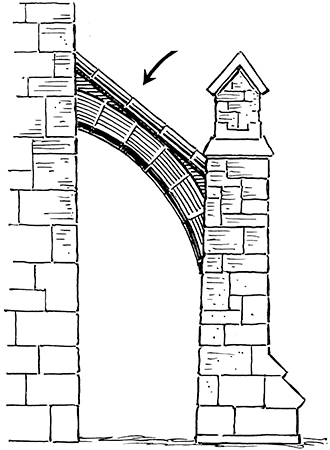
Buttress
Architectural support, consisting of massive masonry against an exterior wall.
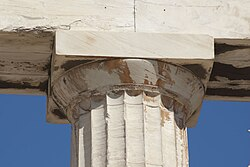
Capital
Sculpted block that tops column.
Chiaroscuro (Italian)
Relative contrast of dark and light in a painting, used to create “depth.”
Clapboard
Thin board with the lower edge thicker than the upper, used to cover exterior of buildings.
Classical
Referring to art and architecture of ancient Greece and Rome.
Column
Architectural element used for support.
Composition
Arrangement of elements in an artwork.
Content
Subject matter, ideas contained in a work of art.
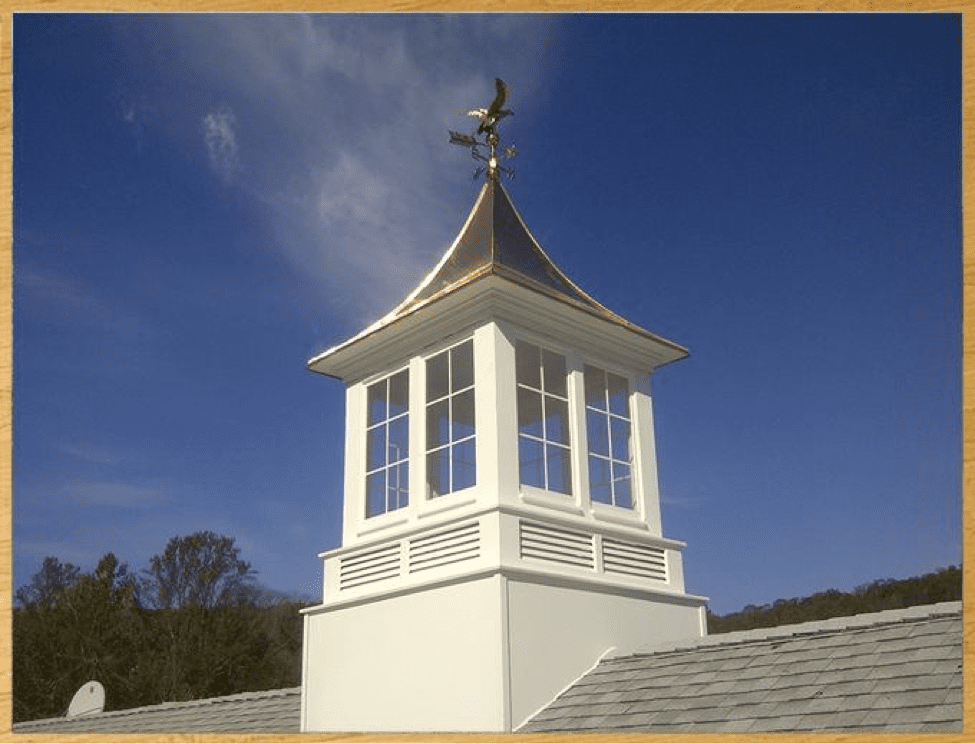
Cupola
A small dome, often crowning a tower on the roof of a building.
Form
Referring to purely visual components – line, color, shape, texture, mass.
Gable
Triangular wall space found on end of wall or building between two sides of pitched roof.
Genre scene
Depicting scenes of everyday life.
Grand Manner
Grand, elevated style popular during Neoclassical period of 18th century, Roman & Greek inspiration.
History painting
Historical, mythological figures generally conveying high moral or intellectual ideas in grand style.
Limner
Untrained, self-taught painter, often anonymous.
Linear, linearity
Indicating emphasis on line as opposed to mass, color.
Materialism
A theory that physical matter is the only or fundamental reality and that all being and processes and phenomena can be explained as manifestations or results of matter.
Medium
Materials from which given work is made.
Memento mori (Latin)
“Reminder of death,” object such as skull, candle symbolizing transience of life.
Motif
Recurring element, theme, or subject in art.
Neoclassicism
Emerged as a Western cultural movement in the decorative and visual arts, literature, theatre, music, and architecture that drew inspiration from the art and culture of classical antiquity.
Non-representational
Any artwork of abstract nature, not attempting to reproduce natural world.
Oculus
In architecture, a circular opening, usually found as windows or at apex of a dome.
Oil painting
Executed with pigments floating in a medium of oil.
Painterly
Style of painting that emphasizes techniques and surfaces effects of brushwork.
Pedestal
Platform or base supporting sculpture.
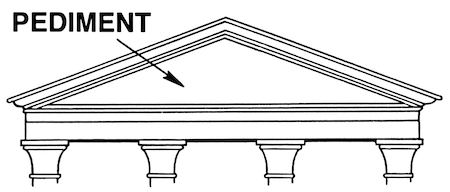
Pediment
Triangular gable in classical or neoclassical architecture.
Perspective
System for representing three-dimensional space.
Picture plane
Theoretical spatial plane corresponding with actual surface of painting.
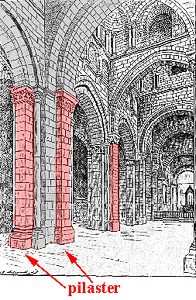
Pilaster
In architecture – engaged column, used for decoration, not for structural support.
Portal
Grand entrance, door, or gate, usually to an important building.
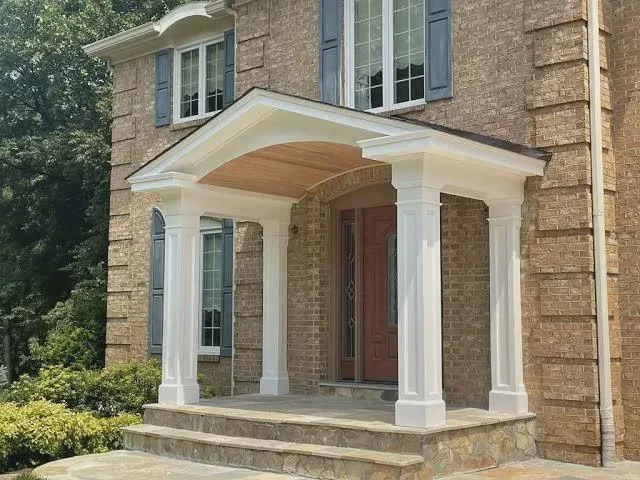
Portico
In architecture, a projecting roof or porch, supported by columns.
Post-and-lintel construction
In architecture, system of construction with two vertical elements supporting one horizontal element.
“Race”
Idea that the human species is divided into distinct groups on the basis of inherited physical and behavioral differences. Genetic studies in the late 20th century refuted the existence of biogenetically distinct races, and scholars now argue that “races” are cultural interventions reflecting specific attitudes and beliefs that were imposed on different populations in the wake of western European conquests beginning in the 15th century.
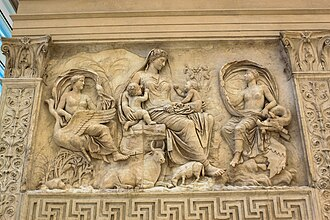
Relief sculpture
Sculpted image or design whose flat background surface is carved away to a certain depth.
Sculpture in the round
Three-dimensional sculpture, carved free of any attaching background or block.
Stained glass
Decorative process in glassmaking by which glass is given a color, often used in windows.
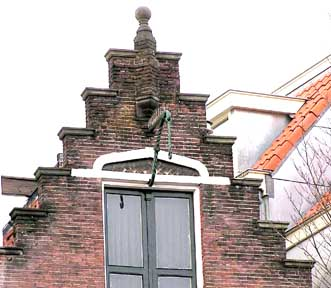
Stepped gable
Gable or end of roof that has the form of descending steps along its diagonal sides.
Style
Particular manner, form, or character of representation, construction, or expression typical of an individual artist or of a certain school or period.
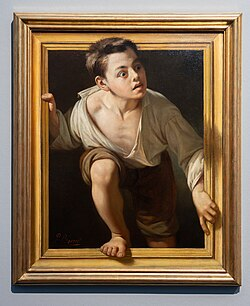
Trompe l’oeil
“Trick the eye,” highly realistic illusion of reality in painting, re-creating of natural space.