Histology + Integumentary System
 Call Kai
 Learn
Learn Practice Test
 Spaced Repetition
 Match
Match Flashcards
 Knowt Play
1/56

There's no tags or description
Looks like no tags are added yet.
Name | Mastery | Learn | Test | Matching | Spaced | Call with Kai | Chat |
|---|
No analytics yet
Send a link to your students to track their progress
57 Terms
Epidermis
composed of stratified squamous, epithelium arranges itself into 4 or 5 layers

Dermis
thicker middle layer made out of dense fibrous connective tissue, regulates body temperature
Hypodermis
deepest layer, well innervated
Smooth
nonstraited cells involuntary uninucleate

Cardiac
striated cells, involuntary uniucleated

Skeletal
striated cells, voluntary multinucleate
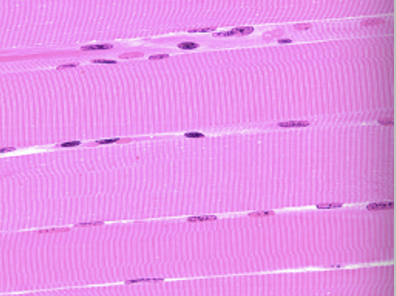
muscle tissue
contractile
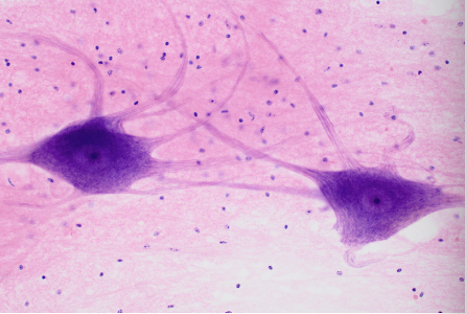
Nervous tissue
specialized to carry electrical signals called action potentials, made up of neurons
Blood cells
suspended in fluid matrix

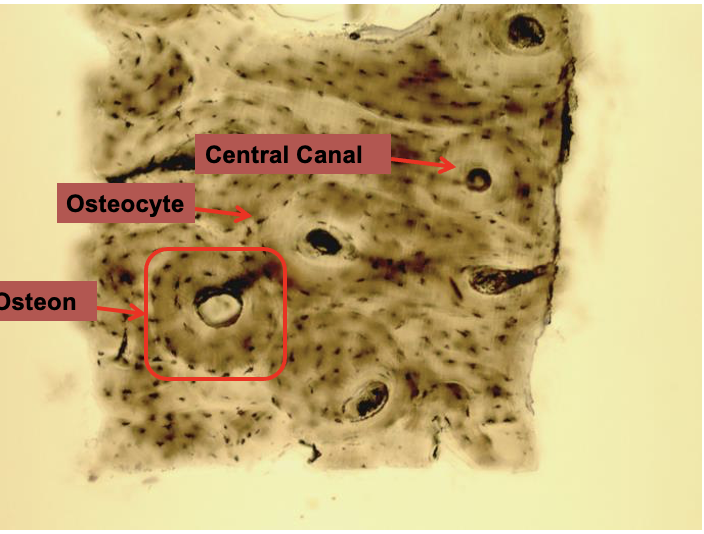
bones
vascular and heals rapidly, produce osteocytes
Elastic Cartilage
epiglottis in throat, so many fibers

Fibrocartilage
intervertebral discs, pubic symphysis, tiny fibers
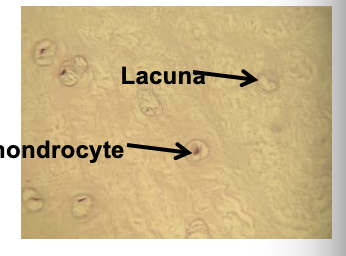
Hyaline Cartilage
nose, trachea, ribers, no fibers

Cartilage
avascular and lacks nerve fibers
loose connective tissue
vascular with nerves: areolar, adipose
Dense Irregular
random arrangement of fibers: e.x. most dermis of skin, for strength

dense regular
primarily made up of collagen: e.x. tendons, ligaments, for attachment of muscles to bones

Dense Connective Tissue
avascular and no nervous input, fibroblasts: dense regular and irregular
Adipose
closely packed fat cells: e.x. under skin, around kidney, for cushioning and insulation

Areolar CT
has all 3 fiber types, for anchoring skin to underlying tissues and anchoring tissues tgt

Fluid Connective Tissue
has a liquid extracellular matrix: e.x. blood and lymph
Glycosaminoglygans
help to hold water
Hyaluronic Acid
large unbranched polysaccharides, makes certain connective tissues very slippery
Proteoglycans
aid in water retention by connective tissue makes CT able to withstand pressure
Ground Substance
gel-like material that fills the space between cells and fibers of connective tissues
Reticular Fibers
web between tissues, in lymphoid organs

Connective Tissue Proper
loose and dense connective tissue
Elastic Fibers
can be stretched and return to original shape: in lungs, large blood vessels

-elasts
destroy
3 major components of CT
Protein Fibers, 2. ground substance of nonfibourous proteins, 3. fluid
Collagen Fibers
strong but inflexible: in tendons, ligaments, and bones

-cytes
mature
-blasts
build
Connective Tissue
develop from embryonic tissue called mesenchyme
Transitional
Relaxed-cubodial, Stretch- squamous: e.x. bladder, urethra, allows stretching as it fills

Sqamous
flat, scale like cells, for diffusion
Characteristics of Epithelial Tissue
avascular but innervated, regeneration, location (surface)
Hemidemosomes
connect cells to basement membrane

Epithelial Tissue
Mose abundant, lines all body cavities:e.x. extracellular matrix, desmosome, tight junction, Polarity: free surface
Cuboidal
cube cells, to secret or absorbs substances
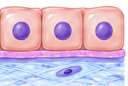
Columnar
tall, skinny, rectangular cells, for secretion or absorption

Stratified Columnar
layers of rectangular cells: e.x. large ducts of gland, kidney, for protection

Stratified Cubodial
cube-shaped cells in multiple layers: e.x. sweat glands, ovary follicle, mammary glands, for protection and secretion

Simple
1 layer thick, for diffusion, filtration, secretion, absorption

Supporting Connective Tissue
bone and cartilage
Tissues
composed of groups of specialized cells working together to perform specific functions
Basement Membrane
where cells are attached to at bottom
Tight Junctions
ties cells together
Simple Squamous
single cell layers: e.x. capillaries, endothelium, alveoli, for diffusion and filtration
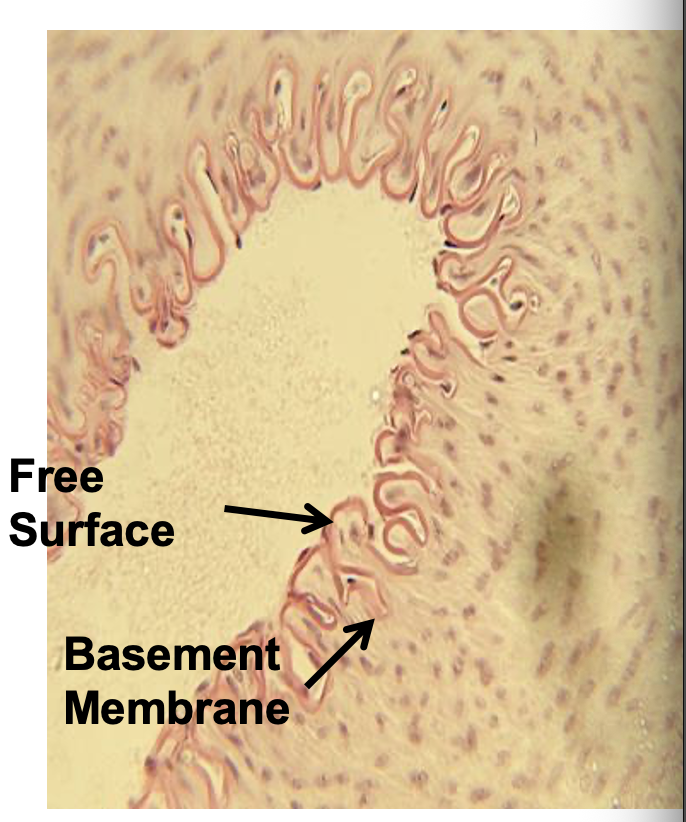
Stratified
many layers, protection
Simple Columnar
single-layer column shaped: e.x. lines digestive tract, uterus tubes, for secretion of mucous (contains goblet cells)

Stratified Squamous
multiple layers of flat cells:e.x. esophagus, mouth, anus, epidermis, for protection against abrasion

Simple Cubodial
single layer cube shaped: e.x. ducts of kidneys, surface of ovaries, for absorption, active transport

Pseudostratified
all cells touch basement membrane, looks multilayers: e.x. respiratory tract, male urethra, for specialized goblet cells, release mucous that coat passage ways

Dendrites
receive electric signals and send them towards the cell body
Cell Body (soma)
site of general cell functions
Axon
conduct action potentials away from the cell body