art history names and titles part 2
 Call Kai
 Learn
 Practice Test
 Spaced Repetition
 Match
 Flashcards
 Knowt Play
1/104

There's no tags or description
Looks like no tags are added yet.
105 Terms
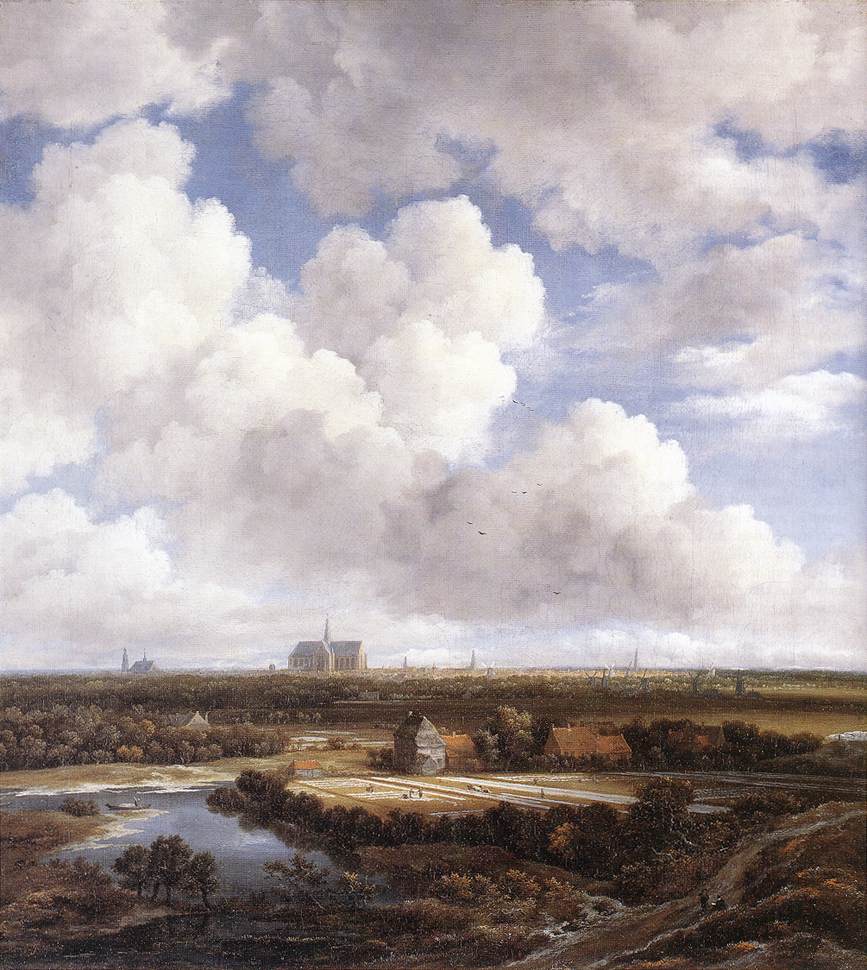
View of haarlem from dunes at overveen jacob van ruisdael 1670
Vanitas
vanity of human desires, human aspiration, from quote everything in life will go away so focus on religious, comes from the bible
jewish cemetery Jacob van ruisdael,1653-1655:

View of delft Johannes vermeer 1661

Woman holding a balance johannes vermeer 1664

Allegory of the art painting, johannes vermeer, 1670-1675

Vanitas still life Pieter claesz 1630

Still life with a late ming ginger jar, willem kalf 1669

Flower still life, 1700 Rachel ruysch

Louis xiv, hyacinthe rigaurd, 1701

garden of versailles 1669

Galerie des glaces (hall of mirrors) 1680

Et in arcadia, nicolas poussinn, 1655

Hanging tree, from the miseries of war, jacques callot, 1629

Pilgrimage to cythera, antoine wateau, 1717

The swing, jean-honore fragonard, 1766

Self portrait elisabeth louise vigee 1790

Oath of the horatii, jacques-louis david, 1784

Death of marat, jacques-louis david, 1793

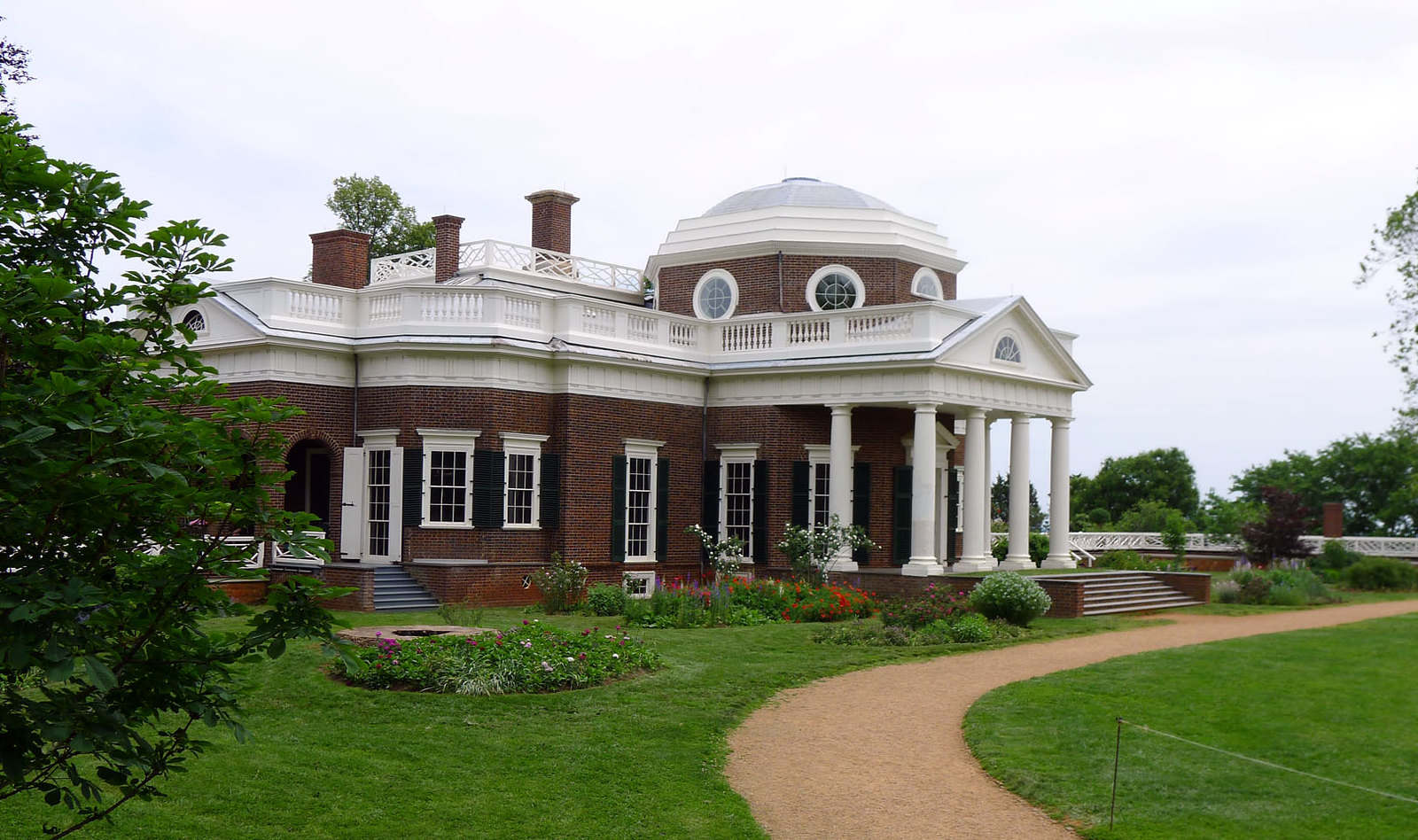
Monticello, thomas jefferson, 1770
The pilgrimage church of vierzehnheiligen (fourteen saints) neumann 1743

Rotunda and lawn, thomas jefferson, 1826

Napoleon crossing the saint bernard pass, Jacques-lous david, 1800-1801

Napoleon on his imperial throne, ingres 1806

La Grande Odalisque Ingres, 1815

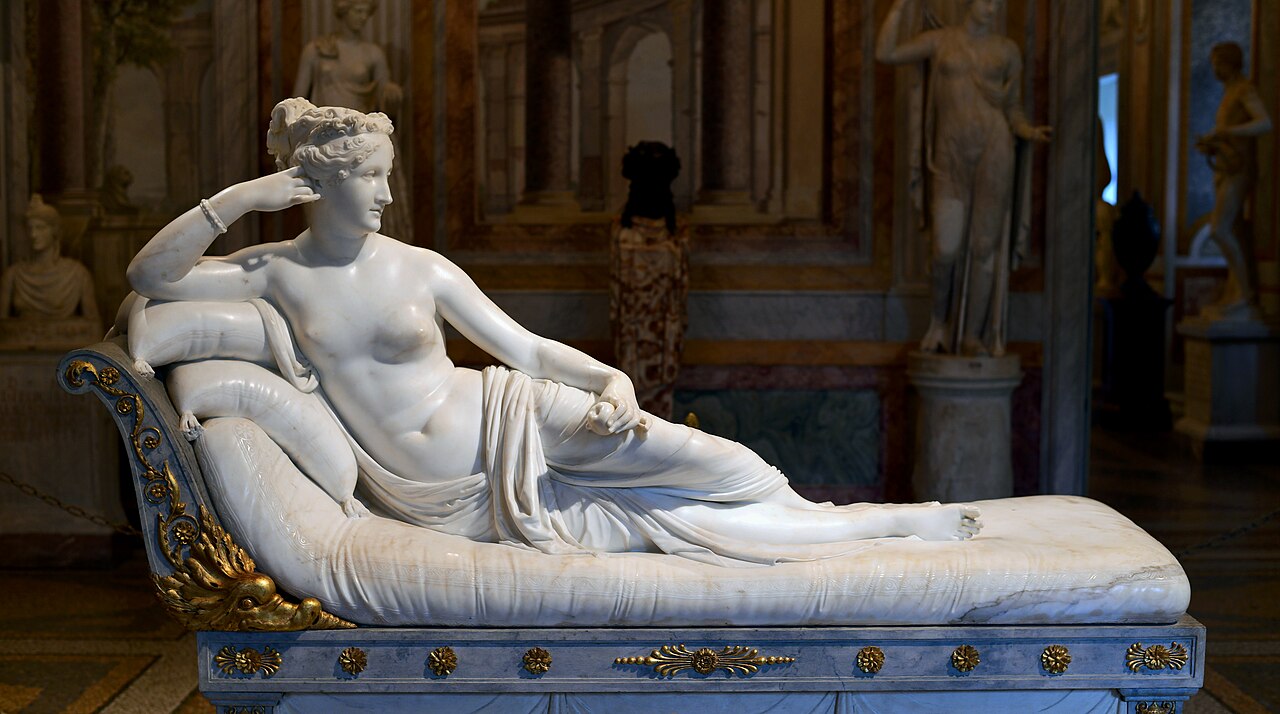
Canova antonio, pauline borghese, as venus victorious 1808
Cupid and psyche, canova, 1787-1793

Ancient of days william blake, 1794

The stone breakers, 1849, courbet

third of may, goya,1814-1815

twilight in the wilderness edwin church 1860s

Veteran in a new field, Winslow homer 1865

The gross clinic, thomas eakins 1875

The daughter of edward darley boit, john singer sargent, 1882

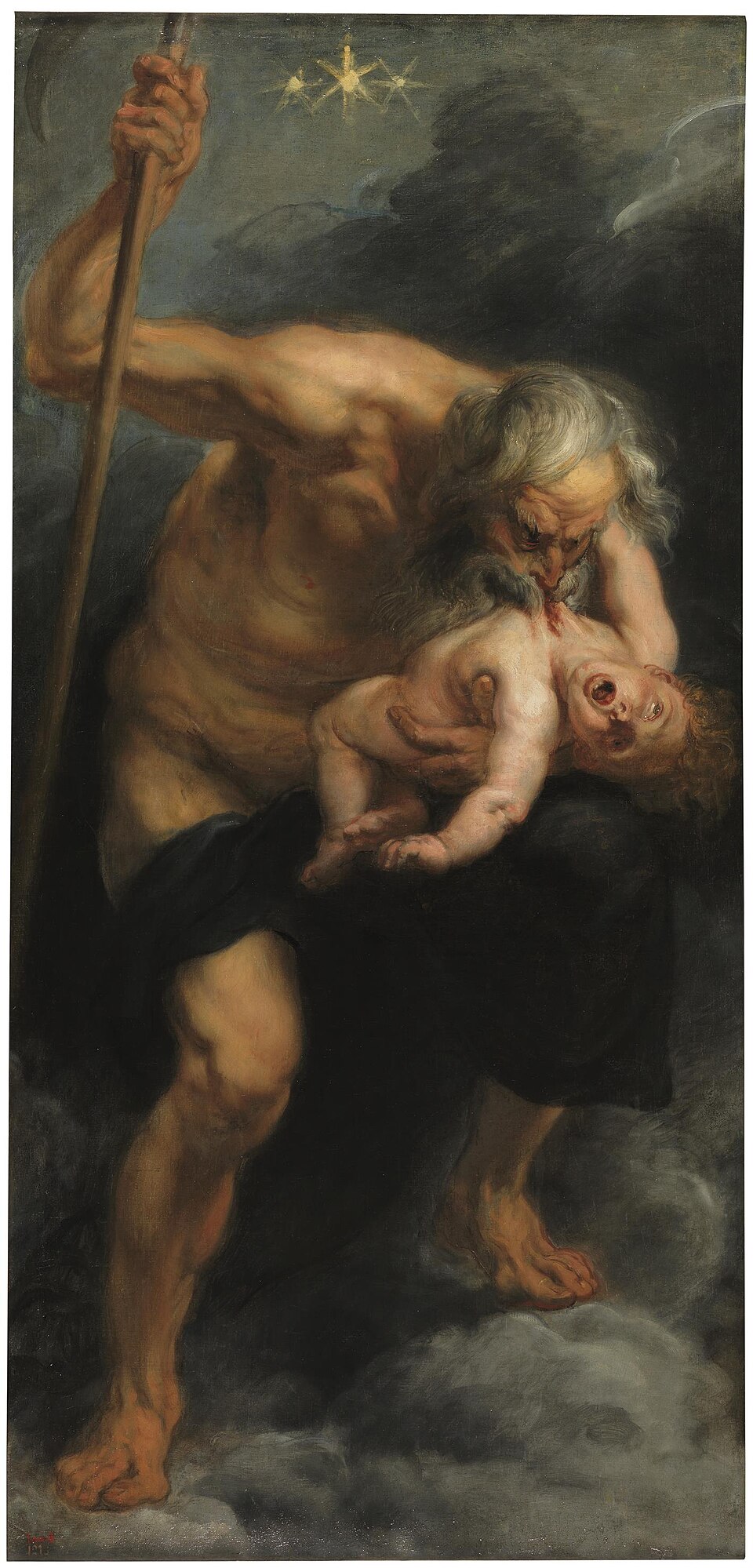
Saturn devouring one of his children, goya 1819-1823,

Raft of the medusa, theodore gericault 1818-1819

Death of sardanapalus eugene delacroix 1827

The slave ship, william turner 1840

Wanderer above a sea of mist, caspar david friedrich 1818

Among the sierra nevada mountains california albert bierstadt 1868:

Romantic sublime
an aesthetic idea in which encounters with vast powerful or terrifying nature or overwhelming forces produce a mix of awe fear and exhilaration, making the reader feel both small and intensely alive, and suggesting realites beyond ordinary reason or ordinary
Impressionism
birth of modern art, started 1875
Thought it was horrible
American were the clients, they liked it more than the french
Impression: sunrise, claude monet, 1872

Saint lazare train station, monet, 1877:

Claude monet in his studio boat, Edouard manet, 1874

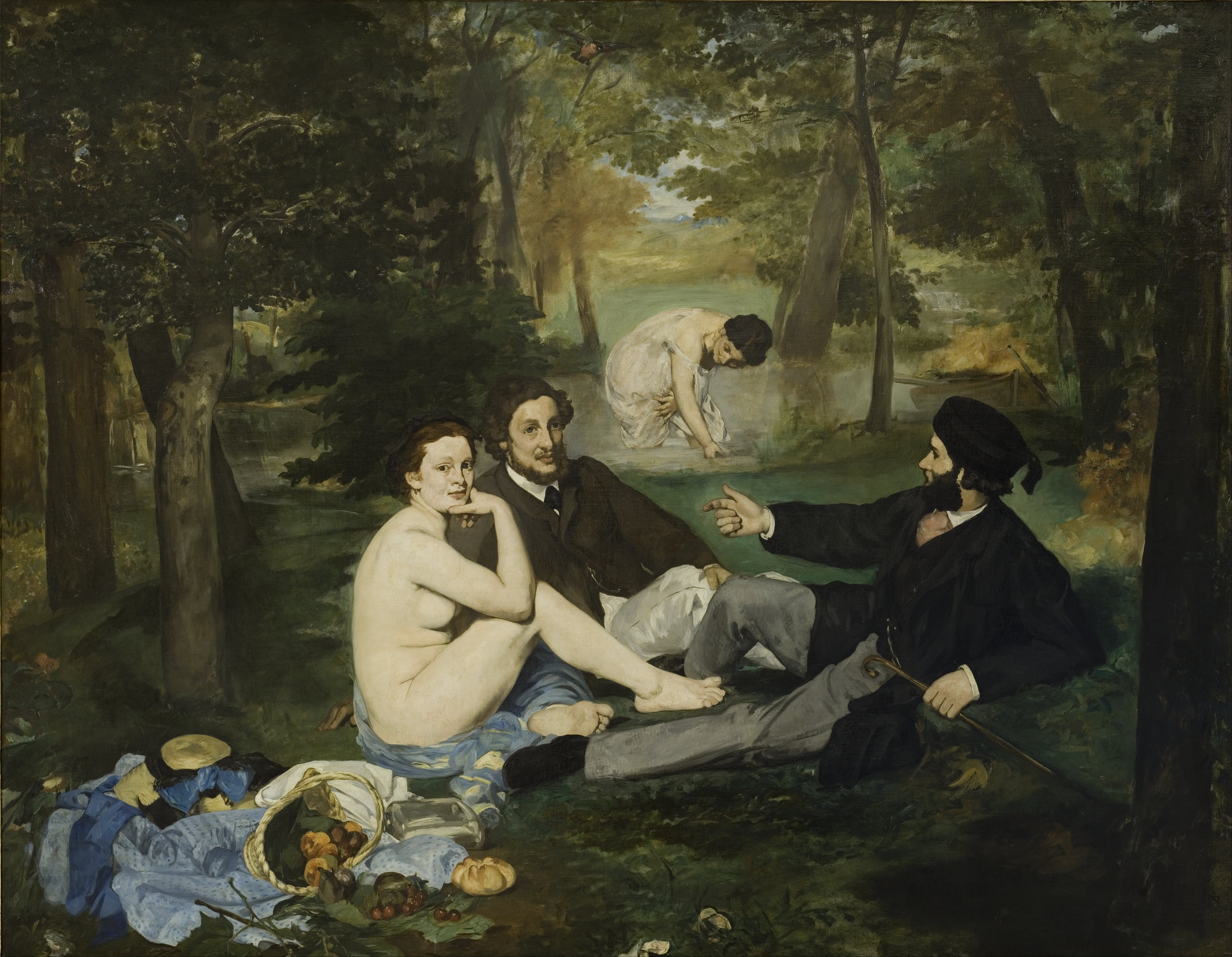
luncheon on the grass manet, 1863
Olympia manet, 1863

A bar at the folies-beregres manet, 1882

The tub, edgar degas 1886

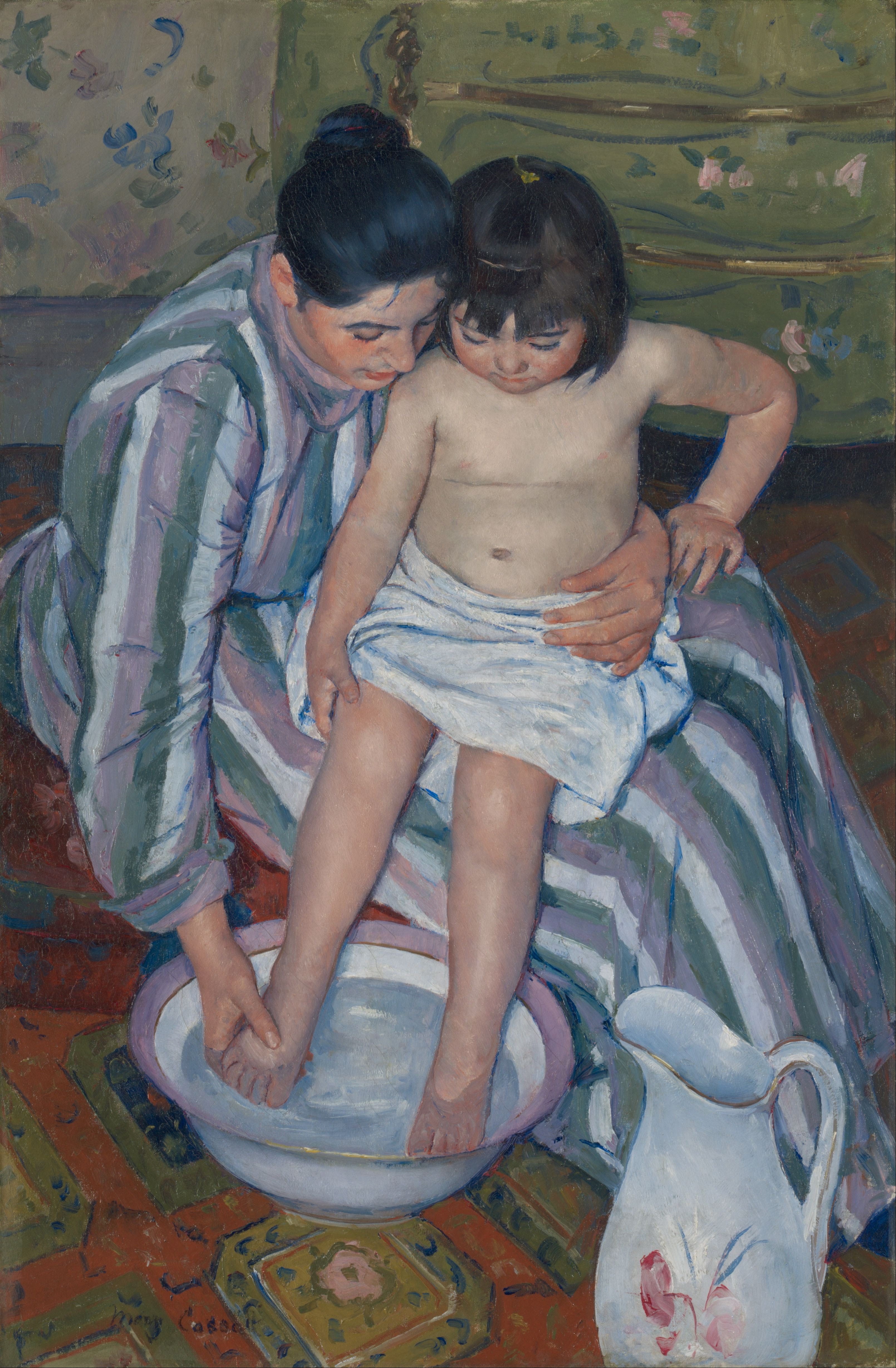
The child’s bath, 1893, Mary cassatt
Detail of two women at the bath 1780, torii kiyonaga

Japonisme:
Flattened space and asymmetrical composition
Inspired painters such as Edgar Degas to abandon traditional Western perspective. Compositions became more cropped, off-center, and spatially flattened
Bold outlines and areas of unmodulated color:
The clear contours and flat color planes of ukiyo-e prints encouraged artists like Édouard Manet to simplify forms and reduce modeling, moving away from academic shading.
Unconventional viewpoints and cropping
Dramatic angles—figures cut off at the edge, elevated or oblique perspectives
Focus on everyday life and fleeting moments:
Like ukiyo-e depictions of urban pleasure districts and seasonal scenes, Parisian artists (including Mary Cassatt) embraced intimate, contemporary subjects—women at leisure, theater scenes, and domestic life.
American romanticism:
1.Nature as sublime and spiritual: vast wilderness (mountains, forests, storms) presented as awe-inspiring and morally/
spiritually charged.
2.National identity and landscape: landscapes used to define an American sense of place—frontier, expansion, and the
idea of a “new world.”
3.Individualism and self-reliance: emphasis on the independent self, personal conscience, and the heroic or solitary figure
(linked to Transcendentalism).
japonaiserie: flowering plum tree Vincent van gogh 1888

Night cafe Vincent van gogh1888

Starry night vincent van gogh 1889

Where do we come from? What are we? Whereare we going? Paul guaguin 1897

Basket of apples paul cezanne 1895

Mont sainte victoire Paul cezanne 1902-1904

The scream Edward munch 1893

The cyclops, odilon redon, 1898

Symbolism
visble world only shows the surface, by creating things with sharp colors and line they indue to the deeper meaning of the world, europeans now interested in occult so what lines beneath the surface color and images are deeply symbolic, interested in the supernatural.
The thinker, Auguste rodin, 1880-1881

Walking man auguste rodin, 1905

Burghers of calais auguste rodin, 1884-1889

The gates of hell: auguste rodin, 1880-1917

Expressionism:
emphasis on express feelings and emotion compare to impressions emphasis on the world overlaps with symbolism
Art nouveau
Art Nouveau (French for "New Art") is an
international style of art, architecture, and applied art popular between 1890 and 1910,
characterized by sinuous, asymmetrical flowing lines based on organic forms. It aimed to unify fine and decorative arts, often featuring stylized nature motifs like vines, insects, and flower petals to create a "total work of art"
The kiss Gustav klimt 1907-1908

Arts and Crafts to Art Nouveau
Sinuous, curving lines: Flowing, undulating lines inspired by vines, waves, and organic movement create a sense of rhythm and dynamism.
Nature as primary inspiration: Motifs drawn from plants, flowers, insects, and the female body are stylized into elegant, often abstract patterns.
Unity of the arts (total design): Artists and designers sought to integrate architecture,furniture, textiles, and graphics into a cohesive aesthetic environment.
Emphasis on decoration and surface:Ornament is not secondary but central—covering surfaces with intricate, often repetitive patterns.
Stylization over realism: Forms are flattened, elongated, and abstracted, prioritizing design, line, and mood over naturalistic representation.
Total design
rooms where everything is decorited, because everything outside was ugly
Green dining room south kensington museum, william morris, 1867

Water lily table lamp, Louis comfort tiffany, 1904-1915

casa mila, Antonio gaudi , 1907 (barcelona spain):

Fauvism
Fauvism was a short-lived, early 20th-century art movement (roughly 1904–1908) in France known for using intensely vivid, non-naturalistic color and bold, expressive brushwork. Led by Henri Matisse and André Derain, these "wild beasts" (les fauves) broke from traditional painting
to prioritize emotional, subjective expression over realistic representation
Didnt respect traditional rules: anatomy, color
Everyone hated it
Critic gave the name
the joy of life Henri matisse, 1905-1906

Photograph of pablo picasso in his studio in the rue ravignan, frank gelett burgess, 1908:

cubism
broke away from copying nature, opting to reduce subjects into flattened, fragmented, and abstract shapes, emphasizing the 2D surface of the canvas.
Multiple Perspectives: Instead of one static viewpoint, objects are shown from the front, side, and back simultaneously, resembling a "dissected" or "analyzed" image
les demoiselles d’avignon, pablo picasso, 1907

Primitivism
in Gauguin and Picasso was a reaction against industrialization by adopting styles, motifs, and techniques from non- Western or pre-industrial cultures (African, Oceanic, Iberian). Gauguin sought a spiritual, "primitive" paradise in Tahiti to reject Western materialism, often romanticizing and exploiting local culture. Picasso used African and Iberian masks to break from Western realism, prioritizing raw power and abstraction
Perspectivism
unifying multiple perspectives in one piece of art.
Still life with chair-caning pablo picasso 1912

Champs de mars (the red tower) robert delaunay, 1911

Orphism (orphic cubism)
is an early 20th century movement (1912-1914) characterized by the use of vibrant, non representational color, luminous discs, and dynamic geometric planes. It emphasizes lyrical abstraction and color harmony, often described as visual music.
Improvisation 28, vassily kandinsky, 1912

Fate of the animals, franz marc, 1913

Futurism:
a radical early 20th century Italian art and social movement (founded 1909) that rejected traditional historical art to celebrate the speed violence , machinery and energy of the modern industrial city. It utilized fragmented forms (influenced by cubism) to depict movement and simultaneity.
All in favor of the war
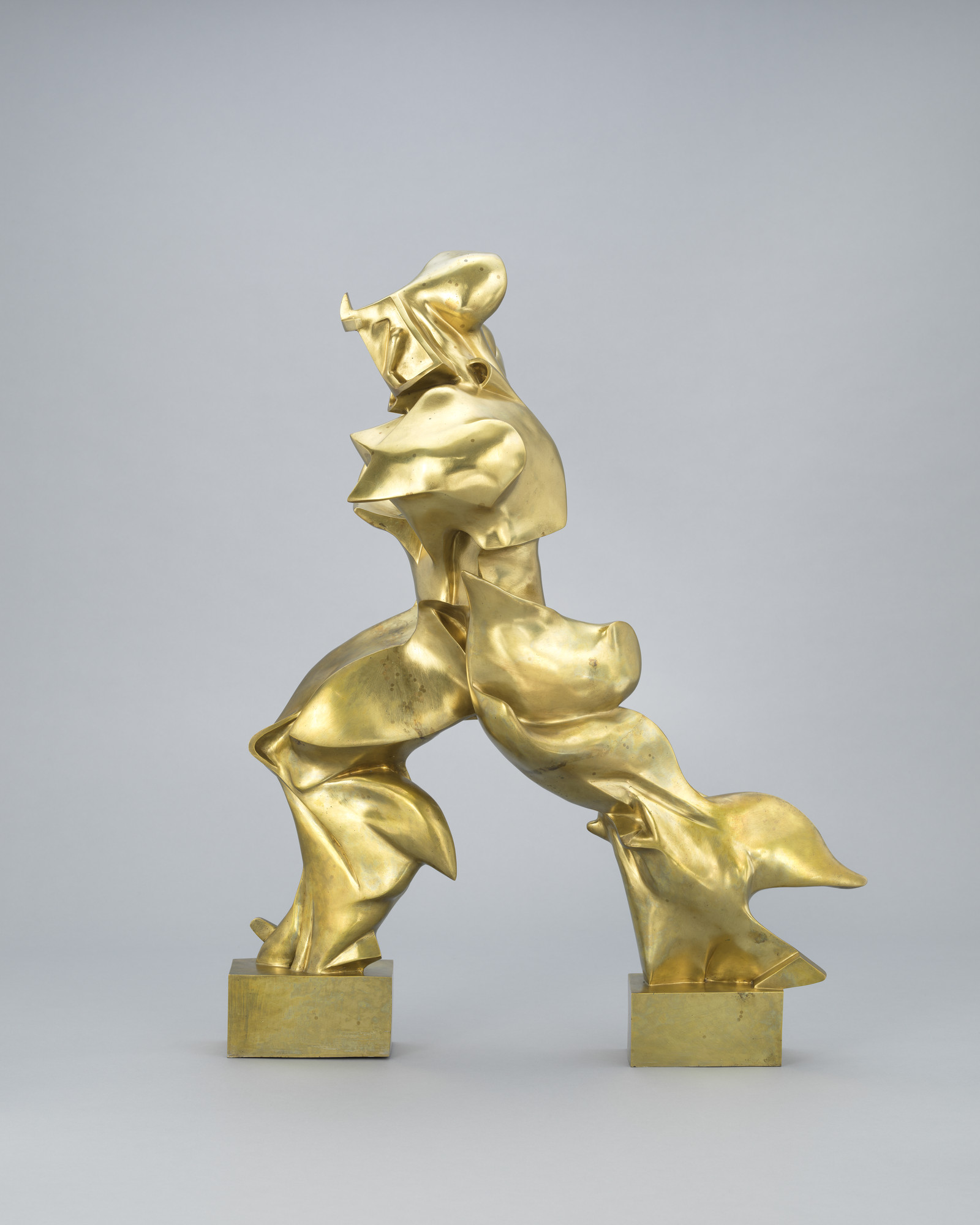
Unique forms of continuity in space, Umberto boccioni, 1913,
German expressionism:
peaking in 1910-1920 that priorized subjective emotion over objective reality. Emerging largely in germany as a reaction against modernization, wwi it used distorted forms unnatural colors and sharp angular lines to convery feelings of anxiety fear and soceital isolation
Night, max beckmann 1918:

The war, otto dix 1930

Dada (1916-1924)
rejected traditional aesthetics logic and capitalist culture in response to the horrors of world war 1. It embranced absurdity irrationality and anti art, techinques like collage and readymades to mock society and question the definition of art
Movement of no nationality
First anti war movement
Mocks high art
Cut with the kitchen knife dada , hannah hoch, 1919-1920

L.H.O.O.Q, Marcel duchamp, 1919

Fountain, marcel duchamp, 1917

The persistence of memory Salvador dali 1931

Surrealism
•Dreamlike imagery – scenes that resemble dreams or nightmares rather than everyday reality.
•Unexpected juxtapositions – unrelated objects or ideas placed together in strange combinations.
•Unconscious mind – interest in hidden desires, instincts, and thoughts influenced by psychology.
•Distortion of reality – altered scale, warped forms, floating objects, or impossible spaces.
•Automatic or spontaneous creation – drawing or painting with minimal conscious control to access
deeper imagination.
comesout of dada but more on the unconious side
the treachery of images, rene magritte, 1928

rubens saturn 1636