AR105
 Call Kai
 Learn
 Practice Test
 Spaced Repetition
 Match
 Flashcards
 Knowt Play
1/35

There's no tags or description
Looks like no tags are added yet.
36 Terms
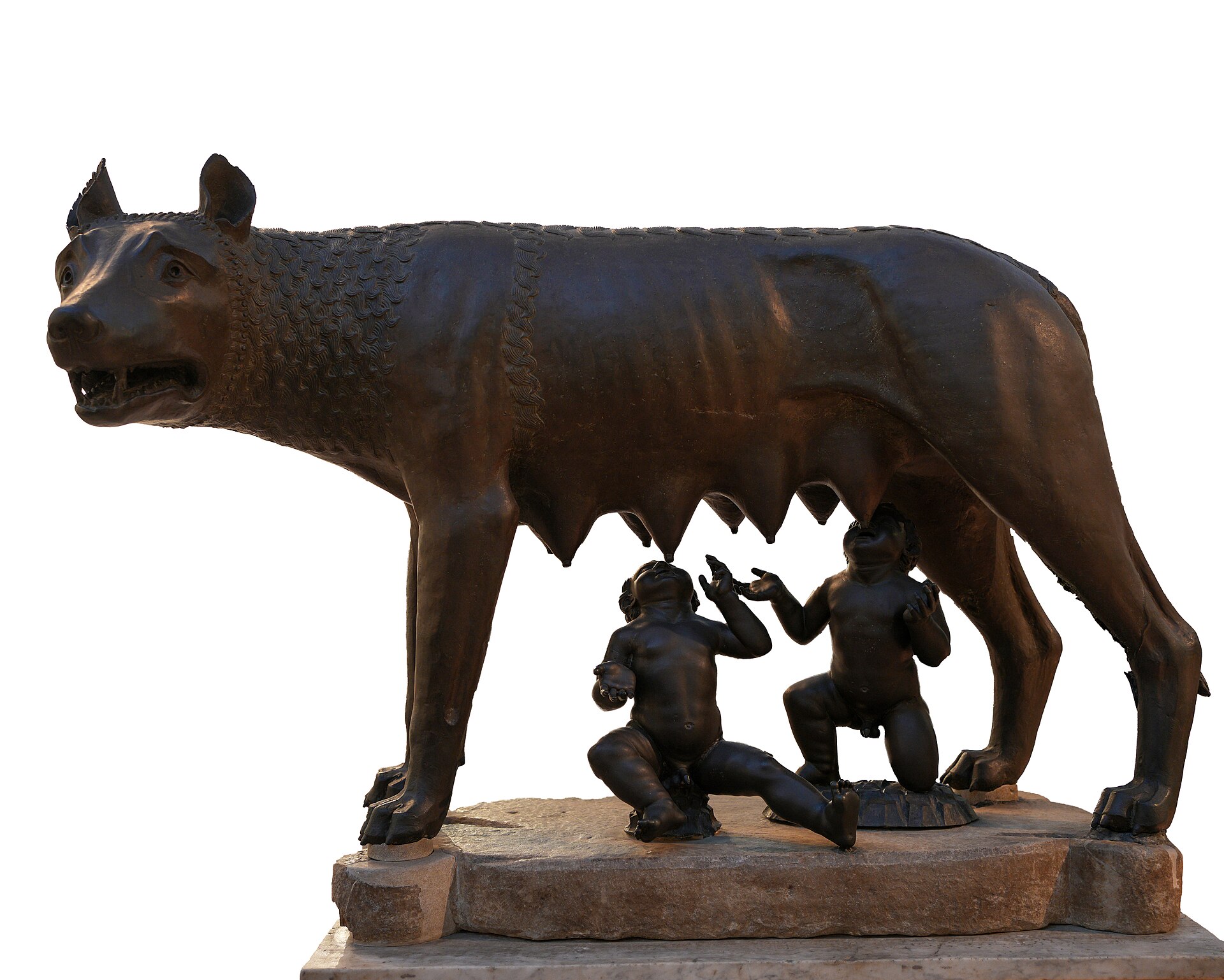
The Capitoline Wolf with Romulus and Remus
A bronze wolf statue made in ancient Rome
Twins Romulus and Remus are added later in the Renaissance
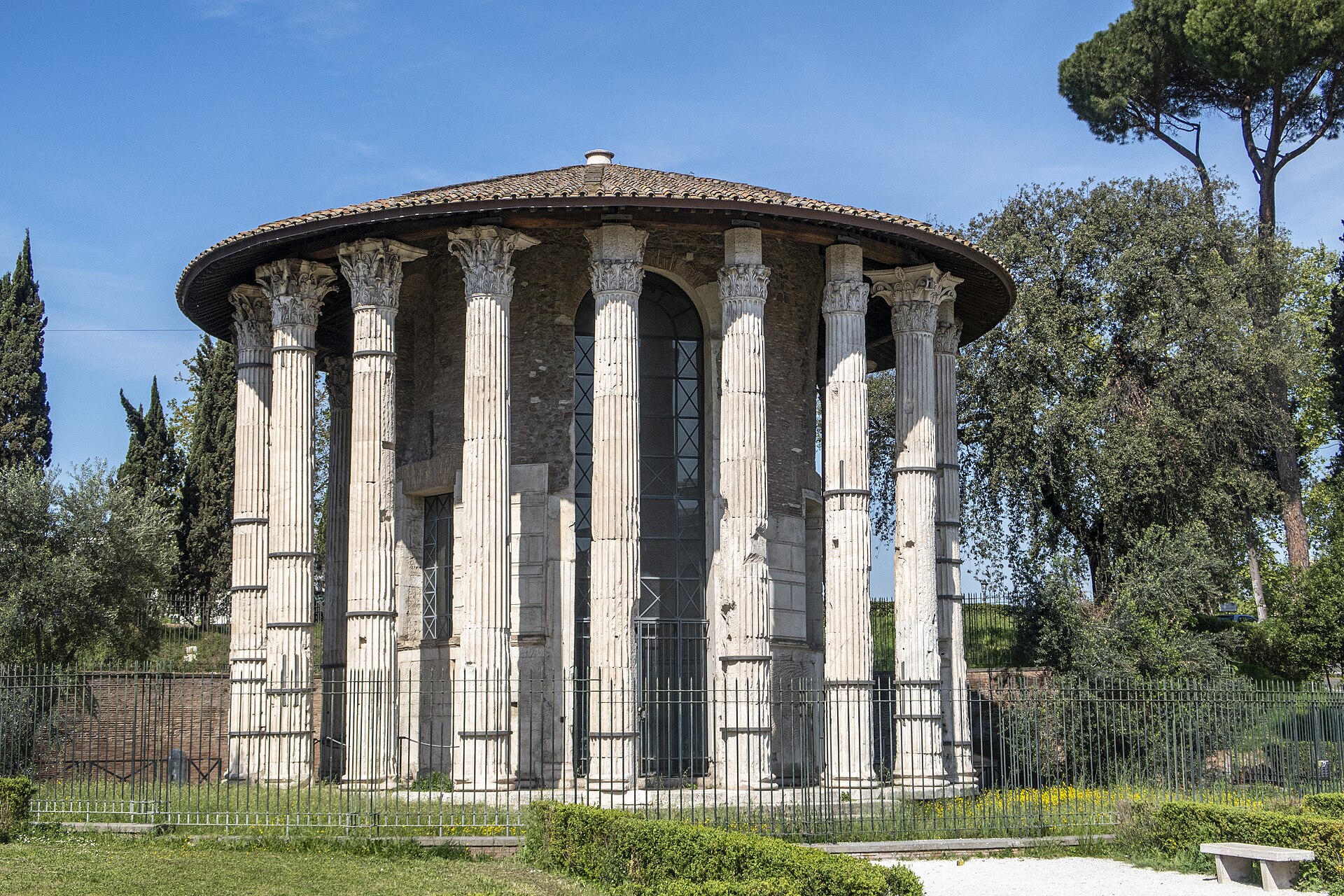
Temple Of Hercules Victor
It is Round/Tholos type
Corinthian Columns
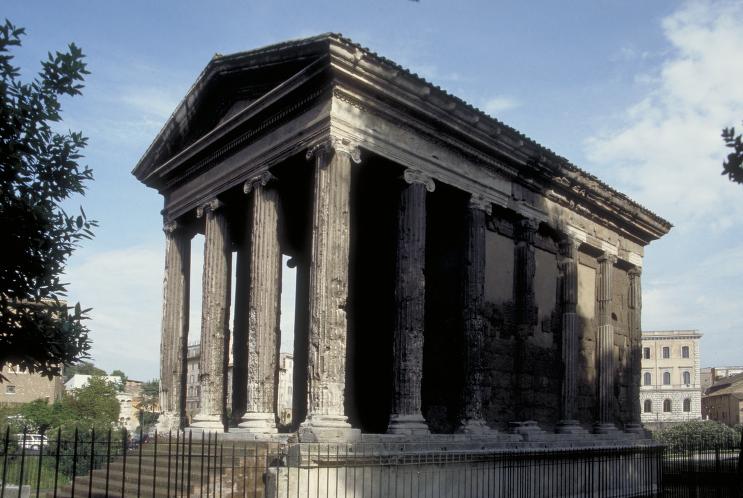
Temple Of Portunus
Greek Ionic Colums, they serve no structural purpose
It sits on a podium
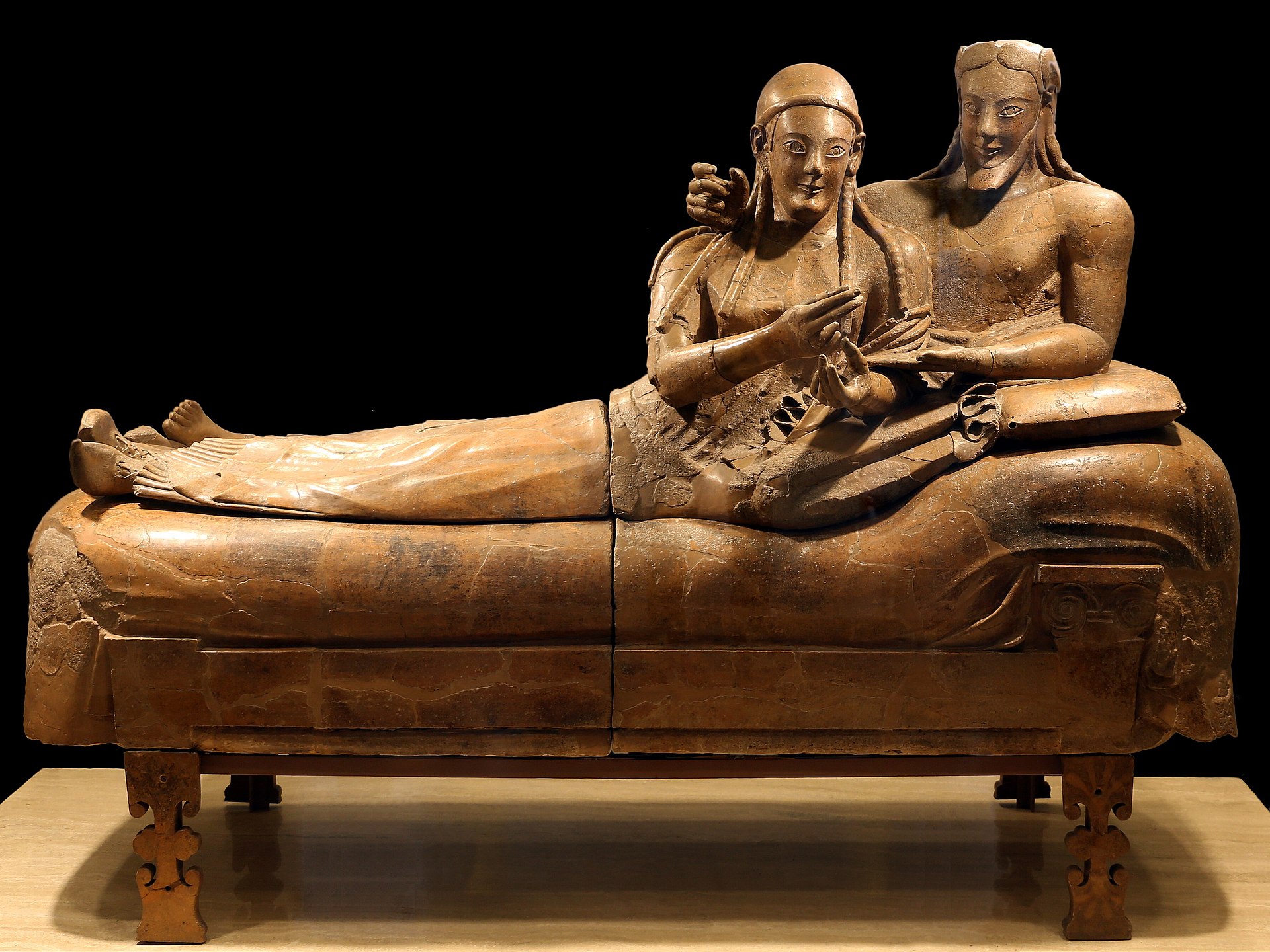
Tomb of the Spouses
Etruscan
Part of a Sarcophagus
Identify as Sarcophogus of the Spouses \
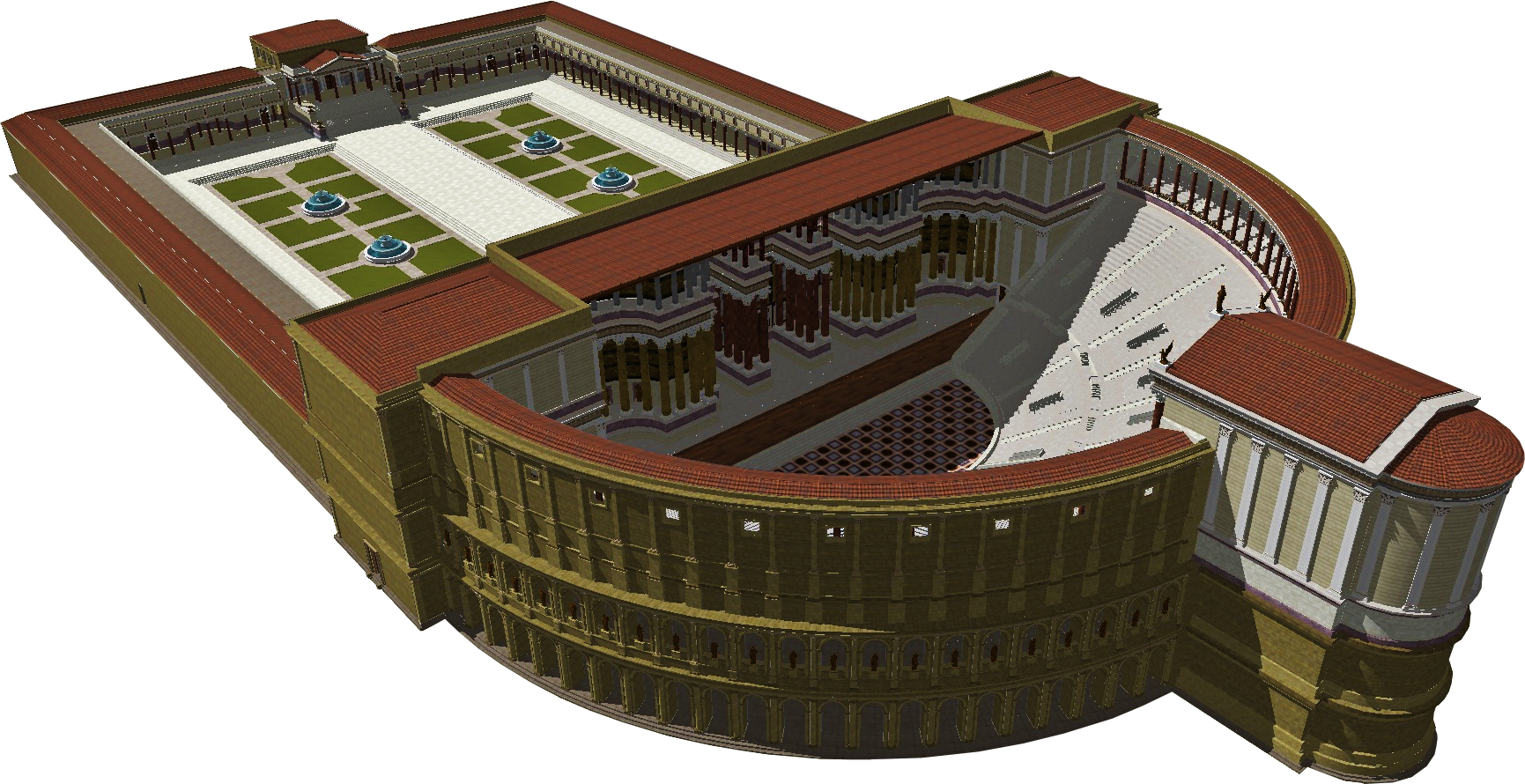
Theatre of Pompey
Used as a theatre and temple
Location of Julius Caesers assasination
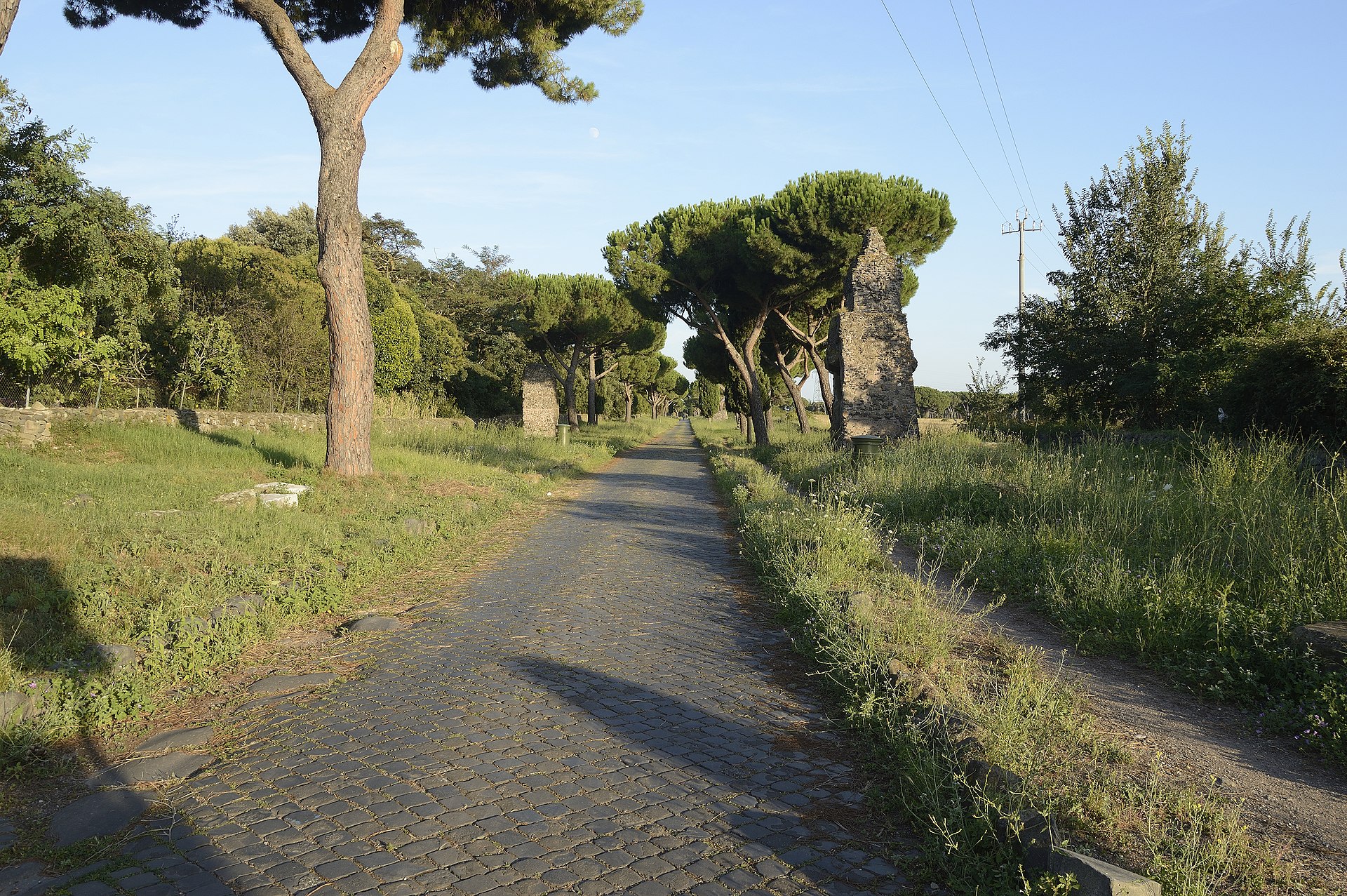
Appian Way
Mid Republic
Rome’s first major highway, which expanded trade and allowed for the trasnportation of troops
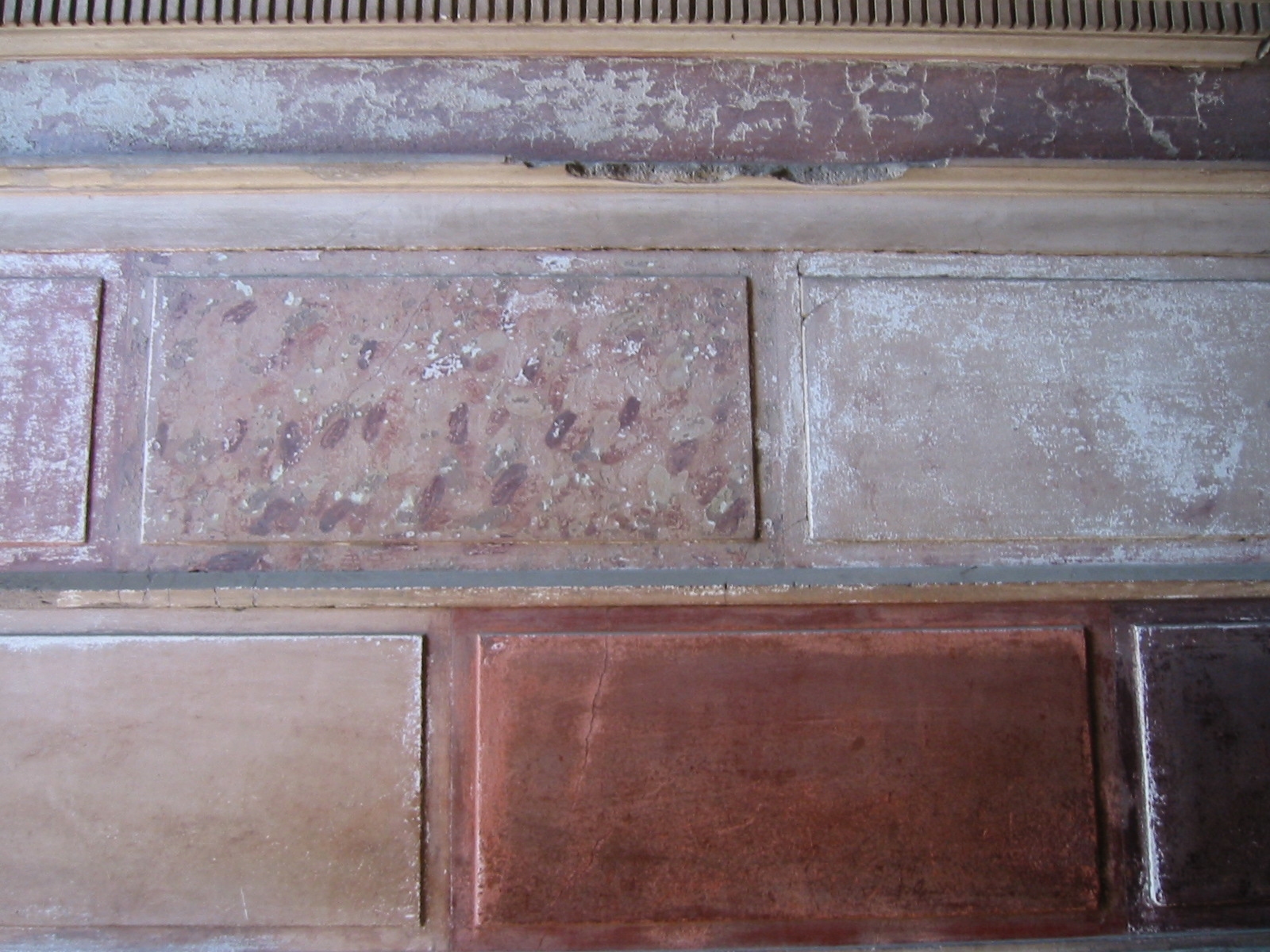
Herculaneum Wall 1
First Style of wall painting
Trompe L’oeil: A visual trick which makes flat surfaces look three-dimensional.
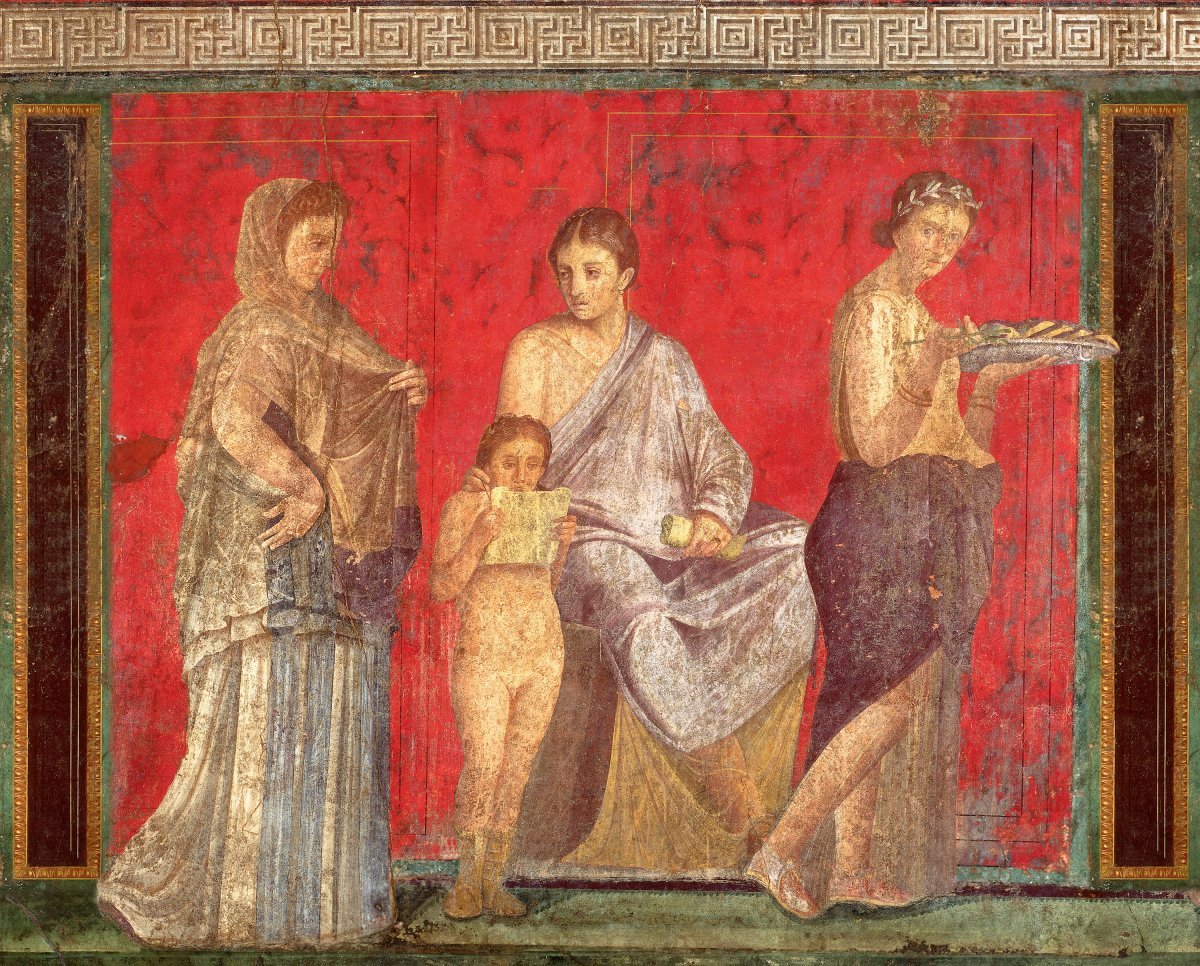
Villa of the Mysteries
Second Style of Wall Painting
From Pompeii
Triclinium
Villa
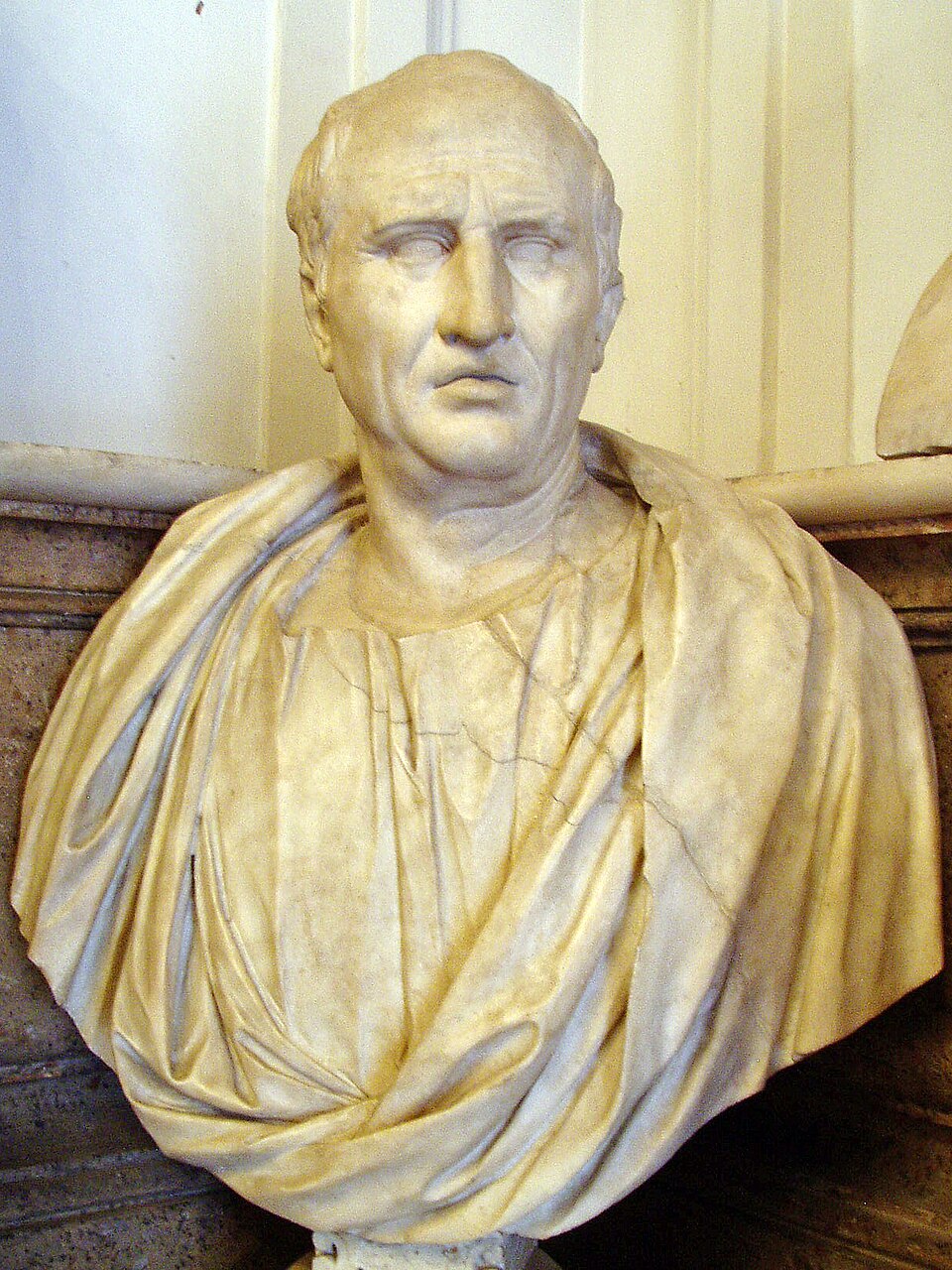
Bust of Marcus Tulius Cicero
Late Republic
Cicero was a Politican, Orator, and Writer
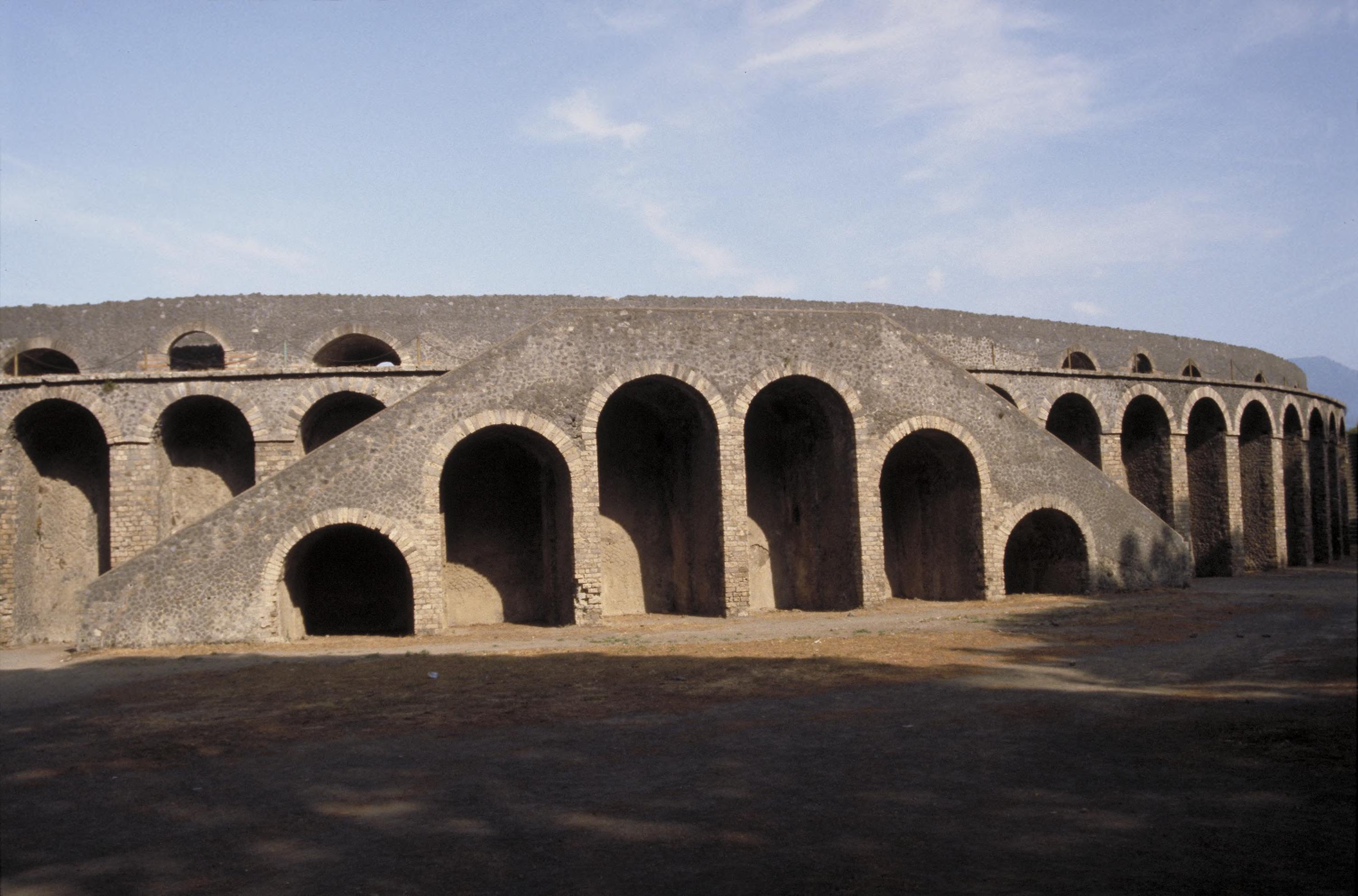
Pompeii Amphitheatre
Arena used for gladitorial games, wild animal shows
Late Republic
Arched Colonade
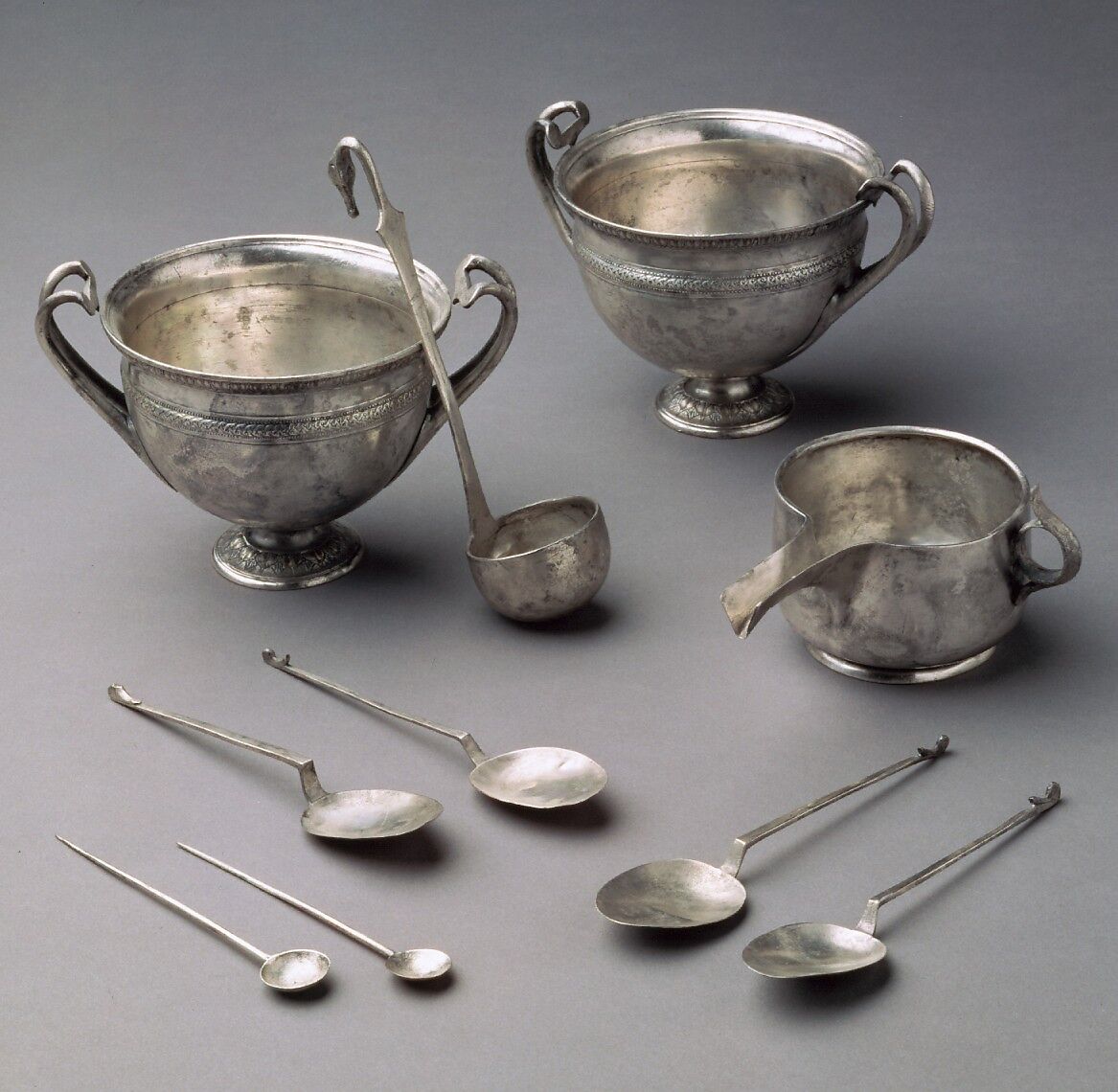
Tableware from the Tivoli Hoard
Republican Period mid-first century BCE
The Metropolitian Museum of Art
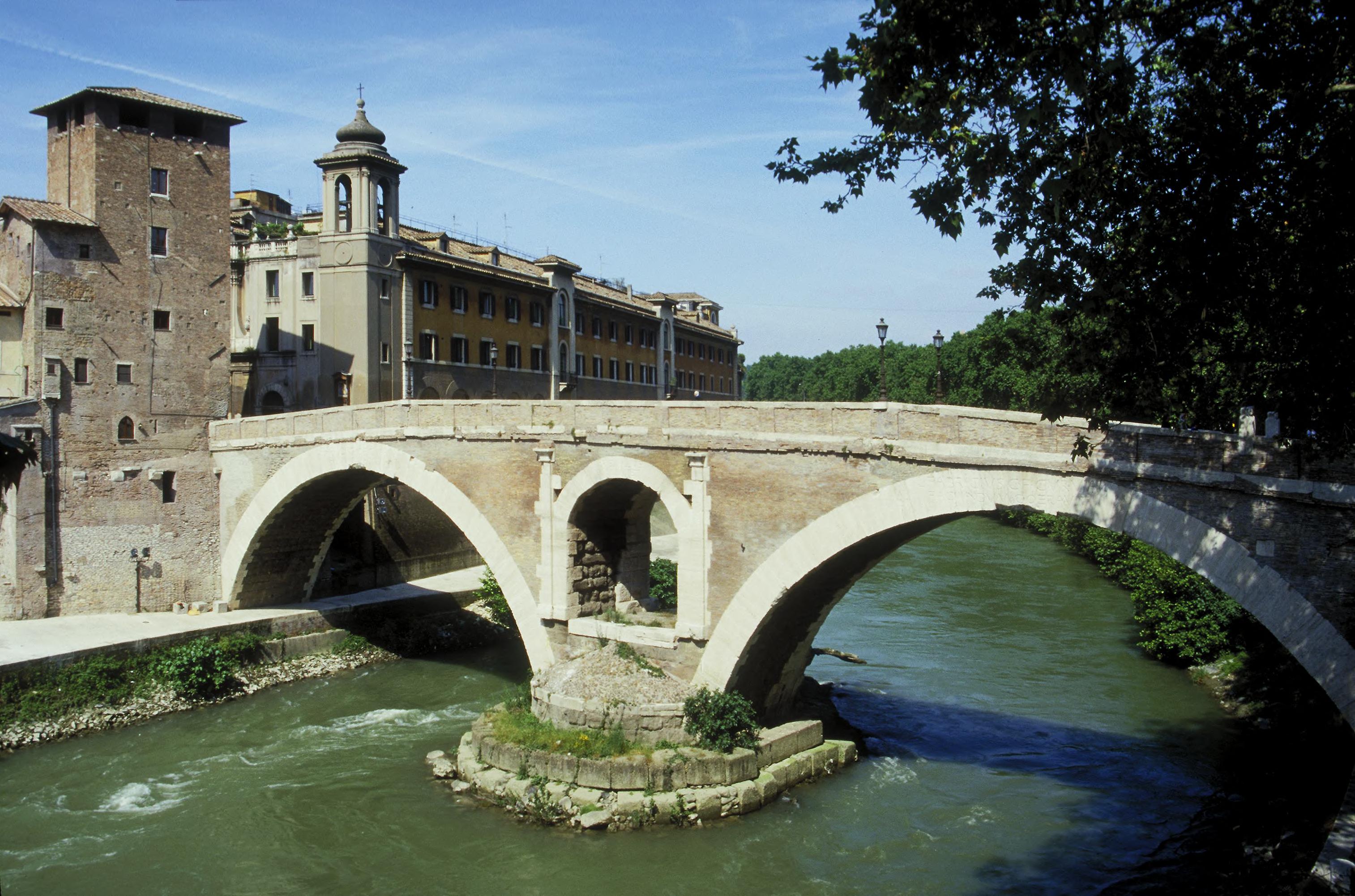
Fabrician Bridge
Arched Structure
Built in Late Republic, Rebuit in Early Empire
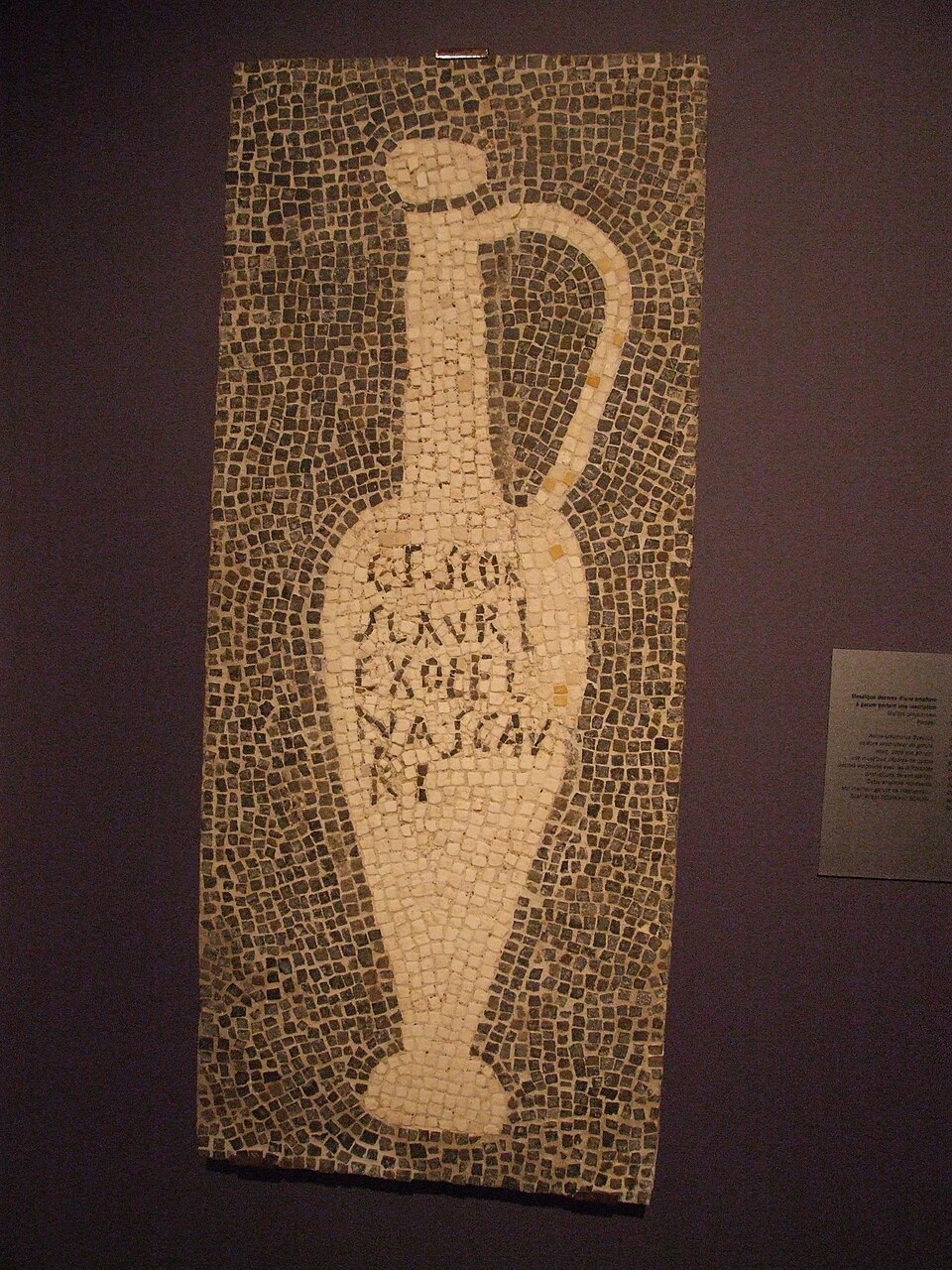
Amphora of Garum
Garum is a fish sauce
It is made by fermenting fish guts and salt in the sun
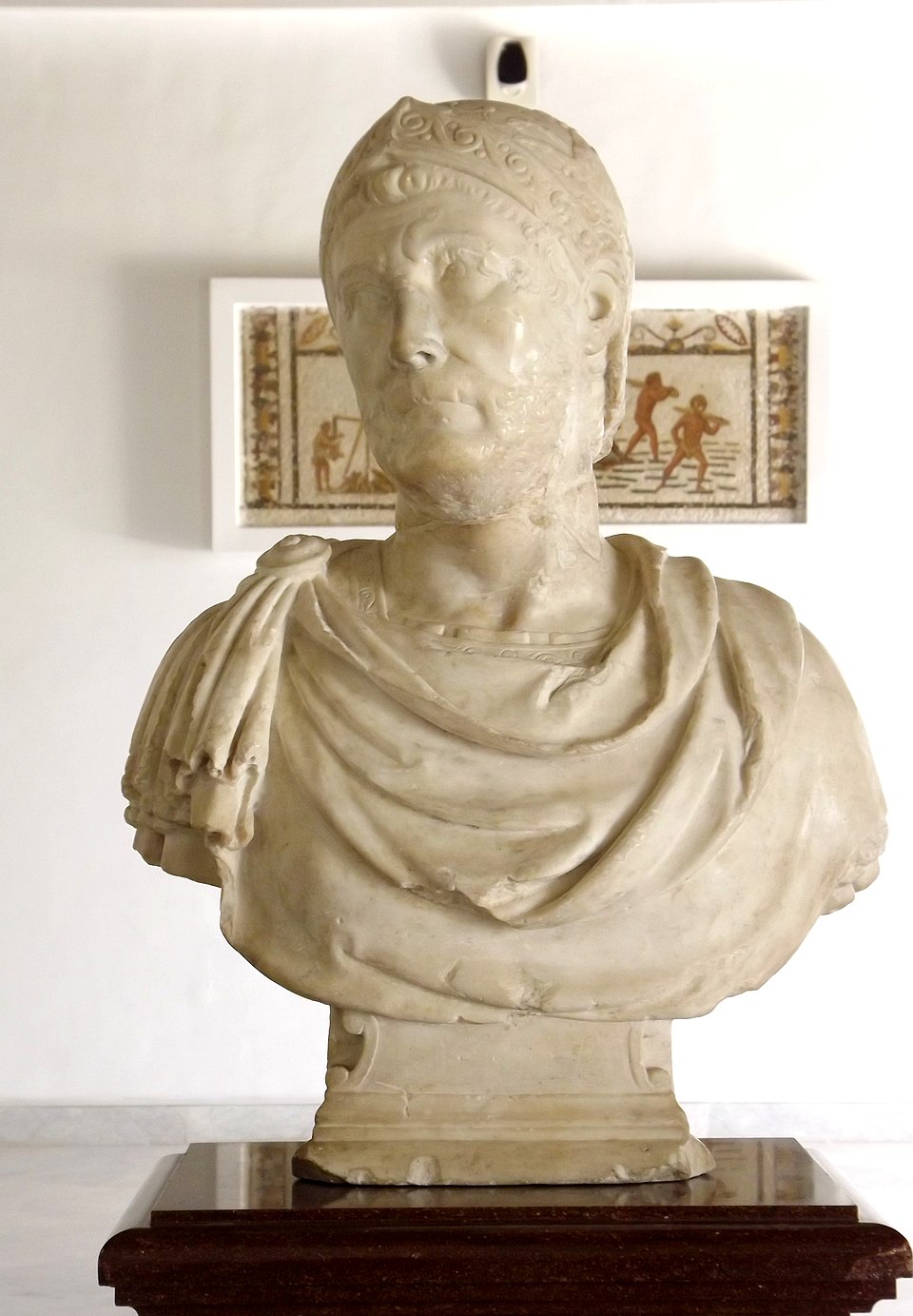
Bust of Hannibal Barca
Second Punic War, Punic War with Carthage
Publius Cornelius Scipio Africanus was a Roman statesman
Battle oif Cannae
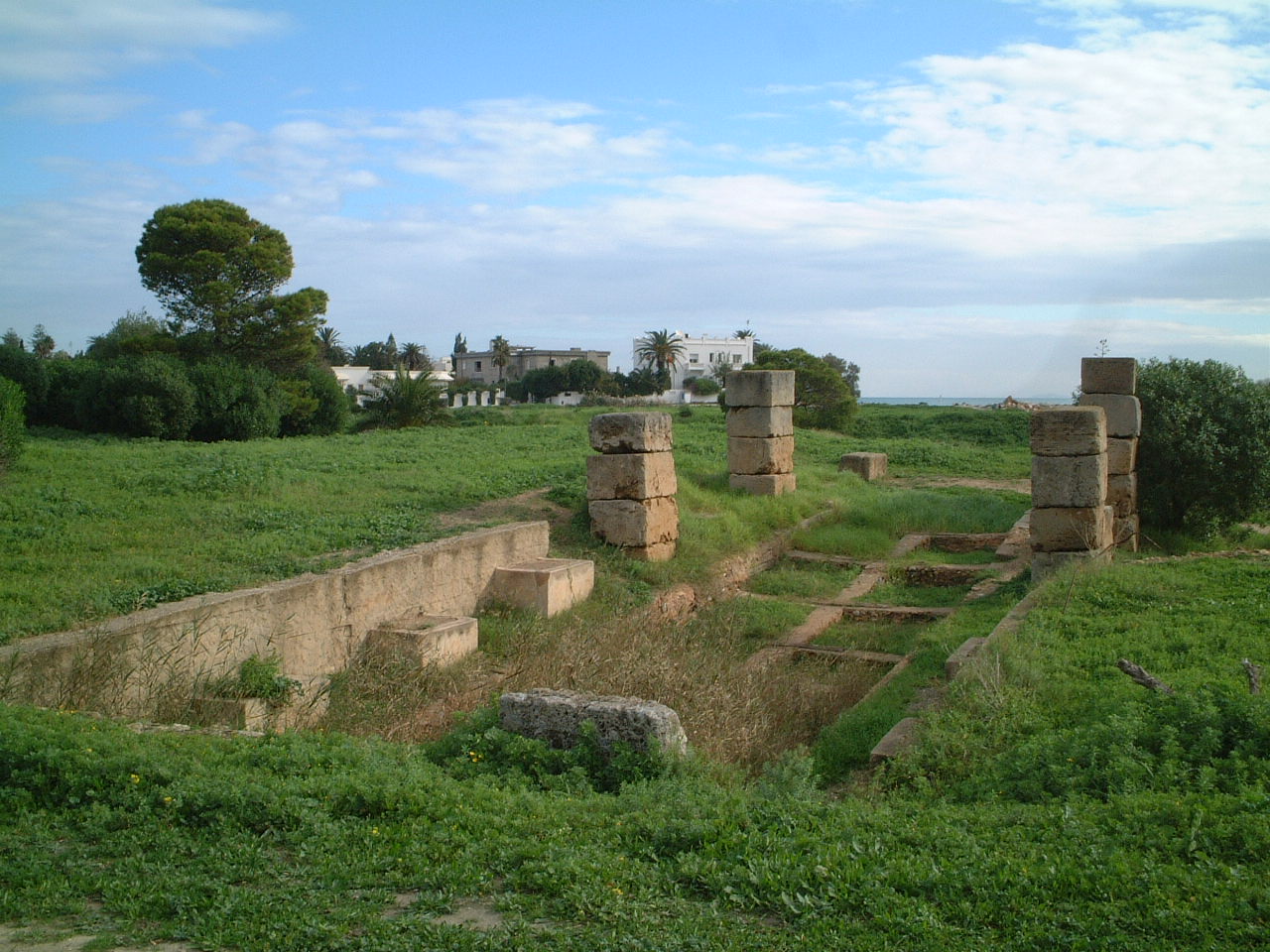
Punic Dry Docks at Carthage
Remains of ship sheds and dry dock
Punic Era (Prior to 146 BCE)
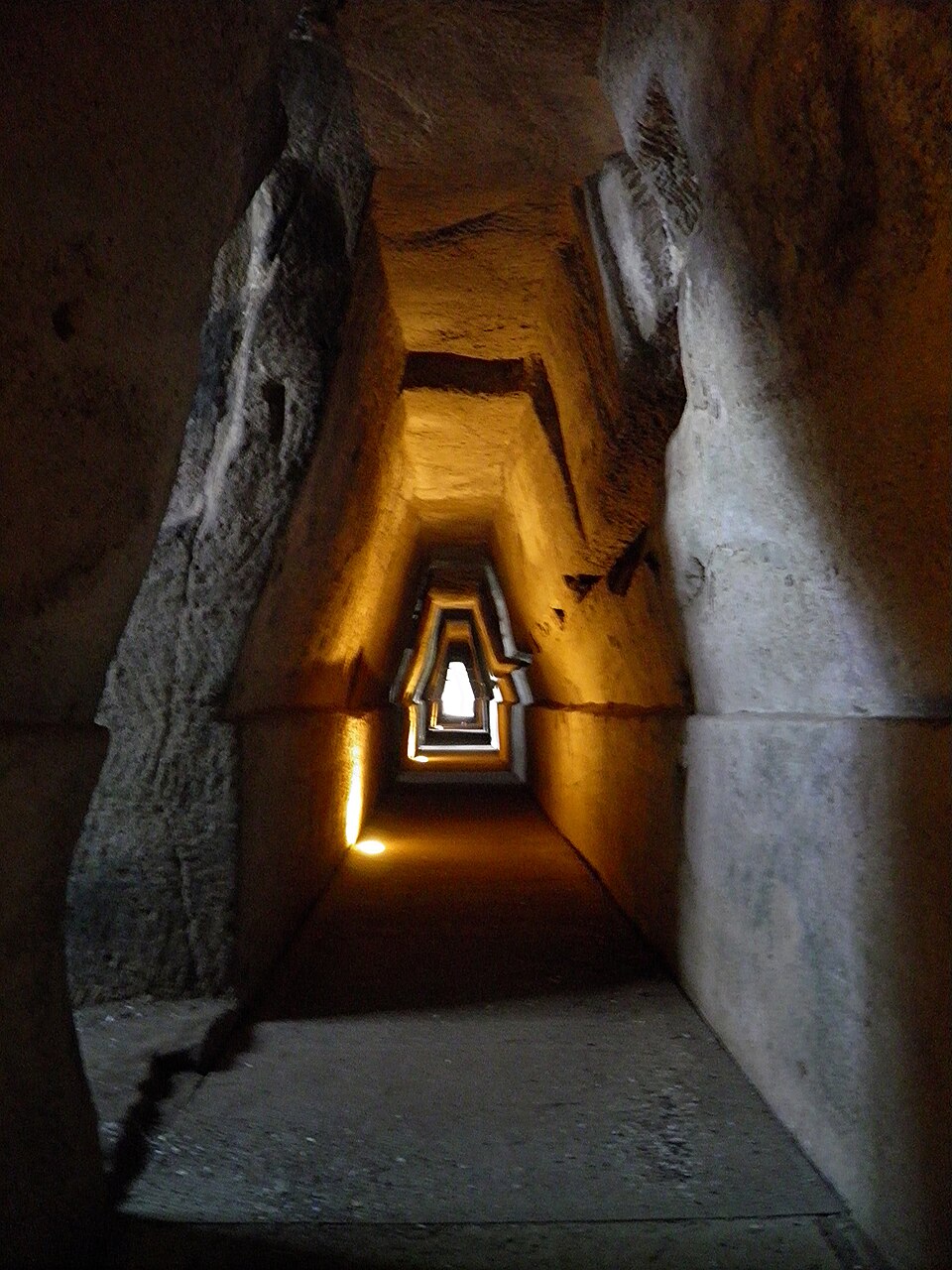
Cave of the Sibyl at Cumae
An Oracle site where they would be consulted to help predict the future
Shown in Virgil’s poem The Aeneid
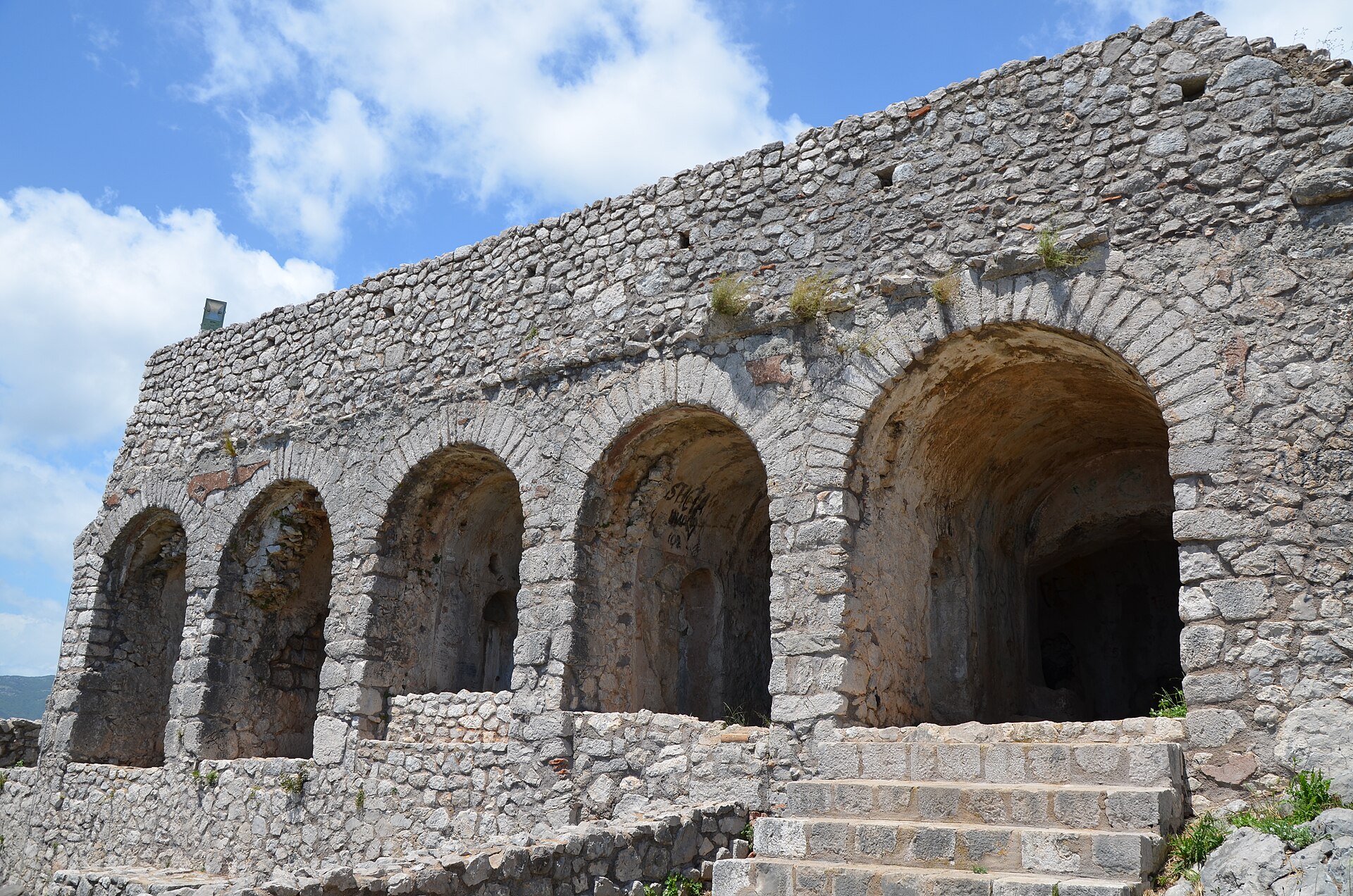
Temple of Jupiter Anxur, Terracina
2nd - 1st Century BCE
Jupiter was the Roman equivalent of Zues acting as the king of the gods. The sky and thunder god.
It was built in the Etruscan style out of Terracota
It was destroyed and rebuilt several times
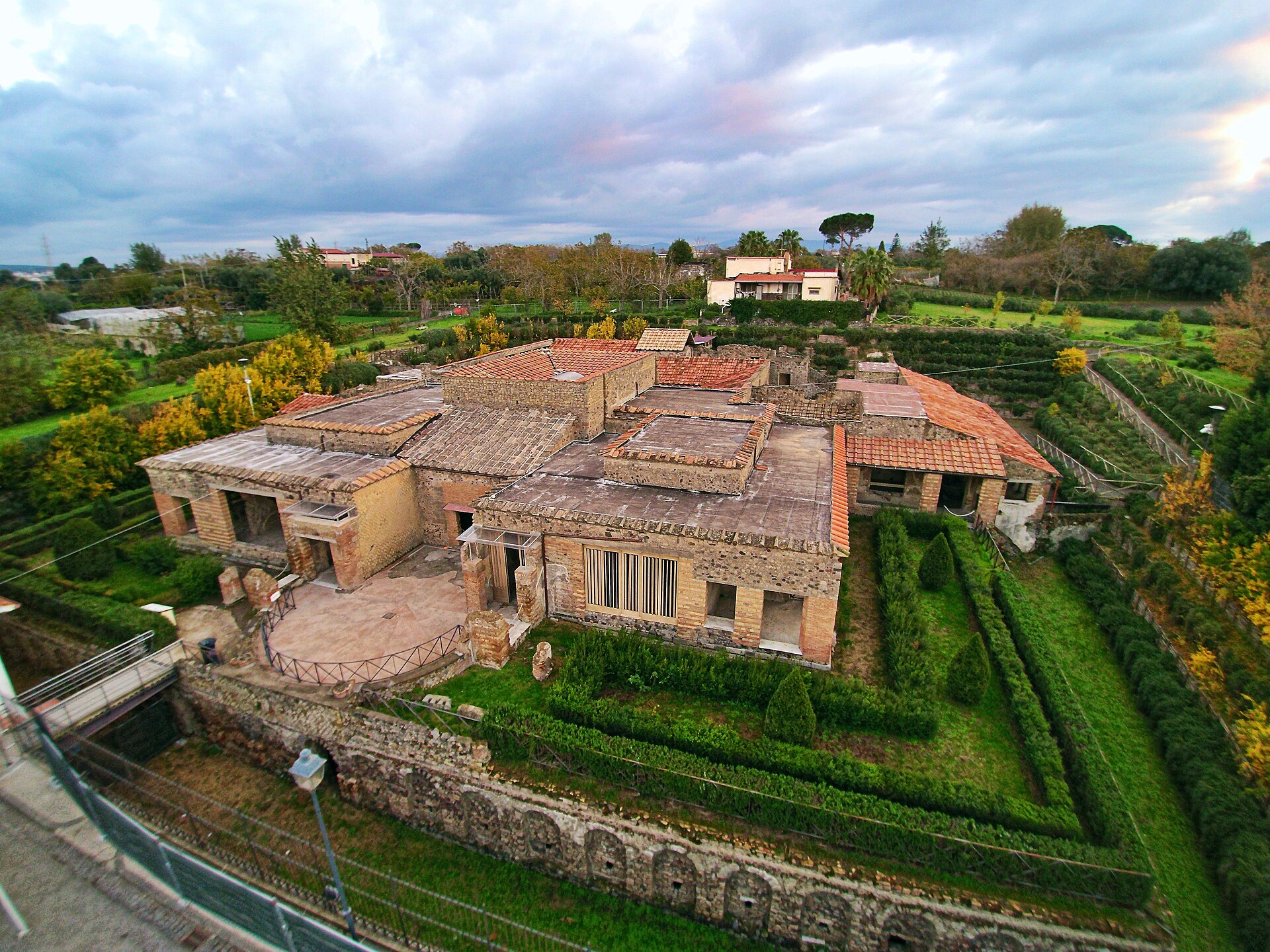
Villa of the Mysteries
Pompeii
Second Century BCE
Renovated in first century BCE
Second Style Frescoes
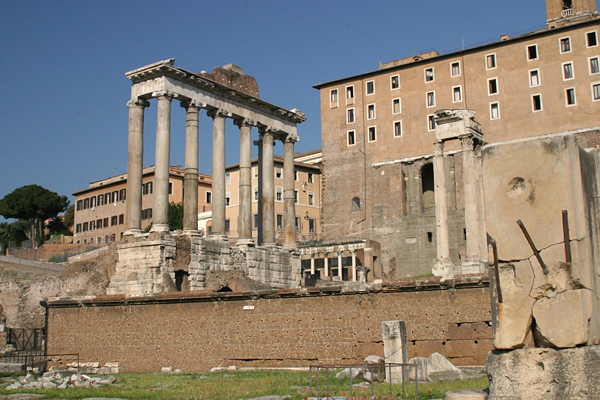
The Rostra
Used by orators to address the assembled people
Marc Antony gave the funerary oration for Julius Caesar here
The Second Triumvirate proscribed Cicero here
On the long side, there is holdes intended to attach the prows of ships. This was done after the at Antium in 338 BCE
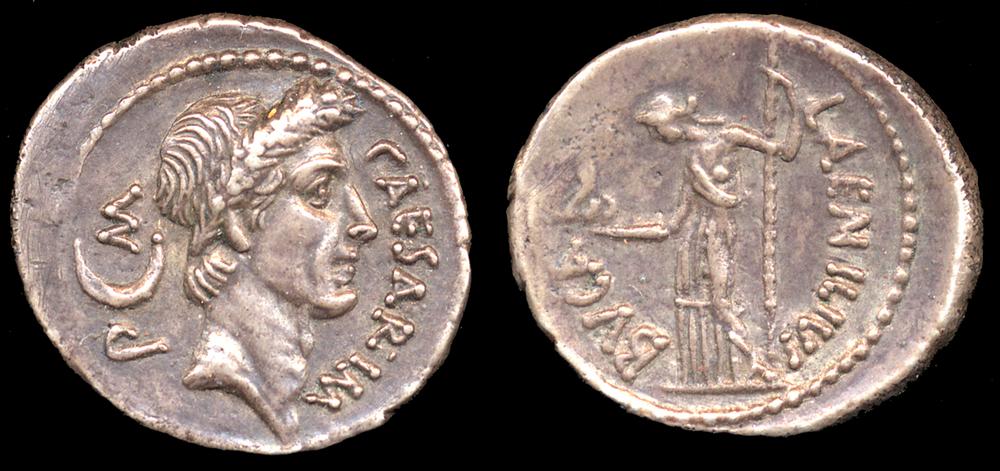
Coin with the head of C. Julius Caesar
It was the first time a living Roman placed their own face on currency
Many saw this as Caesar trying to establish a monarchy
Traditional Date For The Founding Of Rome
April 21st, 753 BCE
Founding Of The Roman Republic
500 BCE
Rome Destroys Carthage (Third Punic War) and Corinth (Greece)
146 BCE
Tribunates of Gaius Gracchus
123-122 BCE
He acted as Tribune of the plebs, introducing subsidies and reforms to aid the poor.
Social War And It’s Aftermath
91-81 BCE
A war between rome and its allies fought mostly between 91-88 BCE
Formation of the “First Triumvirate”
60-59 BCE
An alliance between Caesar, Pompey, and Marcus Licinius Crassus
Assasination Of Julius Caesar
March 15, 44 BCE
Julius Caesar is assassinated by his own senators at the Theatre of Pompeii. This was due to growing fears he would establish a monarchy
Roman Triad of Foods
The Medditerainian Triade Grapes (Wine), Olives (Oil), Grain
Cena
The Roman equivalent of dinner, which was held in the evening. It was typically the largest meal of the day.
Why were grapes most commonly consumed as wine, and olives as oil
Turning grapes into wine, and olives into oil vastly increased their longevity.
Triclinium
It literally means 3 couches. It was found in the dining room of a house
Which social group Did most of the elaborate dining rituals from ancient Rome come from
Much of our evidence for roman dining habits comes from the elites
Scaena
Proscenium
The stage of the theatre
Orchestra
Used as a dedicated area for speical VIP’s. This is unlike greek theatre
Did Intilectuals Believe in The Gods
In Ancient Rome, intellectuals did not believe in the sensationalized stories of anthropomorphic gods. They did however, believe that these stories were important to the Roman culture