CHAP 4 - The Cellular Level of Organization
 Call Kai
 Learn
Learn Practice Test
 Spaced Repetition
 Match
Match Flashcards
 Knowt Play
1/100

There's no tags or description
Looks like no tags are added yet.
Name | Mastery | Learn | Test | Matching | Spaced | Call with Kai | Chat |
|---|
No analytics yet
Send a link to your students to track their progress
101 Terms

Cell membrane
Thin outer boundary of the cell that controls what enters and leaves
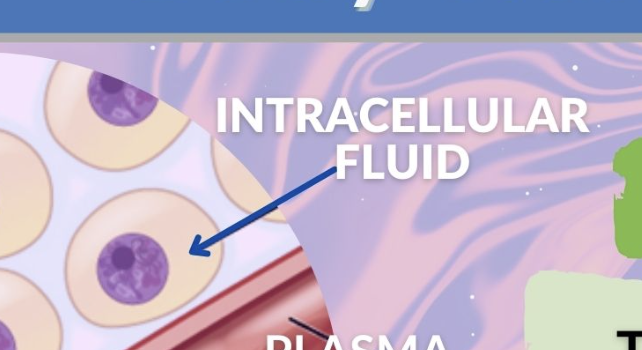
Intracellular fluid (ICF)
Fluid inside cells

Extracellular fluid (ECF)
Fluid outside cells

Phospholipid
Lipid made of a phosphate head and fatty acid tails

Amphipathic
Having both hydrophilic and hydrophobic regions

Phosphate head
Hydrophilic part of a phospholipid

Fatty acid tails
Hydrophobic parts of a phospholipid

Phospholipid bilayer
Double layer of phospholipids forming the cell membrane

Membrane protein
Protein located in or attached to the cell membrane

Transmembrane protein
Protein thats across the cell membrane

Peripheral protein
Protein attached to the surface of the cell membrane
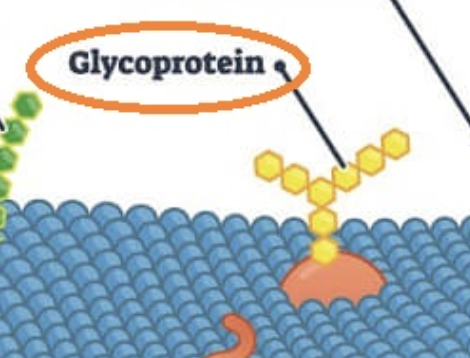
Glycoprotein
Protein with a carbohydrate attached
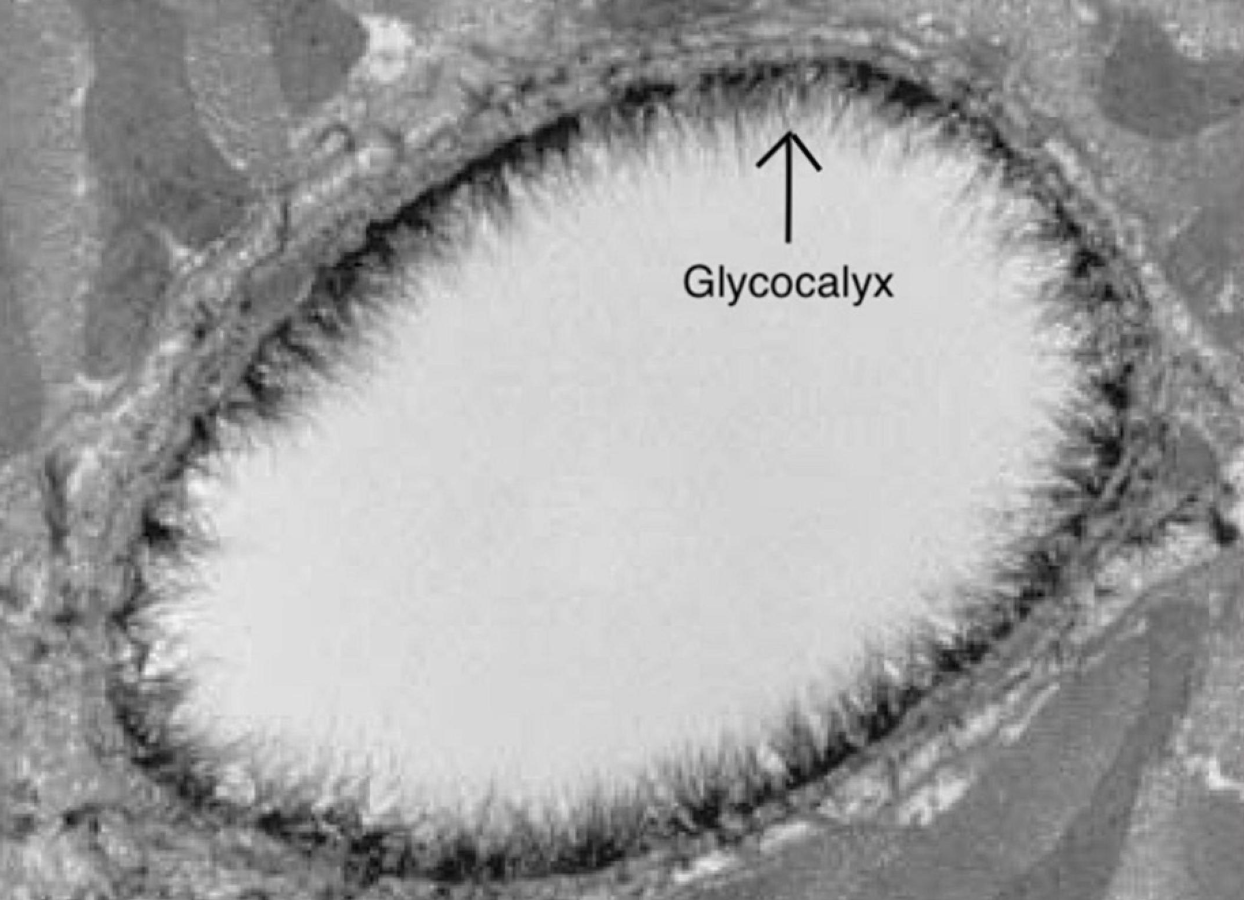
Glycocalyx
Carbohydrate-rich layer outside of the cell membrane
Movement of substances from higher to lower concentration through the membrane
Transport that uses ATP to move substances against their concentration gradient
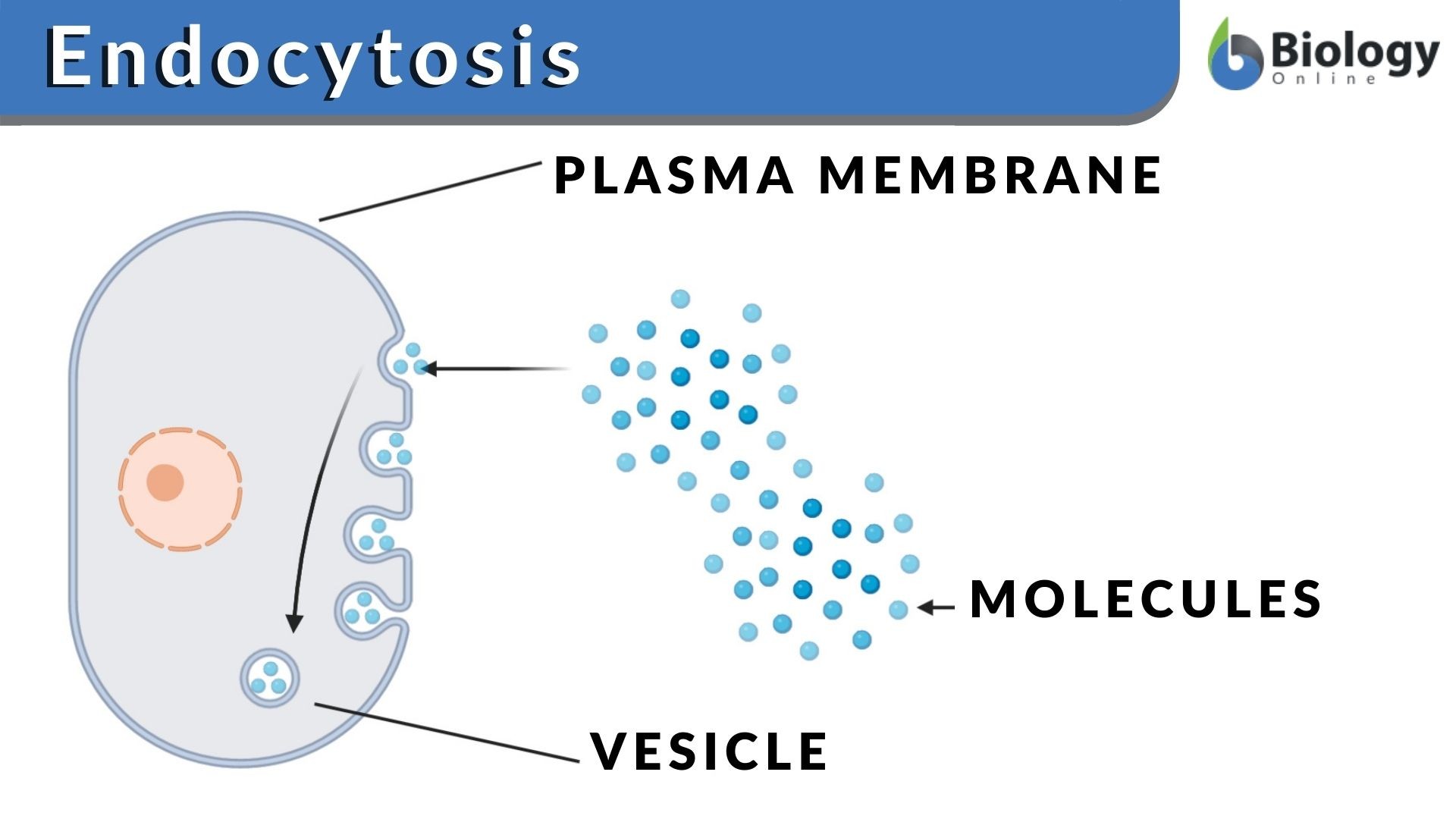
Endocytosis
Process of bringing substances into the cell by forming a vesicle

Exocytosis
Process of releasing substances from the cell by vesicles fusing with the cell membrane
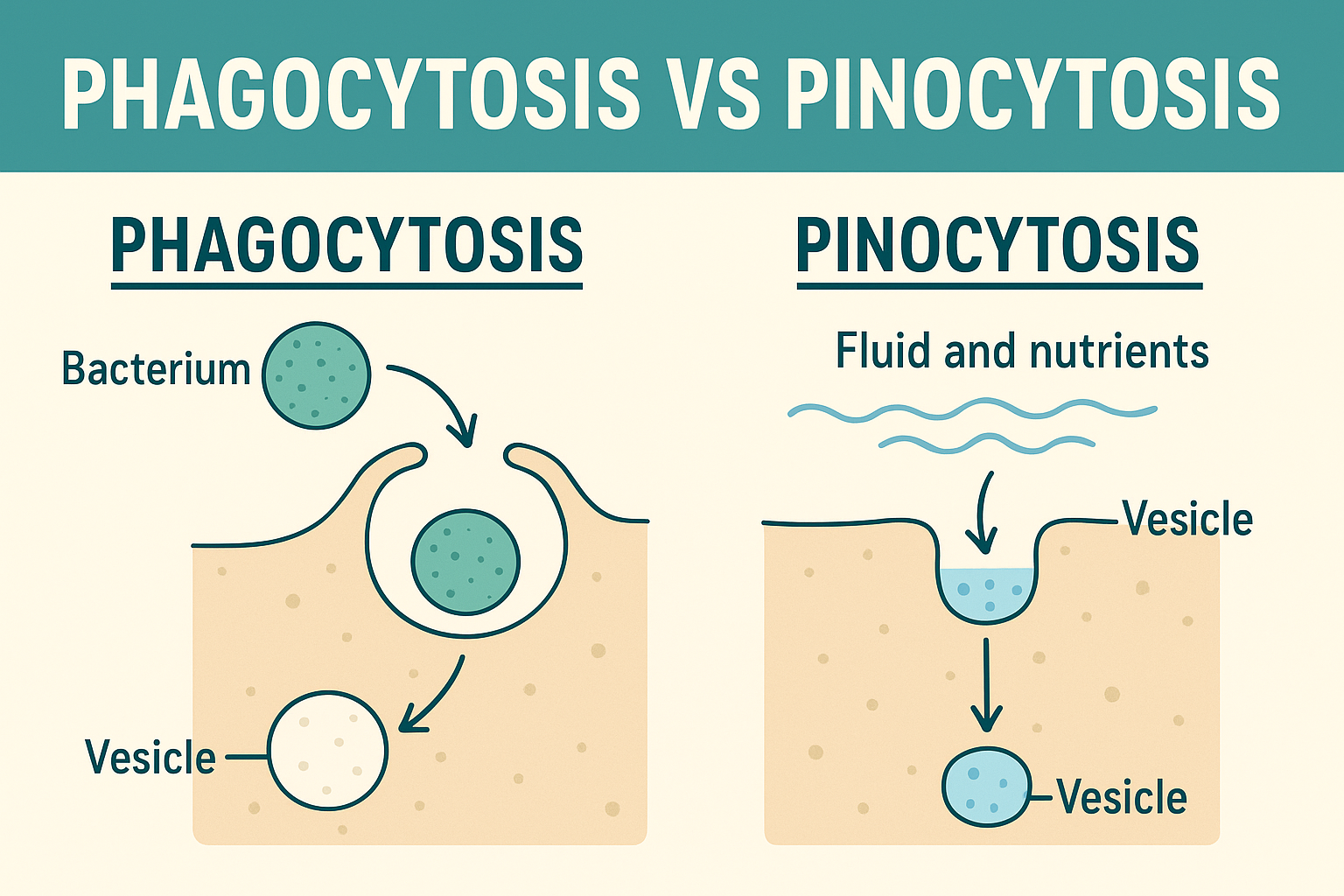
Phagocytosis
Endocytosis of large particles or cells

Pinocytosis
Endocytosis of extracellular fluid and small dissolved substances

Cytoplasm
All cell contents between the cell membrane and nucleus
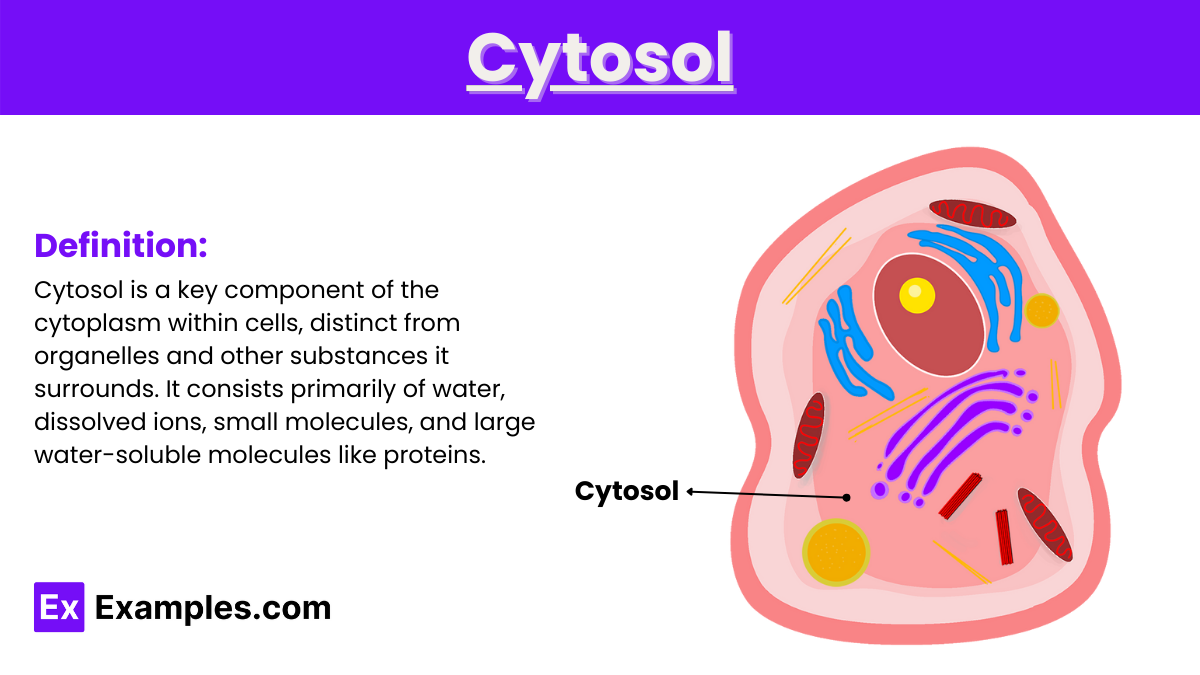
Cytosol
Fluid portion of the cytoplasm

Endoplasmic reticulum (ER)
Membrane system that produces and transports substances

Rough ER
ER covered with ribosomes that produces proteins

Smooth ER
ER without ribosomes that produces lipids

Golgi apparatus
Organelle that modifies, sorts and packages proteins and lipids
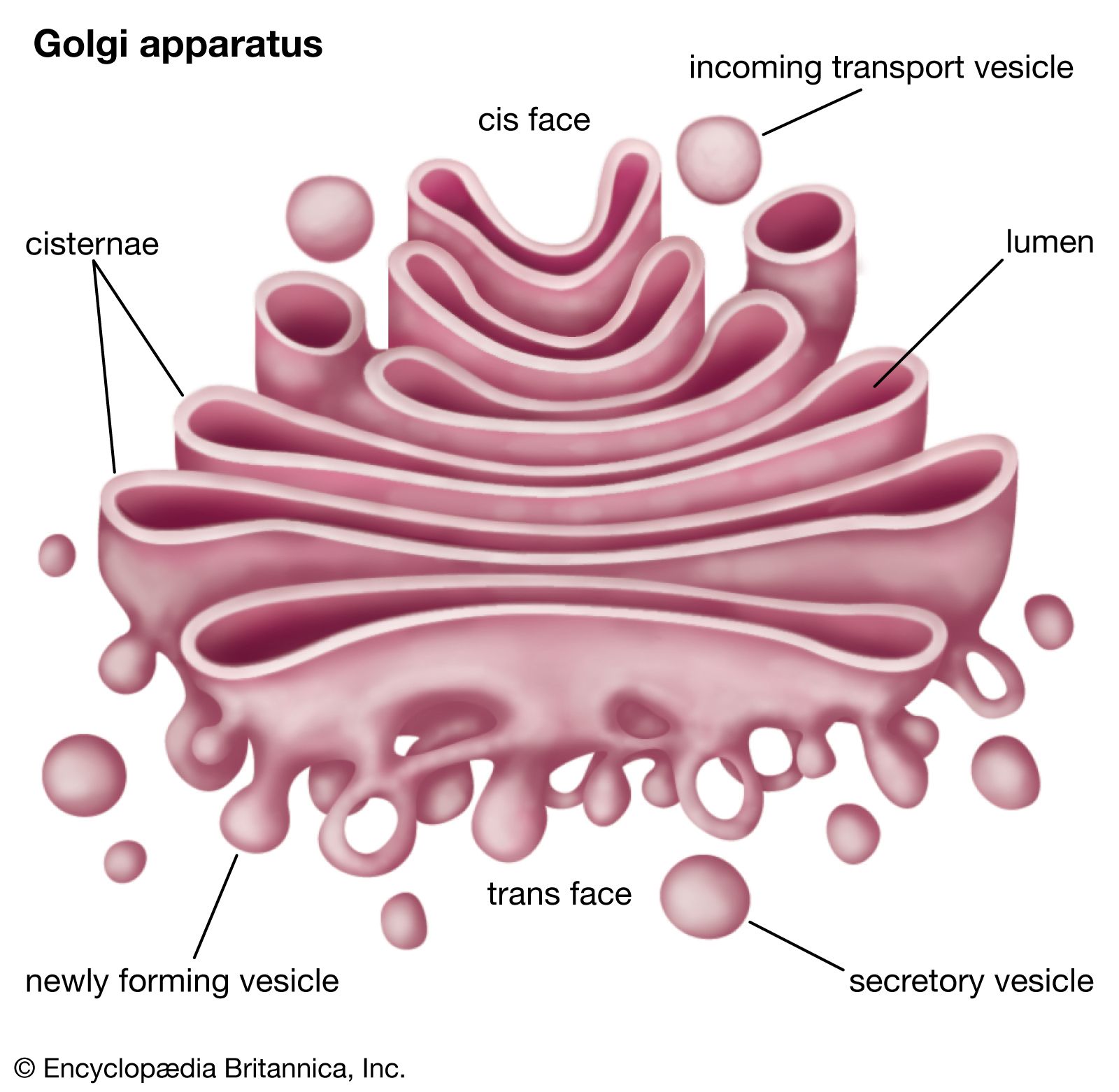
Cis-face
Receiving side of the Golgi apparatus

Trans-face
Shipping side of the Golgi apparatus
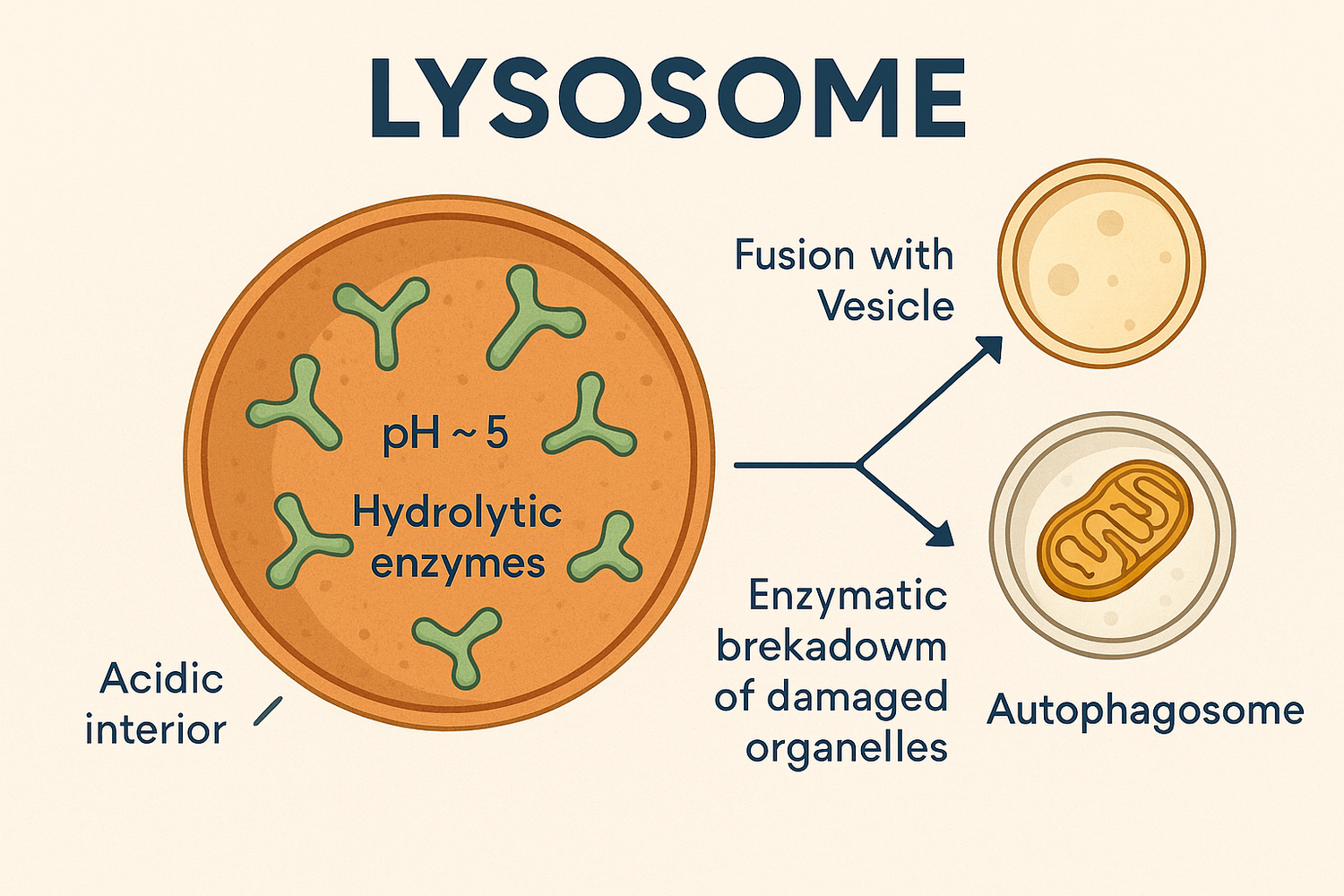
Lysosome (cleanup crew)
Organelle that contains enzymes that breaks wastes/materials down

Peroxisome (detox)
Organelle that breaks down fatty acids and detoxifies harmful substances

Mitochondria
Organelles that produce most of the cell's ATP

Cristae
Folds of the inner mitochondrial membrane
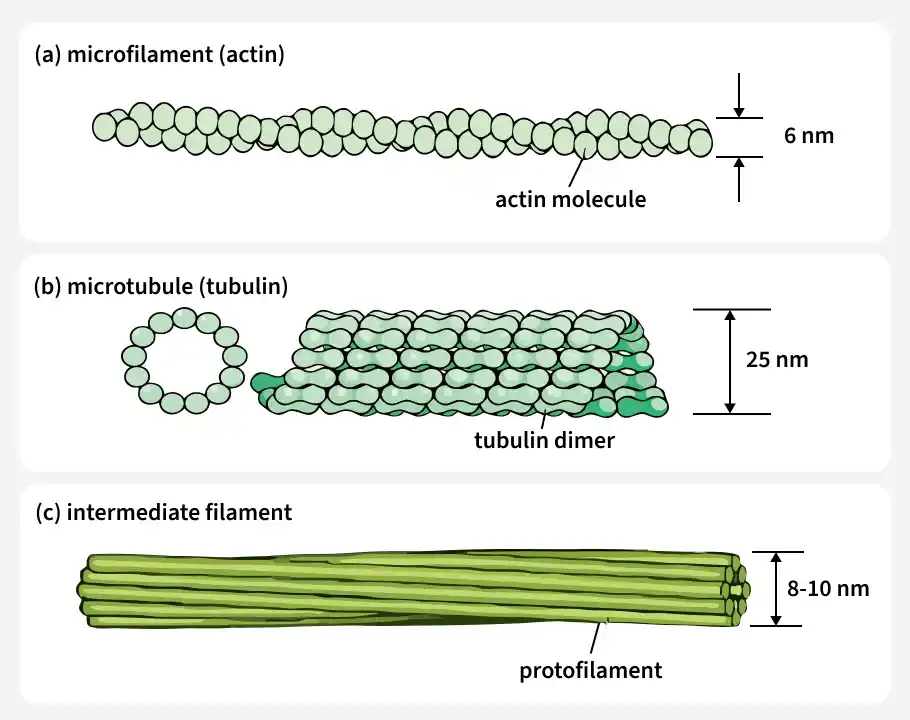
Cytoskeleton (cells skeleton)
protein fibers that supports/structures the cell

Microtubules (cell highways - apart of the cyloskeleton)
Cytoskeletal fibers that support the cell, move materials, and separate chromosomes during cell division.

Intermediate filaments (cell’s strong ropes)
Strong protein fibers that support and strengthen the cell.

Microfilaments (movement)
Thin protein fibers that help the cell move and change shape.

Microvilli (vacuum)
increase surface area for absorption

Cilia (sweep)
move substances across the cell surface

Flagella (flag waving)
used by cells to move through liquid

Nucleus
Organelle that contains DNA and controls many cell activities

Nuclear envelope
Double membrane surrounding the nucleus

Nuclear pores
holes in the nuclear envelope that regulates movement in and out of the nucleus

Nucleolus (ribosome factory)
produces and assembles the cell’s ribosomes
DNA
mRNA (message)
carries genetic instructions from DNA to a ribosome
tRNA (transport)
transports amino acids to the ribosome
rRNA (ribosomes)
Makes up ribosome and proteins
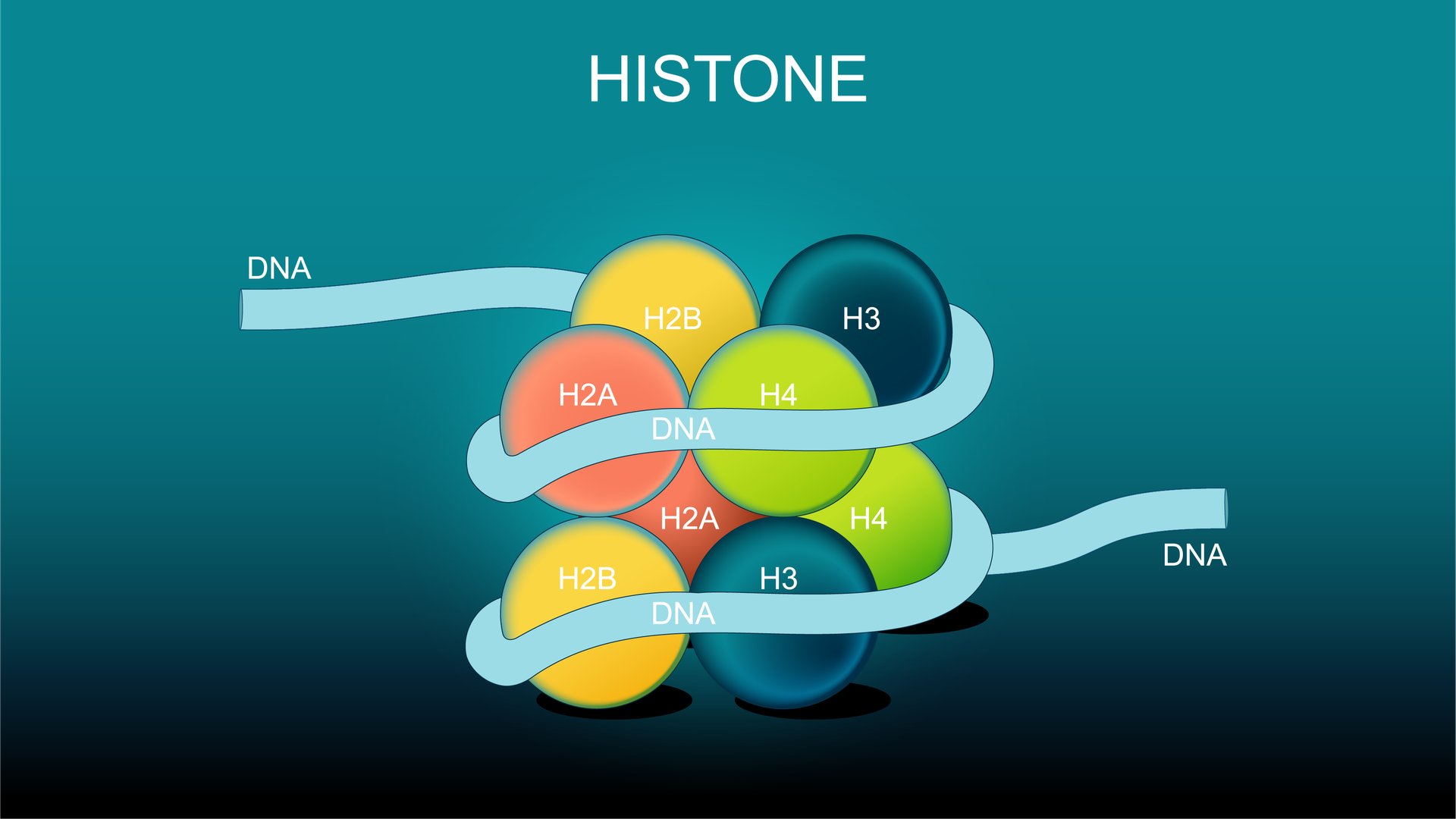
Histone (spool 🧵)
Protein that DNA wraps around to pack DNA

Chromatin (loose DNA)
DNA and associated proteins in the nucleus

Chromosome
A tightly packed structure of DNA that contains genes.
Gene
part of DNA that contains instructions for a functional product

Protein synthesis
Process of making proteins using genetic information
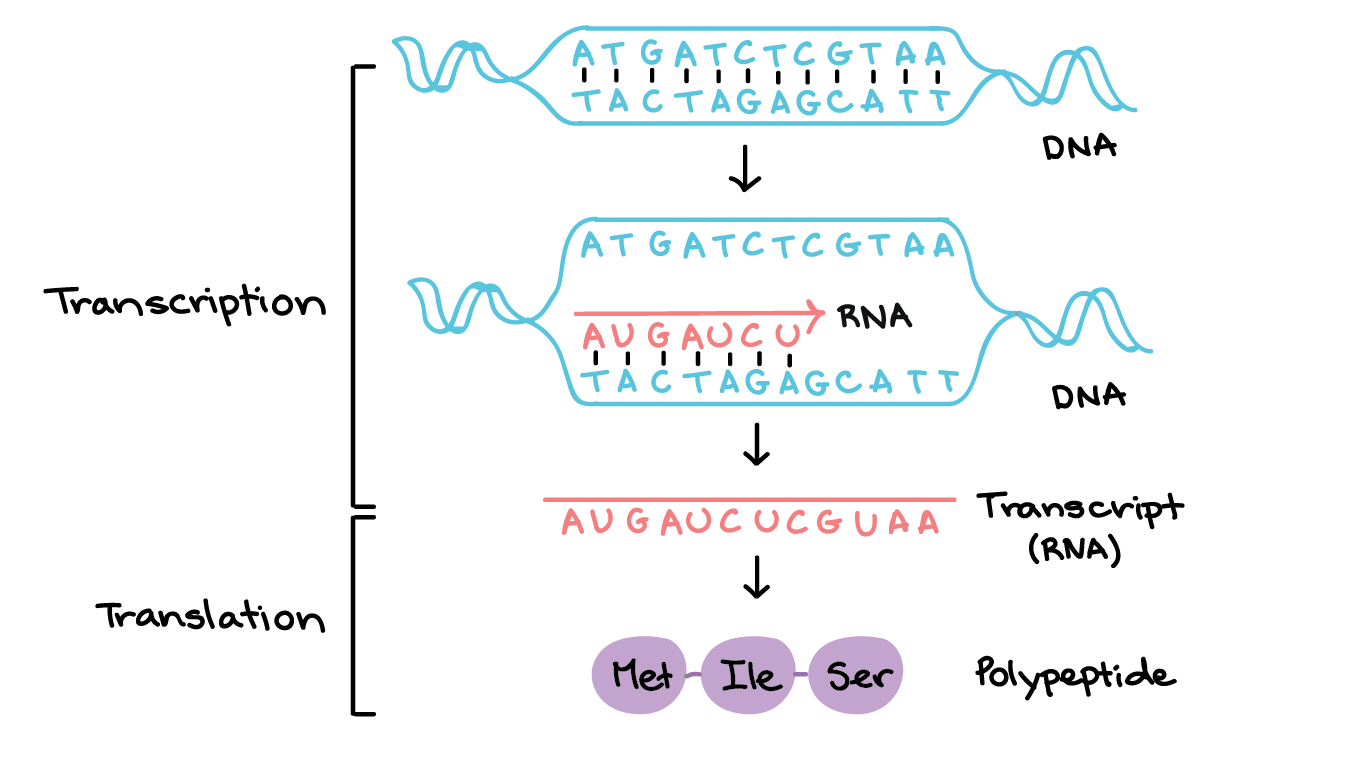
Transcription
process of copying DNA into mRNA.

RNA polymerase
Enzyme that builds an RNA strand during transcription

Polypeptide
Chain of amino acids

Translation
Process of using mRNA instructions to build a polypeptide

Peptide bond
Bond connecting amino acids in a protein
Cell cycle
cycles where a cell grows and divides
G1 phase (grow)
Phase of cell growth
S phase (replicate/copy DNA)
Phase when DNA is replicated
G2 phase (division)
Phase when cells prepares for division

Somatic cell
Any body cell other than a reproductive cell

Diploid
Having two sets of chromosomes

Haploid
Having one set of chromosomes

Meiosis
Cell division that produces reproductive cells with half the chromosome number

Helicase
Enzyme that separates the two strands of DNA

DNA replication
Process of copying DNA before cell division

DNA polymerase
Enzyme that adds nucleotides to build a new DNA strand

Mitosis
Division of the nucleus producing two genetically similar nuclei

Interphase
in between divisons

Prophase
chromosomes condense and the spindle begins forming

Metaphase
chromosomes line up at the middle of the cell

Anaphase
sister chromatids separate and move to opposite sides

Telophase
new nuclei form around the separated chromosomes
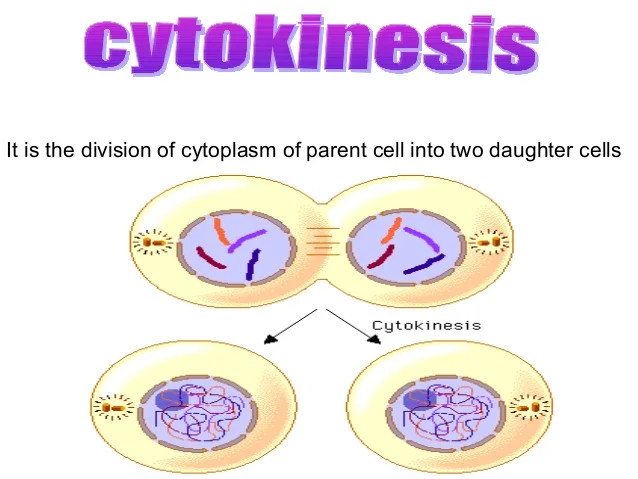
Cytokinesis
Division of the cytoplasm into two daughter cells

Cleavage furrow
dent that forms as an animal cell divides during cytokinesis
Contact inhibition
Cells stop dividing when they touch nearby cells.
Cellular differentiation
Process by which cells become specialized (made for a specific job)