exam 2
 Call Kai
 Learn
 Practice Test
 Spaced Repetition
 Match
 Flashcards
 Knowt Play
1/41

There's no tags or description
Looks like no tags are added yet.
42 Terms
alkyl halide
halogen atom that is directly attached to an sp3‑hybridized carbon of an alkyl group
vinylic halide
halogen atom that is directly attached to an sp2‑hybridized carbon of a non‑aromatic alkene
aryl halide
halogen atom that is directly attached to an sp2‑hybridized carbon of a benzene (or other aromatic ring)
ester group


thioester
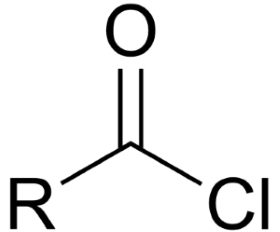
acid halide
anhydride


amide

nitrile
naming anhydride
acid name + anhydride
eg. acetic anhydride
naming acid chloride
aklanoyl chloride
eg. ethanoyl chloride
naming ester
alkyl + alkanoate
eg. ethyl acetate
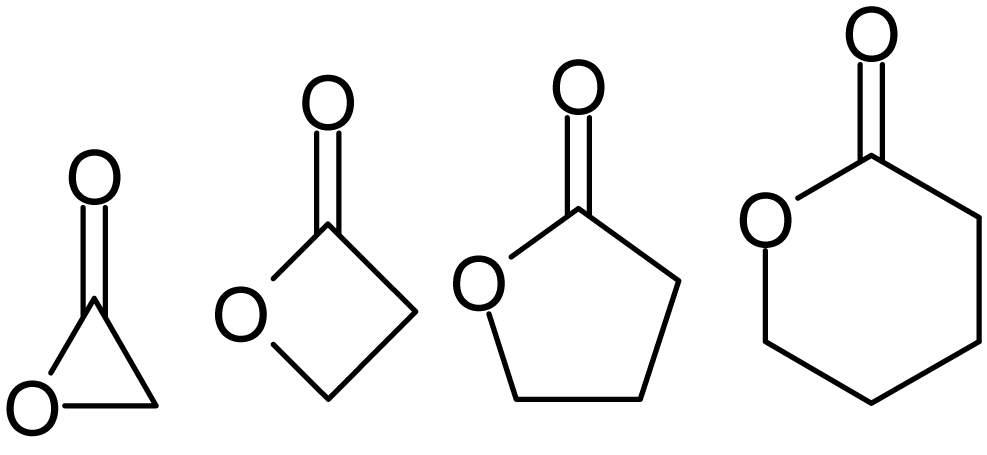
cyclic ester
lactone

cyclic amide
lactam
increasing bp factors for carboxylic acids
more intermolecular forces
more hydrogen bonding
largr molecules
amide resonance
nitrogen lone pair pariticipates in resonance with carbonyl
amide IR
1650-1675
ESTER IR
1735-1745
ACID CHLORIDE IR
1800
ANNHYDRIDE IR
two peak around 1760 and 1820
NITRILE IR
2200-2250
CARBOXYLIC ACID IR
C=O 1700
O-H 2400-3200
amide N-H NMR
7.5-8.5 ppm
carbonyl carbon NMR c=o
165-180 ppm
nitrile carbon NMR
115-120ppm
reactivity order
acid chloride> anhydride> thioester > ester> amide
reactivity depends on
good leaving group(weak base) and resonance stabalization

what reaction
acid chloride hydrolysis

what reaction
anyhdride hydrolysis

what reaction
acid catalyzed ester hydrolysis
reverse of fishcer esterification
products: carboxylic acid and alcohol

what reaction
ester base hydrolysis
saponificiaton
becomes carboxylic acid by adding h3o+

what reaction
amide hydrolysis
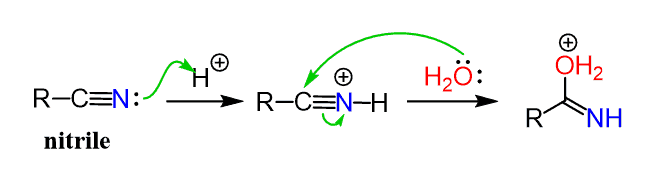
what reaction
nitrile hydrolysis
amide intermediate

acetyl chloride

propanoyl chloride
priority for principal groups
acid>nitrile>aldehdye>ketone>thiols>alcohol>hydrate
why is acteonitrile important
useful polar, aprotic solvent
H NMR for amides
7.8-8.5 ppm
eliminated by exchange with D2O
C=O NMR
165-180
C triple bond N NMR
115-120
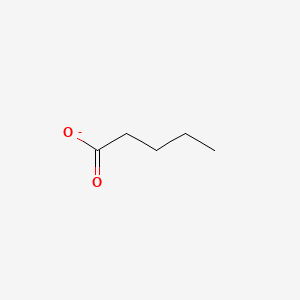
valerate

malonate