Maya: Late Classic Period
 Call Kai
 Learn
 Practice Test
 Spaced Repetition
 Match
 Flashcards
 Knowt Play
1/99

There's no tags or description
Looks like no tags are added yet.
100 Terms
Out of all Meso-American art and architecture, the work of
_______ Maya has probably been the most
esteemed.
The Late Classic Maya

Who made it? Where was it made? When was i t made?
Maya, Campeche, Mexico; Late Classic

Who lead these excavations during this?
Ramon Carrasco

What is Structure I?
a radial pyramid that consists of five sub-structures

What was buried with in the radial pyramid?
a small, three tiered pyramid buried deep within

What is it called?
The “Market” murals

Why is this mural unique?
Because it dosen’t depict royalty or warfare
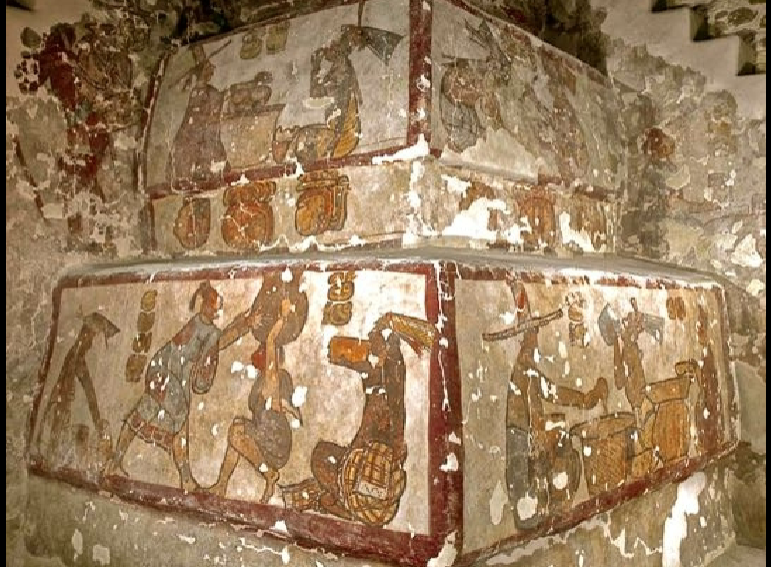
What is does this mural depict?
these murals are solely concerned with social activities between nobles and commoners as seen in the marketplace
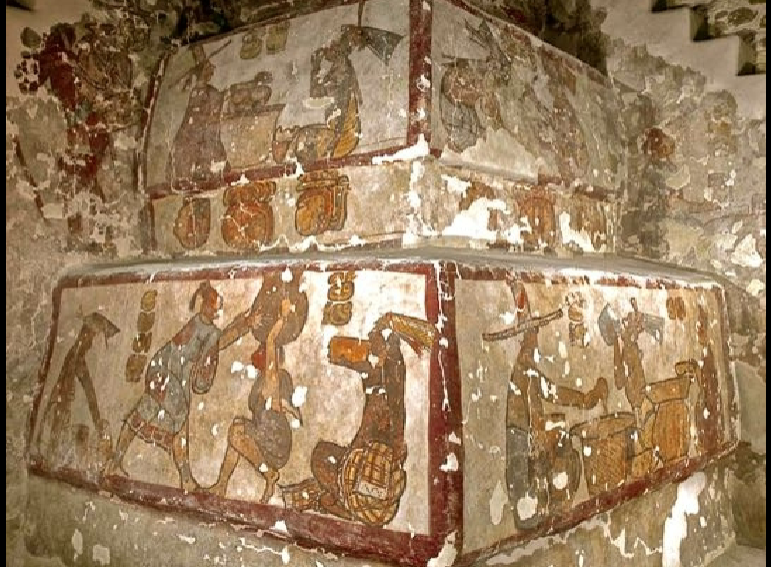
What is being sold in this mural?
Salt, tobacco, tamales and maize gruel are all seen for sale

It is the earliest known documentation of ___ used as a commodity.
Salt

True or false there was a general consenus that the Maya did have markets as there were trace of them
False

Marketplace is the realm of ___
Women

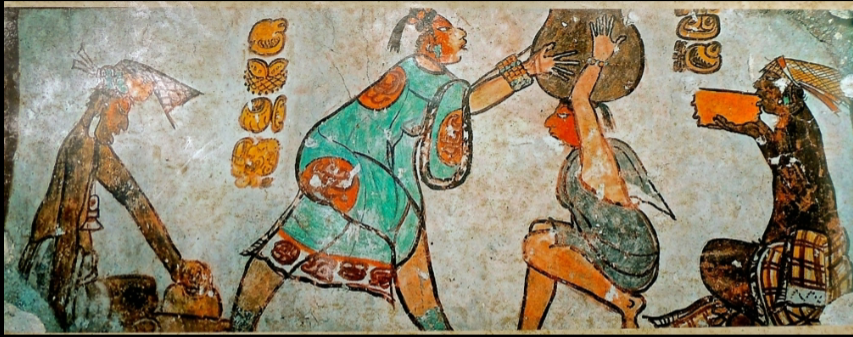
A number of the mural scenes consistently depict a Maya
noblewoman who has been identified as ____
“Lady Nine Stone.”

What is the “Lady Nine Stone” wearing?
diaphanous (*flowing & sheer) blue robe with her body visible through the textile, and adornments

What is the “Lady Nine Stone” doing?
She places a heavy olla onto the head and shoulders of a
servant or slave at right to carry

What was a common cosmetic application during the time?
Wearing red paint on their faces

What is the servant wearing?
The servant wears a gray-colored cloth that hides, rather than reveals,
the body

Why are Lady Nine Stone lips parted and her teeth showing?
To show that she is talking

What is the far right male doing?
drinking atole (*a drink made from corn hominy flour, served hot) from a vesse

What is the far right male wearing?
He wears a scarf on his head and is shown bare chested—giving us
a glimpse male dress
In 1946 which scholar uncovered a well preserved sequence of incomplete murals in three rooms in Structure 1?
Giles Healey
How were these murals preserved?
Through happy confidence. water seeped through the limestone vault, building up layers of calcified protective coverings that encased the murals

Where was it made? Who made it? When was it made?
Bonampak; Chiapas, Mexico, Maya, Late Classic

What are the nobles doing in this mural?
nobles in white mantles present tribute to the royal family,

Which mural was this found in?
Room I

What are the three young lords doing?
dance at the court with musicians and performers at the
celebration of the accession of the lord’s heir to the throne.

Which room was this found in?
Room III

What does this mural depict?
a second reason for such celebration.

What is happening in this mural?
They show the aftermath of a great battle between Bonampak & Yaxchilan that took place in 780CE when the former city’s lord, Yajaw Chaan Muwan was at the height of his powers
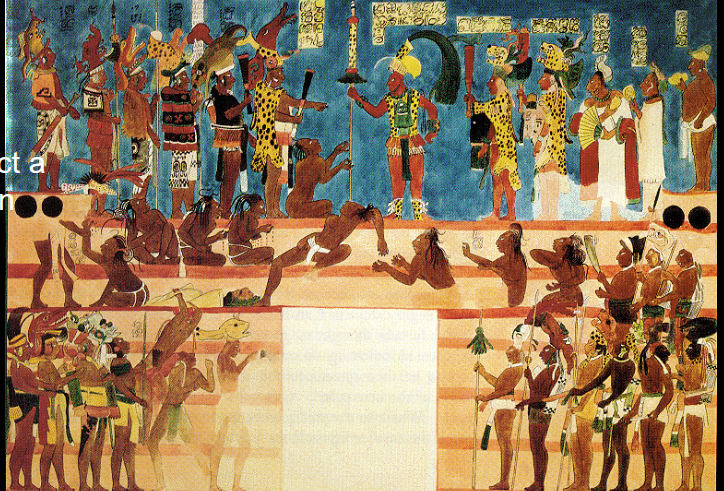
Who is the center wearing leopard suits?
captives for review and sacrifice

How are the captives shown with their fingertips bleeding,
as their fingernails have just been pulled a rebuke to schoalrs?
who believed that the Maya were mostly peaceful agrarians
How did the city of Peten Penninsula went into decline?
their resources mostly sapped by constant warfare
But as an indirect result, the cities lying in the peripheral
regions such as in Chiapas and Belize, and the southern
lowlands began to ___
flourish, siphoning away economic and
political power and cultural influence from the center
When did Plaenque in Chiapas, Mexico
600CE
The expansion was mostly accomplished under the rulership
of
Lord K’inich Janaab Pakal I (“Shield”) or “Pakal the Great”
Why was Plaquence called altepetl (water fountain)?
seven streams flowing through the body of the city
unlike other cities in the Peten peninsula, Palenque had no
Sacbees

Where was it found? Who made it? When was it made?
Plaenque, Chiapas, Mexico; Maya, Late Classic,

What was it called?
The Palace

What was the Palace directly supplied with?
running water from an aqueduct (*a man-made channel designed to
move water via gravity from one place to another.)

What was it’s purpose?
It appeared to serve as the site for royal ceremonies rather than exclusively as a residence for the royal family.
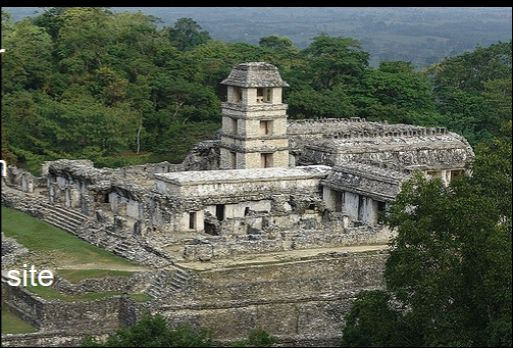
What was found east of the aqueduct
Royal dwellings
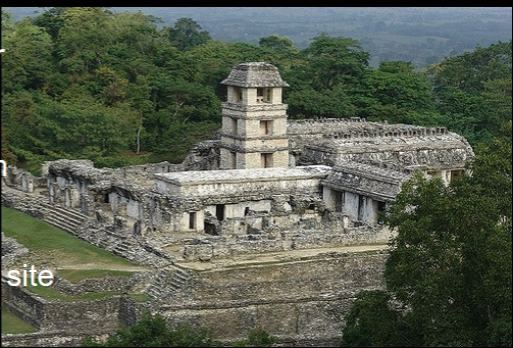
True or false the Palace was built over a hundred year construction
True

What was “House E”?
the royal throne room & administrative center within the Palace
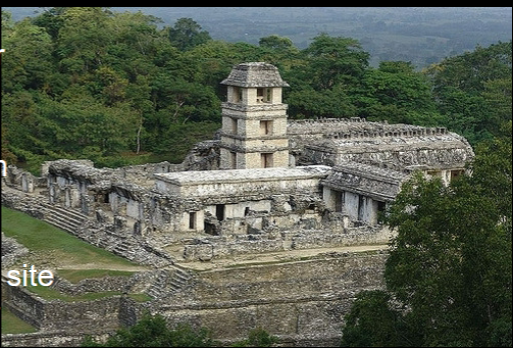
What was House E decorated with?
was originally painted white and adorned with flowers

Accession panels celebrating several rulers
were set inside this Palace structure, reflecting scenes of
____ at the time
Courtly life

How was this considered defensive role within the city?
The city as the entire plain can be seen from its uppermost story.
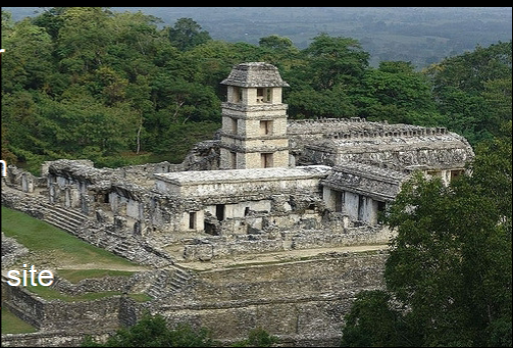
What wind around it’s solid three-story core?
Narrow Stairways

When was the Palace tower created?
The final phase of construction

Who made it? Where was it made? When was it made?
Maya, The Palace; East Court, Palenque, Chiapas, Mexico; Late Classic

What is the name?
Wall of Captives

What is it made out of?
Limestone

Why do they have oversized and crude features?
they are meant to represent humiliated royal captives.

Palquen lords would have passed these figures to?
while descending the staircase as they stepped into the courtyard

Who made it? When was it made? Where was it made?
Maya, Late Classic, Palenque; Chiapas, Mexico

What is the subject?
Pakal the Great’s mother, Lady Sak K’uk on the left

What is she handing to her son?
a “jester god”-type mosaic headdress to wear as part of his accession
ritual

Where was the tablet set into?
the wall behind Pakal the Great’s throne in House E, to form its back

What does the tablet celebrate?
Pakal’s accession to the throne when he was twelve years old

What does it depict Pakal as?
a grown adult—depicting the office
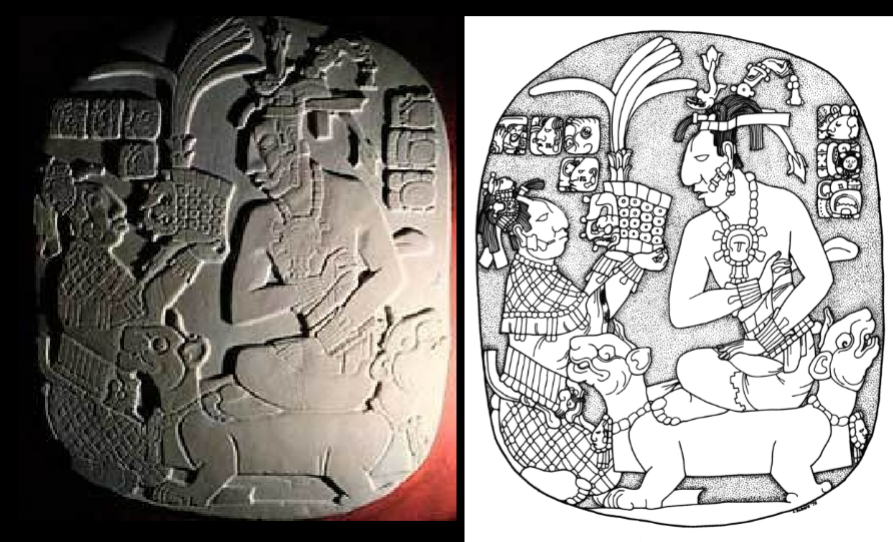
What is Pakal sitting on?
A double-headed Jaguar throne

What is he wearing?
a very large jade pectoral pendant and cuffs but little else in the way of
regalia

What is the first royal carving of a ruler simply attired to show?
that the power was embedded in the person rather than in the trappings of office
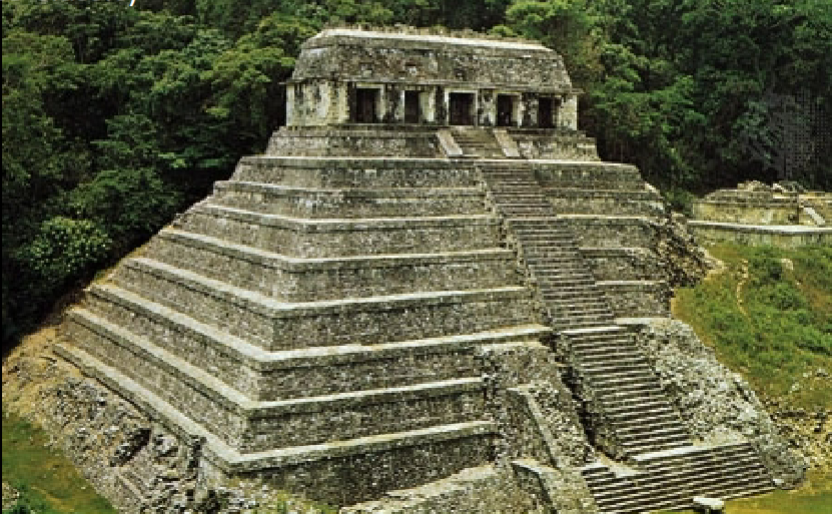
Who made it? Where was it made? When was it made?
Maya, Palenque, Chiapas, Mexico; Late Classic
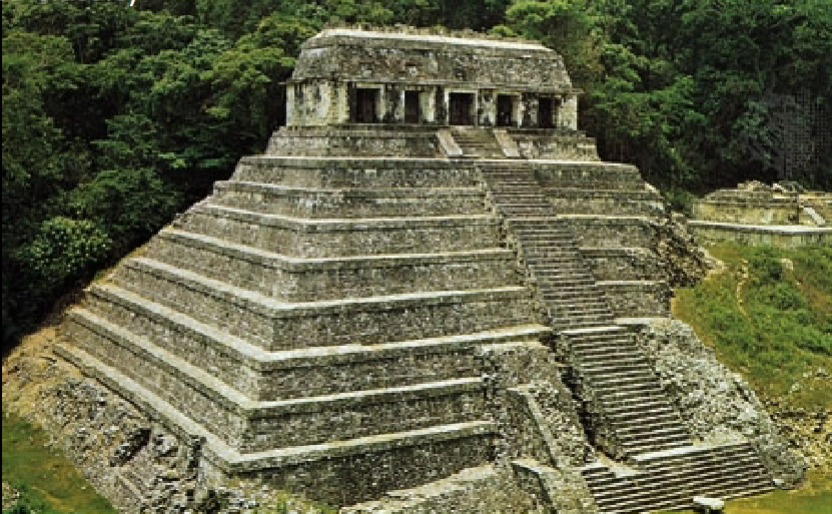
What is it’s name?
Temple of Inscriptions

What does this temple celebrate?
celebrates Pakal’s death and subsequent travels to the Underworld

Who discovered it and what did they find?
Alberto Ruiz and he discovered Pakal’s tomb within it

The Temple has nine levels what does that symbolize?
the Maya believed that the underworld had nine layers

There is thirteen distinct corbels that connect the tomb to the upper galleries which symbolize?
which correspond to the Meso-American belief that the Heavens had thirteen levels

The tomb consists of a large ____ placed on a
North-South axis adjacent to the Temple’s stairs
corbeled chamber

What was Pakal covered with? What did it represent?
with jade plaques (particularly his face) and thick, powdered cinnabar; renewal
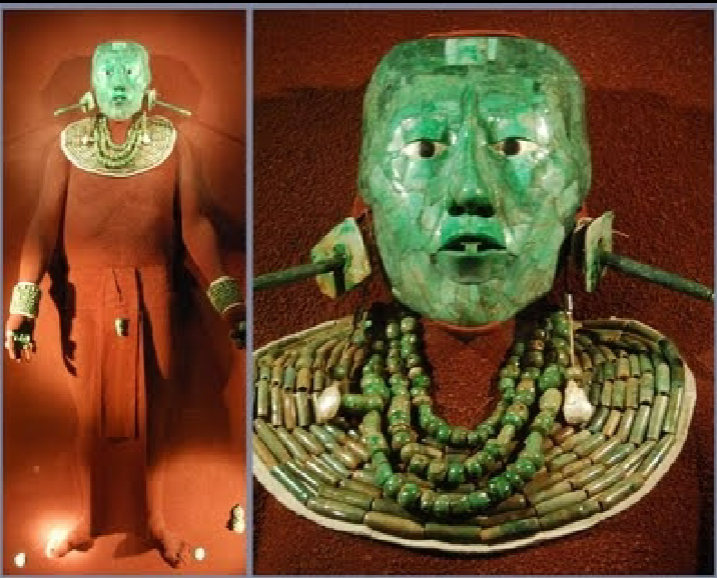
Where was it made? Who made it? When was it made?
Temple of Inscriptions, Palenque, Chiapas, Mexico; Maya, Late Classic

What was the Jade mask supposed to do?
was meant to transform Pakal into the Maize God
Why was a jade bead placed in his mouth?
as supernatural “food” for his journey to the Underworld
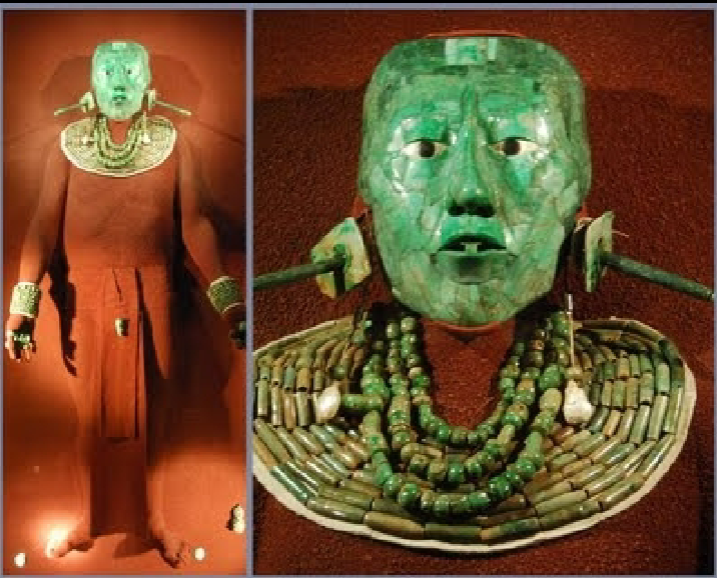
Within MesoAmerica what two things have an affinityy for each other
Jade and Mazie
Pakal the Great was en placed within the Temple inside an
enormous sarcophagus, the cover of which depicts
His fall into the underworld

Who made it? When was it? Where was it made?
Maya, Late Classic, Chiapas, Mexico;

What is he being depreciated as?
depicts Pakal dressed as the Maize God deity as he falls in rapture into the literal mouth of the Underworld at the base of the world Ceiba tree

What does lying on you back mean on this sarcophagus
as it was a position associated with the newly born or defeated
Why was this heavily accentuates?
Pakal’s vulnerability during his transition process from this world to the next
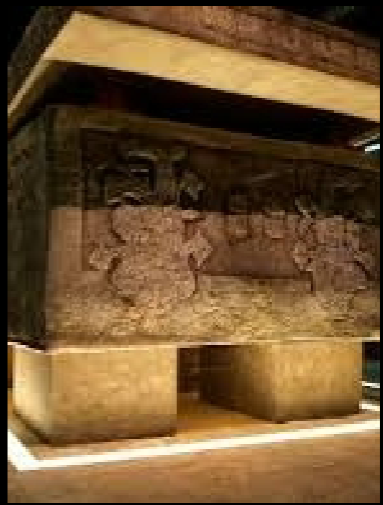
Who made it? When was it made? Where was it made?
Maya, Late Classic, Chiapas; Mexico
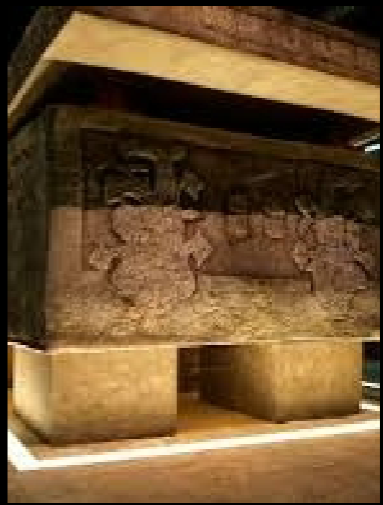
What are on the sides of the Sarcophagus
They depict his ancestors

What are they emerging from?
the ground as a specific fruit tree (e.g. cacao, avocado, guayaba

Where is it found?
Drawing of the East Side of Pakal the Great’s sarcophagus

What does their inclusion on the sarchageous mean?
hat Pakal’s death is part of his larger deified ancestral destiny that has
brought forth renewal for both maize and other fruits of the
earth
What flanks on the walls on the tomb? And what do they symbolize?
Nine painted Stucco attendants and they are there to guide him through the underworld
What else was inside?
Six bodies; five women and one man for sacrifice
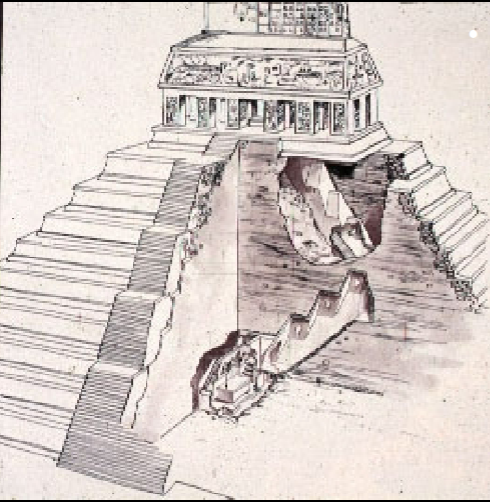
The Temple has a psychoduct what is that?
(*small stone tube which connects the tomb to its upper chambers for fresh air.)
What is in the upper chamber?
three panels depicting scenes from Pakal the Great’s life.
Why did they display Pakal’s son as an infant?
Justifying the latter’s mandate to succeed his father and rule
Who found Temple XIII, uncovered in 1994
Fanny Lopez Jimenez

Who made it? When was it made? Where was it made?
Maya, Late Classic, Palenque; Chiapas, Mexico

What was it called?
Malachite Death Mask & Beaded Collar of the Red Queen

What was it named?
The Red Queen

What was it made out of?
in thick, powdered cinnabar, and a malachite mask (green mineral) covered her face

Who was she married to?
Pakal’s wife

What are there names left to right?
Temple of cross, temple of the foliated cross, temple of the sun

Who made it? Where was it made? When was it made?
Maya, Chiapas; Mexico, LAte Classic
What were they for?
To celebrate the 13th ka’tun of the ninth bak’tun (and its metaphorical
connections with the Heavens & the Underworld),