NURS 1017: #3 SAFE CLIENT HANDLING l & BED MAKING
 Call Kai
 Learn
 Practice Test
 Spaced Repetition
 Match
 Flashcards
 Knowt Play
1/25

There's no tags or description
Looks like no tags are added yet.
26 Terms
list of therapeutic / supportive devices
pillows
heel / elbow protectors
foot boards
bed cradles
trochanter rolls
advantages of therapeutic / supportive devices
= prevents:
pressure injuries
contractures
foot drop
poor body alignment
muscle strain
discomfort
** can cause harm if positioned incorrectly
therapeutic / supportive devices definition
= devices / equipment that assists pts to support proper body alignment, maintain comfort + prevent complications, along w ↑ healing
pillows purpose
Support body alignment
Increase comfort
Relive pressure
Support limbs
Maintain therapeutic position
Eg:Under head
Between knees
Under arm
Behind back
Under calves
Foot board purpose
Maintains proper foot alignment
Prevents plantar flexion / drop
Provides surface → feet can rest
hand rolls purpose + definition
= rolled up supportive device placed in pts hand
Purpose:
Maintains functional hand position
Prevents contractures
Supports hand / fingers
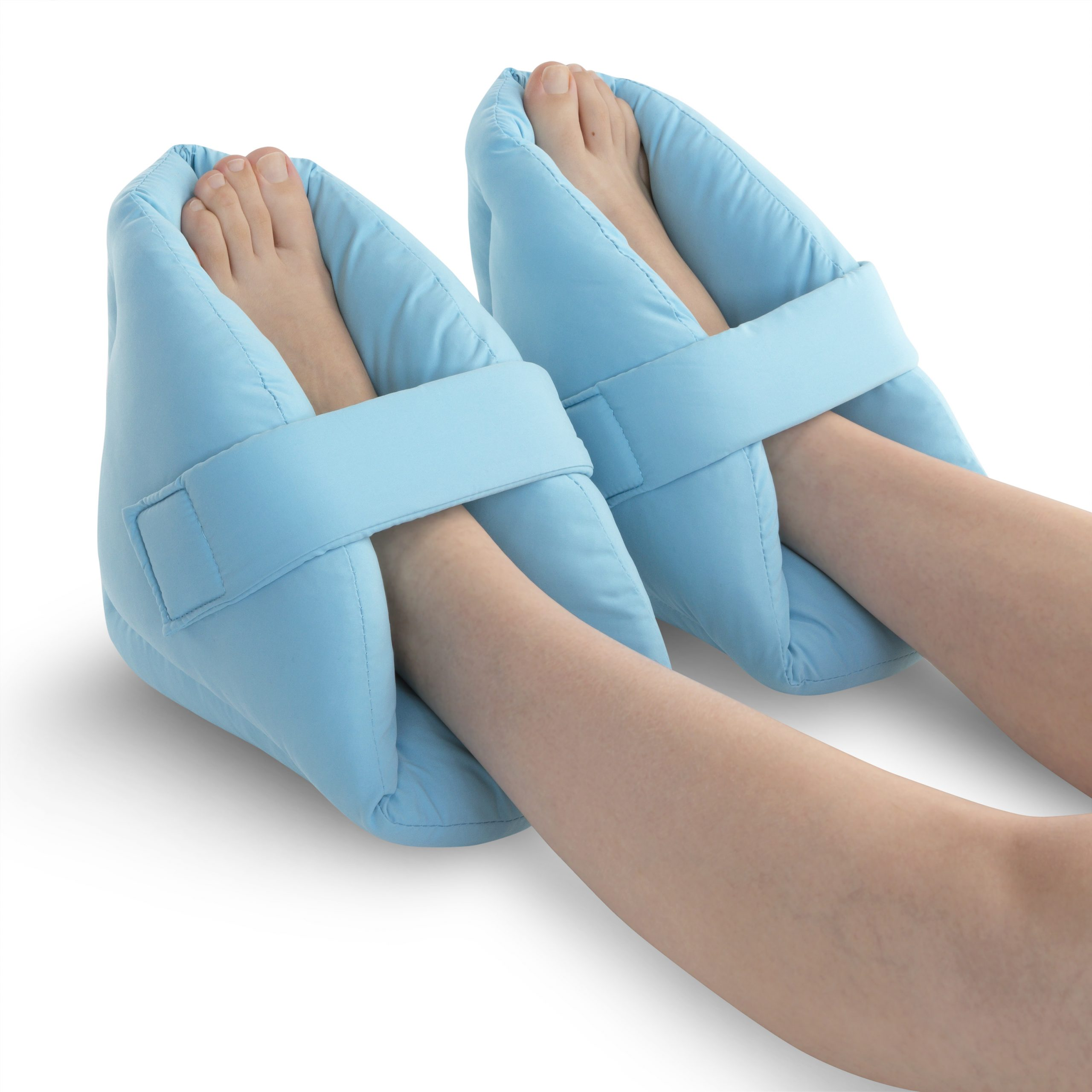
heel + elbow protectors definition
= protect areas that are vulnerable to pressure injuries
heel + elbow protectors purpose
↓ friction / pressure
protects bone prominences
↓ skin breakdown
trochanter rolls definition
= rolled towel / blanket placed along outer side of bed
trochanter rolls - purpose
prevents ext rotation of hip
w/out support = leg rotates outwards naturally

bed cradle definition
= frame placed over bed —> keeps weight of bedding off of pts body
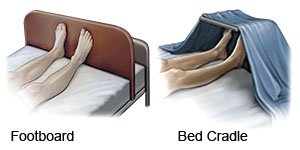
bed cradle - purpose
relives pressure from blankets
prevents irritation
↑ comfort + protects sensitive areas
supported semi fowlers
supine
35—45 degrees
pillows as needed
knees = slightly flexed
semi fowlers purpose
↑ breathing
↑ comfort
facilitates eating / resting
fowler’s position
45—90 degrees
head = elevated
pt = sitting / reclining in bed
fowler’s position - purpose
↑ lung expansion
↑ breathing
useful 4 eating + improves comfort
supported supine position
= lying flat on back
supported w pillows
arms = positioned comfortably
legs are aligned
heels = protected / elevated
supported supine position - purpose
allows 4 examination / care
provides resting position
maintains body alignment
prolonged supine = pressure in sacrum, heels, occiput

30 degree lateral / side lying position
= pt turned partially onto their side —> 30 degrees from supine than ONTO side
30-degree lateral - purpose
pillows used to support:
behind back
b/w knees + legs
under upper arm
spine, hip aligned + knees supported —> reduce pressure on sacrum + maintain alignment
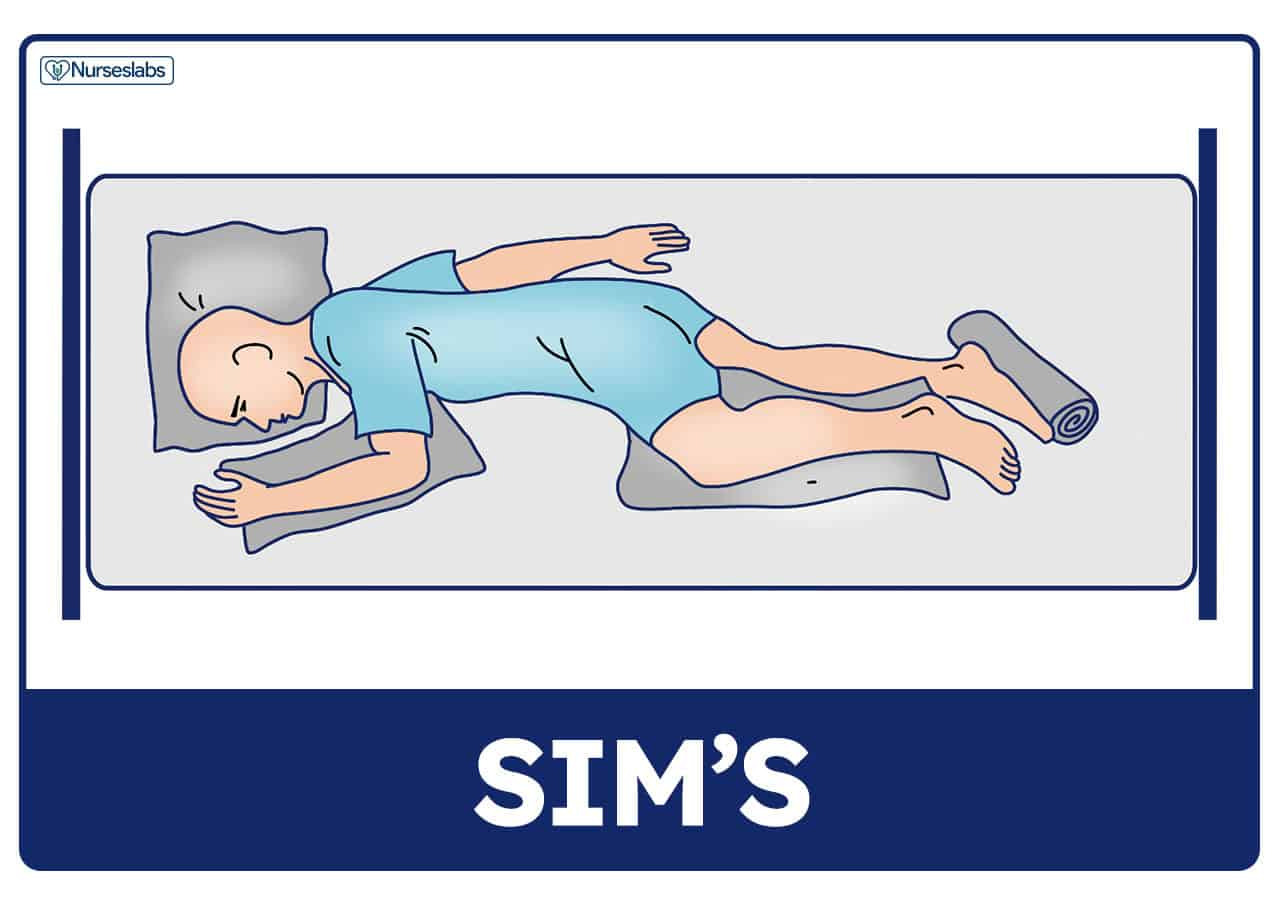
sim’s (semi-prone) position
= b/w side lying + prone (tummy time!)
pt
lies partly on abdomen
turned —> one side
one leg = flexed than other
upper arm positioned comfortably
sims position - purpose
certain procedures
rectal examinations / meds
drainage
comfort post

prone position
= lying on abdomen
pt lies face down
head turned —> one side / supported according 2 procedure
arms = position safely
legs extended
bed positions list
fowlers
semi fowlers
flat
trendelenburg
reverse trendelenburg
30-degree lateral / side lying
sim’s position
prone
bed making types - list
occupied
unoccupied
surgical
surgical bed making - purpose
= prepared to receive pt returning from post surgery
pt is transferred safely + easily from stretcher —> bed
appropriate positioning of linens
extra absorbent / protective materials
equipment is ready 4 postoperative care