Psychopathology Exam 2 | Study Guide
 Call Kai
 Learn
 Practice Test
 Spaced Repetition
 Match
 Flashcards
 Knowt Play
1/67

There's no tags or description
Looks like no tags are added yet.
68 Terms
Clinical Features of Trauma and Stressor Related Disorders
•MOST individuals who experience trauma do NOT develop PTSD
•Vary greatly in severity (dimensional structures less categoric)
•Intrusions (e.g., flashbacks, dreams, memories) & avoidance
•Highly co-morbid (anxiety disorders, mood disorders, alcohol use disorders, chronic pain)
•High risk of suicidality
•Social support is a protective factor
Etiological Considerations of Trauma and Stressor Related Disorders
•Genetic factors – Genetic & environmental; genetic factors that account for the presence of PTSD may also influence exposure to certain types of traumatic events
•Neuroanatomy – increased activation in the amygdala in response to trauma-related stimuli; deficient functioning in the medial prefrontal cortex (inability to regulate the amygdala); abnormalities in the hippocampus (e.g., decreased hippocampal volume risk factor)
•Clearly traumatic life events lead to PTSD (not necessarily a dose-response relationship); assault and sexual assault lead to highest rates
•Cognitive influences – self-blame and guilt strongest indicators of increased severity of symptoms
Diathesis-Stress Model

PTSD Conditioning Model
· US (traumatic event) - UR (fear/horror)
· CS = any stimulus associated with traumatic event
· CR = emotions similar/related to UR (fear, horror, anticipation)
· How do you control the CR? Avoid!
· Pairing of neutral stimuli with unconditioned stimuli to elicit emotional response
· This can be very adaptive- related to our survival
· CS + US --- CR + UR
· CS --- CR (reminders could be internal or external)

PTSD Behavioral Model
• Similar to theory of maintaining anxiety disorders
• Avoidance is a negative reinforcement
• *PTSD can shrink someone's world with avoidance
• The more someone avoids unwanted stimuli, the more the avoidance is reinforced
Trauma & Stressor Related Disorders Diagnostic Considerations
• Determine trauma (experienced, witnessed, learned about, re-exposed)
• Assess if bodily injury; consider if symptoms are due to injury (e.g., TBI)
• Timing (timing since trauma/stressor, when symptoms began/occur, how long the symptoms last)
• Flashbacks and reexperiencing need to be clarified as not hallucinations or other perceptual symptoms
• Identify if / what functional impairment occurs
• Witnessed through electronic media/tv/movies, etc., does not “count” unless work related
• Medical diagnosis does not qualify as a “trauma”
• One dx may be appropriate now, but if symptoms persist, a different diagnosis is indicated
PTSD Prevalence
o Lifetime prevalence – 4.7% in U.S. (11% in conflict-affected populations worldwide)
o Higher among military/veteran populations and individuals whose professions increase risk of traumatic exposure
o Higher rates of PTSD among U.S. Latinx, African Americans, and American Indians compared with White populations
o Cultural considerations – type of trauma the individuals are exposed to; somatic vs. avoidance symptoms
o More prevalent among women
o Most symptoms will appear within the first 3 months after traumatic event
o Trauma (Criterion A), Intrusions (Criterion B), Avoidance (Criterion C), Negative Alterations in Mood and Cognition (e.g., memory loss, feelings of guilt) (Criterion D), Negative Alterations in Arousal and Reactivity (e.g., irritability, vigilance) (Criterion E)
PTSD Specifiers
o With dissociative symptoms: The individual’s symptoms meet the criteria for posttraumatic stress disorder, and the individual experiences persistent or recurrent symptoms of either of the following:
1.Depersonalization: Persistent or recurrent experiences of feeling detached from, and as if one were an outside observer of, one’s mental processes or body (e.g., feeling as though one were in a dream; feeling a sense of unreality of self or body or of time moving slowly).
2. Derealization: Persistent or recurrent experiences of unreality of surroundings (e.g., the world around the individual is experienced as unreal, dreamlike, distant, or distorted).
o With delayed expression: If the full diagnostic criteria are not met until at least 6 months after the event (although the onset and expression of some symptoms may be immediate)
PTSD Differential Diagnoses
o OCD- intrusive thoughts are not about a trauma; are usually accompanied by compulsions
o Major Depressive Disorder – does not include Criterion B or C symptoms; can be diagnosed concurrently
Acute Stress Disorder (ASD) Prevalence
- Clinical picture similar to PTSD (yet symptoms remit within one-month!) (3 days to 1-month of the traumatic event)
- 50% of those with ASD subsequently met criteria for PTSD
- Higher rates (i.e., 19%-50%) were usually found following interpersonal traumatic events (e.g., assault, rape)
- More common in women than men
Onset / Timing of diagnosis for Acute Stress Disorder (ASD)
Symptoms must begin very shortly after a traumatic event; in DSM-5, can be diagnosed 3 days to 1 month after exposure.
Onset / Timing of diagnosis for PTSD
PTSD is diagnosed after the first month (or once symptoms persist past 30 days), or sometimes with delayed onset even much later
Symptom criteria / number of symptoms for Acute Stress Disorder (ASD)
A person must have at least 9 out of 14 possible symptoms in ASD's criteria (intrusion, negative mood, dissociation, avoidance, arousal)
Symptom criteria / number of symptoms for PTSD
The symptom structure is organized into clusters, with a different number of required symptoms in each cluster
Adjustment Disorder Prevalence
- symptoms must revolve in 6 months (but can continue if stressor is going)
- Stressor not a trauma
- the % in outpatient mental health treatment in the U.S. with a principal diagnosis of an adjustment disorder ranges from approx. 5% to 20%
Adjustment Disorder Differential Diagnoses
- PTSD and Acute Stress Disorder: in adjustment disorders, the stressor can be of any severity rather the severity in Criterion A (but can be a trauma)
- If an individual meets criteria for another mental health disorder following a stressor, diagnose them with the other disorder
Adjustment Disorder Specifiers
With depressed mood: Low mood, tearfulness, or feelings of
hopelessness are predominant.
With anxiety: Nervousness, worry, jitteriness, or separation anxiety is
predominant.
With mixed anxiety and depressed mood: A combination of depression and anxiety is predominant.
With disturbance of conduct: Disturbance of conduct is predominant.
With mixed disturbance of emotions and conduct: Both emotional
symptoms (e.g., depression, anxiety) and a disturbance of conduct are predominant.
Unspecified: For maladaptive reactions that are not classifiable as one of the specific subtypes of adjustment disorder.
Acute: This specifier can be used to indicate persistence of symptoms for less than 6 months.
Persistent (chronic): This specifier can be used to indicate persistence of symptoms for 6 months or longer. By definition, symptoms cannot persist for more than 6 months after the termination of the stressor or its consequences. The persistent specifier therefore applies when the duration of the disturbance is longer than 6 months in response to a chronic stressor or to a stressor that has enduring consequences.
Prolonged Grief Disorder Prevalence
- death occurred at least 12 months ago
- prevalence largely unknown; likely around 7-10%
- Mixed research on gender differences
- cultural considerations: grieving practices are important to consider contextually; social standing/status of person who passed away
Prolonged Grief Disorder Differential Diagnoses
- Normal grief: severe grief reactions that persist at least 12 months after the death of a person who was close to the bereaved individual. It is only when severe levels of grief response persist for the specified duration following the death, interfere with the individual's capacity to function, and exceed cultural, social, or religious norms that prolonged grief disorder is diagnosed.
- Depressive disorders: shares several symptoms (low mood, crying, suicidal thinking); however, in prolonged grief disorder the distress is focused on feelings of loss and separation from the loved one
- PTSD: Someone who experiences a death of a loved one from a violent or accidental death may develop both PTSD and prolonged grief disorder. PTSD the thoughts focus on the event (i.e., death) and in PGD the thoughts focus on thoughts about the person who died
Trauma Considerations
- ICD-11 has a diagnosis of "Complex PTSD" - multi-dimensional, repeated traumas, severity
- Uses the term "survivor" - not person-first language; should we be using this word?
- How do we define collective "traumas" such as systemic racism, food insecurity, etc. - important for consideration
Assessment for Trauma and Stressor Related Disorders
- Clinician-Administered PTSD Scale (interview-based instrument)
- Anxiety Disorders Interview Schedule for DSM-V (ADIS-5)
- Posttraumatic Stress Disorder Checklist for DSM-5 (PCL-5): 20-item questionnaire (5-10 minute) widely used
- Acute Stress Disorder Interview & Acute Stress Disorder Scale
Treatment for Trauma and Stressor Related Disorders
- EDMR (community settings)
- Cognitive Processing Therapy & Prolonged Exposure - gold standard effective treatments for trauma disorders
- Individuals with comorbid substance use disorders typically are treated for those disorders first
- Research on Concurrent Treatment of PTSD and SUDs using Prolonged Exposure (COPE) treatment
Major Constructs of Somatic Disorders
- prominent somatic sensations (e.g., pain, dyspnea) or changes (e.g., lumps, rash) associated with distress/impairment
- extremely common; 25% of the pop. seeks medical attention when sensations and changes persist
- up tp 30% seeking medical attention will exhibit clinically significant distress about having an unidentified illness
- DSM-IV focused on "lack of medical explanation" which DSM-V moved away from
Major Considerations of Somatic Disorders
- disorders mostly seen in medical settings(primary care)
- other mental disorders may initially manifest with primarily somatic symptoms (may account for somatic symptoms or co-morbid)
- 2/3rds to 3/4ths of ind. previously diagnosed with "hypochondriasis" are submitted under somatic symptom and others likely fit under illness anxiety disorder
- women typically have a higher prevalence of these disorders
- no longer need to rule organic pathology
Etiology of Somatic Disorders
- somatic symptom concordance rates higher among monozygotic than dizygotic twins (some heritability)
- dysregulation of the HPA axis (cortisol)
- risk factors: adverse childhood experiences & lower SES
- cognitive factors: greater awareness/attention to bodily sensations
Somatic Symptom Disorder Specifiers
with predominant pain (previously pain disorder): this is for ind. whose somatic symptoms predominantly involve pain
persistent: characterized by severe symptoms, marked impairment, and long duration (more than 6 months)
mild: only one of the symptoms specified in Criterion B is fulfilled
moderate: two or more of the symptoms specified in Criterion B are fulfilled
severe: two or more of the symptoms specified in Criterion B are fulfilled, plus there are multiple somatic complaints (or one very severe somatic symptom)
Somatic Symptom Disorder (formerly somatoform disorder) Overview
- symptoms can range from specific (e.g., localized pain) to nonspecific (e.g., fatigue)
- pain is the most common symptom
- symptoms MAY or MAY NOT be explained by a medical condition
- suffering is authentic
- distress content is on their medical symptoms
- high level of healthcare utilization (rarely alleviates person's concerns)
- up to 50% have co-morbid anxiety or depressive disorder
Somatic Symptom Disorder Prevalence
- lack of research on prevalence (~6.7 to 17.4%)
- higher in women
- likely to be undiagnosed in adults 65+ years (e.g., fatigue and pain seen as part of normal aging)
- b/c medical conditions increase in prevalence with age, assess Criterion B symptoms; excessive thoughts, feelings, or behaviors
- other cultures can have unique symptom expression: sensations of heaviness, too much heat in the body, burning in the head, semen loss, "weakness of nerves" (seen in China)
Differential Diagnosis of Somatic Symptom Disorder
- other medical conditions: symptoms w/ an unclear etiology is NOT sufficient for this diagnosis; SSD - more likely to not have remitting symptoms from pain medications, higher stress levels, persistent symptoms w/o cessation
- panic disorder: in panic disorder, somatic symptoms and anxiety tend to occur in acute episodes; in SSD symptoms are more persistent
- OCD: in SSD, the recurrent ideas and thoughts are less intrusive, don't exhibit repetitive behaviors seen in OCD
Illness Anxiety Disorder Specifiers
Care-seeking type: Medical care, including physician visits or undergoing tests and procedures, is frequently used.
Care-avoidant type: Medical care is rarely used.
Illness Anxiety Disorder Overview
- in DSM-IV: hypochondriasis (preoccupation with having a serious disease based on misinterpretation of bodily symptoms)
- in 1/3 of those former cases - illness anxiety disorder implies instead
- somatic symptoms are not present, or if present are mild in severity
- if a diagnosable or medical condition is present, the individual's anxiety and preoccupation are clearly excessive
- distress emanates not primarily from the physical complaint itself, but rather their anxiety about the meaning, significance, or cause of the complaint
- DURATION: at least 6 months
Illness Anxiety Disorder Prevalence
- typically, care-seeking
- DSM-IV criteria: 1.3 to 10% prevalence rate
- equally prevalent in men and women
- onset typically early or middle adulthood
- in older adults, anxiety tends to focus on memory or sensory loss
- co-morbid w/ anxiety and depressive disorders; elevated risk of personality disorder
Functional Neurological Symptom Disorder Specifiers
with weakness or paralysis
with abnormal movement (e.g., tremor, dystonia, myoclonus, gait disorder)
with swallowing symptoms
with speech symptom (e.g., dysphonia, slurred speech)
with attacks or seizures
with anesthesia or sensory loss
with special sensory symptom (e.g., visual, olfactory, or hearing disturbance)
acute episode: symptoms present for less than 6 months
persistent: symptoms occurring for 6 months or more
with psychological stressor
w/o psychological stressor
Functional Neurological Symptom Disorder (Conversion Disorder) Overview
- DSM-IV: called conversion disorder
- one or more neurological symptoms of various types
- symptoms not compatible with existing neurological conditions
- individual can also be diagnosed w/ neurological or medical conditions in conjunction
- diagnosed from the entire clinical picture (not with one medial test)
- Motor symptoms - (weakness or paralysis, abnormal movements, such as tremor, jerks, or dystonic movements; and gait abnormalities);
- Sensory symptoms - (altered, reduced, or absent skin sensation, vision, or hearing);
- Other symptoms: reduced or absent speech volume (dysphonia/aphonia); altered speech articulation, prosody, or fluency; a sensation of a lump in the throat (globus); and diplopia (seeing two images).
- Episodes of apparent unresponsiveness with or without limb movements may resemble epileptic seizures, syncope, or coma (also called dissociative, psychogenic, or nonepileptic seizures or attacks).
Functional Neurological Disorder Prevalence
o Onset trauma/stress in 50% of cases
o Concept of secondary gain (i.e., when individuals derive external benefits) is not specific to this disorder
o Prevalence unclear (uncommon); commonly presenting in neurology clinics
o The mean onset peaks at ages 20–29 years, and motor symptoms have their mean onset at ages 30–39 years. The symptoms can be transient (lasting only a short time) or persistent
o 2 – 3x more common in women than men
Functional Neurological Disorder Specifiers
o With weakness or paralysis
o With abnormal movement
o With swallowing symptoms
o With speech symptom (dysphonia, slurred speech)
o With attacks or seizures
o With anesthesia or sensory loss
o With special sensory symptom (visual, olfactory, hearing disturbance)
o With mixed symptoms
o Acute episode (less than 6 months)
o Persistent (longer than 6 months)
o With psychological stressor (specify stressor)
o Without psychological stressor
Functional Neurological Disorder Differential Diagnoses
o Recognized neurological condition – can co-occur with a recognized neurological condition
o Somatic symptom disorder – (can co-occur); for SDD the symptoms clearly are incompatible with a neurological condition; for FNSD the symptoms must be proven incompatible with a neurological condition
Overview of Psychological Factors Affecting Other Medical Conditions
o Examples: psychological distress, patterns of interpersonal
interaction, coping styles, and maladaptive health behaviors, such as denial of symptoms or poor
adherence to medical recommendations
o Often difficult to provide evidence for a clear causal relationship
o Prevalence unclear
o Can occur across the lifespan
Psychological Factors Affecting Other Medical Conditions Differential Diagnoses
o Often other mental health disorders (e.g., alcohol use disorder) might cause secondary medical conditions – in that case, diagnose the other mental health disorder and the medical condition (this diagnosis is best when someone doesn't meet criteria for another mental health disorder)
o Mental disorder due to another medical condition – presumed causality is the opposite direction
Factitious Disorder Overview
o Imposed on Self
o Imposed on Other (perpetrator, not victim, given the diagnosis)
o Falsifying or misrepresenting medical symptoms even in the absence of external rewards (conscious misrepresentation and deception)
o Prevalence largely unknown (~1%)
Factitious Disorder Differential Diagnoses
o Malingering – intentional reporting of symptoms for personal gain (e.g., money, time off work) (can co-occur)
§ Parents might deny child abuse – external reward is avoiding legal consequences
o Somatic symptom disorder & Illness Anxiety Disorder – may be excessive attention seeking but there is not evidence that the individual is falsifying or misrepresenting their symptoms
Assessment of Somatic Disorders
· Structured clinical interviews: Structured Clinical Interview for the DSM-V & Health Preoccupation Diagnostic Interview
· Self-report measures: Patient Health Questionnaire-15, Health Anxiety Questionnaire
· Might also screen for anxiety and depression symptoms
· Medical examination (no longer needed to "rule out" an organic cause)
Treatment of Somatic Disorders
· Trust between patient and medical providers, including mental health professionals is needed
· Communication is needed between medical professionals and mental health professionals
· Cognitive behavioral therapy can reduce health-related anxiety symptoms
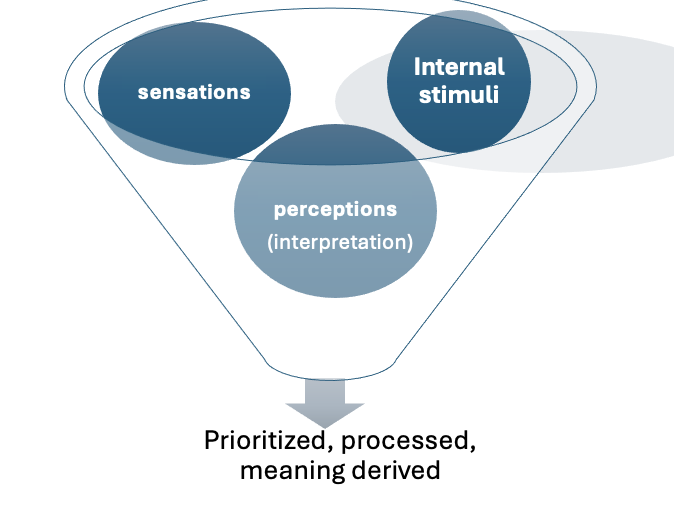
Typical Thinking (Psychotic Disorders)
· Executive functioning – inhibition, attention, filtering information based on accuracy and utility and category, working memory, and goal-directed behavior
· We do this all the time, actually very challenging and tenuous;
o Can be thrown off by illness, stress, fatigue, immune dysfunction, substances, strange lighting/sounds etc.· Executive functioning – inhibition, attention, filtering information based on accuracy and utility and category, working memory, and goal-directed behavior
· We do this all the time, actually very challenging and tenuous;
o Can be thrown off by illness, stress, fatigue, immune dysfunction, substances, strange lighting/sounds etc.
Delusion vs. culturally sanctioned “odd” or “irrational” beliefs
• Human tendency to enjoy sharing and learning novel/interesting information
• Social groups can confer and reward bizarre beliefs, then we seek out additional information to confirm those beliefs (confirmation bias)
• Likewise, social isolation, living online may lead to bizarre beliefs
• Misinformation can also be dangerous
Etiology of Psychotic Disorders
Etiological models
· Operation conditioning in delusions and hallucinations (increase when reinforced)
· Stress-Vulnerability model – stressful life events and poor coping strategies increase vulnerability

Cultural Factors relevant to Psychotic Disorders
• Higher prevalence among populations from urban environments, refugee groups, lower SES, groups facing oppression
o Higher levels of discrimination or fear of discrimination
o Less social support and higher isolation
o Decreased mental health resources
o Over-diagnosis
• Respectful of differences in body language, eye contact, emotional expression that vary by culture
• In some cultures & religions, hallucinations are viewed as a positive spiritual sign
• Across cultures, women fair better than men, who tend to have more pronounced negative symptoms and cognitive impairment
Overview of Psychotic Disorders
· Most debilitating and costly of all adult psychiatric illness
· Heterogenous spectrum
· About 25% of psychiatric hospital beds are occupied by persons with schizophrenia
· Largely stigmatized
· Although associated with hostility and aggression, spontaneous or random assault is uncommon (more frequently victimized than cause crimes)
Key Features of Psychotic Disorders
• Delusions – fixed beliefs that are not amenable to change regardless of conflicting evidence
• Hallucinations – perception-like experiences that occurring without external stimulus
o Auditory are the most common (inaudible noise, abusive voices, kind voices, running commentary)
• Disorganized thinking
o Derailment or loose associations, tangential speech (unrelated topics)

Behaviors & Symptoms of Psychotic Disorders

Schizophrenia prevalence
o 22 million people in the U.S. (lifetime prevalence 0.3% to 0.7%)
o Men – more negative symptoms, longer duration, poorer outcomes
o Women – more mood symptoms, briefer episodes, better outcomes, onset is later (2nd midlife peak)
Schizophrenia specifiers
o Acute episode = time-period when symptom criteria are fulfilled
o First episode or multiple episodes?
o Partial or full remission?
o Specify current severity (push toward spectrum diagnosis)
Schizophrenia Associated Features
o Inappropriate affect
o Dysphoric mood
o Disturbed sleep pattern
o Insight can fluctuate
o Highly co-morbid – highest rates of tobacco use disorder, anxiety, phobias
o Poor engagement in health behaviors increases chronicity
o Negative symptoms associated with more chronic
Schizoaffective Disorder Prevalence
o 1/3 as common as Schizophrenia
o Occupational and social functioning is frequently impaired, although this is not a defining feature (in contrast to schizophrenia)
Schizoaffective Disorder Differential Diagnoses
o Major depressive or bipolar disorder with psychotic or catatonic features – if delusions or hallucinations are present exclusively during depressive or manic episode, its not schizophrenia
o Schizophrenia – if mood symptoms are present for only a relatively brief period, the diagnosis is schizophrenia (Criterion C)
Delusional Disorder Prevalence
o Low prevalence (0.2%); more prevalent in older adults
o Timeline – one month or longer
o Do not diagnose if someone meets criteria for Schizophrenia
o Medical exam necessary
o May accept that others view their beliefs as abnormal but don't accept it themselves
o No sex differences (although types might differ)
o Global functioning generally better than Schizophrenia
Delusional Disorder Differential Diagnoses
o OCD and BDD – if meet criteria for these, don't diagnose with Delusional Disorder
o Schizophrenia – in Schizophrenia, delusions show greater disorganization, in DD delusions show greater conviction
Schizophreniform Disorder Prevalence
o Characteristic symptoms identical to Schizophrenia except in duration (at least 1 month up to 6 months)
o 2/3rds will subsequently meet criteria for Schizophrenia or Schizoaffective Disorder
o Similar prevalence to Schizophrenia
Brief Psychotic Disorder Overview
· Criterion A for schizophrenia
· Duration – at least 1 day but less than 1 month
Brief Psychotic Disorder Differential Diagnoses
o If symptoms persist for 1 month or longer should be diagnosed with Schizophrenia, Delusional Disorder, Depressive disorder with psychotic features, bipolar disorder with psychotic features, other specified
o Don't diagnose if better explained by mood disorder
Substance/Medication-Induced Psychotic Disorder Overview
· Criterion A symptoms developed during or soon after substance intoxication or withdrawal
· Between 7% and 25% of those presenting with first episode of psychosis are reported to have this disorder
· Initiation of psychotic symptoms varies by substance
· Common substances: cocaine, amphetamines, LSD, mushrooms, PCP, alcohol, inhalants, sedatives, hypnotics
Treatment of Psychotic Disorders
· Antipsychotic Medication
o First generation & 2nd generation (e.g., clozapine, risperidone)
· Psychotherapy
o Treatment progression generally judged by a reduction in symptoms
o Individual & family psychoeducation
o Medication management
Social skills training
Dissociative Disorders Overview
a disruption of and/or discontinuity in the normal integration of consciousness, memory, identity, emotion, perception, body representation, motor control, and behavior
if psychotic symptoms, such as delusional beliefs, are present one must consider another disorder outside of this spectrum
individuals with dissociative disorders typically fall within normal ranges on intelligence and neuropsychological tests
Etiology of Dissociative Disorders
very high rates of childhood trauma reported among individuals with dissociative disorders; many believe there is a direct link
yet, this research has limitations and trauma history is not present in all cases
social and cultural reinforcements
sleep-dissociation perspective
Dissociative Identity Disorder Prevalence
•12-month U.S. prevalence is 1.5%
•Possession of external identities (e.g., demons, spirits), and less typically non-possessed identities (e.g., alternative identities)
•Rarely do individuals present with discontinuous identities (much more subtle)
•Highly variable in presentation (e.g., body feels different, lack of agency, hear voices)
•Dissociative fugues, with amnesia for travel can be common
•The disturbance is not a normal part of a broadly accepted cultural or religious practice
•2-10% of diagnoses attributed to malingering
Dissociative Identity Disorder Differential Diagnoses
•Bipolar II disorder, with mixed features- rapid shifts in behavioral state in DID (minutes or hours)— atypical for even the most rapid-cycling individuals with bipolar disorders
•PTSD - Most with DID will have symptoms that meet diagnostic criteria for comorbid PTSD. Dissociative symptoms characteristic of DID should be differentiated from the dissociative amnesia, dissociative flashbacks, and depersonalization/derealization characteristic of acute stress disorder, PTSD, or the dissociative subtype of PTSD. Dissociative amnesia in PTSD typically manifests only for specific traumatic events or aspects of traumatic events, as opposed to the chronic, complex dissociative amnesia characteristic of DID. Depersonalization/derealization symptoms in the dissociative subtype of PTSD are related to specific posttraumatic reminders. Depersonalization/derealization symptoms in DID may occur not only in response to posttraumatic reminders, but also in an ongoing fashion in daily life, including in response to stressful interpersonal interactions and when there is overlap/interference between states
Dissociative Amnesia Overview
•Localized amnesia most common (amnesia around a certain event or time)
•12-month prevalence 1.8%
•Specify with dissociative fugue
Other Specified Dissociative Disorder
1.Chronic and recurrent syndromes of mixed dissociative symptoms
2.Identity disturbance due to prolonged and intense coercive persuasion
3.Acute dissociative reactions to stressful events
4.Dissociative trance