Plant Bio Exam 2 Practice Questions
 Call Kai
 Learn
 Practice Test
 Spaced Repetition
 Match
 Flashcards
 Knowt Play
1/24

There's no tags or description
Looks like no tags are added yet.
25 Terms
Bilateral (meaning not radial) symmetry or fused sepals and petals can
Be considered modern features of flowers and are likely the result of co-evolution between flowering plants and pollinators
Plant growth occurs within
Apical meristems, axillary meristems, lateral meristems
The cell type that helps to move water from roots to shoots
Xylem
In the angiosperm flower the pollen and the embryo sac represent the gametophytes (T/F)
True
De-differentiation is the process by which the somatic cells reactivate the cell cycle and develop new organs or entire organism (T/F)
True
In the root growth zone, cell division primarily occurs in
Meristematic zone
Pollen are
microgametophytes that give rise to and carry sperm cells

The leaf on the left represents a monocot plant, the leaf on the right a dicot plant (T/F)
True
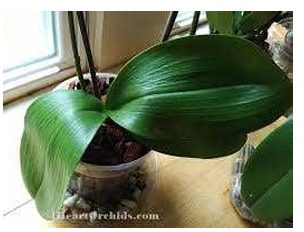
Monocot or dicot?
Monocot (parallel veins
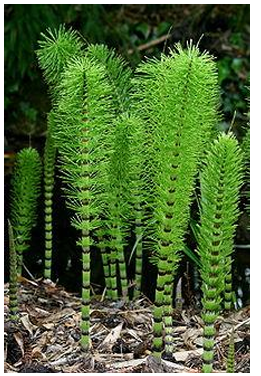
Monocot or dicot?
Neither, non flowering plant
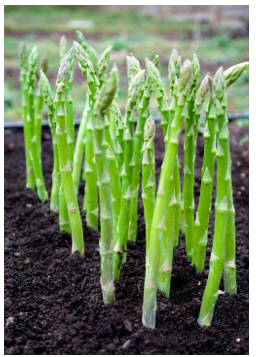
Monocot or dicot?
Monocot

Monocot or dicot?
Monocot
The flower head of an Asteraceae flower represents just a single flower (T/F)
False
In vascular tissues, water movement is facilitated by
Xylem
Sieve element is a component of
Phloem
Collenchyma cells are dead at maturity (T/F)
False
Root hairs in plants originate from cortical cells (T/F)
True
Suberin, as secondary cell wall thickening, is present in
Roots and Stems
Lateral roots are initiated by de-differentiation of
Pericycle cells
Axillary meristems are speculated to develop from
Totipotent cells left in leaf axils from shoot apical meristems and de-differentiation of cells in the axils of leaves
Meristemoid cells in leaves remain undifferentiated while leaf expansion can develop into
Stomata, trichomes, pavement cell
Modifications of leaves
Traps in carnivorous plants, thick fleshy leaves in succulents, thorns in cactus, tendrils in vining plants
Polycarpic plants, flower and produce seed many times during their life cycle (T/F)
True

Which floral organs would develop in each whorl based on the indicated gene expression patterns?
Whorl 1-sepal, whorl 2-petal, whorl 3-petal, whorl 4-sepal

Archaic or modern features and why?
Archaic characteristics - no distinct sepals and petals, indefinite number of flower parts, radial symmetry