Lab Exam
 Call Kai
 Learn
 Practice Test
 Spaced Repetition
 Match
 Flashcards
 Knowt Play
1/138

There's no tags or description
Looks like no tags are added yet.
139 Terms

Augute
No uses
No clevage

Biotite Mica
make up
1 direction of clevage

Calcite
Anite Acids
3 directions of cleavage not at 90 degrees

copper
luster
no cleveage

Corundum
Jewerly
No cleevage

Galena
led bullets and batteris
3 directions of cleavage at 90 degrees

Gypsum
cermic drywall
no cleveage

Hermatite
Jewelry and steel
no clevage

Koalinte
cermics
no cleavage

Muscovite

Olivine
Jewery and Iron
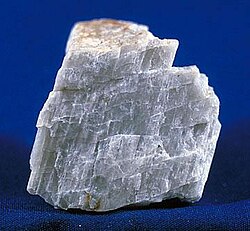
Plagioclase Feldspar
Jewerly and Cermics
two directions of cleavageat 90 degrees

Potassium Feldspar
false teeth cermics
2 directions of cleveagae

Pyrite
sulfid acid
no clevage

talc
baby powder
no cleavage
latitude linesa are
horritzontal
longiude line are
horrizontal
Cardinal Dirction
N, S, E, W
The lithosphere
is the rigid, solid outer layer of Earth.
What does the lithosphere consits of? (2)
1) The earths crust
2) Upper most mantle
The mantle
the thick layer of Earth found between the crust and the core.
What is the main difference between lithosphere and mantle
Lithosphere-
rigid and hard
coolers
forms tectonic plates
Outer Layer of Earth
Mantle-
Hot and sloly flowing
hot
helps drive plate motion
lies benath the earth
What are plate boundaries?
Plate boundaries are the places where two tectonic plates meet.
What are the three main types
1) divergent
2) convergent
3) Transform

Diverent
What haoens during a diveregent boundaires?
Magma rises from the mantle.
Magma cools and forms new oceanic crust.
This process is called seafloor spreading.
Earthquakes are usually shallow.
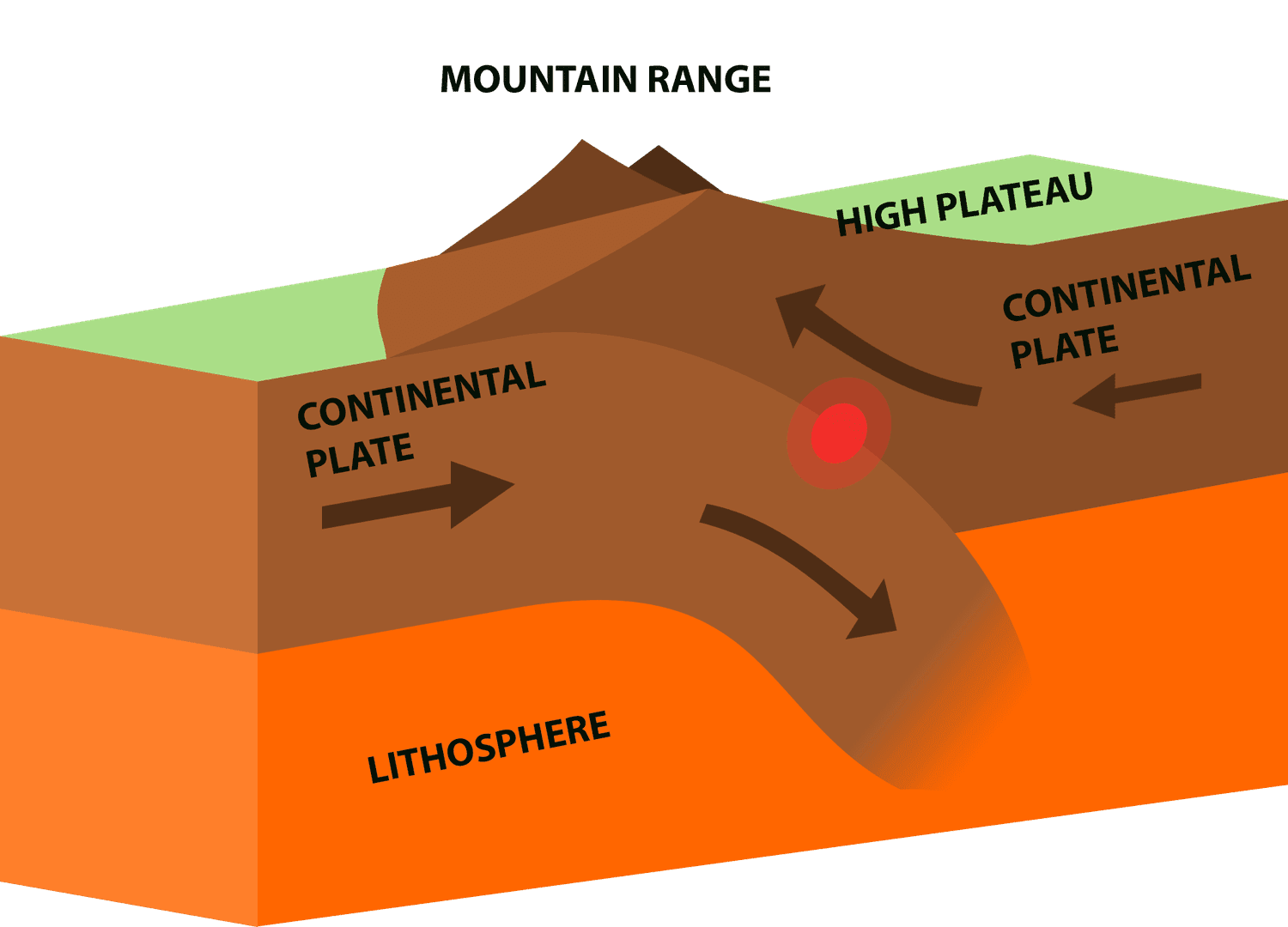
Convergent
More on Convergent
Old oceanic crust is recycled into the mantle.
Earthquakes can be shallow, intermediate or deep.
Volcanoes and mountain ranges can form.
Subduction.
process in plate tectonics where the edge of one tectonic plate slides or sinks beneath another plate and descends into the Earth's mantle

Transfrom boundary
More on Transfrom boundary
Friction causes stress to build up.
When the stress is released, earthquakes occur.
Earthquakes are generally shallow.
Crust is neither created nor destroyed.
Shallow Earthquake
0–70 km and All three types of plate boundaries
Intermideitate
70–300 km and Mainly subduction zones
Deep earthqucks
300–700 km and Subduction zones
Beniof zone
It is found at subduction zones, where one tectonic plate moves beneath another and sinks into the mantle.
oceanic–oceanic convergent boundary
occurs when two oceanic tectonic plates move towardseach other and collide.
O-O froms
Deep ocean trenches
Volcanic island
Beniof zone
Oceanic and Continental
Occurs when an oceanic plate and a continental plate move towards each other and collide.
Oceanic and Continental examples
Earthqucks
Ocean Trenches
Continental- Continental
Two tectonic plates move towards each other
continental-continetal examples
Fold mountains
Plate motion formuala
Speed = Distance ÷ Time
Why do earthquakes occur
Plate Movement
Friction and Stress
Energy Buildup
The Sudden Slip
Seismic Waves
Where do earthqucks occure?
Along plate boundaires
Mafic Magma
45-52% silca
low visocity
moves fast
not explosive
Intermidete
52%-66%
Sheild Volcano
Very wide with gentle slopes.
Formed by runny, low-viscosity mafic magma.
Usually has gentle, less explosive eruptions.
Example: Mauna Loa in Hawaii.
Composite volcano
all, steep-sided, cone-shaped volcano.
Made of alternating layers of lava and ash.
Often has explosive eruptions.
Usually contains intermediate magma, although magma composition varies.
Example: Mount Fuji.
Cinder cone volcano
Small, steep-sided volcano.
Made from volcanic ash, cinders and rock fragments.
Usually forms from short-lived explosive eruptions.
Example: Parícutin.
Lava dome volcano
Rounded, steep-sided mound.
Formed by thick, sticky lava that does not flow very far.
Can create dangerous explosive activity if pressure builds up.
Example: Mount St. Helens.

Basalt
mafic

Andersite
-Intermdiate

Rhyolte
Rhyolite
Felfic

Grainte
Felsfic

Gabbo
Mafic

Diorite
Intermediate
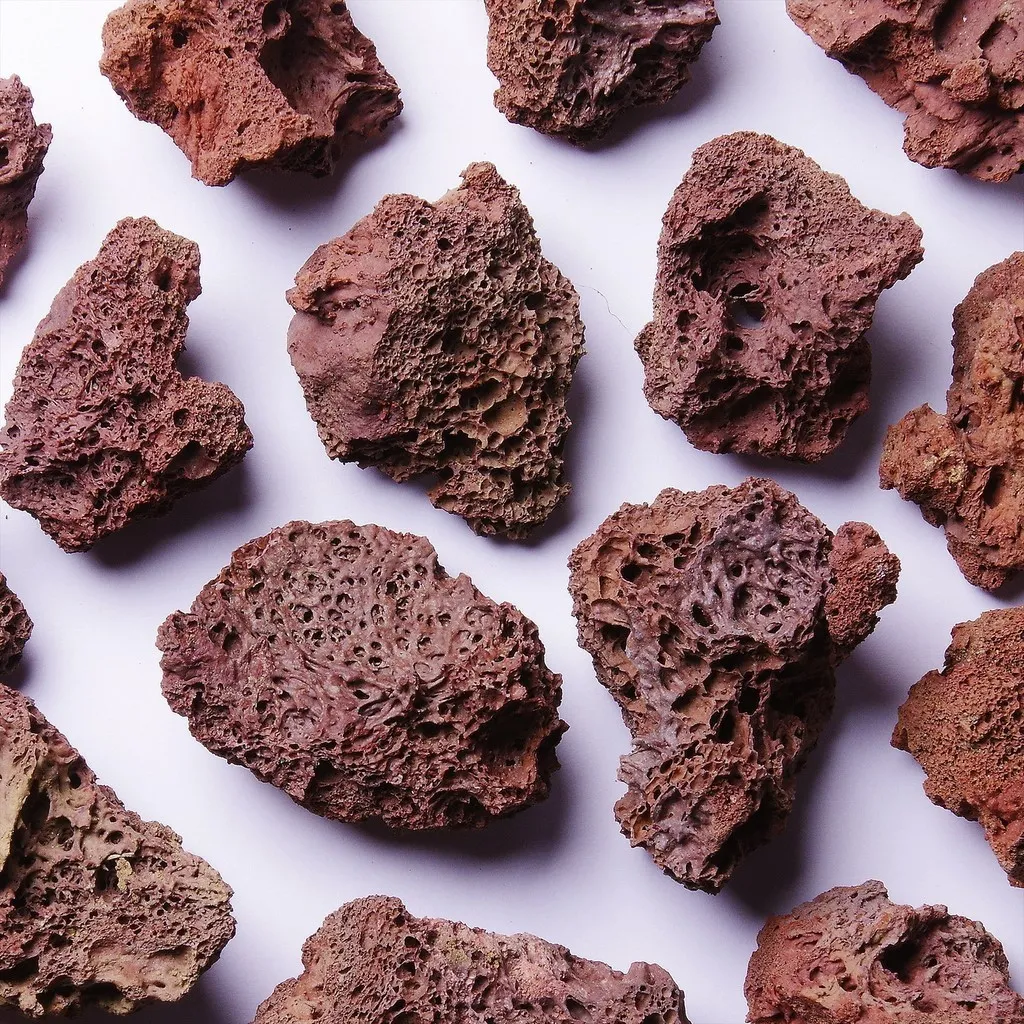
Scoria

Prumice

Obsidian
Coarse Grained
composed of large particles
Example: Igneous Rocks
Phanertitrc :
an igneous rock texture where the mineral crystals are large enough to be seen and distinguished with the unaided naked eye
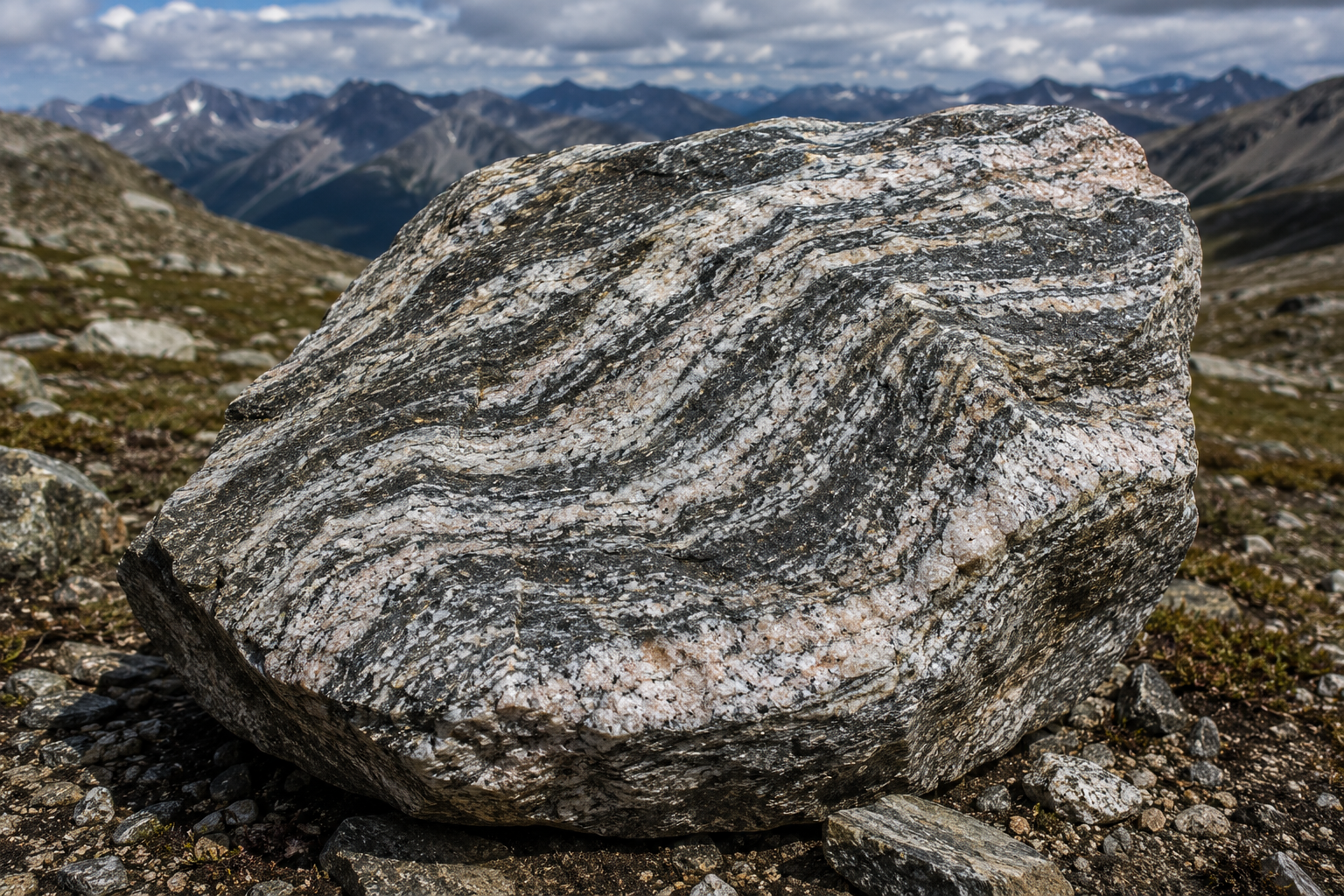
Gneisis
Parent rock granite
Foliated

Marble
Parent Rock Limestone
Non- Foliated

quartize
Parent Rock - Quartz
Non- Foliated

Phylite
Paarent Rock Slate
Foliated
What actors generate Folication
differential stress, intense heat, and the mineral composition of the original rock.
two different causes of landslides
anthropogenic (human) or natural
how to calculate gradient on a topographic map
vertical distance/horzontal distance
Meander
A bend or curve in the river.
River cliff (cut bank)
The steep outer bank of a meander.
Slip-off slope (point bar)
The gently sloping inner bank.
Floodplain
Flat land on either side of the river.
Erosion with streams
takes place OUTSIDE of the bend and moves fast
deposit
takes place inside and moves slowly
deposition
droping off sediment
flood plan
flat area where water can easily cross on both sides
sinuoristy
how much the river bends
gradient
steepness of the river
sinuosity formula
Sinuosity Index (SI)=Actual Path Length (Channel Length)
Shortest Straight-Line Distance (Valley/Euclidean Length)
gradient formula
rise over run
The higher the sediment size means
The higher the engery needed
What channel would all sediment be deposited?
Stream
What channel would bigger sediment be deposited?
Point bar
What channel would small sediment be deposited?
Floodplain and delta
Moutains can cuase what type of floods
flash floods
Lowland cuases what type of floods
flatter and low laying floods
passive margin
the edge of a continent that is NOT an active plate boundary. It’s where theland slowly slopes down intothe ocean, without much earthquake or volcanic activity.
active margin
this is when two tectonic plates meet and interact, they cause earthquakes, volcanoes, and mountain building.
longshore drift
transportation of land sediment
pebbels transportation
short with high engery
sand transportation
long and low
storm surge
rise of sea water during a storm
Example of a man made stabilization
groin
Groin
manage sediment movement and prevent erosion
Jettie
made of stone, concrete, or wood that extends from the land out into a body of water such as an ocean, lake, or river
hard
inlet
where the tide goes in and out of the march
poritsy
amunt of pore space
permeability
pathway for waater to exit
permiablity of pepbles
They are sorted well
they are rounded
high permiabilty
great aqurifer
permiablity of sand
-often well sorted
often rounded
flat or rounded
intermediate to high
good aquifer