Ecology exam 3
 Call Kai
 Learn
 Practice Test
 Spaced Repetition
 Match
 Flashcards
 Knowt Play
1/118

There's no tags or description
Looks like no tags are added yet.
119 Terms
who was Gause?
A Russian biologist who first observed predation
What were the organisms Gause studied
Prey- paramecium
Predator- Didinium nausutum
Predator ate prey
What is functional response
The relationship between per capita rate of consumption and the number of prey
the number of prey consumed/predator/unit of time
ex. 4 mice/black rat snake/mouth
What is numerical response
The rate of reproduction of a predator in response to the availability of prey
what are stages of predation
search time
handling time
chase time
capture time
consumption time
what is a functional responce curve
a graph that depicts predator consumption based on prey availability
3 types, 1, 2, 3
what is a type 1 functional response
predator-prey interaction where the number of prey captured by a predator per unit time increases with the increase number of prey
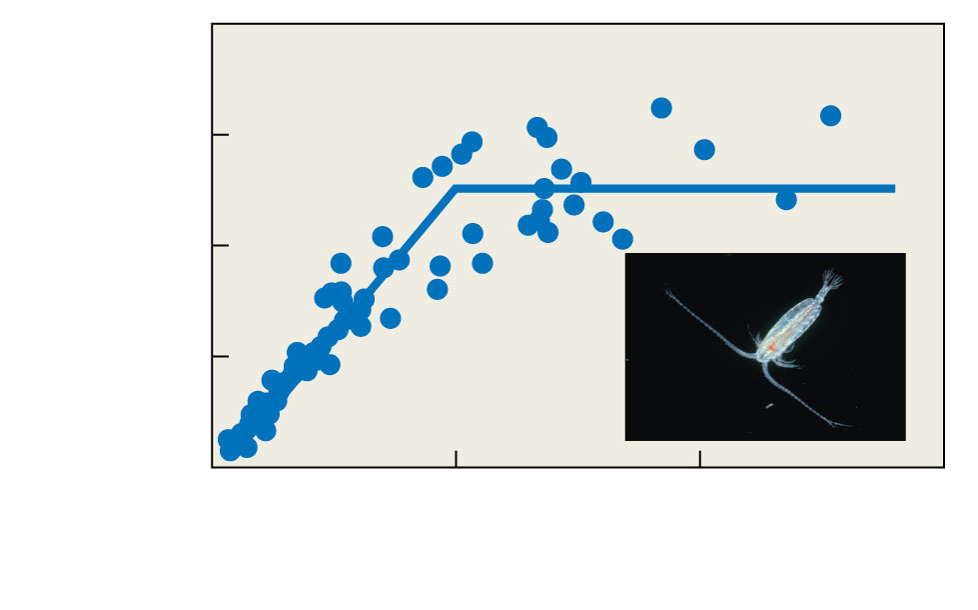
more prey- a predator can catch more in a certain amount of time
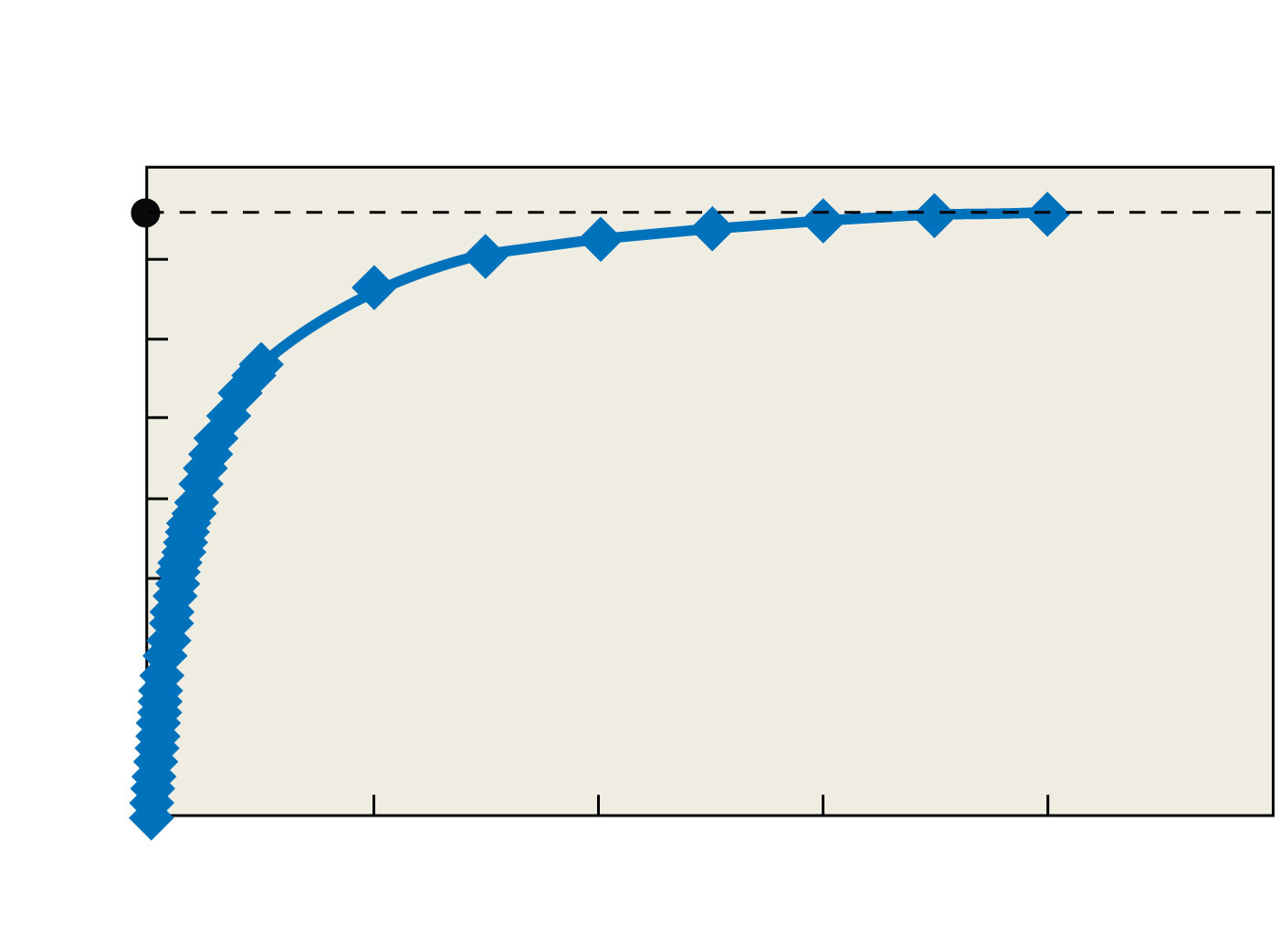
what is a type II functional response
type of predator-prey reaction where as the number of prey increases the predator catches more prey but starts to slow down and reach a limit (handling time)
predator is physically limited by how fast it can catch, eat and digest
makes a asymptote
what is a type III functional response

Prey consumption is initially low but increases as the rate of predation approaches the maximum
S-shape curve
what are some reasons for a type 3 functional response graph
Available cover where prey can hide
search image of predator
availability of alternative food sources
what is a search image
a method of seeing a species as a potential snack
what is switching
when a predator abandons a normal prey when it is scarce so it goes for more abundant (alternative) prey
What is an aggregative response
The tendency of predators to move into areas of high prey density

what is the optimal foraging theory
balancing the energy spent looking for food vs. the energy value of the food
what are defense mechanisms (theres so many sorry)
chemical defense
Cryptic coloration
Object resemblance
Flashing coloration
Aposematism
Batesian mimicry
Müllerian mimicry
Protective armor
Behavior defenses
Constitutive defenses
Predator satiation
Induced defenses
what is predator satiation
a defence system using synchronized reproduction so they prey species is so abundant preds can only consume some of them.
this ensures some of the young can survive and reproduce
what are induced defenses
denfense tactics that are initiated by the presence or action of a predator
what is a browse
buds and twigs of edible woody plants sought by herbivores
what is the maximum sustainable yield
the balancing point where production of new individuals offsets the mortality caused by harvest
what is a planktivore
aquatic herbivores that feed on phytoplankton
what is a chemical defense
a defense system against predators with chemicals
can be a warning signal to other members of the species
or an irritant to repel the predator
what is cryptic coloration
a defense system using colors and patterns that enable an organism to blend into its surroundings
thing from tangled
what is object resemblance
defense system that enables an organism to closely resemble another object
what is flashing coloration
defense system that equips an organism to flash visible warning colors or patterns
to warn other members of the species and distract and scare predators
what is aposematism
a defense system that equips organisms with a bright, bold color to warn predators
used in association with chemical defense
also called warning coloration
ex. skunk
what is batesian mimicry
defense where organism has the same color as a toxic species.
Only one is toxic but they look alike
ex. monarch and viceroy
what is mullerian mimicry
defense where many species that use chemical defense have the same color and pattern
both toxic and look alike

what is protective armor
defense system with a spiny coat or shell
what are behavioral defenses
when organisms alter their behavior to avoid detection, flee, or gather for safety
what are consitutive defenses
permanet defense systems that are fixed on an organim
turtle
what are structural defenses
defnese in plants useing physical features of the organism
catus
what are secondary compounds
plant compounds produced ONLY for defense, not for metabolism
what are quantitative inhibitors
secondary compounds produced in large quantities to deter predators
what are qualitative inhibitors
secondary compounds produced by plants in small but toxic doses
ex. caffeine and nicotine
what can plant defenses be
Constitutive: fixed feature of the organism
active: initiated by an attacking herbivore
what months have the highest tick transmission
April- October
4 factors that affect disease transmission
tick abundance
deer population
greater recogniton of disease
more wooded residences
what is a vector
an organism that transmits a pathogen between hosts
what is a reservoir
an organism or environment where a pathogen normally lives and persists
what is the proper way to remove a tick
grab tick close to the skin
what tick is associated with lyme disease
the deer ticks (blacklegged tick, Ixodes scapularis)
what is the goal of tick control strategies
reduce tick populations and human exposure
what is a 4-poster deer treatment bait station
paintrollers have permethrin and they roll on the head of deer as they are eating
what does hematophagous mean
feeding on blood
what are the stages of mosquito life cycle
egg - larva - pupa - adult
how can you distinguish male and female mosquitoes
males have large plumose antennae, females have normal antennae
what are 3 classic ticks in ohio
american dog tick
lonestar tick
blacklegged tick
what tick gives lyme disease
deer tick
where are mosquito eggs laid
on the surface of water
what transmits malaria?
Anopheles mosquitoes infected by Plasmodium protozoa
what is the west Nile virus
transmitted to birds by infected mosquitos
what is a food chain
a model for a feeding relation among multiple species indicating the direction of energy flow
what is a keystone species
a crucial species in a community whose disappearance or reduction would cause collapse of the community
what is a food web
a model for feeding relationship that link multiple food chains
what is a basal species
the species at the start of the base of a food chain
usually an autotroph
what is an intermediate species
species in the middle sections of a food chain that eat the basal species but are consumed by predators
what is the top predator
the highest predator in a food chain that is not consumed by any other species
what is the number of possible links in a food web
calculated as the number of species squared
what is connectance
a proportional measure of the actual number of observed links in a food web divided by the maximum possible number of links
what is linkage density
a measure of the average number of observed links per species in a food web
#observed links/#species
how do you find the mean chain length
(sum species in all chains)/(#chains)
what decreases as species richness increases and why
connectance because the members of the food web have more food options and are less dependent on a particular species
what increases as species richness increases in a food web and why
linkage density and mean chain length
there are more members that can interact so the food chain can extend longer
what is a compartmentalized food web
a food web where a group of species show regular interaction among themselves BUT not with the rest of the members of the food web
what is a trophic level
a description of a species diet type and position in a food chain
what is a guild
a group of species that use the same suite of resources
ex. shredders, piercers, collectors, scrapers, predators
what is a community
a group of species that live in a given area and interact with each other directly or indirectly
what is relative abundance
the proportion of a particular species in a community
ex. 10 deer in a forest of 1000 organism
what is a rank-abundance diagram
a graph that shows the rank and relative abundance of each species

in a community from most to least abundant (graveyard)
what is species evenness
a measure of how evenly the individuals are spread among the different species
what is species diversity
a measure of the number of individuals of each species and the relative abundance of each within a community
what is Shannon index
a widely used index that reflects species richness and relative abundance
what does the Shannon index reflect
diversity
the higher the values, the higher the diversity
typically the Shannon index will be less than 4
what is a dominant species
a species that predominates in a community due to its greatest abundance or highest biomass
what is bottom-up control
a food chain structuring system where the productivity and abundance of lower trophic levels influence higher trophic levels
ex. locusts
what is top-down control
a food chain structuring system where the abundance of predators controls the abundance and activity of lower trophic levels
what is a trophic cascade
predators keep prey populations low (eat them), which allows the organisms that eat the prey (lower trophic level) to increase
wolves eat deer, less deer means more buds on trees
what does the world is green mean
The accumulation of plant biomass because of the effects of predators controlling herbivore populations
what is a patch mosaic
a patchwork of different types of land cover within the same landscape, from an aerial view
ex. woods, farmscape, grass
what is landscape ecology
a branch of ecology dealing with the composition, structure, and function of landscapes
how is landscape ecology unique
focus on spatial heterogeneity
broader spatial focus than other branches of ecology
emphasizes human influence on landscape formation
what forms landscapes
abiotic factors- nonliving- weather
biotic factors
natural disturbances- forestfire
human activities
what is disturbance
any relatively discrete event that disrupts community structure and function
what is a pulse disturbance
a brief event with a definite start and end
tornado
what is a press disturbance
an ongoing disturbance that may last months or years
parking lot
what is a ramp disturbance
a disturbance that increases with intensity over time
what are 3 types of disturbances
pulse
press
ramp
what is habitat fragmentation
when one large habitat gets broken up into smaller pieces
ex. ag, mountains, highways, oil pipelines
what is a patch
an area of essentially homogeneous habitat that is different from surrounding habitat areas

what is the matrix
the communities surrounding a patch
ex. the field areas located within a forest matrix

what is a patch boundary
the area where the edge of one patch adjoins the edge of a neighboring patch

what is connectivity
the level of interaction between patches that is enables by connections between them
what is a corridor
a strip of habitat that connects patches, allowing animals to move between them
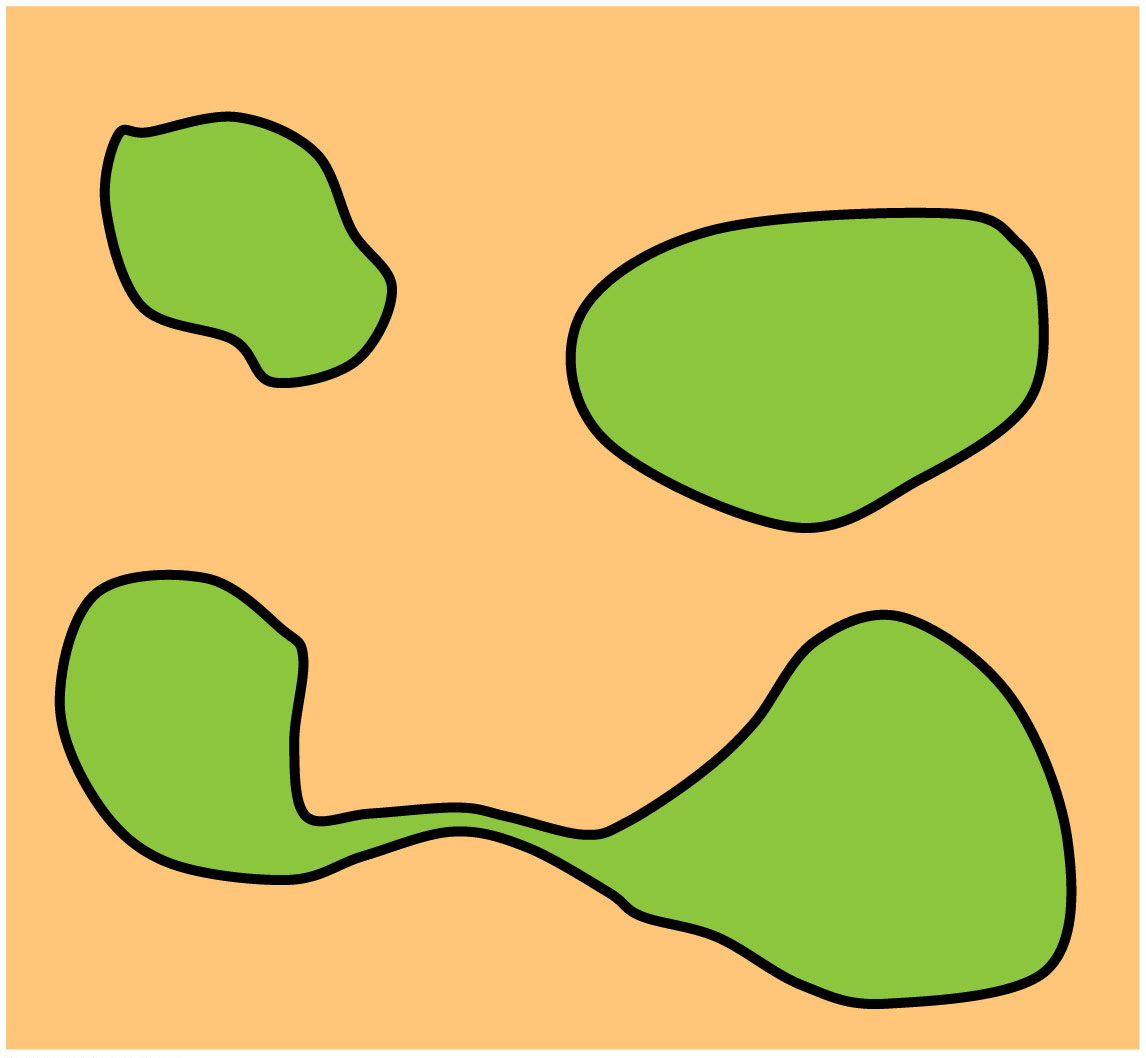
what is landscape definded by
not by size but to scale relative to the organism or process of interest
ex. elephant or flower
what are some types of patch boundaries
between pond and terrestrial environment surrounding
between an ag field and an adjacent forest
what are 2 ways boundaries can be
permanent- lake
transient- changing
what do boundaries function as
connections between patches where materials, energy, and organism flow
what is an ecotone
transition zone between 2 habitat or patch types
what is a convoluted border
a wavy border between 2 habitat or patch types
like a river
what is a perforated border
a border that is in a line but is spaced out
the area between planted trees