11: Intraspecific Population Regulation
 Call Kai
 Learn
 Practice Test
 Spaced Repetition
 Match
 Flashcards
 Knowt Play
1/23

There's no tags or description
Looks like no tags are added yet.
24 Terms
Density-independent regulation
-characteristics
-what causes this?
-what kind of environments?
1) happens regardless of population density
2) population rarely reaches K
3) unstable & unpredictable environments
-caused by catastrophes(fires, hurricanes, seasons) & occurs periodically
-J-shaped curves

Density-Dependent Regulation
-characteristics
-what is it caused by?
-what kind of environment
1) occurs as population density increases
2) population stabilizes at K
3) stable, predictable environments
-caused by predation, competition, diseases
-logistic curve growth(S shape)

At what point is population growth the greatest?
intermediate population levels
At what size does a population decline?
when it exceeds K or falls below minimum population size

What causes intraspecific competition to occur?
-what are the 2 types?
limited resources & high population density
1) contest competition
2) scramble competition
contest competition
-what is it regulated by?
-what happens to the population?
example?
individuals directly compete w/ each other by confrontation for access to resources
-regulated by territoriality or social dominance
-maintains stable population density
ex// elk protecting his females from other elk

scramble competition
example?
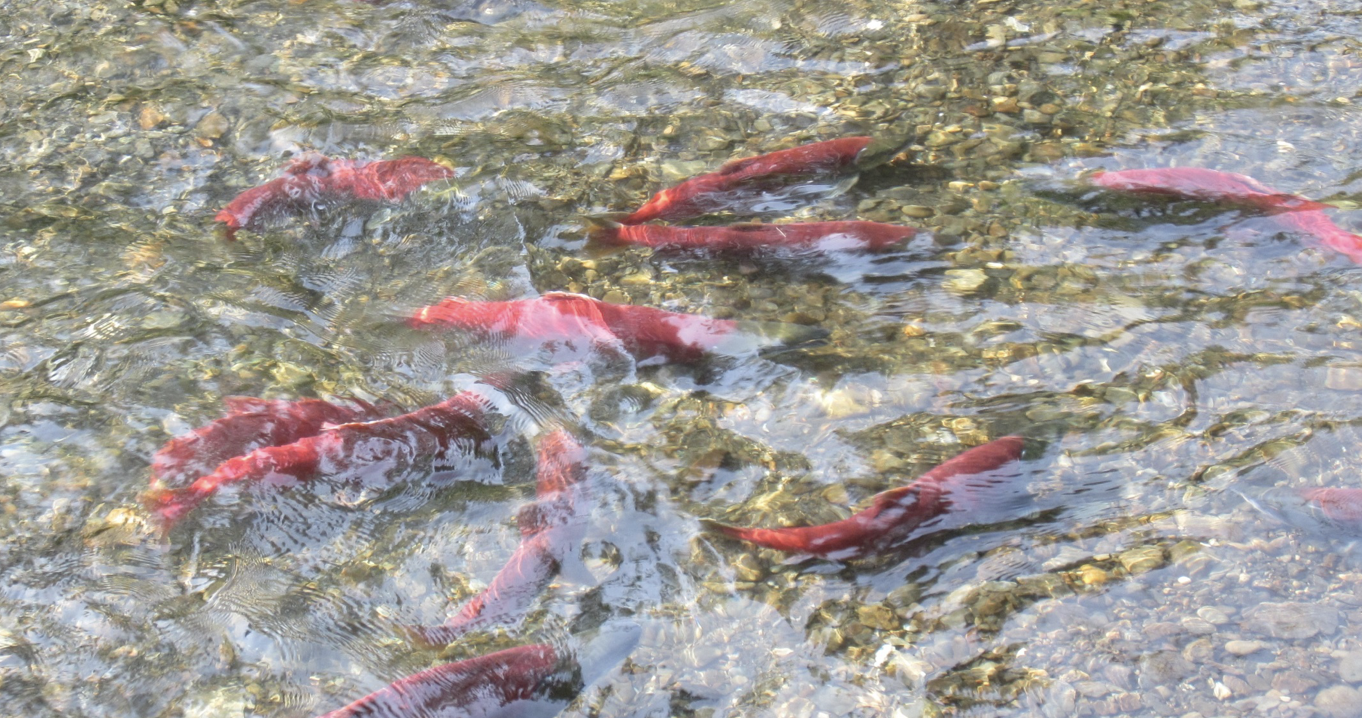
individuals scramble to get resources ASAP w/o confrontation(equal sharing)
-individuals get less than they need to survive
-produce chaotic fluctuations in populations bc EVERYONE is cooked
ex//catipillars strip tree of bark but NO ONE reaches adult size
ex// salmon rushing for food in water
What are the mechanisms of intraspecific competition?
1) stress →lead to bad immunity & mortality
2) dispersal (emigration)
3) social dominance
4) territoriality
Total Range
entire area covered by an individual animal in its lifetime
Home range
area that an animal learns throughly & habitually controls
ex// PUC
territory
area occupied more or less exclusively by an animal or group of animals by means of repulsion thru defense or advertisement
ex// your room
core area
area of heaviest regular use within the territory, often centered on sleeping
ex// bed or desk for studying
individual distance
minimum distance that an animal routinely keeps between itself & other members of the same species when not on the territory
ex// personal space
Many species are ______ during breeding season & ______ during non-breeding season.
territorial ; non-territorial
what is philopatry? Which animal is this common in?
return of territorial individuals to same territory every year
-common in migratory birds on both breeding & wintering territory
benefit of increased fitness?
access to resources, including reproduction
Examples of defending territory
advertisements, warnings, or fighting
ex// songs of birds
ex// scent marks of animals
what are floaters or satellite individuals? characteristics?
“homeless” individuals that lack territory & wander between territories
-tolerated by residents when resources are abundant
-use devious mating strategies
When animals fight for a territory, does one usually die?
No, fighting is frequent but death is rare
In territorial disputes between owner & rival, who usually wins?
territory owner, who is usually more fit (stronger & bigger)
Are territorial disputes usually between neighbors or between an owner and a stranger?
Between an owner & a stranger, bc neighbors recognize each other & rarely challenge each other
how useful is it to relocate individual animals in trouble?
useful only if there is vacant territory w/ adequate resources
What is space capture?
area that plants occupy to get water, nutrients and sunlight
What is allelopathy?
chemical compounds released into soil to inhibit germination & growth of competing plants
-occurs in some bacteria, fungi, algae, plants, or coral