Wilhelm Menstrual Disorders
 Call Kai
 Learn
 Practice Test
 Spaced Repetition
 Match
 Flashcards
 Knowt Play
1/32

There's no tags or description
Looks like no tags are added yet.
33 Terms
What are the menstrual disorders covered in this lecture?
PMS, PMDD, dysmenorrhea, endometriosis, and menorrhagia.
When do PMS and PMDD symptoms typically occur?
During the late luteal phase, usually beginning 5-7 days before menses and resolving shortly after menses begins.
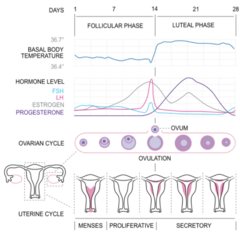
What is PMS?
A group of physical and psychological symptoms occurring during the late luteal phase that interfere with normal activity or require medical care.
What are common physical symptoms of PMS/PMDD?
psychological symptoms?
Bloating, breast tenderness, swelling, headache, joint/muscle pain, aches, abdominal cramping, weight gain, appetite changes, and sleepiness/insomnia.
Depression/dysphoria, irritability, emotional lability, anxiety/tension, decreased interest, difficulty concentrating, lack of energy, feeling overwhelmed, and sleep disturbances.
Us ladies know this too well!!!!
What are the diagnostic criteria for PMS?
At least 1 affective symptom and 1 somatic symptom, with symptoms interfering with normal activity or requiring medical care.
What is the main difference between PMS and PMDD?
PMS causes physical/emotional symptoms; PMDD is in the DSM-5 (mental disorders) and causes more severe mood symptoms that significantly impair daily functioning.
Both of them have a symptom-free interval.
What is spironolactone used for in PMS/PMDD?
Which hormonal contraceptives are specifically mentioned for PMS/PMDD?
What medications can suppress ovulation for PMS/PMDD besides hormonal contraceptives?
Which antidepressants have FDA approval for PMDD?
Spironolactone is an anti-androgen that can help with physical symptoms such as bloating
BeYaz and Yaz.
GnRH agonists (leuprolide), GnRH antagonists (elagolix), and danazol (synthetic steroid)
Fluoxetine, Paxil CR, and sertraline.
How often can SSRIs be used for PMS/PMDD?
They may be used continuously, or intermittently during part of the menstrual cycle.
When are benzodiazepines useful for PMS/PMDD?
Primarily for severe anxiety and/or premenstrual insomnia.
What are important adverse effects of NSAIDs in PMS/PMDD?
spironolactone?
GnRH agonists/antagonists or danazol?
antidepressants?
Bleeding, kidney problems, and short-term infertility due to unruptured follicle syndrome (from decreased prostaglandins)
Hyperkalemia, headache, fatigue, and teratogenicity.
Hot flashes, atrophic vaginitis (dry vagina), osteoporosis, acne, and fluid retention. Because of this, GnRH is considered second-line therapy.
Insomnia, hypersomnia, drowsiness, fatigue, nausea, nervousness, headache, mild tremor, and sexual dysfunction.
What are nonpharmacologic treatments for PMS/PMDD?
Cognitive behavioral therapy, exercise, acupuncture, nutrition, and relaxation/stress reduction.
What is primary dysmenorrhea?
secondary dysmenorrhea?
Menstrual pain without pelvic disease, usually occurring in adolescence (Within 1-3 years after menarche). Uterine contractions are mediated by prostaglandins. It generally improves with age.
Menstrual pain caused by pelvic organ pathology.
What are first-line treatments for primary dysmenorrhea?
NSAIDs and hormonal contraception (both reduce uterine prostaglandin synthesis)
Are combination OTC menstrual products recommended for dysmenorrhea?
What ingredients are found in Midol?
What ingredients are found in Pamprin?
No. They contain multiple ingredients, including unnecessary components that may increase adverse effects without providing additional benefit.
Acetaminophen, caffeine (diuretic), and pyrilamine (antihistamine).
Acetaminophen, parabrom (diuretic), and pyrilamine.
What are the three major causes of secondary dysmenorrhea?
When does secondary dysmenorrhea predominantly occur?
Pelvic inflammatory pain, endometriosis, and uterine fibroids.
During the reproductive years.
What is endometriosis?
Why does it cause pain and scarring?
When does endometriosis-related dysmenorrhea typically begin?
Ectopic growth of endometrial tissue outside the uterus. It responds to the menstrual cycle by building up and breaking down.
Ectopic tissue undergoes internal bleeding and inflammation, leading to scarring and cyst formation.
Hours to a few days before menses.
What are major symptoms of endometriosis?
Dysmenorrhea, pelvic/abdominal pain, dyspareunia or postcoital (post-sex) bleeding, infertility, and constipation.
What is the goal of hormonal treatment for endometriosis?
Is hormonal treatment for endometriosis curative?
Decrease the influence of estrogen and progesterone on ectopic tissue to decrease growth, breakdown, and repeated immune activation.
No. It is suppressive rather than curative.
Which oral progesterone medications are used for endometriosis?
injectable progesterone?
IUD?
Norethindrone and medroxyprogesterone.
Subcutaneous medroxyprogesterone.
Levonorgestrel IUD.
Why is long-term systemic progesterone treatment limited?
Should they take more progestin or estrogen for endometriosis?
Because it can decrease bone mineral density.
Long-term progesterone → suppresses GnRH and LH/FSH→ suppresses ovarian function→ ↓ estradiol→ ↓ bone mineral density.
Low estrogen and high progestin effects.
What is add-back therapy with GnRH agonists?
Estrogen and progestin therapy used to minimize hypoestrogenic adverse effects.
What is danazol?
A testosterone derivative that suppresses the hypothalamic-pituitary-ovarian axis. It inhibits FSH and LH release, thereby inhibiting ovarian function.
What are adverse effects of danazol?
Pseudotumor cerebri (fluid imbalance causes high pressure to build up inside the skull from cerebrospinal fluid mimicking the symptoms of a brain tumor);
Peliosis hepatis (growth of multiple blood-filled cysts inside the liver tissue. The drug is damaging to the liver);
Thromboembolic events;
Androgenic side effects;
Hypoestrogenic side effects.
What is the preferred treatment for endometriosis when a patient is actively trying to conceive?
Surgery, because hormonal treatments suppress ovulation and are not compatible with conception goals.
What is menorrhagia? Signs?
Excessive and/or prolonged menstrual bleeding.
Signs include: Period lasting longer than 1 week, changing a tampon/pad about every hour, waking at night to change tampon/pad, passing large clots, fatigue, or anemia.
What are causes of menorrhagia?
Hormonal imbalance, inherited bleeding disorders, cervical/uterine polyps, uterine fibroids, adenomyosis (inner lining of the uterus grows into its muscular wall), and endometrial/cervical cancer.
How does irregular ovulation cause menorrhagia?
Estrogen is present without adequate progesterone, causing unopposed estrogen stimulation and excessive endometrial proliferation (becomes excessively thick and sheds irregularly).
What mechanisms causes increased bleeding in menorrhagia?
↑ Fibrinolysis and ↑ prostaglandin I₂ (PGI₂), which promotes vasodilation and inhibits platelet aggregation.
How does oral progestin treat menorrhagia?
It opposes estrogen effects on the endometrium and decreases endometrial growth.
When are hormonal treatments not needed for menorrhagia?
What can be used instead?
When the patient has normal ovulatory cycles and the bleeding is non-ovarian.
Tranexamic acid: Non-hormonal treatment that decreases menstrual bleeding by inhibiting fibrinolysis. Warning: can't use during pregnancy
What are adverse effects of tranexamic acid?
Nausea/vomiting/diarrhea (stomach irritant), muscle pain, and thrombosis/thromboembolism.
When should NSAIDs be used for heavy menstrual bleeding? Why does it lessen bleeding?
Temporarily when menses begins.
Lessens bleeding by interfering with prostaglandin production.
What is the initial treatment for an adolescent with anovulatory menorrhagia?
Combined oral contraceptives to regulate cycles and reduce bleeding.