Epithelium and muscle tissue
 Call Kai
 Learn
Learn Practice Test
 Spaced Repetition
 Match
Match Flashcards
 Knowt Play
1/30

Earn XP
Description and Tags
Lab anatomy 1
Name | Mastery | Learn | Test | Matching | Spaced | Call with Kai | Chat |
|---|
No analytics yet
Send a link to your students to track their progress
31 Terms
Tissue
covers the body surfaces, lines cavities, and forms glands. It protects, secretes, absorbs, and filtrates.
Apical
Top/ Apex free (unattached surface or ledge
Basal membrane
Basement membrane
Basement membrane
lower surface (attached) edge (basal lamina/ layer and reticular lamina)
Simple depth
one cell deep/layer
Stratified depth
2+ cells deep
Squamous shape
flat
Cuboidal shape
squarish
Columnar
more taller than is wide
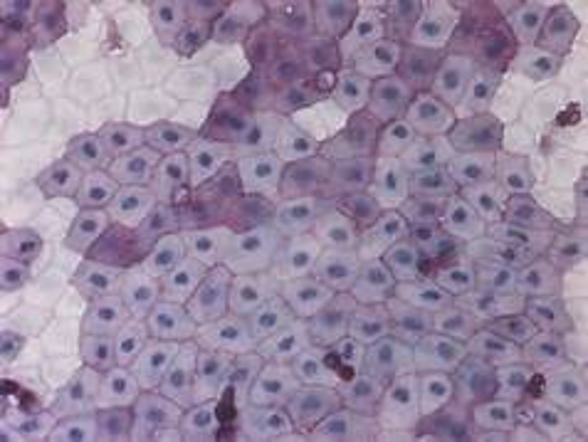
Simple Squamous Epithelium
Simple squamous epithelium location and function
Located in lining of blood vessels and cavities. It filtrates and diffuses

Simple Cuboidal epithelium
Simple Cuboidal epithelium function and location
Located in liver, kidneys, and glands. It secretes and absorbs.

Simple Columnar Epithelium
Simple Columnar epithelium function and location
Located at digestive tract and it absorbs and does some secretion.

Stratified Squamous epithelium
Stratified Squamous Epithelium function and location
Located on skin, esophagus, and mouth. It protects.
Define straited muscle
Excitable and contractile
Non-straited muscle
involuntary muscle made of spindle shaped cells.
Voluntary
enables intentional movements
involuntary
enables non intentional movement
Intercalated discs
discs found in cardiac muscle. Play a role in contractions of the heart.
Skeletal muscle specimen
Straited voluntary multinudie
Cardiac muscle specimen
Straited involuntary discs
Smooth Muscle specimen
Nonstriated involuntary uninucleate

Skeletal muscle
Skeletal muscles function and location
Attached to bones and moves bones and skin

Cardiac muscle
Cardiac muscle’s location and function
Located at the heart and pumps blood
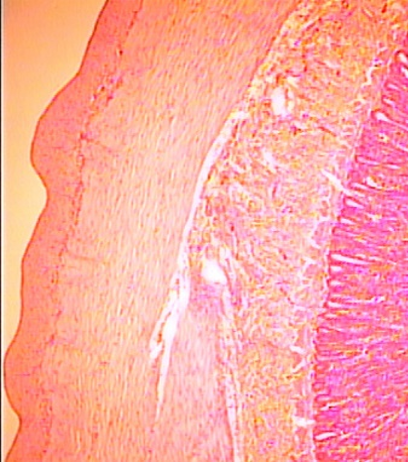
Smooth Muscle
Smooth muscles function and location
Located at walls of hollow organs, blood vessels, intestines, and stomach. It moves material through hollow organs.