L2 - macronutrients
 Call Kai
 Learn
Learn Practice Test
 Spaced Repetition
 Match
Match Flashcards
 Knowt Play
1/42

There's no tags or description
Looks like no tags are added yet.
Name | Mastery | Learn | Test | Matching | Spaced | Call with Kai | Chat |
|---|
No analytics yet
Send a link to your students to track their progress
43 Terms
Characteristics of a wild animal
undomesticated
not living under human control
untamed

Characteristics of a domesticated animal
direct ancestors have undergone a domestication process
managed by humans

Domestication
Evolutionary process during which humans establish control over:
Living space
Care and welfare
Selection of mating partners
Reproduction
Diet
*throughout domestication, the species is genetically altered from its wild ancestral form

Tame animal
An animal that has been familiarized with humans → tractable (easy to control/influence)
Can apply to ‘wild’ or ‘domesticated’ animals
Feral animal
An animal that lives in the wild state, but whose ancestors have undergone a domestication process (e.g. feral cats)
Nutrition
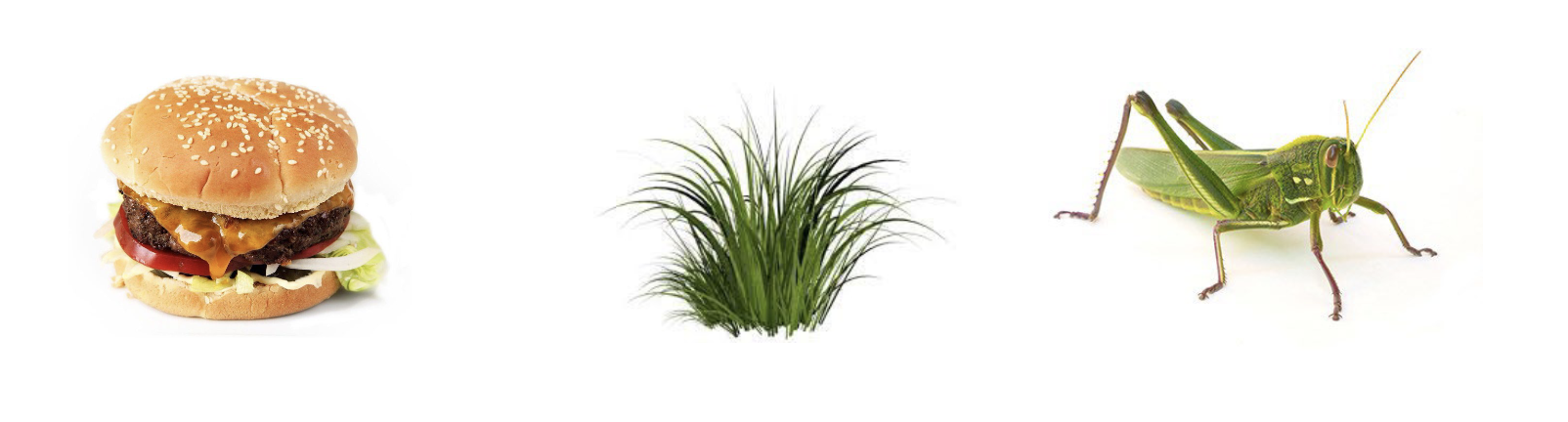
The process whereby an animal obtains and utilizes portions of its external environment (food) for the continued functioning of its metabolism
Define nutrients
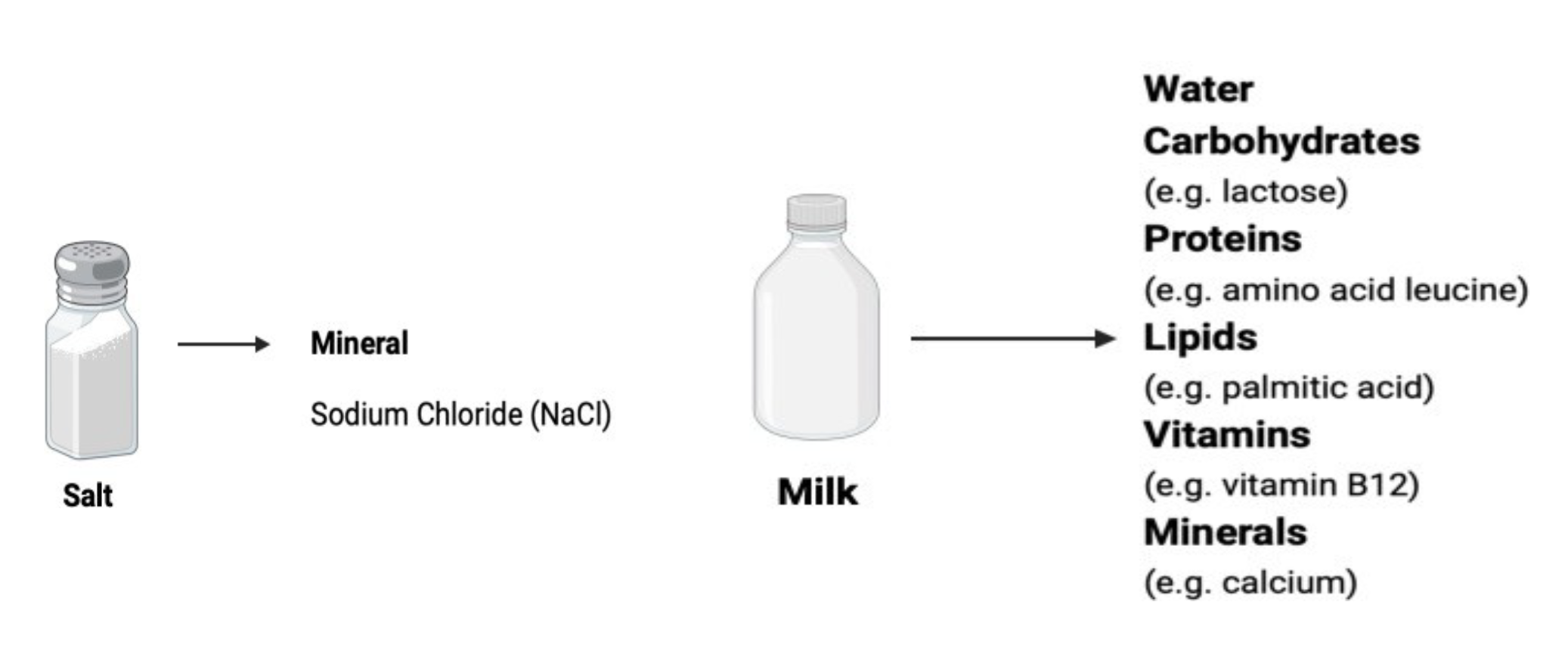
Organic and inorganic chemical compounds used by an animal to support maintenance, growth, and reproduction
6 Categories of nutrients:
water
carbohydrates
proteins
lipids
vitamins
minerals
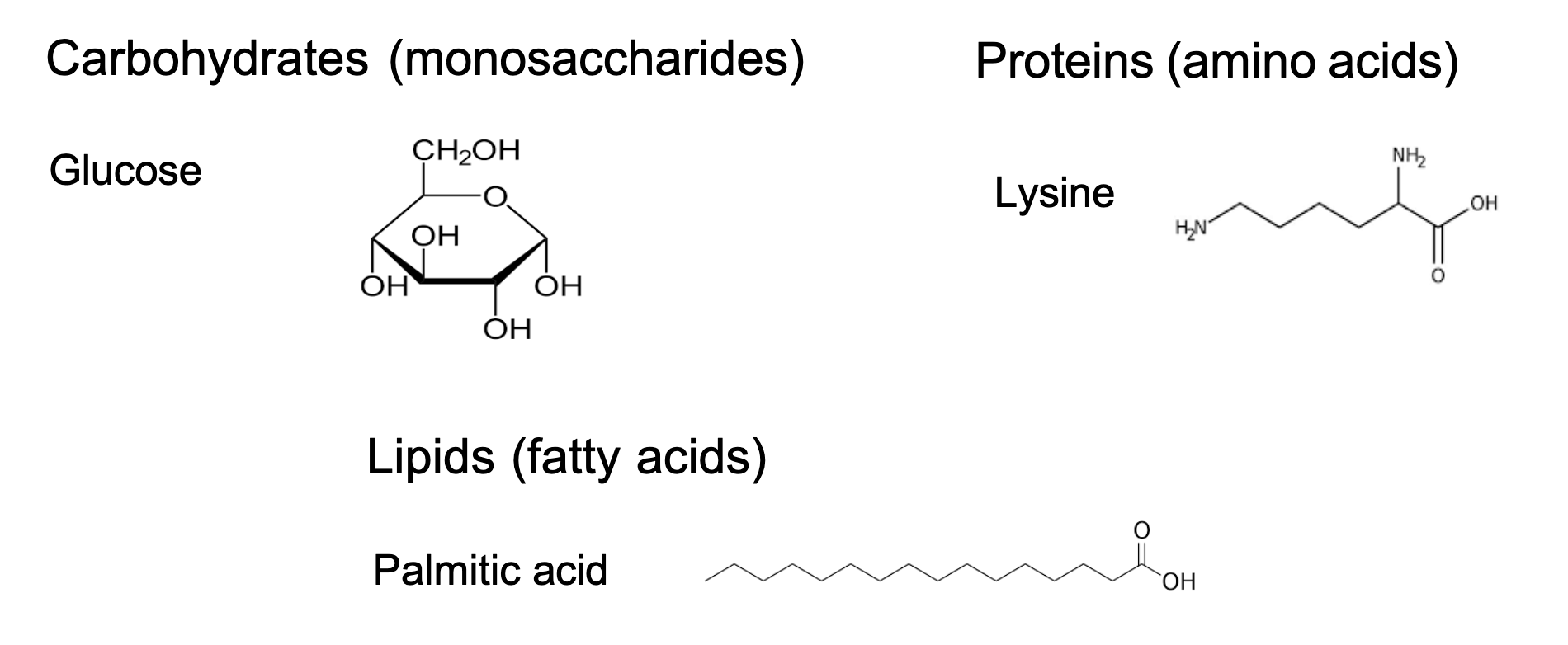
Energy yielding nutrients include:
carbohydrates (monosaccharides)
proteins (amino acids)
lipids (fatty acids)
Organic vs inorganic
Organic nutrients contain carbon in their structure (C-C or C-H), inorganic nutrients do not
Examples of free water:
drinking water
ponds
rivers
lakes
puddles
Examples of dietary water
Water contained in food:
fresh grasses ~75% water
lean tissue/meat ~70% water
other foods variable
(e.g. seeds ~10% water vs fruits ~70-90%)
Metabolic Water
Produced during oxidation of energy-yielding nutrients
Oxidation results in the production of water, CO2, and energy (ATP)
creating form digesting food

Monosaccharides characteristics and types
single sugar building blocks of carbohydrates
Pentoses (e.g. ribose) = 5 carbon
Hexoses (e.g. glucose, fructose, galactose) = 6 carbon
Absorbable units

Disaccharides characteristics and types
two monosaccharides joined by a glycosidic bond
Sucrose = glucose + fructose
Lactose = glucose + galactose
Maltose = glucose + glu
cose

Oligosaccharides
3-10 monosaccharide chain (short-chain)

Polysaccharides
10+ monosaccharide chain (long-chain)
most abundant carb found in food
Types of polysaccharides
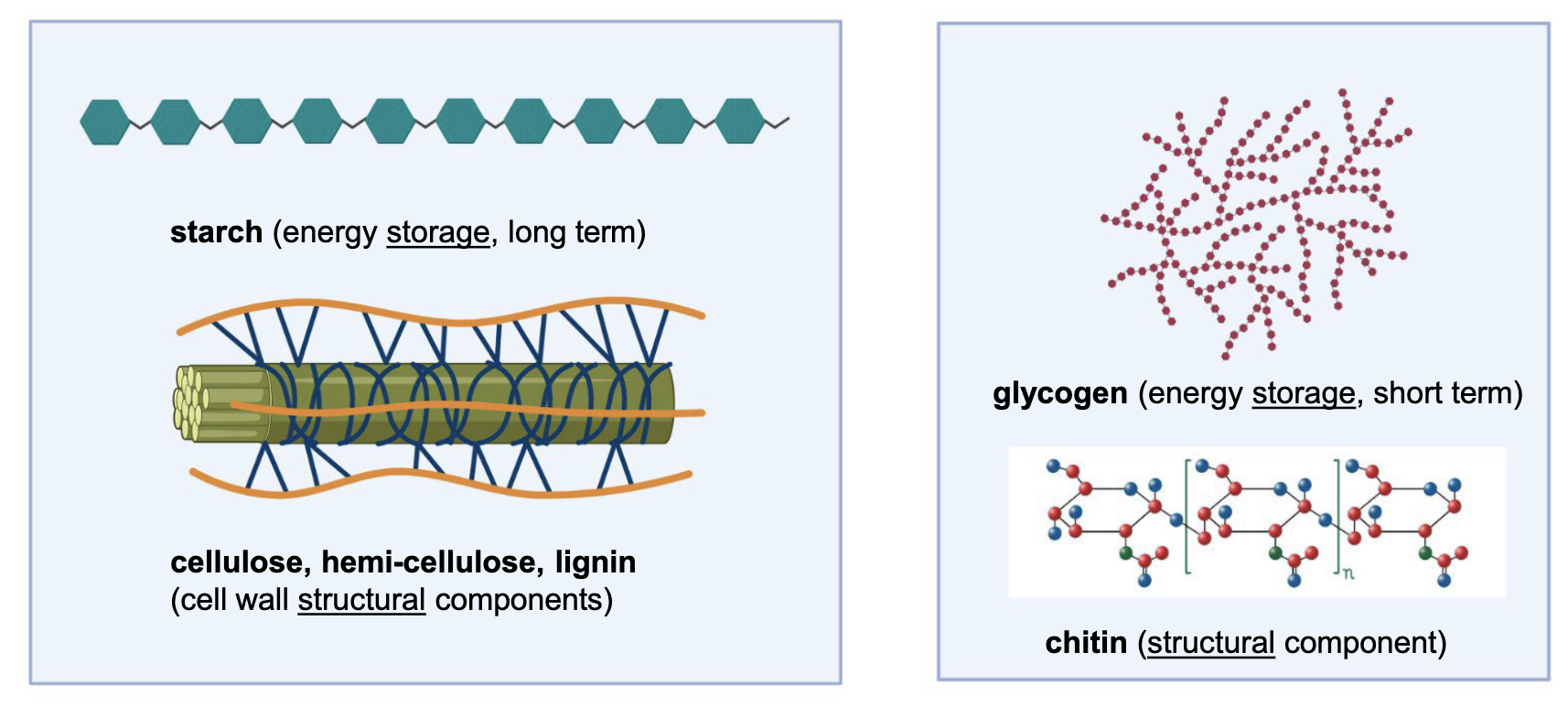
Plant-based polysaccharides
starch (energy storage, long term)
cellulose, hemi-cellulose, lignin (cell wall structural components)
Animal-based polysaccharides
glycogen (energy storage, short term)
chitin (structural component)
Chitin
long chain polysaccharide made of N-acetylglucosamine, a derivative of glucose
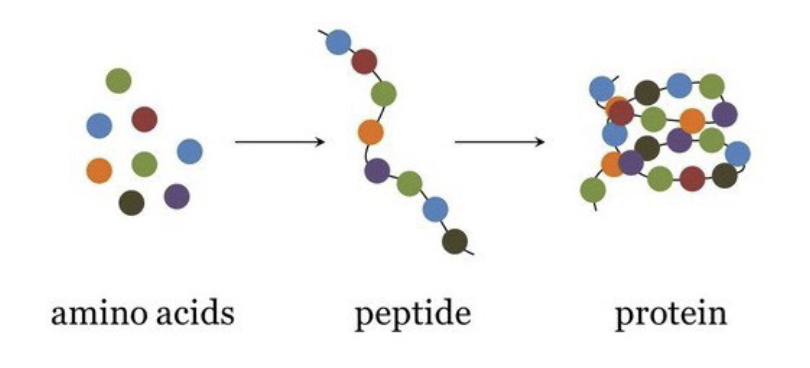
Amino acid characteristics
building blocks of protein
20 standard, genetically coded, proteinogenic amino acids
Absorbable units
Peptide
two or more amino acids joined by a peptide bond
Dipeptide
pair of amino acids linked by a peptide bond (absorbable unit)
Polypeptide chain
long, unbranched peptide chain
Amino acids are required for:
Building and maintaining tissue (e.g. muscle, bone, skin, hair, hooves, feathers)
Synthesizing enzymes
Synthesizing blood constituents (e.g. heme precursor = glycine)
Synthesizing hormones
Synthesizing secondary metabolites (e.g. serotonin precursor = tryptophan)
Yielding energy
Amino Acid structure

How does peptide formation occur
Reaction between the carboxyl group of one a.a. and the amino group of another a.a.
Forms a peptide bond and results in formation of 1 molecule of water (H2O)

Essential amino acids
Can’t be made at all by the animal (or by microorganism within the animal) or can’t be made in sufficient enough quantities to meet requirements so these nutrients must be present in sufficient quantities in the diet
Types of essential amino acids

Conditionally essential amino acids
building blocks of protein that the body normally makes on its own, but which become necessary from the diet during times of illness, severe stress, rapid growth, or trauma
Types of conditionally essentially amino acids
Phenylalanine → Tyrosine
Methionine → Cysteine → Taurine*
*Essential for all felids
Arginine

Types of Proteinogenic Amino Acids

Glucogenic amino acids
a building block of protein that the body can turn into glucose through a process called gluconeogenesis

Ketogenic amino acids
building blocks of proteins that break down into acetyl-CoA or acetoacetyl-CoA, which the body uses to make ketone bodies or fatty acids, rather than glucose

Types of lipids
Fatty acids (Absorbable unit)
Fatty acid derivatives; Monoglycerides (Absorbable unit), Diglycerides, Triglycerides (Fats), Phospholipids
Waxes
Sterols (e.g. cholesterol)

General FA structure
Carboxyl group at one end (COOH)
Linear hydrocarbon chain (compound of H and C); most FAs have an even number of carbons (saturated)
Methyl group at the other end (CH3)

FA nomenclature depends on:
Hydrocarbon chain length
Degree of saturation (number of double bonds)
Position of double bonds in the chain
Orientation of hydrogen atoms around double bonds (cis or trans)
FA nomenclature:
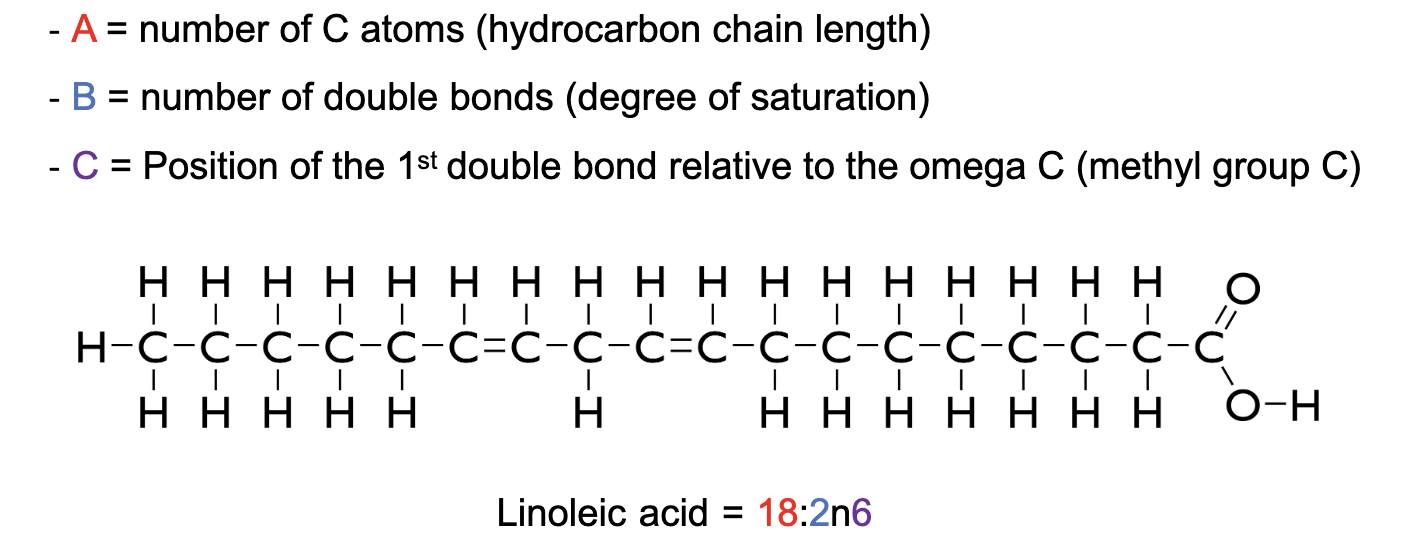
A:BnC
A = number of C atoms (hydrocarbon chain length)
B = number of double bonds (degree of saturation)
C = Position of the 1st double bond relative to the omega C (methyl group C)
FA factors that influence melting point
Increase MP:
carbon chain length
odd numbered chain
Decrease MP:
double bonds
cis-double bonds
How are fats stored as
Triglycerides (TAG): 3 fatty acids + 1 glycerol

Phospholipid structure

How are FAs synthesized
most mammals can sufficiently synthesize saturated FAs
synthesized in adipocytes of ruminants and in liver of non-ruminants

How are PUFAs formed
most mammals can elongate and desaturate fatty acids to form PUFAs
elongate = add 2 carbons at a time to the chain
desaturate = add double bond to chain

Essential FAs of mammals
Most mammals require in the diet...
Linoleic acid (18:2n6) → plant based
Alpha-linolenic acid (18:3n3) → plant based
Arachidonic acid (20:4n6) → animal based *Only for strict carnivores (e.g. felids)