Art History In Class Quiz #2
 Call Kai
 Learn
 Practice Test
 Spaced Repetition
 Match
 Flashcards
 Knowt Play
1/61

Earn XP
Description and Tags
Image IDs, key vocab, common comparisons
62 Terms
Imperial Diet
The main legislative assembly of the Holy Roman Empire, made up of representatives from the empire’s estates/territories; convened to discuss and decide on matters of governance, law, and policy.

Image ID
Self Portrait, Albrecht Dürer, 1500, oil on panel.

Image ID
San Giobbe Altarpiece, Giovanni Bellini, c. 1487, oil on panel.

Image ID
The Four Horsemen of the Apocalypse, Albrecht Dürer, 1498, woodcut.

Image ID
The Last Judgement, Hans Memling, c. late 1460s, oil on panel.

Image ID
Melencolia I, Albrecht Dürer, 1514, engraving.

Image ID
Large Piece of Turf, Albrecht Dürer, 1503, watercolour, pen and ink.
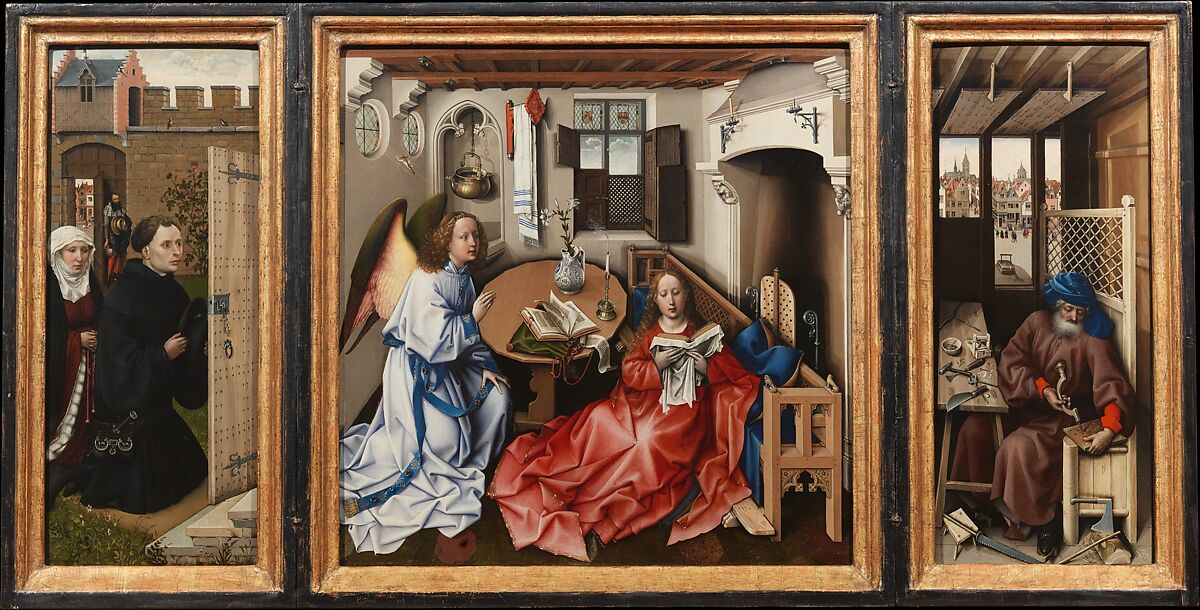
Image ID
Annunciation Triptych (Merode Altarpiece), Workshop of Robert Campin, 1427-1432, oil on panel.
Naturalism
A true-to-life style which involves the representation of depiction of nature (including people) with the least possible distortion of interpretation.
Cabinet of curiosity (wunderkammer; studiolo)
rooms or cabinets designed to house and display the ‘wonders’ of the world (diverse objects from around the world).
Life casting
the practice of making sculptures using molds taken from real-life plants and animals, and it can result in astonishingly detailed and lifelike representations.
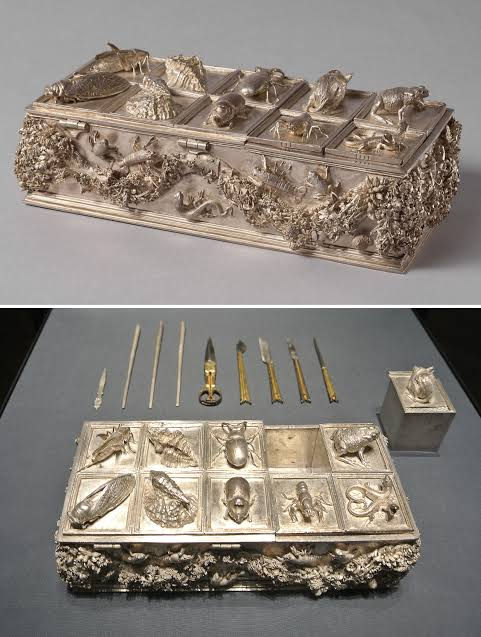
Image ID
Writing Box, Wenzel Jamnitzer (attributed), 1560-70, cast silver.
Automaton/a
a moving mechanical or clockwork device, often made in imitation of a human being.

Image ID
The Ambassadors, Hans Holbein the Younger, 1533, oil on oak.
Foreshortening
the technique of depicting an object or human body in a picture to produce an illusion of projection or extension in space.
Anamorphic Image
an image that has been artificially stretched in perspective. the image appears normal when viewed from a particular point or with a suitable mirror or lens.
Memento Mori (“remember you must die”)
a symbolic trope acting as a reminder of the inevitability of death.

Image ID
Portrait of Henry VIII, Workshop of Hans Holbein, 1537, oil on panel.
Body politic/the body mortal
The body MORTAL (or body natural) will age and die as all humans do.
The body POLITIC is immortal and represents the ongoing role of government that will continue long after the monarch’s death.
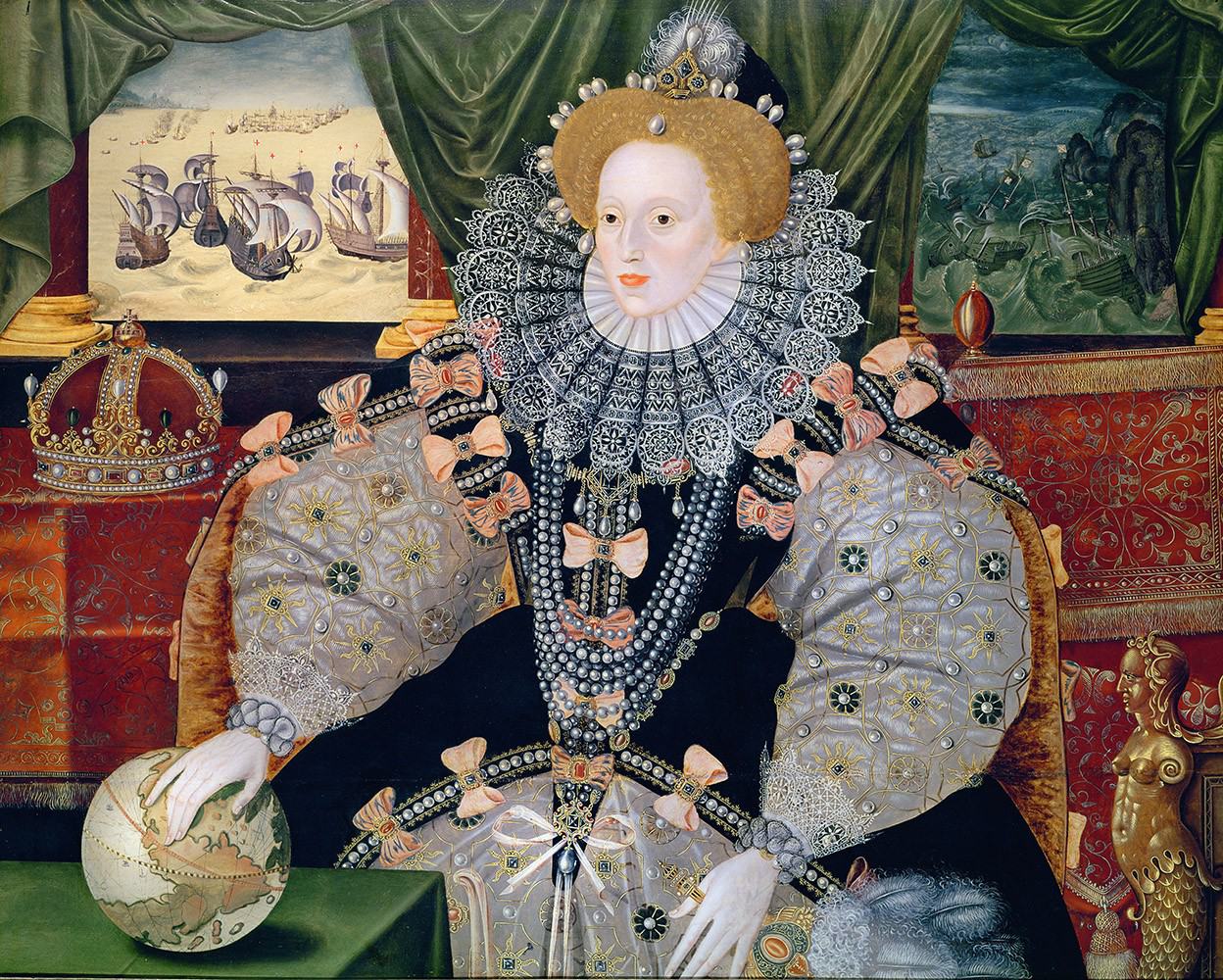
Image ID
The Armada Portrait, George Gower, 1588, oil on panel
Mask of Youth
Images of Elizabeth I that adopted a standardized image of ageless beauty.
Divine right of kings
a political doctrine that asserted that kings derived their authority from God and could not therefore be held accountable for their actions by any earthly authority.
Absolutism
A form of monarchical power that is unrestrained by all other institutions, such as churches, legislatures, or social elites.
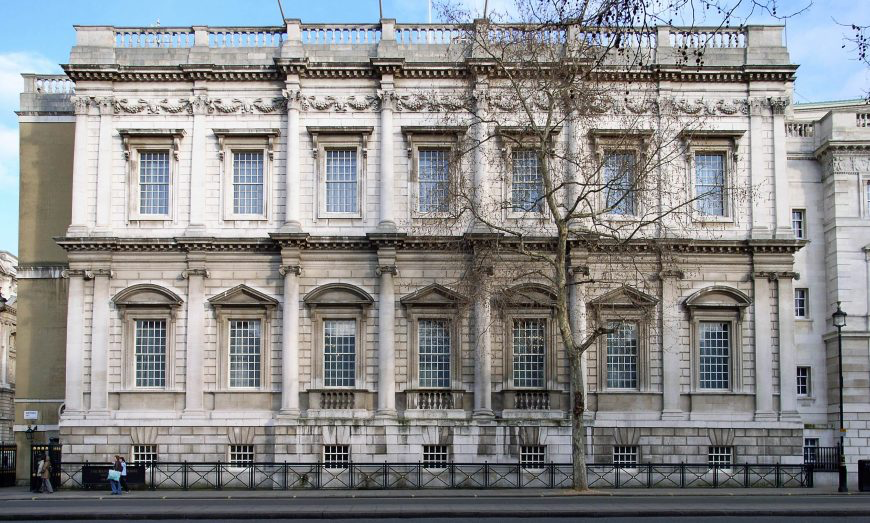
Image ID
Banqueting House, Whitehall, Inigo Jones, 1619-1622.

Image ID
Banqueting House (INTERIOR), Whitehall, Inigo Jones, 1619-1622.

Image ID
Charles I with M. de St Antoine, Anthony van Dyck, 1633, oil on canvas.
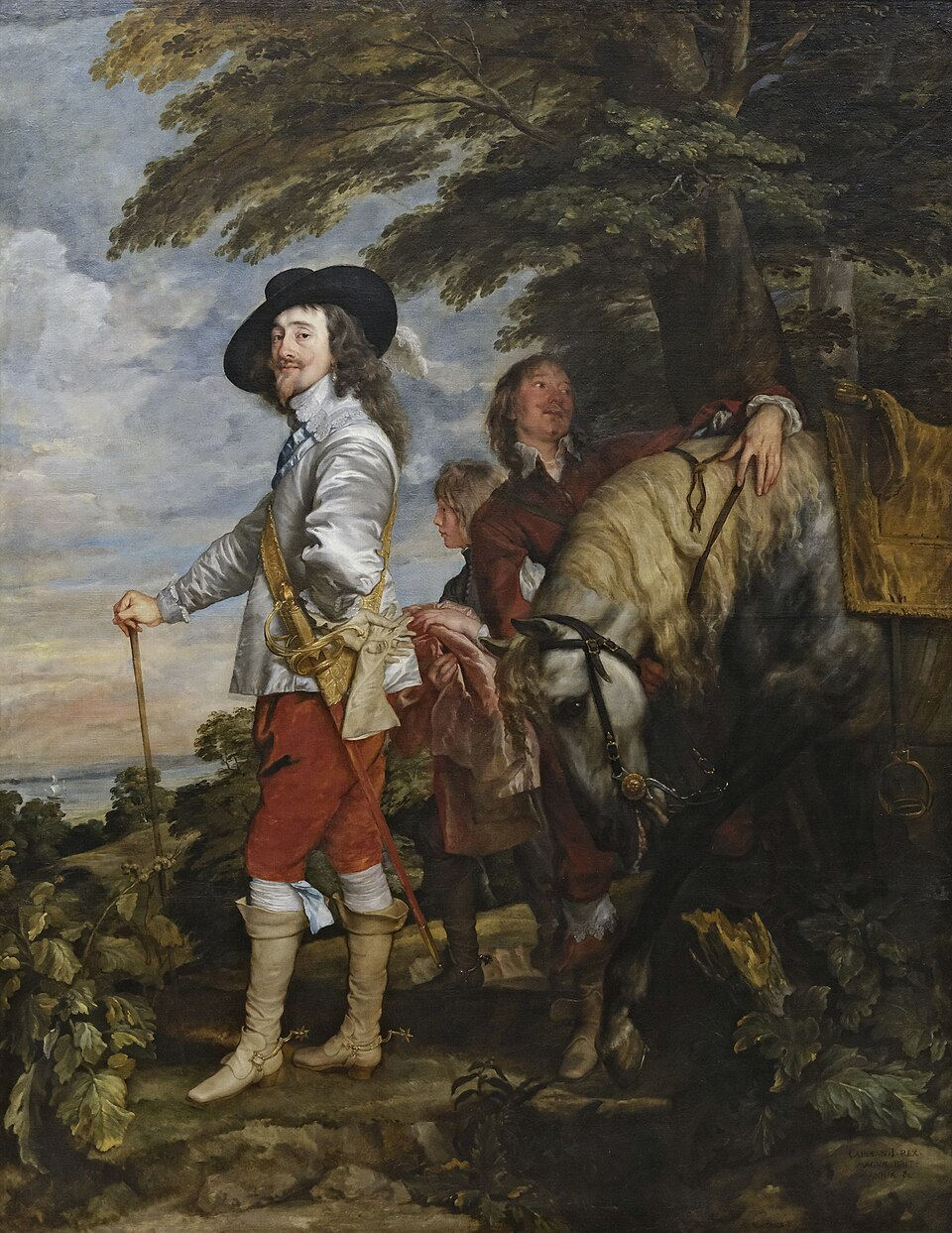
Image ID
Charles I at the Hunt (Le Roi à la Chasse), Anthony van Dyck, c. 1635, oil on canvas.

Image ID
Queen Henrietta Maria, Anthony van Dyck, 1638, oil on canvas.

Image ID
William Feilding, 1st Earl of Denbigh, Anthony van Dyck, 1633-1634, oil on canvas.

Image ID
The School of Athens, Raphael, 1509-11, fresco.
Atmospheric/aerial perspective
describes the effect generated far away objects take on the colors of atmospheric haze.

Image ID
Sistine Chapel ceiling, Michelangelo, 1508-12, fresco.
Terribilità
An artist’s ability to instill a sense of awe in viewers of their art.
Ignudi
Decorative, male nude figures that decorate Michelangelo’s Sistine Chapel ceiling frescoes.
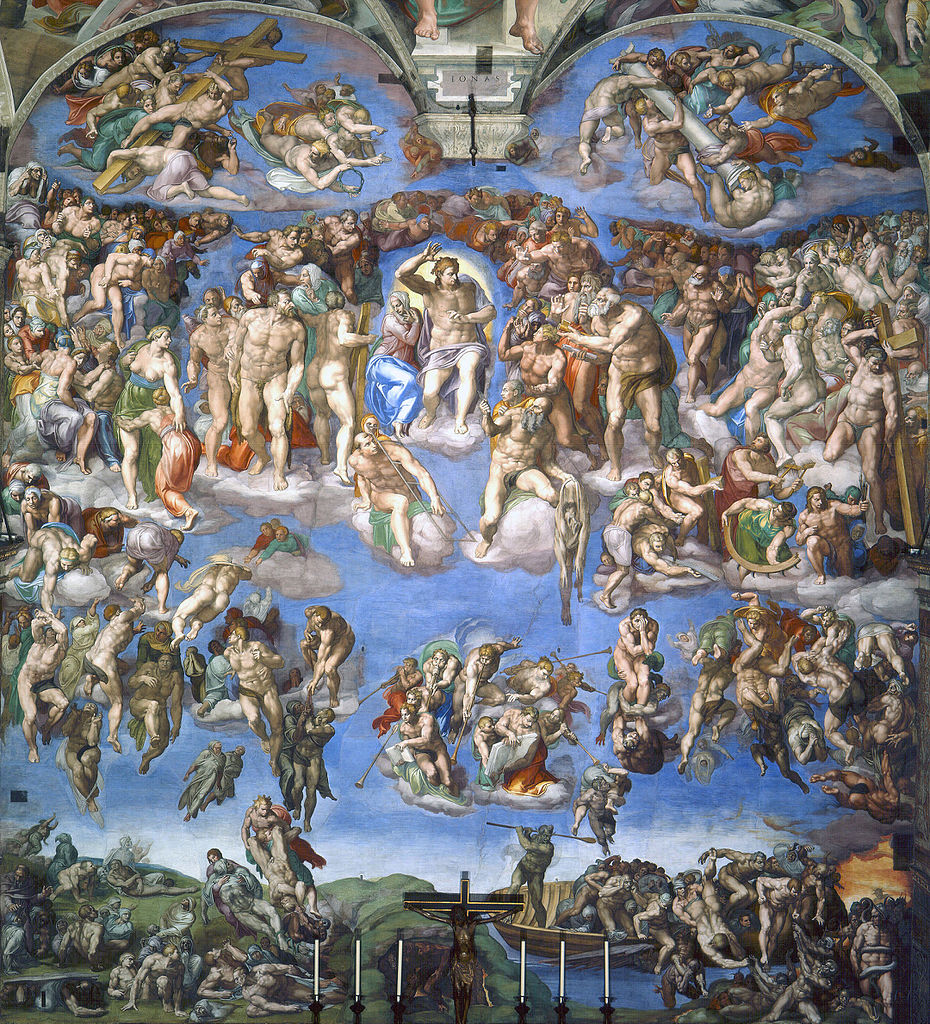
Image ID
Last Judgement, Michelangelo, Sistine Chapel, 1534-41, fresco.
Council of Trent
A committee of princes of the Church who met in Trento (Trent), in Italy, and issued key statements and clarifications of the Church’s doctrine and teachings in the wake of the Reformation.
Caravaggio (Painter)
Painting directly from live models; fierce commitment not only to naturalism but to realism and the everyday; dramatic, psychological use of light effects.

Image ID
The Calling of Saint Matthew, Caravaggio, 1599-1600, oil on canvas
Chiaroscuro
The purposeful contrast of light and shade; often visible in areas of highlight place right up against areas of shadow.
Tenebrism
A style of painting using especially pronounced chiaroscuro, or dramatic contrasts of light and dark. Darkness is a dominating feature of the image.
Realism
An interest in faithfully depicting people and things from everyday life. Often somewhat ‘gritty’ in mood, there is frankness in the treatment of figures and spaces.

Image ID
Judith Slaying Holofernes, Artemisia Gentileschi, 1620-1621, oil on canvas

Image ID
Saint Peters Basilica, og Bramante, Vatican City, begun 1506, completed 1626

Image ID (façade of St Peters Basilica)
Carlo Maderno, 1614

Image ID
Pietà, Michelangelo, 1498-1499, St. Peters Basilica, marble
Baldacchino (Baldachin)
a canopy of state typically placed over an altar or throne. it had its beginnings as a cloth canopy, but in other cases it is a sturdy, permanent architectural feature.
Solomonic column
a helical column, characterized by a spiraling twisting shaft like a corkscrew

Image ID
San Carlo alle Quattro Fontane (‘Carlino’), Francesco Borromini, 1638-1646
Folly
an architectural structure constructed primarily for the ornamentation of a landscape or architectural setting
Forced perspective
a technique that employs optical illusion to make an object appear farther away, closer, larger or smaller than it actually is. it manipulates human visual perception through the use of scaled objects and the correlation between them and the vantage point of the spectator.

Image ID
The Abduction of Proserpina, Gian Lorenzo Bernini, 1621-1622, marble
Naturalia
Objects from the natural world
Artificialia
Man-made objects
Technē
Technology or machinery
Mannerism
Meaning simply “style,” mannerism is sometimes defined as the “stylish style” for its emphasis on self-conscious artifice over realistic depiction.
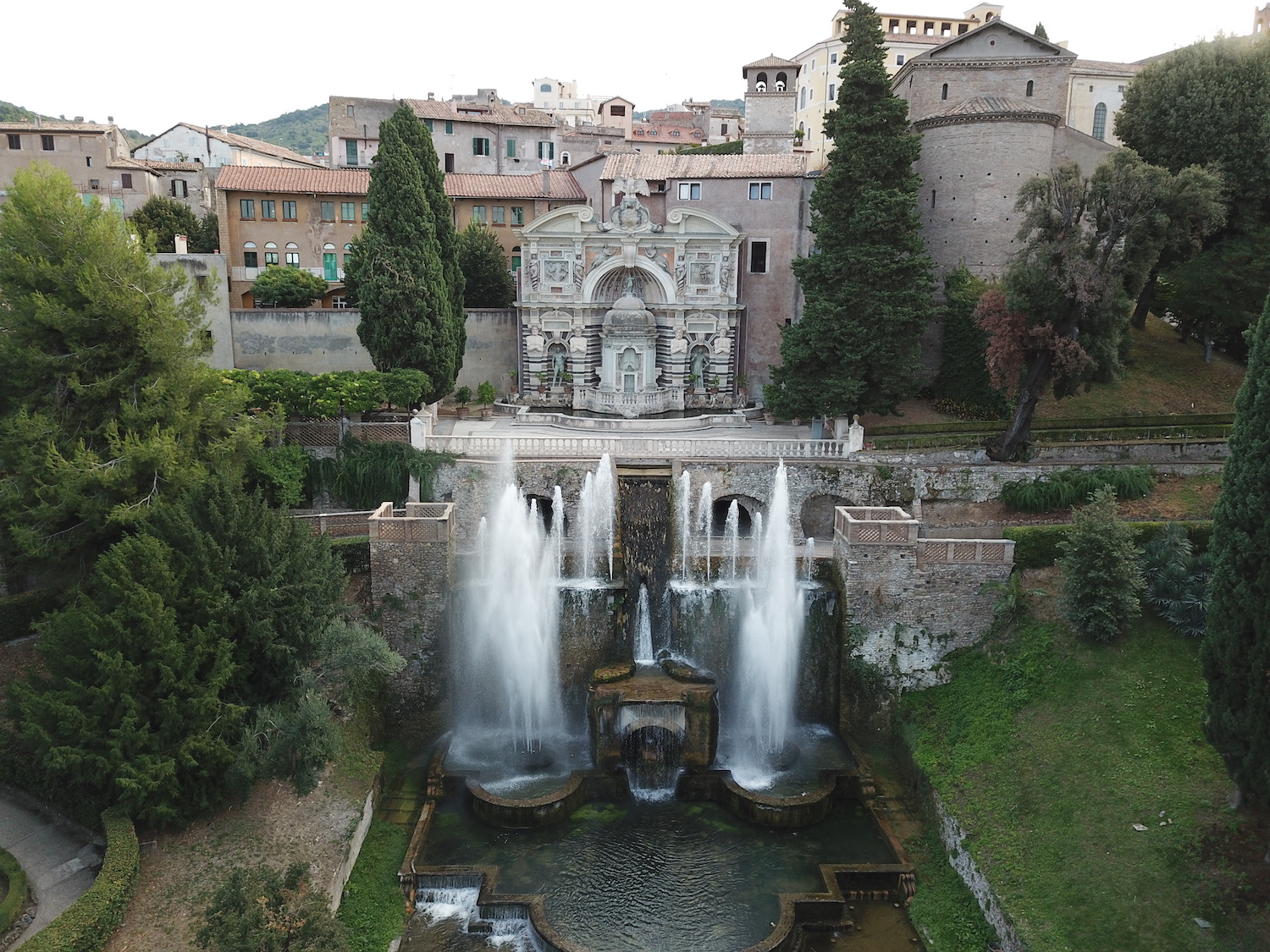
Image ID
Villa d’Este, Tivoli, c.1550-70
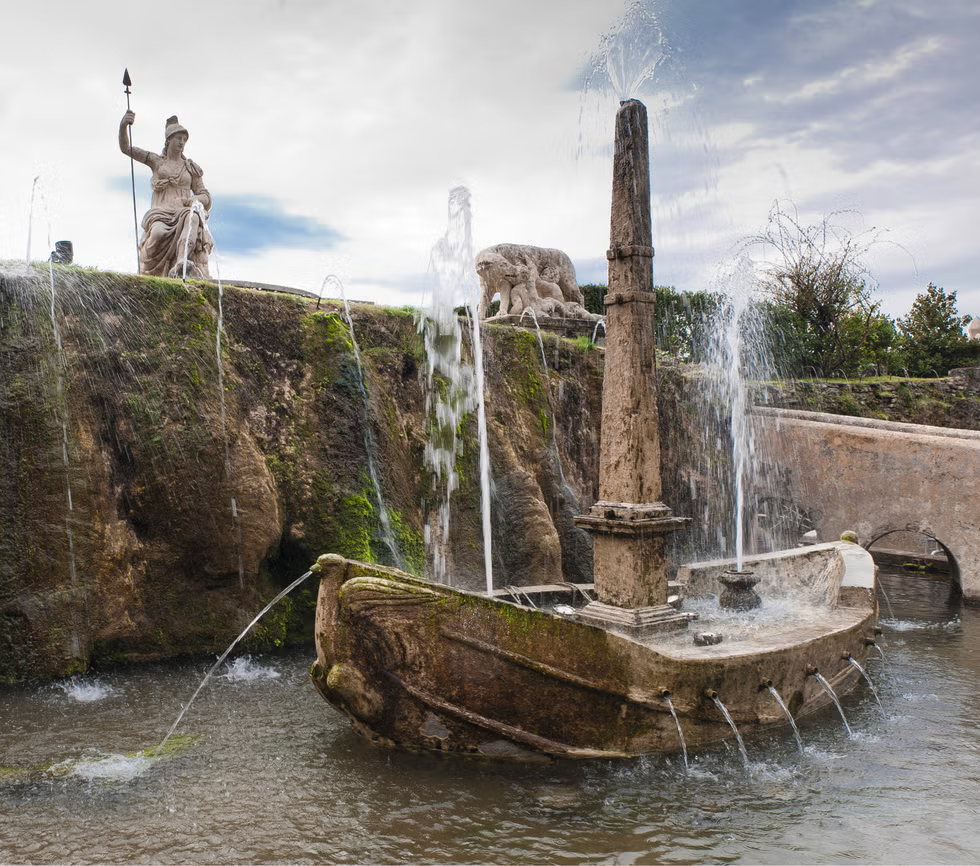
Image ID
Pirro Ligorio, Rometta Fountain 1567-70, Villa d’Este, Tivoli
Giochi d’acqua
A water game or prank device that splashed unwitting guests

Image ID
Sacro Bosco, designed by Pirro Ligorio, sculptures by Simone Moschino, begun 1552, Bomarzo

Image ID
Hell Mouth (Orcus), mid to late 16th century, Sacro Bosco, Bomarzo
Grotesque
A style of ornament characterized by fanciful or fantastic human and animal figures that distort the natural into absurdity, ugliness, or caricature.