Unit 1 Homeostasis, cell transport, experimental design
 Call Kai
 Learn
 Practice Test
 Spaced Repetition
 Match
 Flashcards
1/65

There's no tags or description
Looks like no tags are added yet.
66 Terms
Solute
The substance that dissolves into a liquid (like salt into water)
Solvent
The substance that does the dissolving (like water)
Solution
Solute fully dissolved into Solvent (salt+water together)
Homeostasis
An organism’s ability to maintain a stable internal environment, even with external changes
(Inside the body stays the same, even when the outside channges)

Cell
The most basic unit of structure and function in all living things
Organism
A living being (multicellular ones are made of organ systems working together)
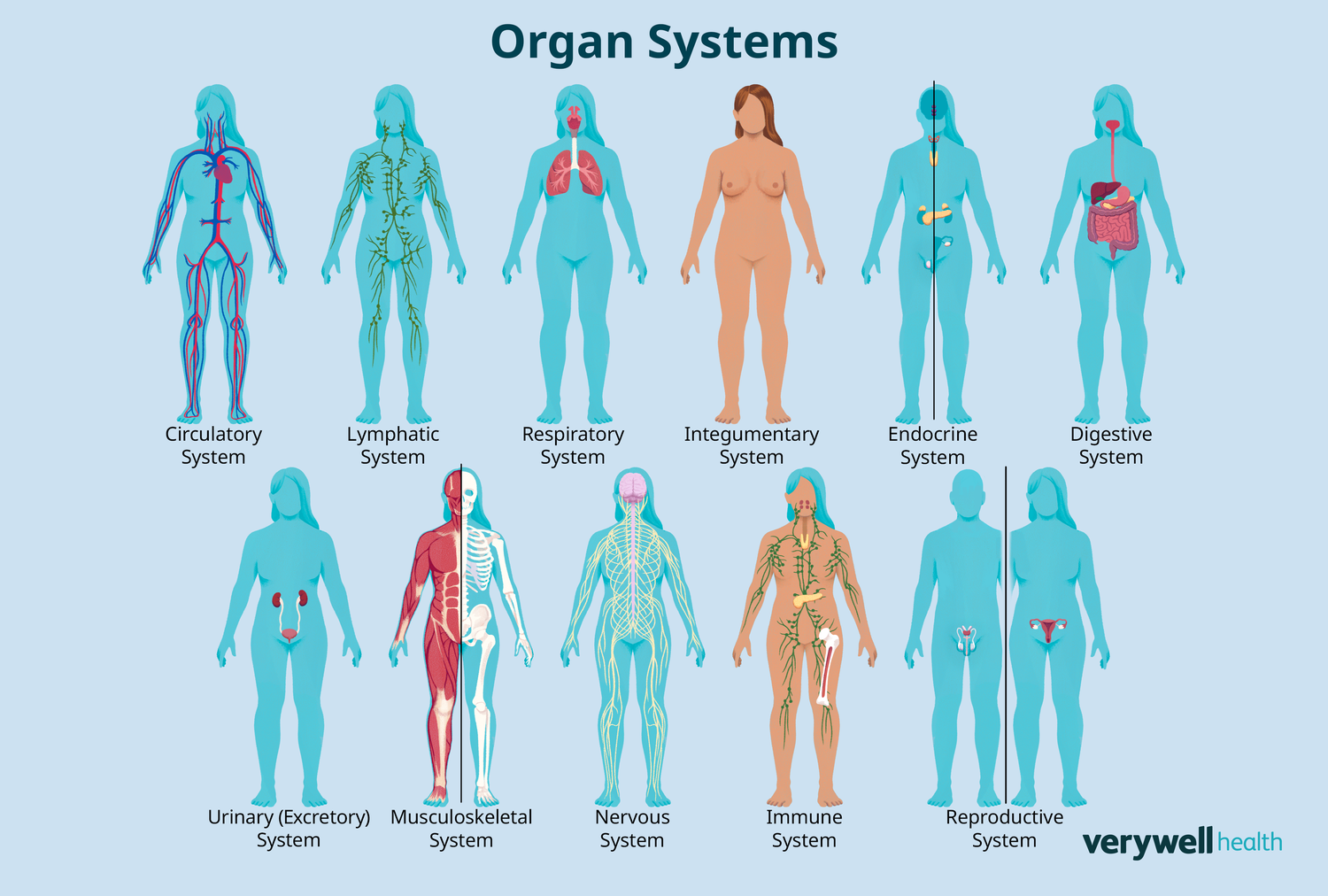
Organ system
Multiple organs working together to perform a set function (do a job)

Organ
A structure made of two or more tissues working together to do the same job
Tissue
A group of similar cells working together to complete a common function
Diffusion
The movement of particles moving across a semipermeable membrane
Permeable
Capable of passing through without damage or displacement
Semipermeable membrane
Some things can cross over rapidly while others cannot (or can only go very slowly)
Membrane
The outer boundary of a cell, separating the inside from the outside
Levels of Organization from Atom to Organism
Atom, molecule, organelles, cell, tissue, organ, organ system, organism
3 types of passive transport
Simple diffusion, facilitated diffusion, osmosis

Simple diffusion
Moves right through the membrane (example-oxygen) does not need energy to happen
Facilitated diffusion
Larger molecules cross the membrane with the help of a transport protein
Osmosis
The movement (diffusion) of water across a membrane
In passive transport, particles move from….
High to Low concentration
Active transport
Energy is needed for particles to cross the membrane
Passive transport
Particles move across a membrane without needing energy
In active transport, particles move from…
Low to high concentration
The goal of diffusion is…
Equilibrium
Equilibrium
The state of balance, equal on both side
Hypertonic
A solution with MORE solutes in it (relative to the inside of the cell)
Hypotonic
A solution with FEWER solutes in it (relative to the inside of the cell)
Isotonic
A solution with the SAME ratio of solutes as the inside of the cell
When a cell is in a hypertonic environment, water will…
Move out of the cell, and it will shrink
When a cell is in a hypotonic environment, water will…
Move into the cell, and the cell will swell (and possibly lyse, or burst)
When a cell is in an isotonic environment, water will…
Move back and forth, in and out of the cell, maintaining the overall equilibrium
Respiratory system function
Brings in oxygen (O2), removes carbon dioxide (CO2)
Reproductive system function
Produces sperm and eggs
Nervous system function
Receives and interprets information from inside and outside the body, communicates with the body to react, and maintain homeostasis (brain, spinal cord, nerves)
Circulatory system function
Transport oxygen, nutrients, waste, and disease fighting cells throughout the body (heart, veins, arteries, capillaries)
Skeletal system function
Supports your body and protects your organs (bones, connective tissue)
Digestive system function
Break down food (mouth, esophagus, stomach, intestines)
Excretory system function
Remove waste products and toxic substances from the body, maintain water balance
Muscular system function
Pushes and pulls (extends and contracts) on the bones to create movement
Immune system function
Fights off infection
Integumentary system function
Protects the body from outside injury or infection, prevents dehydration (skin, hair, nails, sweat glands)
Endocrine system function
Produces chemicals that control growth, development, homeostasis, energy levels
Independent variable
The thing being manipulated/tested (ex time spent or type of exercise)
Dependent variable
The data that is collected, depends on the independent variable, the measurable outcome (ex heart rate)
Hypothesis
Prediction about how and why the independent variable will affect the dependent
Constants
Things that are kept the same across the experiment as the independent variable is changed
Control group
The group that does not have the independent variable, the comparison group to see how the independent variable affected the outcome
Experimental group
The group with the independent variable applied
Multiple trials
Completing the experiment multiple times (ex having multiple people exercise)
Validity
How reliable/trustable the data collected is
Insulin
Chemical/hormone that binds to binds to receptors on cell membrane, tells the cell to let glucose in
__________ cells in the pancreas release insulin
Beta
__________ cells in the pancreas release glucagon
Alpha
Pancreas
Organ that releases insulin and glucagon to help regulate blood sugar
The ________________ goes on the x-axis
Independent variable
The ________________ goes on the y-axis
Dependent variable
If you don't have insulin, your blood sugar will …
Increase
Hydrophobic
"scared" of water, will repel water
Insulin in produced when…
blood sugar is high
Glucagon is produced when….
blood sugar is low
Glucagon
Chemical/Hormone released by pancrease to raise blood sugar
Glycogen
Sugar that is stored in the liver in the form of starch
Glucose
Sugar
Negative Feedback Loop
Something in the body changes from its set point, and the body COUNTERACTS it to bring it back to the normal set point
Positive Feedback Loop
Something in the body changes from its set point, and the body INTENSIFIES that change
Something changes in the body, and the body slaps it back into line
Negative feedback loop
Something changes in the body, and the body says "More! More!"
Positive feedback loop