🧫 Chapter 6: A Tour of the Cell
 Call Kai
 Learn
 Practice Test
 Spaced Repetition
 Match
 Flashcards
 Knowt Play
1/27

There's no tags or description
Looks like no tags are added yet.
28 Terms

Endomembrane System
The collection of membranes inside and surrounding a eukaryotic cell that characterizes structural continuity and transfer via vesicles.

Extracellular Matrix (ECM) of ANIMAL cells
A meshwork surrounding animal cells consisting of:
glycoproteins (collagen, fibronectin)
prroteoglycans
integrin cell-surface receptors

Smooth Endoplasmic Reticulum
Region of the ER that lacks ribosomes; functions in lipid synthesis, carbohydrate metabolism, drug/poison detoxification, and calcium ion storage (Ca²+).

Rough Endoplasmic Reticulum
Region of the ER studded with ribosomes; functions in the synthesis of (produces) secretory proteins (glycoproteins) packaged in transport vesicles and manufactures membranes.

Plasma Membrane Function
a selective barrier that encloses cell contents and regulates the passage of oxygen, nutrients, and wastes
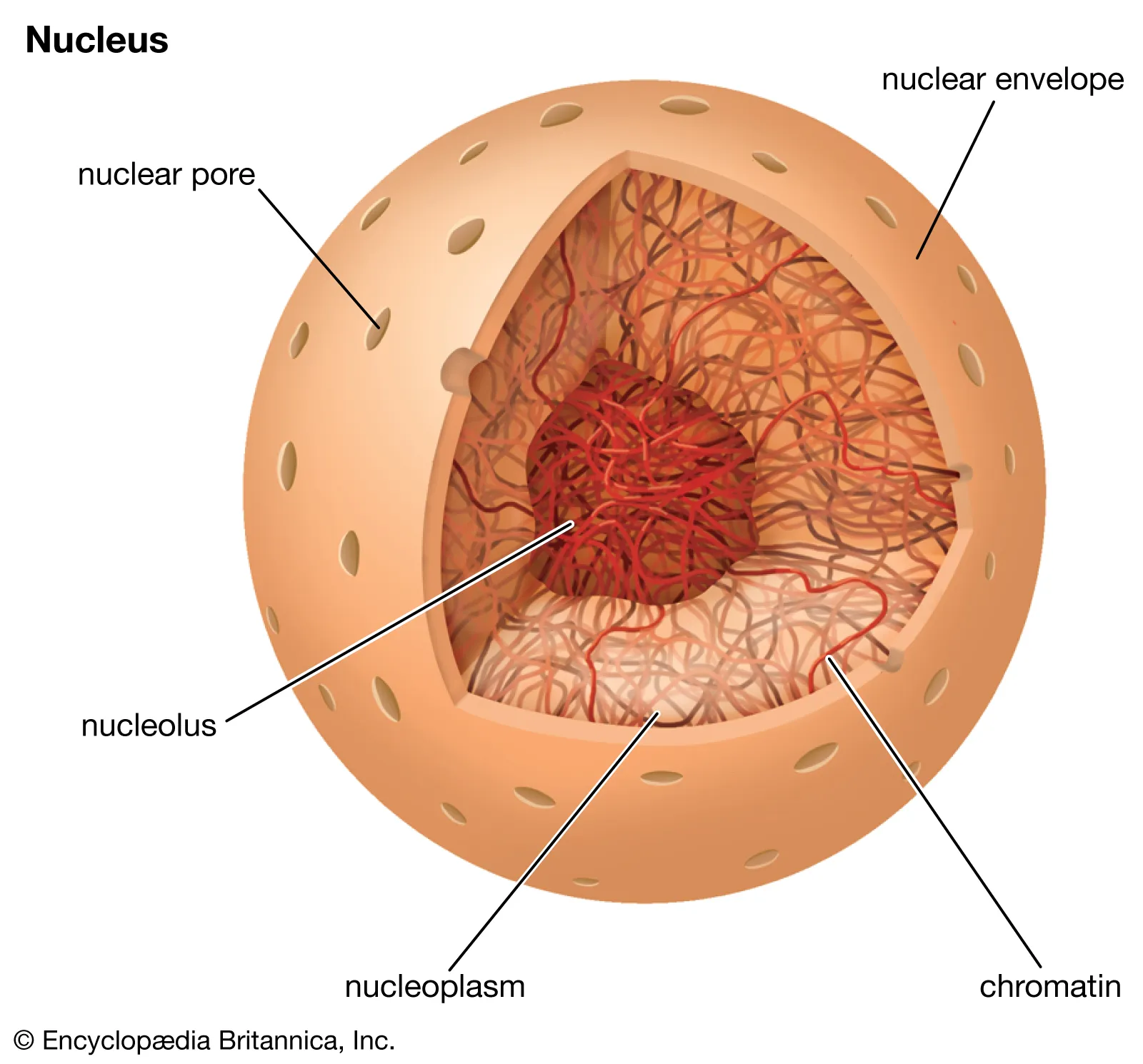
Nucleolus Function
A specialized structure in the nucleus consisting of chromosomal regions where ribosomal RNA (rRNA) is synthesized and assembled.

Nuclear Envelope and Pore Complex
a double membrane enclosing the nucleus
Pore complexes regulate the entry and exit of proteins, RNA, and macromolecules

Golgi Apparatus
An organelle consisting of stacks of flat membranous sacs (cisternae) that modifies, stores, and routes/transports products of the endoplasmic reticulum. (Lipids, proteins, and other macromolecules)
receiving cis face
shipping trans face

Ribosome
Complexes of rRNA and protein that perform protein synthesis
Exist free in the cytosol or bound to rough ER/nuclear envelope

Lysosome
A membrane-enclosed sac of hydrolytic enzymes found in the cytoplasm of animal cells used to digest (hydrolyze) macromolecules, damaged organelles, or engulfed material.

Peroxisome Function
A metabolic compartment containing enzymes that remove hydrogen atoms from the substrate, producing hydrogen peroxide (H2O2) converted to water. (plant cell)

Microtubules Structure and Function
Hollow rods made of tubulin dimers
maintain cell shape
guide organelle movement
form spindle fibers
power cilia/flagella

Centrosome and Centrioles
Centrosome: the microtubule-organizing center near the nucleus
Contains a pair of CENTRIOLES, each composed of 9 sets of triplet microtubules

Mitochondrion
Enclosed by two membranes
Inner membrane: folded into cristae, creating 2 compartments: the intermembrane space and mitochondrial matrix
The site of cellular respiration; it uses oxygen to generate ATP by extracting energy from sugars, fats, and other fuels.

Cilia and Flagella Motility Structure
Microtubule-containing extensions projecting from cells
“9 + 2” arrangement of outer doublets and central microtubules
Cillia: back and forth beating motion
Flagella: propeller-like beating motion
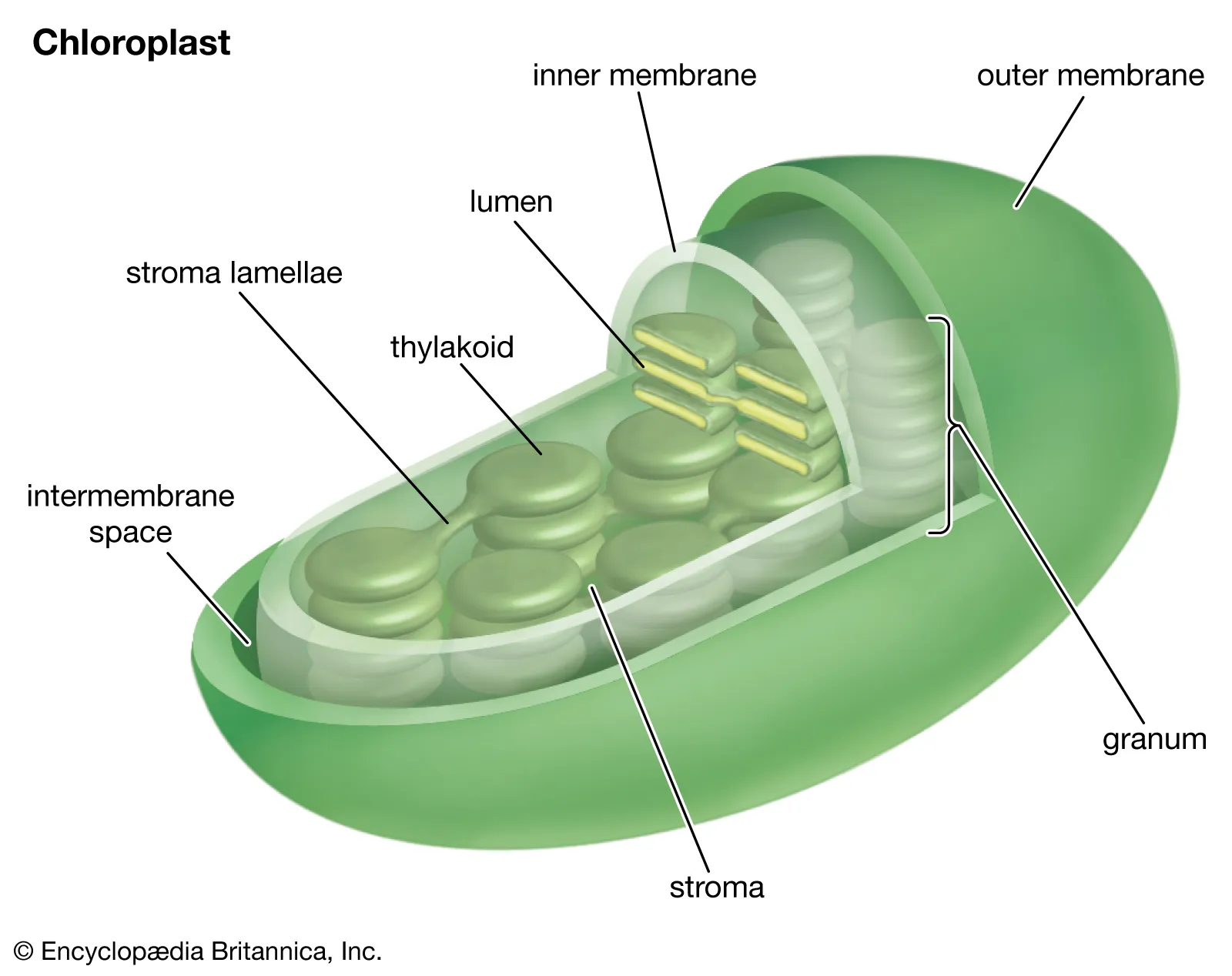
Chloroplast Structure
contains flattened sacs called “thylakoids” (stacked into grana) suspended in fluid called stroma (site of photosynthesis) PLANT CELL

Plasmodemata
Open channels through plant cell walls that connect the cytoplasm of adjacent cells, allowing passage of water, small solutes, and RNA.

Vacuole Types
Food vacuoles: formed by PHAGOCYTOSIS in animals
Contractile vacuoles: pumps OUT excess water in parameciums
Central vacuoles: water/nutrient storage in plants
Animal Intercellular Junctions
Tight junctions: impermeable junctions that prevent molecules from passing through the intercellular space (fluid leakage)
Desmosomes: anchoring junctions that bind to adjacent cells like Velcro. Form internal tension-reducing networks of fibers; plaques on the surface of the membrane attach to protein filaments (fasten cells into strong sheets)
Gap junctions: cytoplasmic channels that allow intercellular communication. Also allow ions and small molecules to pass through channels formed by connexon protein cylinders.


Microfilament Function (Actin Filament)
2 intertwined strands of actin
support cell shape
drive muscle contraction
cytoplasmic streaming
cell motility

Intermediate Filament Function
Fibrous proteins coiled into cables (keratin)
Reinforce cell shape and permanently anchor organelles like the nucleus.

Phagocytosis
engulfing cellular food particles

Autophagy
recycling the cell’s own damaged organelles and organic material

Endosymbiont Theory
The theory that mitochondria and chloroplasts originated as prokaryotic cells engulfed by an ancestral eukaryotic cell, evolving into a single organism.
Cell Fractionation
A technique that breaks up cells and uses CENTRIFUGATION to separate cell components based on size and density.

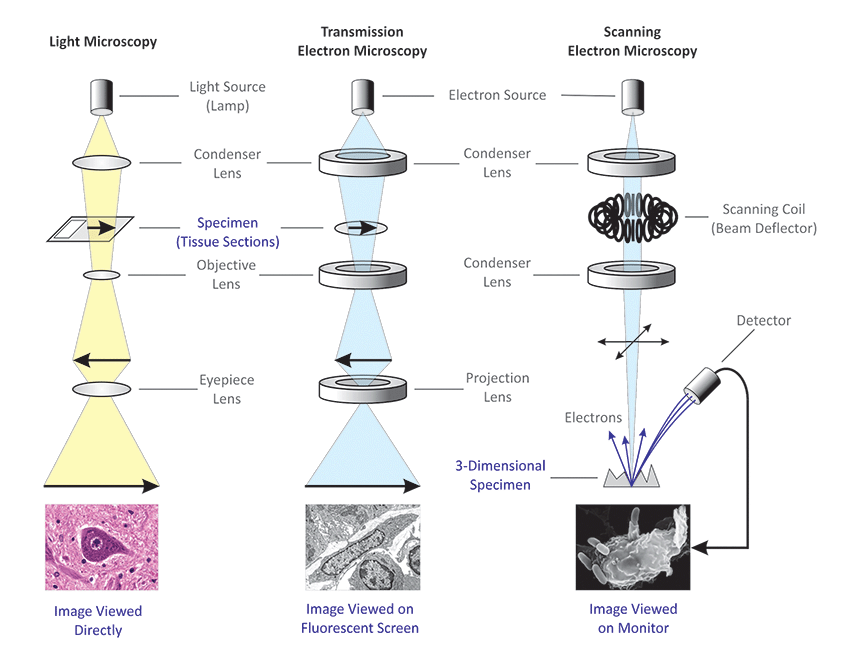
Light Microscopy
LIGHT MICROSCOPES use visible light and lenses (live specimen viewing)

Electron Microscopy
ELECTRON MICROSCOPES (transmission-electron and scanning-electron) use electron beams for much higher resolution.
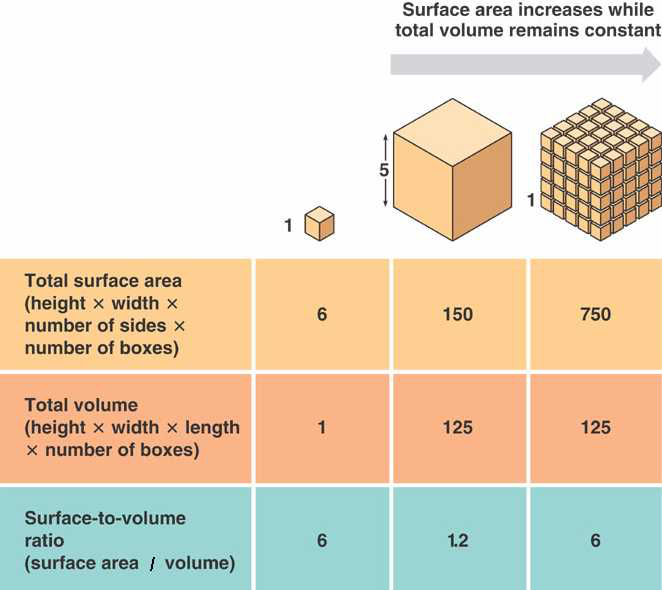
Surface Area-to-Volume Ratio
As a cell grows, volume increases faster than surface area
Small size ensures sufficient area to exchange materials across the plasma membrane