Lab Final Study Guide: Muscles, Bones, Bony Landmarks, and Other Structures
 Call Kai
 Learn
 Practice Test
 Spaced Repetition
 Match
 Flashcards
 Knowt Play
1/143

Earn XP
Description and Tags
Vocabulary practice flashcards covering all muscles, bones, bony landmarks, and other structures required for the anatomy lab final exam study guide.
144 Terms
Scapula
A bone whose required landmarks include the medial border, inferior angle, superior angle, scapular spine, supraspinatus fossa, and infraspinatus fossa.

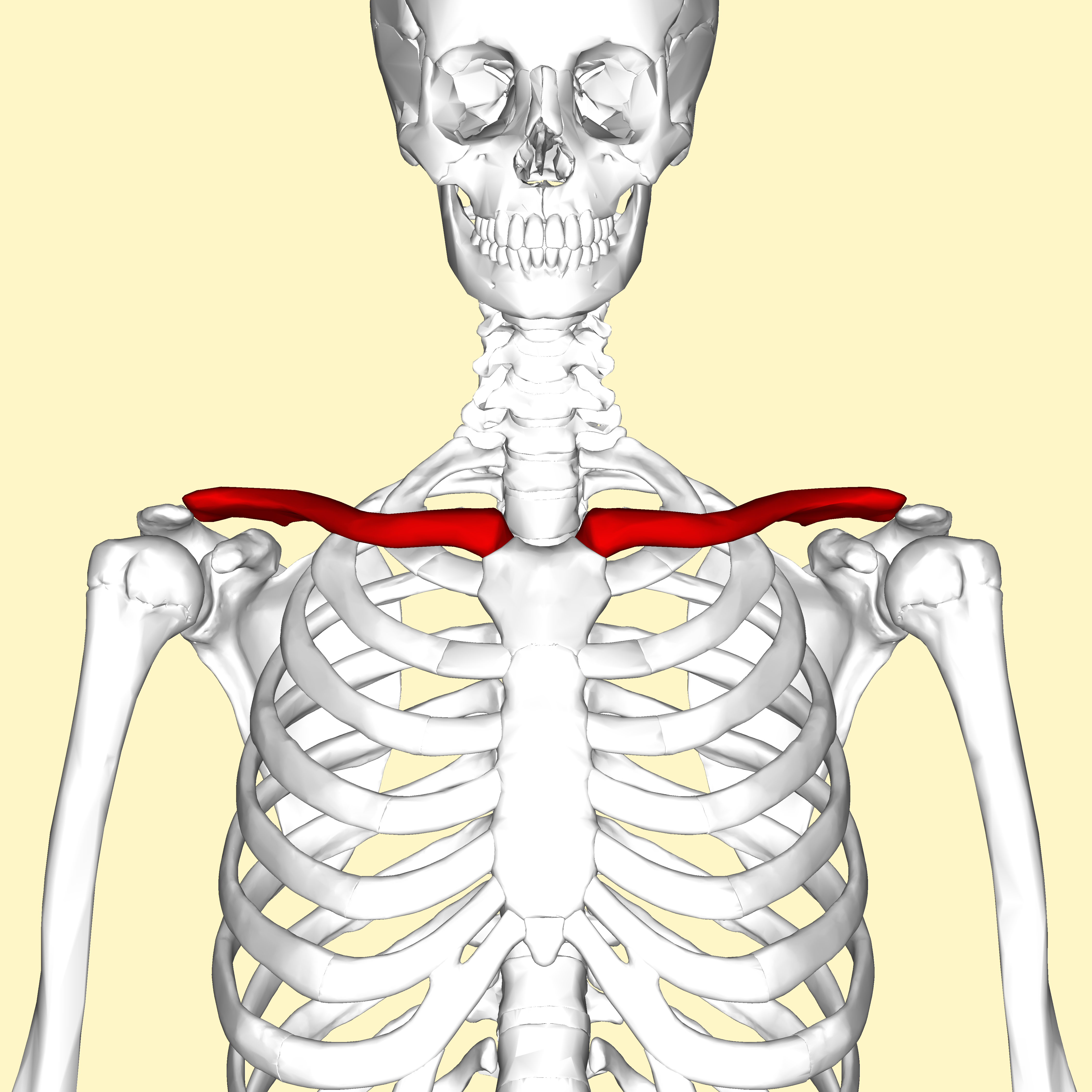
Clavicle
A bone whose required landmarks and associated parts include the clavicular coracoid process, acromion process, and sternal end of clavicle.
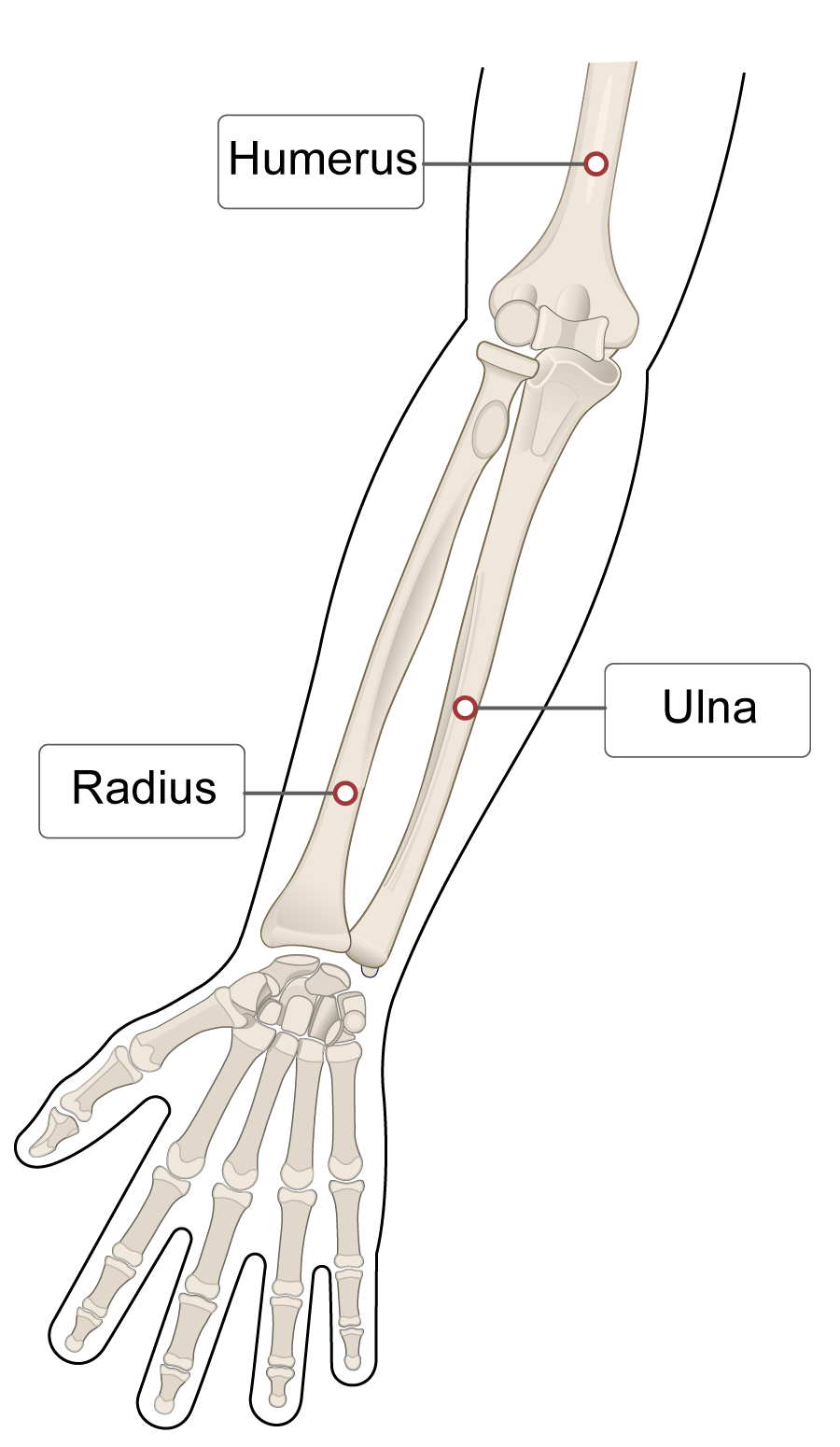
Humerus
An upper extremity bone whose listed landmarks include the humeral head, deltoid tuberosity, greater tubercle, lesser tubercle, intertubercular groove, medial epicondyle, lateral epicondyle, trochlea, capitulum, olecranon fossa, and coronoid fossa.

Ulna
A forearm bone whose required bony landmarks are the coronoid process and olecranon process.
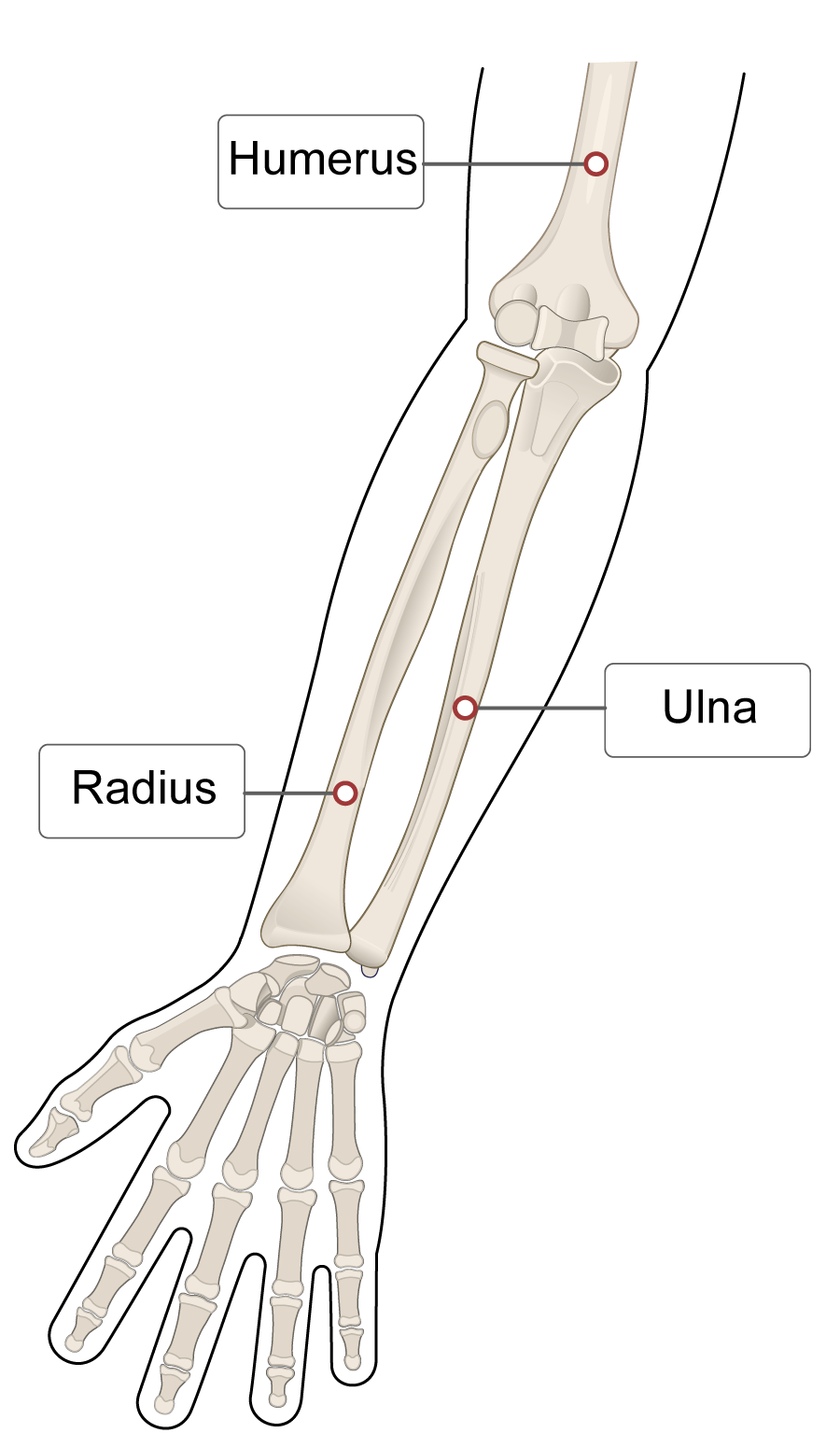
Radius
A forearm bone whose listed bony landmark is the radial tuberosity.
Pelvic Girdle
A skeletal structure whose listed landmarks and parts include the anterior iliac spine, posterior iliac spine, iliac crest, pubic symphysis, ischial tuberosity, and sacrum.

Femur
A lower extremity bone whose listed landmarks include the femoral head, linea aspera, greater trochanter, lesser trochanter, lateral femoral condyle, and medial femoral condyle.

Patella
A bone listed individually between the femur and fibula to be identified on a printed diagram or lab model.
Fibula
A lower leg bone whose listed bony landmark is the lateral malleolus.
Tibia
A lower leg bone whose listed landmarks include the tibial tuberosity, lateral tibial condyle, medial tibial condyle, and medial malleolus.
Talus and Calcaneus
Individual tarsal bones of the foot listed under bones and bony landmarks for identification.
Metatarsal Bones and Phalanges
Distal skeletal structures of the foot and toes listed to be identified on diagrams or models.
Ribs
Thoracic cage bones to identify, specifically including the 12th rib (or other numbered rib), true ribs, and false ribs.
Atlas and Axis
Specific cervical vertebrae listed individually under bones and bony landmarks for identification.
Vertebrae Structures
Spinal features and specific vertebrae listed for identification, including C3, T1, L1, the intervertebral disk, spinous process, and transverse process.
Sternum
An anterior chest bone listed with specific landmarks including the manubrium and xyphoid process.
Iliotibial Band
A non-bone, non-muscle connective structure listed under 'OTHER STRUCTURES to know for the final exam.'
Cruciate Ligaments
Ligaments of the knee listed under other structures to know, consisting of the Anterior Cruciate Ligament and Posterior Cruciate Ligament.
Collateral Ligaments
Ligaments of the knee listed under other structures to know, consisting of the Lateral Collateral ligament and Medial Collateral Ligament.
Meniscus
A knee structure listed under 'OTHER STRUCTURES to know for the final exam.'
Plantar Fascia
A connective structure of the foot listed under 'OTHER STRUCTURES to know for the final exam.'
Scapular and Upper Back Muscles
A group of muscles listed on the study guide that includes trapezius, serratus anterior, levator scapulae, pectoralis minor, and rhomboids.
Shoulder and Humeral Muscles
A group of muscles listed on the study guide that includes coracobrachialis, deltoid, pectoralis major, latissimus dorsi, infraspinatus, supraspinatus, teres major, and teres minor.
Arm and Forearm Muscles
A group of muscles listed on the study guide that includes anconeus, brachialis, biceps brachii, triceps brachii, pronator quadratus, pronator teres, and supinator.
Gluteal Muscles
Hip muscles listed for identification, specifically gluteus maximus, gluteus medius, and gluteus minimis.
Anterior and Medial Thigh Muscles
Lower extremity muscles listed on the study guide that include iliopsoas, rectus femoris, sartorius, pectineus, adductor brevis, adductor longus, adductor magnus, and gracilis.
Posterior Thigh and Knee Muscles
Lower extremity muscles listed on the study guide that include tensor fasciae latae, biceps femoris, semimembranosus, semitendinosus, and popliteus.
Vastus Muscles and Gastrocnemius
Muscles listed together on the study guide comprising vastus intermedius, vastus lateralis, vastus medialis, and gastrocnemius.
Lower Leg Muscles
Muscles of the leg and ankle listed on the study guide comprising extensor digitorum longus, extensor hallucis longus, tibialis anterior, flexor digitorum longus, flexor hallucis longus, tibialis posterior, and soleus.
Abdominal and Vertebral Muscles
Trunk and spine muscles listed on the study guide comprising rectus abdominis, external and internal oblique abdominals, erector spinae, quadratus lumborum, splenius, cervicis, and capitis.
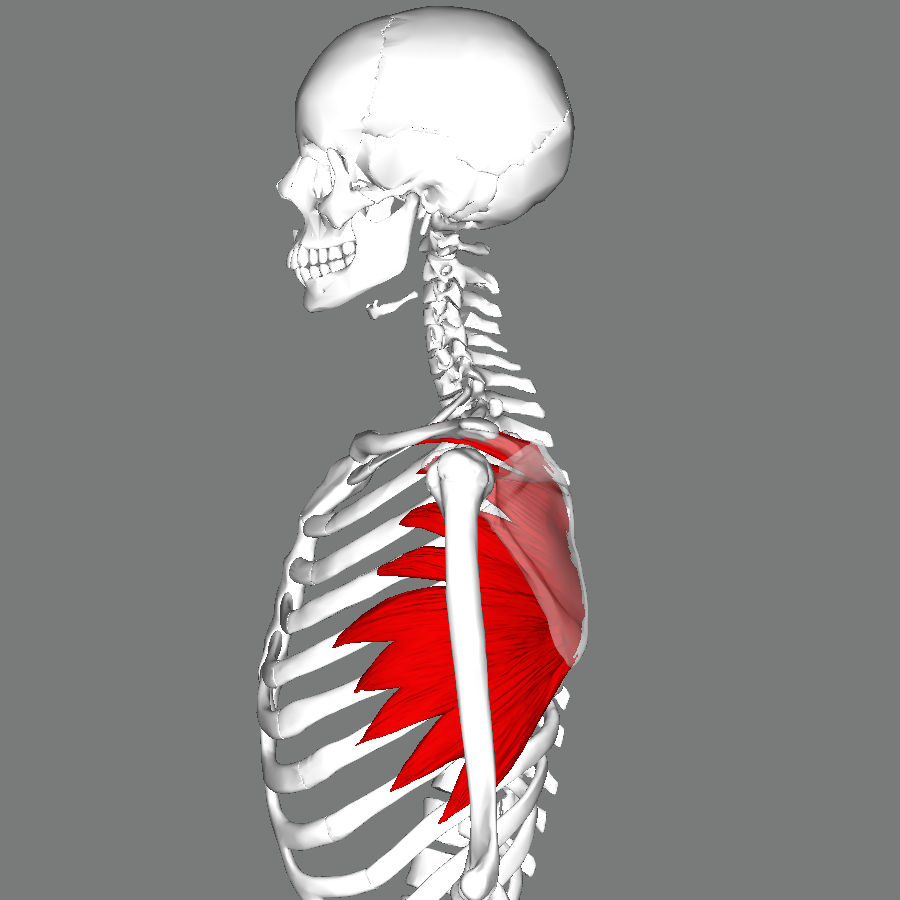
Levator scapulae
A muscle running from the upper cervical vertebrae to the superior medial scapula that elevates the scapula.

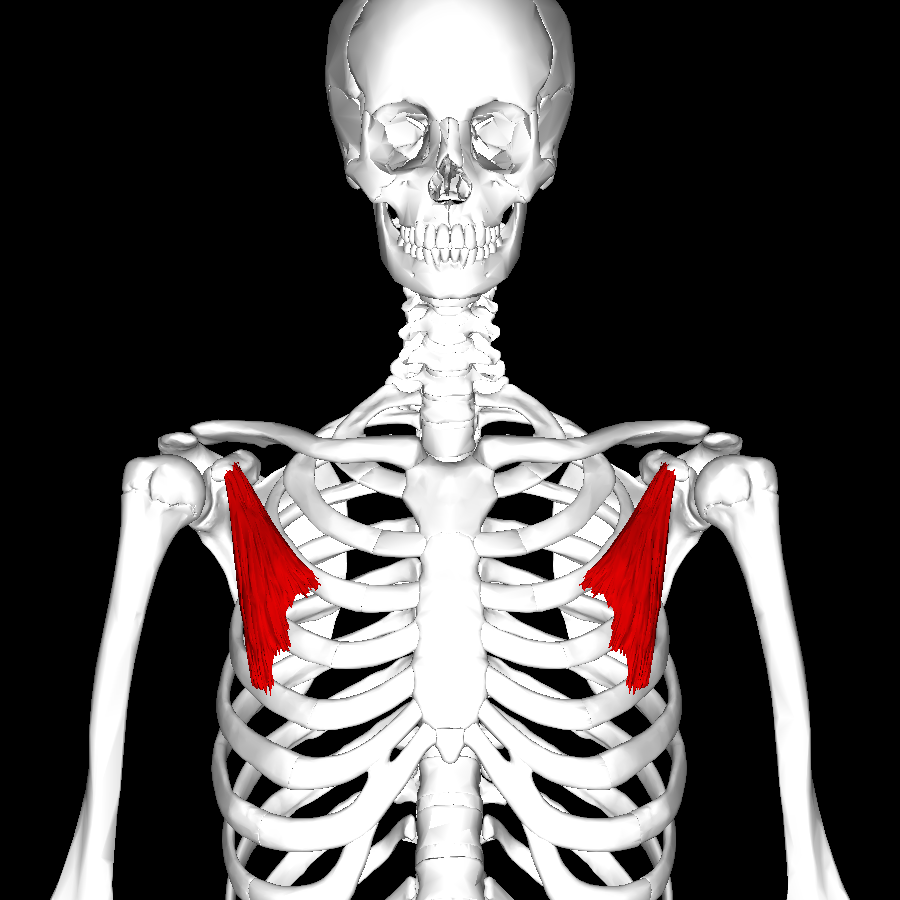
Pectoralis minor
A deep chest muscle running from ribs 3–5 to the coracoid process that draws the scapula forward and downward.
Latissimus dorsi
A broad back muscle that extends, adducts, and medially rotates the arm.
