fibal fiabl biollehy
 Call Kai
 Learn
Learn Practice Test
 Spaced Repetition
 Match
Match Flashcards
 Knowt Play
1/277

There's no tags or description
Looks like no tags are added yet.
Name | Mastery | Learn | Test | Matching | Spaced | Call with Kai | Chat |
|---|
No analytics yet
Send a link to your students to track their progress
278 Terms
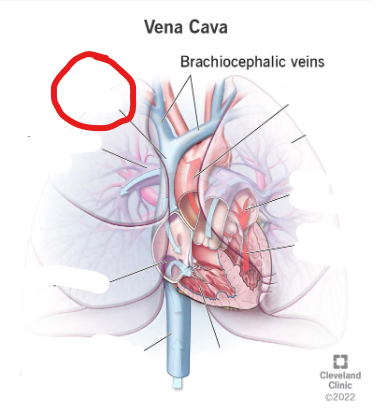
Superior Vena Cava
drains blood from upper body
Antibody
identifies and neutralizes foreign substances
antigen
substance which induces an immune response in the body
aorta
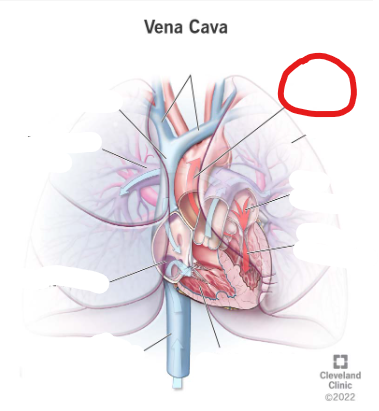
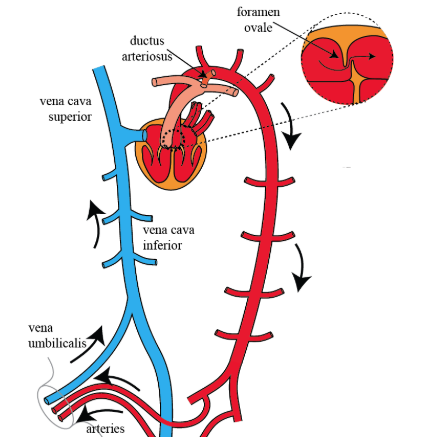
ductus arteriosus
Shunts mixed blood from the pulmonary artery into the aorta
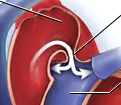
atrioventricular valve
connects atrium to ventricle
AV node
delays signals from atria to allow ventricles to fill properly
capillary-tissue fluid exchange
movement of water and solutes between blood and tissues
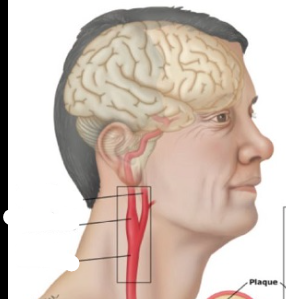
carotid artery
chordae tendineae
connects AV valves to ventricular muscle
coronary artery
provides blood to heart muscle
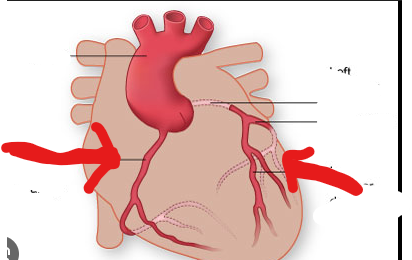
coronary vein
returns blood from heart muscle
fetal circulation
hepatic portal vein
carries blood from the gastrointestinal tract and other organs to the liver
hepatic vein
carries blood from liver to vena cava
hypertension
chronic condition where blood pressure is consistently too high
hypotension
chronic condition where blood pressure is consistently too low
iliac artery
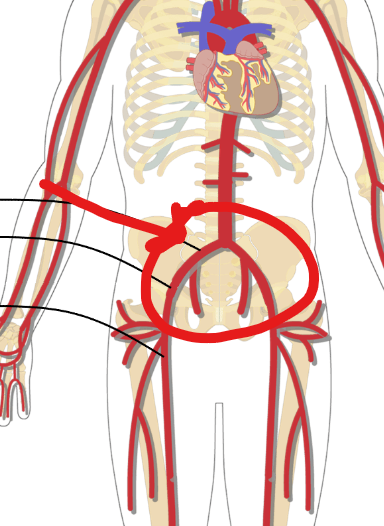
iliac vein
drains deoxygenated blood from lower limbs and pelvic organs
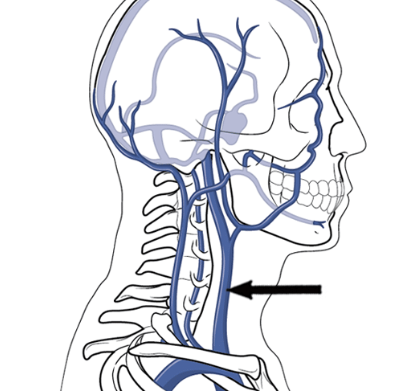
jugular vein
left atrium
receives oxygenated blood from lung
left ventricle
pumps blood to the body
mesenteric artery
supplies blood to pancreas and intestines
foramen ovale
Shunts oxygenated blood directly from the right atrium to the left atrium
plasma
the pale-yellow, liquid component of blood
platelet
cell fragments essential for blood clotting
inferior vena cava
drains blood from lower body
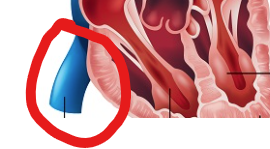
pulmonary artery
transports deoxygenated blood from right ventricle to lungs
pulmonary trunk
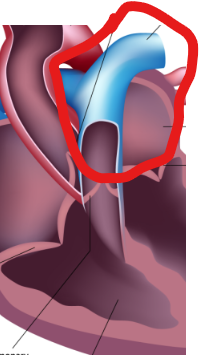
pulmonary vein
transports oxygenated blood from lungs to left atrium
purkinje fibers
wiring in the heart's electrical conduction system
erythrocyte
red blood cell
renal artery
supplies kidney with blood
renal vein
drains kidneys of deoxygenated blood
right atrium
recieves deoxygenated blood from body
right ventricle
pumps blood into lungs
SA node
heart’s pacemaker
semi-lunar valves
preventing blood backflow into the ventricles from major arteries
aortic valve
ensures one way blood flow to the body from heart
pulmonary valve
ensures one way blood flow to the lungs from heart
septum
separates left and right sides of heart
subclavian artery
provides oxygenated blood to upper body
subclavian vein
returns deoxygenatd blood from upper body
systolic blood pressure
pressure in arteries when the heart contracts and beats
umbilical artery
transports deoxygenated blood and waste from the fetus to the placenta
umbilical vein
carries oxygenated blood from the placenta to the fetus
valve
regulates one-way flow in blood vessels
vein
carries blood back towards heart
ductus venosus
shunts oxygenated blood from the umbilical vein directly to the inferior vena cava bypassing the liver
leukocyte
white blood cell
protection, regulation, transportation
3 main functions of blood
placenta
transporting nutrients and oxygen to the fetus, removing waste products, transferring between mother’s blood and fetus’ blood
sympathetic nervous system
branch of the autonomic nervous system that controls the body's rapid "fight-or-flight" response to stress, danger, or exercise
parasympathetic nervous system
division of the autonomic nervous system that promotes “rest and digest” activities
extrinsic control
regulation of heart rate and contractility from outside the heart
electrocardiogram
test that records the heart's electrical activity
pericardium
membrane that encloses the heart
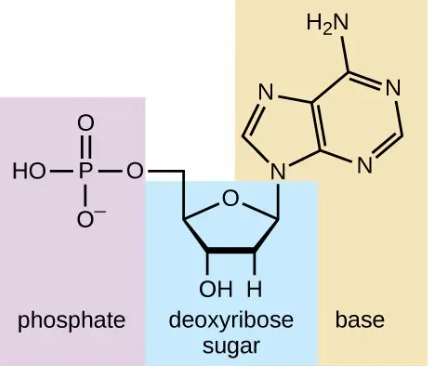
DNA
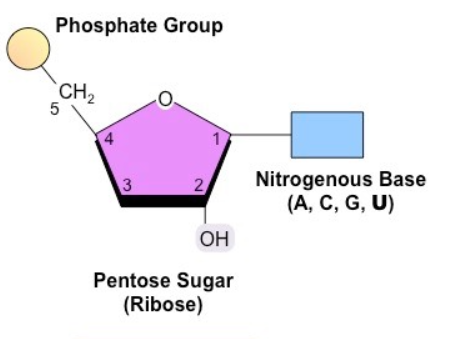
RNA
5’-3’
Polymerase can add nucleotides in ______ order
3’-5’
Polymerase traverses template strand in ______ order
Codon
Three-nucleotide sequence that specifies an amino acid
Semi-conservative
DNA is know as ________ because it contains one original and one new strand
tRNA
carries amino acids to ribosome during translation
Frameshift
_____ mutation: caused by insertion or deletion
Silent
_____ mutation: codon changes but refers to the same amino acid
Nonsense
_____ mutation: Codon turns into an end codon
Missense
_____ mutation: Codon turns into another one for a different amino acid
Polymerase chain reaction
lab technique used to make millions of copies of a specific DNA sequence
golden rice
contains gene from another species that allows it to produce β-carotene
Genomics
study of the complete set of genes
proteomics
study of complete set of proteins
transgenic organism
contains DNA from two or more sources
gene
sequence of DNA that contains a set of instructions on how to build something
proto-oncogene
tells cells when to divide
tumor suppressor gene
regulates cell division
helicase
responsible for unwinding DNA during replication
ligase
joins okazaki fragments together
polymerase
adds nucleotides to new chain of DNA
promoter region
tells polymerase when to start transcribing (at the start of a gene usually)
plasmid
vector that carries gene of interest to host cell
gene therapy
fixing diseases by correcting faulty genes/inserting new, working ones
insulin
produced by transgender bacteria to treat diabetes
ribosome
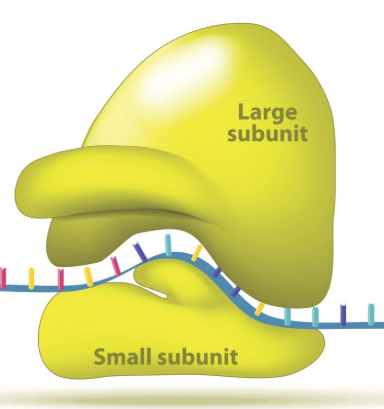
idk
neuron
nerve cell
G to T transversion
mutation caused by cancer that affects TP53 gene
TP53
provides instructions on how to make the tumor suppressor protein
KRAS
provides instructions on how to make the proto-oncogene protein
gene expression
process of making protein with DNA instructions
tRNA
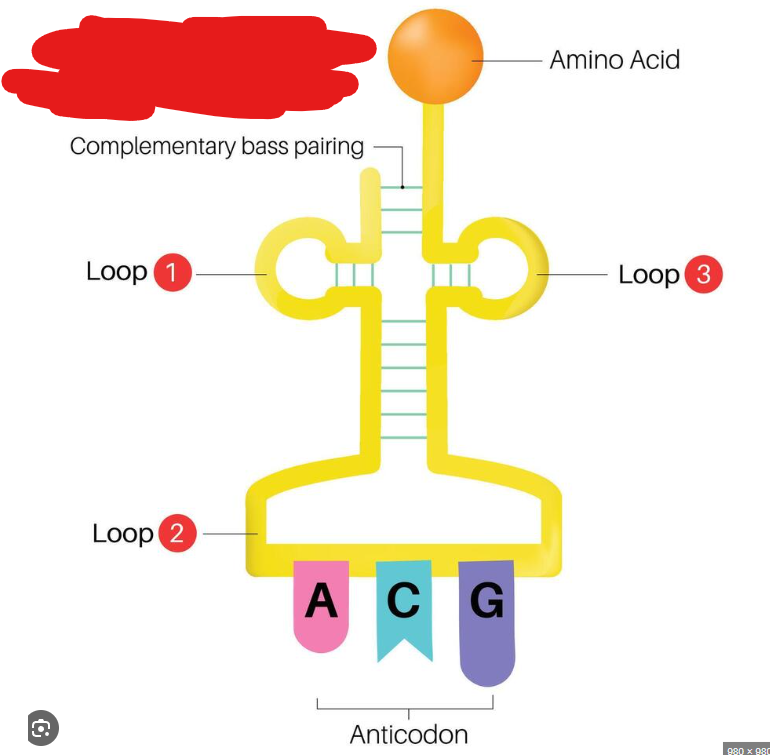
mRNA
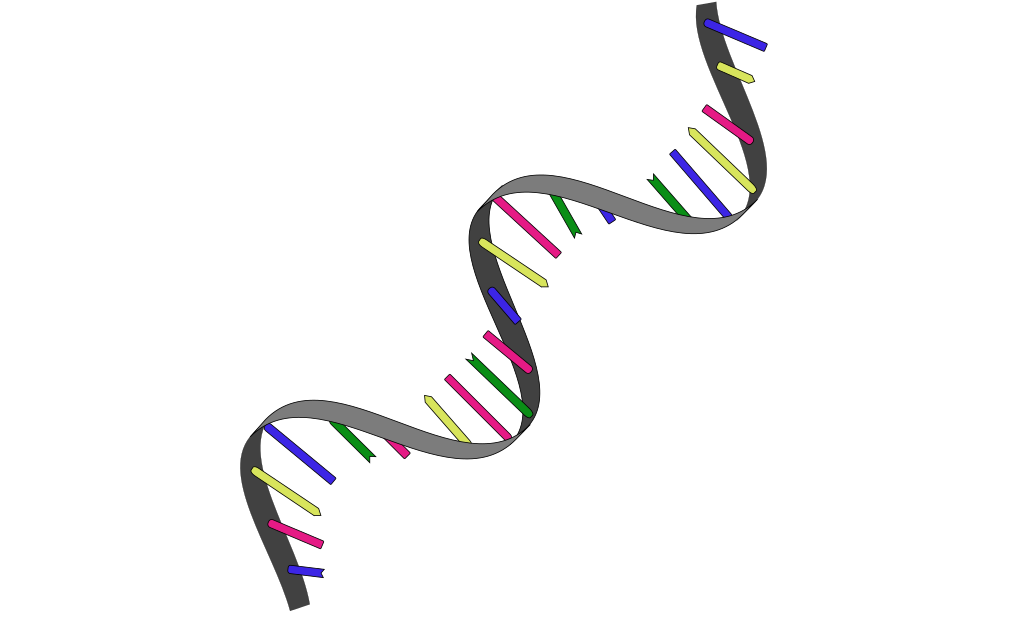
transversion
mutation where purine base (fat one) is substituted for pyrimidine base (skinny one)
transition
mutation where base is substituted for one of the same type
Pharyngitis
causes sore throat, pain swallowing
tonsillitis
causes swollen tonsils, fever, difficulty swallowing
laryngitis
causes horse voice, loss of voice
Sinusitis
causes facial pressure, congestion, headaches
bronchitis
causes coughing, mucus production, wheezing
asthma
causes bronchioles to narrow, air gets trapped, exhaling becomes difficult, less oxygen reaches alveoli