Notable Intellectuals of Intercultural Comminications Studies (Part 2)

0.0(0)
Studied by 0 people
call kaiCall Kai
learnLearn
examPractice Test
spaced repetitionSpaced Repetition
heart puzzleMatch
flashcardsFlashcards
GameKnowt Play
Card Sorting

1/7

encourage image

There's no tags or description

Looks like no tags are added yet.

8 Terms

1
New cards

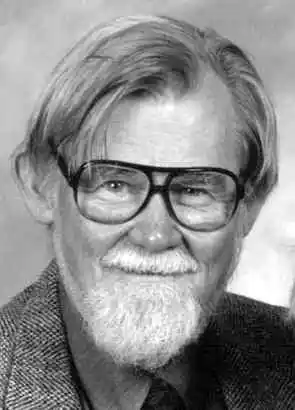
Dell Hymes

  • Argued that

    • Cultures have different speaking norms

    • How people converse or talk to one another differs across cultures

    • Ferdinand de Saussaure’s model of language needed to be challenged

  • Conceptualized

    • Ethnomethods, a term coined by Michael Agar, which are used to refer to analyzing the form, rather than the content, of a conversation based on the cultural expectations for how the conversation is going to play out

      • Turn-taking - how we decide when to talk in a conversation (i.e. pauses and pacing are interpreted differently by speakers from different cultures who pace themselves at different speeds)

      • Adjacency pairs - Statements that are expected to go together (i.e. for every question there is an expected kind of answer, for every compliment there is an expected reciprocal comment in return, etc.)

      • Topic Selection - what is appropriate to discusses depending on who you are talking to and your relationship to them

  • His work was important because it identified speech act norms, which, when not recognized or conformed to, can lead to misunderstanding of speakers from different cultures and negative judgements/stereotypes about them when constantly exposed to them which makes intercultural communication more difficult because the participants in the conversation feel like they are being judged

<ul><li><p>Argued that</p><ul><li><p>Cultures have different speaking norms</p></li><li><p>How people converse or talk to one another differs across cultures</p></li><li><p>Ferdinand de Saussaure’s model of language needed to be challenged</p></li></ul></li><li><p>Conceptualized</p><ul><li><p>Ethnomethods, a term coined by Michael Agar, which are used to refer to analyzing the form, rather than the content, of a conversation based on the cultural expectations for how the conversation is going to play out</p><ul><li><p>Turn-taking - how we decide when to talk in a conversation (i.e. pauses and pacing are interpreted differently by speakers from different cultures who pace themselves at different speeds)</p></li><li><p>Adjacency pairs - Statements that are expected to go together (i.e. for every question there is an expected kind of answer, for every compliment there is an expected reciprocal comment in return, etc.)</p></li><li><p>Topic Selection - what is appropriate to discusses depending on who you are talking to and your relationship to them</p></li></ul></li></ul></li><li><p>His work was important because it identified speech act norms, which, when not recognized or conformed to, can lead to misunderstanding of speakers from different cultures and negative judgements/stereotypes about them when constantly exposed to them which makes intercultural communication more difficult because the participants in the conversation feel like they are being judged</p></li></ul><p></p>
2
New cards

Vanessa Wolfson

  • Argued that

    • Cultures have different compliment norms

    • What is considered a complement in one culture may not be considered so in a different culture (i.e. in Japan, saying the equivalent of “thank you” is considered boastful, and alternative phrases are required to express humility and gratitude like “no, no”)

    • Compliments have different functions in different cultures (i.e. in the US, they are used to express gratitude or reciprocity, start a conversation, uphold social norms, etc.) and thus are Speech Acts (i.e. built off JL Austin)

  • Articulated different kinds of compliments including

    • Backhanded Compliments (compliments which hide their true meaning)

      • Cat-calling

    • Failed Compliments (being complemented on something that is not socially valued)


3
New cards

Deborah Tannen

  • Argued that

    • Cultures have different conversational norms (or “rituals”)

  • Articulated

    • Conversation / Discourse Analysis - using different measures to asses culturally-specific conversation including Hymes’s Ethnomethods such as turn-taking (when to speak), topic selection (what to say), and formulacity (degree of adjacency within an adjacency pair, how expected the answer is) but also other qualities like intonation (whether or not the pitch of a statement moves up or down and how that varies culturally) and listenership (nonverbal cues to signal paying attention that vary culturally)

    • For example, in Burma, a common adjacency pair is “Where are you going?” and “Over there!” but this strikes Americans as odd, who have the conversational ritual of “How are you?” and “Good!” but this may come off as equally odd to the Burmese



<ul><li><p>Argued that</p><ul><li><p>Cultures have different conversational norms (or “rituals”)</p></li></ul></li><li><p>Articulated</p><ul><li><p>Conversation / Discourse Analysis - using different measures to asses culturally-specific conversation including Hymes’s Ethnomethods such as turn-taking (when to speak), topic selection (what to say), and formulacity (degree of adjacency within an adjacency pair, how expected the answer is) but also other qualities like intonation (whether or not the pitch of a statement moves up or down and how that varies culturally) and listenership (nonverbal cues to signal paying attention that vary culturally)</p></li><li><p>For example, in Burma, a common adjacency pair is “Where are you going?” and “Over there!” but this strikes Americans as odd, who have the conversational ritual of “How are you?” and “Good!” but this may come off as equally odd to the Burmese</p><p></p></li></ul></li></ul><p></p>
4
New cards

Ron Scollon & Suzie Wong Scollon

  • Argued that

    • Cultures have different interactional and behavioral norms when speaking

    • Cultures interpret interactions differently by different members of different groups

    • Discourse Patterns are the strongest expressions of both cultural and personal identity since they create identities of both the self and others because people feel like who they are because of the way they talk to others

    • Stereotypes arise from negative judgement being placed on a group based on multiple instances of exposure to members of that group in which disrespect is perceived from that group despite the fact that the problem is not a lack of respect but a lack of a cultural understanding for what the other culture finds respectful

    • People who are exposed to languages different than theirs on a daily basis take up the interactional and behavioral norms of the other language even if they do not speak the language

  • Articulated

    • Small Talk - conversation about something that does not matter in order to maintain social cohesion

    • Discourse Patterns - describes how members of different cultures speak to each other (i.e. Athabaskans and Bangladeshi express respect by an absence of small talk whereas Americans express respect by small talk, so when Americans come into contact with one of these cultures they perceive them to be disrespectful when in reality they just have a different cultural understanding of expressing respect)

    • Identity - that how someone speaks is a part of who they are both culturally and personally

  • Important because it attempts to find the root cause of stereotypes and negative judgements, even if it fails in doing so - it raises the question so-to-speak


<ul><li><p>Argued that</p><ul><li><p>Cultures have different interactional and behavioral norms when speaking</p></li><li><p>Cultures interpret interactions differently by different members of different groups</p></li><li><p>Discourse Patterns are the strongest expressions of both cultural and personal identity since they create identities of both the self and others because people feel like who they are because of the way they talk to others </p></li><li><p>Stereotypes arise from negative judgement being placed on a group based on multiple instances of exposure to members of that group in which disrespect is perceived from that group despite the fact that the problem is not a lack of respect but a lack of a cultural understanding for what the other culture finds respectful </p></li><li><p>People who are exposed to languages different than theirs on a daily basis take up the interactional and behavioral norms of the other language even if they do not speak the language</p></li></ul></li><li><p>Articulated </p><ul><li><p>Small Talk - conversation about something that does not matter in order to maintain social cohesion </p></li><li><p>Discourse Patterns - describes how members of different cultures speak to each other (i.e. Athabaskans and Bangladeshi express respect by an absence of small talk whereas Americans express respect by small talk, so when Americans come into contact with one of these cultures they perceive them to be disrespectful when in reality they just have a different cultural understanding of expressing respect) </p></li><li><p>Identity - that how someone speaks is a part of who they are both culturally and personally </p></li></ul></li><li><p>Important because it attempts to find the root cause of stereotypes and negative judgements, even if it fails in doing so - it raises the question so-to-speak</p></li></ul><p></p>
5
New cards

Benjamin Bailey (Part 1)

  • Argued that

    • Cultures have different respect norms (i.e. Koreans express respect by not acknowledging someone whereas Americans express respect by acknowledging someone; so when Americans and Koreans come into contact, the opposing ideas of respect clash and disrespect is perceived)

    • Interactions between Korean convenience store owners and African American customers, although subtle, are significant because of the interactions’ relation to the sociohistorical conditions that contextualize the interaction (i.e. African Americans have experienced historical discrimination at convenience stores and engaged with the storeowners)

      • In other words, the micro scale of interaction is subtle but it is embedded in a much larger macro scale of historical discrimination


<ul><li><p>Argued that</p><ul><li><p>Cultures have different respect norms (i.e. Koreans express respect by not acknowledging someone whereas Americans express respect by acknowledging someone; so when Americans and Koreans come into contact, the opposing ideas of respect clash and disrespect is perceived) </p></li><li><p>Interactions between Korean convenience store owners and African American customers, although subtle, are significant because of the interactions’ relation to the sociohistorical conditions that contextualize the interaction (i.e. African Americans have experienced historical discrimination at convenience stores and engaged with the storeowners) </p><ul><li><p>In other words, the micro scale of interaction is subtle but it is embedded in a much larger macro scale of historical discrimination </p></li></ul><p></p></li></ul></li></ul><p></p>
6
New cards

Benjamin Bailey (Part 2)

  • Argues that

    • Identity is not fixed but fluid and situational, and changes depending on who is observing us and shifts depending on whether the people around us recognize our identity categories (i.e. Trevor Noah is considered “mixed” in South Africa but “black” in the US, so if he wants to assign himself the “black” social identity category, he would only be able to do so in the corresponding geographical region, the US; or the idea of how Dominican Americans are black, Hispanic, and American so they are a good example of the fluidity of identity and the fact that their identity categories change depending on where they are at (US, Africa, Dominican Republic, or Spain), who they are with (Americans, Dominicans, Africans, or Spaniards), and when in time they are (when Spain was powerful or now when the US is powerful) in that they are black in the US but Hispanic in the Dominican Republic and are viewed in the US with having the motherland of Africa but are viewed in the Dominican Republic as having the motherland of Spain)

<ul><li><p>Argues that </p><ul><li><p>Identity is not fixed but fluid and situational, and changes depending on who is observing us and shifts depending on whether the people around us recognize our identity categories (i.e. Trevor Noah is considered “mixed” in South Africa but “black” in the US, so if he wants to assign himself the “black” social identity category, he would only be able to do so in the corresponding geographical region, the US; or the idea of how Dominican Americans are black, Hispanic, and American so they are a good example of the fluidity of identity and the fact that their identity categories change depending on where they are at (US, Africa, Dominican Republic, or Spain), who they are with (Americans, Dominicans, Africans, or Spaniards), and when in time they are (when Spain was powerful or now when the US is powerful) in that they are black in the US but Hispanic in the Dominican Republic and are viewed in the US with having the motherland of Africa but are viewed in the Dominican Republic as having the motherland of Spain) </p></li></ul></li></ul><p></p>
7
New cards

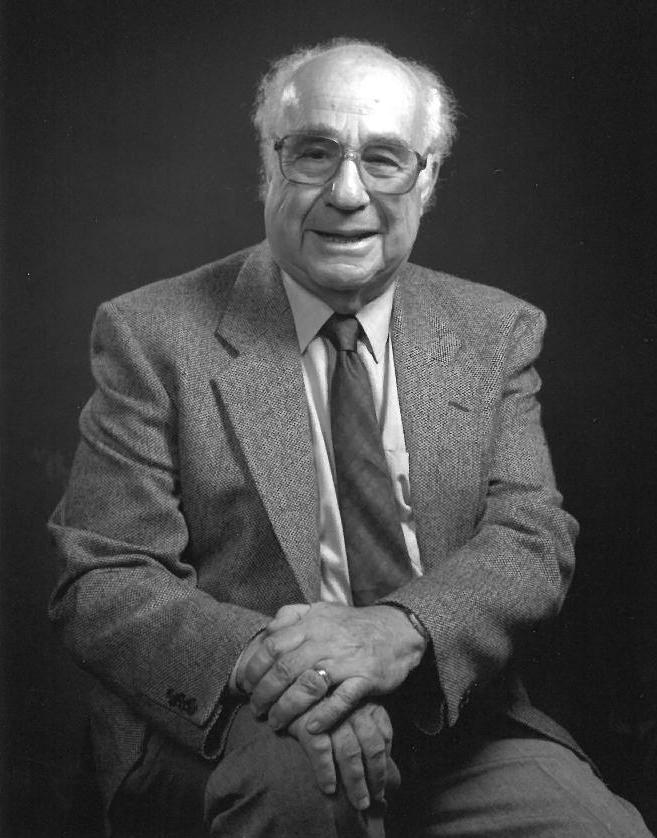
John Gumperz

  • Argues that

    • Speakers of all languages vary how they speak within a culture in order to signal or trap into differences in context (what the speaker is saying or why), identity (who the speaker is), and attitude (how the speaker feels about the context)

  • Articulated

    • Variation - the many different ways in which one can say the same thing depending on the context, identity, and attitude the speaker is trying to tap into (i.e. “I don’t have any money” can be said as “I don’t got no money,” “I’m broke",” “I’m out of dough,” etc. depending on the context, identity, and attitude the speaker wants to tap into)

    • Verbal Repertoire - the many different faces we put on when speaking in different circumstances; how we achieve the behavior of speaking in different ways at different times (i.e. news anchors, teachers, actors, and customer service agents all have “verbal repertoire” since they speak differently depending on the context they are in and can tap into certain those identities as necessary)

    • Intraspeaker Variation - term used to refer to the concept of how the same person speaks differently in different contexts or switches between “ways of speaking”

<ul><li><p>Argues that </p><ul><li><p>Speakers of all languages vary how they speak within a culture in order to signal or trap into differences in context (what the speaker is saying or why), identity (who the speaker is), and attitude (how the speaker feels about the context) </p></li></ul></li><li><p>Articulated</p><ul><li><p>Variation - the many different ways in which one can say the same thing depending on the context, identity, and attitude the speaker is trying to tap into (i.e. “I don’t have any money” can be said as “I don’t got no money,” “I’m broke",” “I’m out of dough,” etc. depending on the context, identity, and attitude the speaker wants to tap into) </p></li><li><p>Verbal Repertoire - the many different faces we put on when speaking in different circumstances; how we achieve the behavior of speaking in different ways at different times (i.e. news anchors, teachers, actors, and customer service agents all have “verbal repertoire” since they speak differently depending on the context they are in and can tap into certain those identities as necessary) </p></li><li><p>Intraspeaker Variation - term used to refer to the concept of how the same person speaks differently in different contexts or switches between “ways of speaking” </p></li></ul></li></ul><p></p>
8
New cards



