THAD
 Call Kai
 Learn
Learn Practice Test
 Spaced Repetition
 Match
Match Flashcards
 Knowt Play
1/42

Earn XP
Description and Tags
THAD
Name | Mastery | Learn | Test | Matching | Spaced | Call with Kai | Chat |
|---|
No analytics yet
Send a link to your students to track their progress
43 Terms

Paleolithic
Megaloceros Gallery Pantings, Unknown artist, Chauvet Cave, France, 30,000 BP

Paleolithic
Lion Man, Unknown artist, Mammoth ivory, Stadel Cave, Baden-Württemberg, Germany, 40,000 BP
Paleolitic
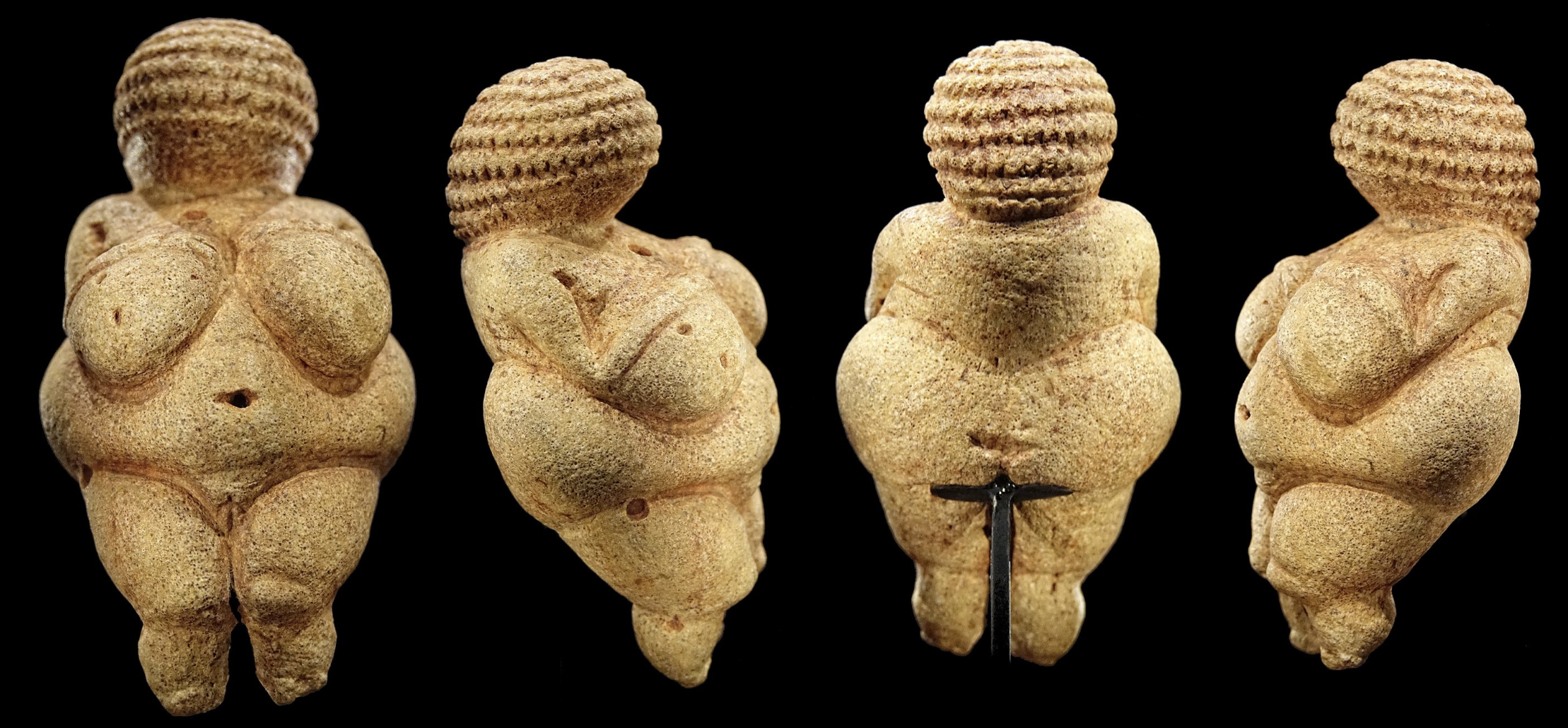
Women of Willendorf, Unknown artist, Oolitic limestone, Austria, 26,000 - 24,000 BP, significant for the “Venice” figurine

Egyptian
Step Pyramid of King Djoser, built by the vizier Imhotep, Egypt, ca. 2670-2650 BCE; significant for being the first built pyramid

Egyptian
“Bent” Pyramid of Sneferu at Dashur, Dynasty IV, 2613 - 2590 BCE

Egyptian
Giza Pyramids, Dynasty IV; Menkaure 2510 BCE, Khafre 2540 BCE, Khufu 2580 BCE (Left to right)
Egyptian
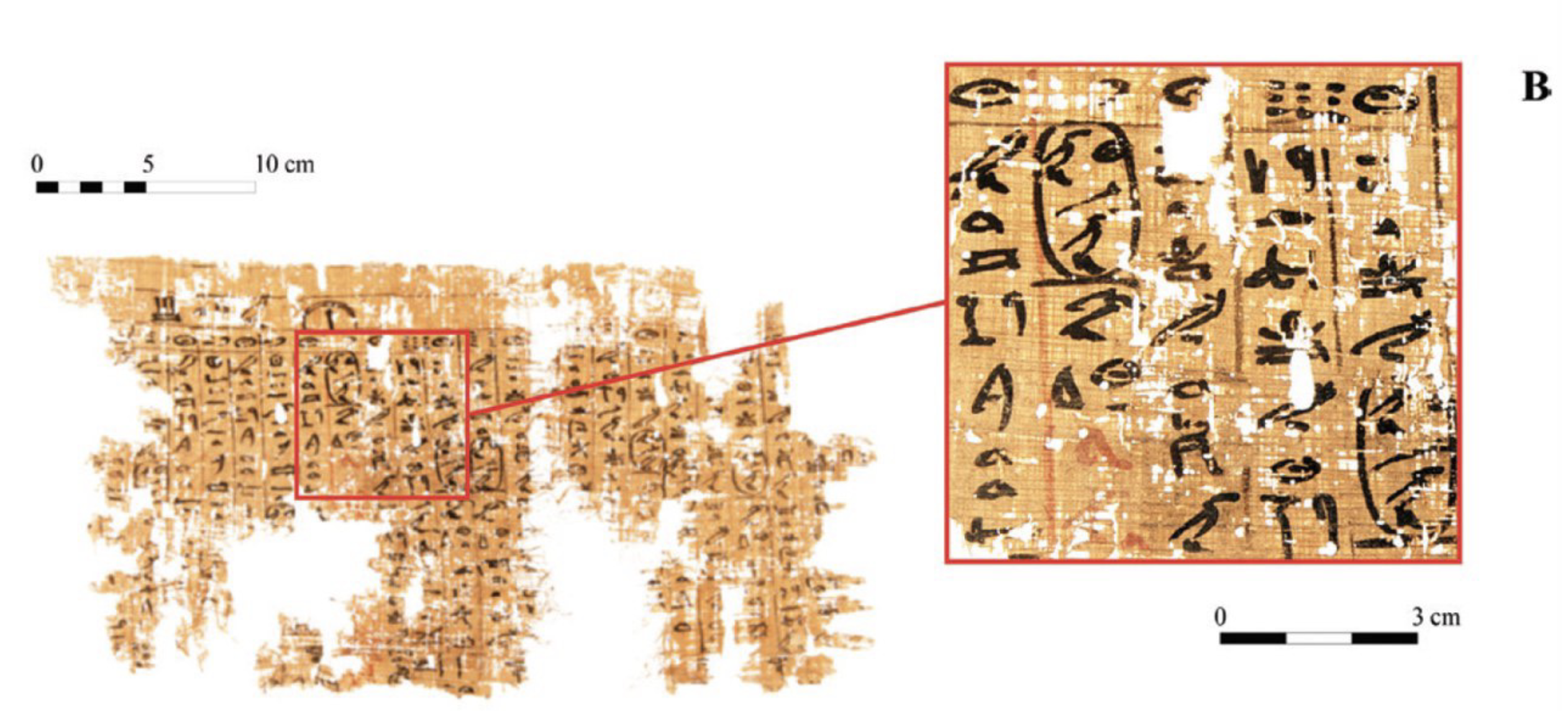
Papyrus of Merer, 26th year of Khufu’s reign, ca. 2563 BCE; a work log for the construction of Khufu’s pyramid written by an Egyptian official named Merer

Egyptian (?)
Great Zimbabwe, ca. 1000 - 1450 CE; originally an emporium used by locals, but British colonialists attributed it to the Queen of Sheba from the Bible to justify white supremacy

Antiquity
Reconstruction of a Trojan Archer from the west pediment of the Temple of Aphaia (ca. 500 BCE), Vinzenz Birkmann and Ulrike Koch-Birkmann, 2019

Antiquity
Augustus of Prima Porta, 14 CE modifying the original from 20 BCE, Rome

Antiquity
Modern reconstruction of Augustus of Prima Porta, 2004, coloured, Vatican Museum

Antiquity
Doryphoros, Polykleitos (sculptor), Bronze sculpture, Original 460-450 BCE, lost but we have a Roman marble copy in a gym of Pompeii; Significant for the contrapposto pose

Antiquity
The Riace Bronzes, ca. 450 BCE; two over-life-size bronze soldier statues; representative of the idealised heroism in classical Greek as normally people do not battle in nude; found in the see at Riace by a diver

Antiquity
Head of Odysseus, part from a statue group from Sperlonga, by Agesenders, Athenodoros, and Polydoros, ca. 10-15 CE; dramatically intense style from the Hellenistic Baroque style, contributed by the elite workshop in the island of Rhode

Byzantine
Hagia Sofia Cathedral, Anthemios of Tralles and Isidore of Miletus, Constantinople (Now Istanbul), 532-537 CE; Multi-domed structure for sound and light reverberation (buttress for the weight and drum to prevent dome from collapsing), mosaic filled with tesserae

Byzantine
Christ Pantokrator, 6th century, encaustic and gold on wooden panel, St. Catherine Monastery, Egypt
Islamic
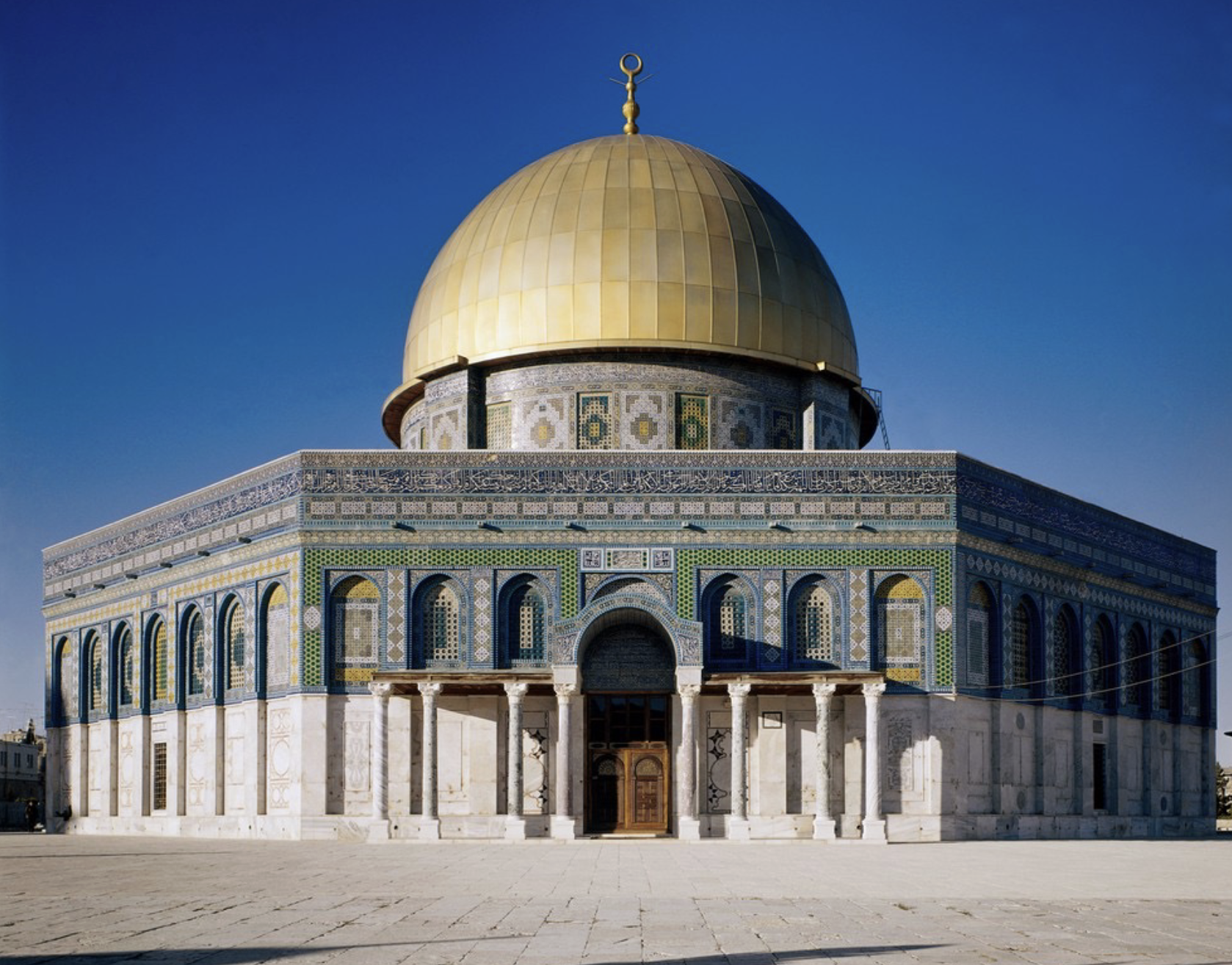
The Dome of the Rock, finished by 691-692 CE, Jerusalem; inner mossiac done by a Catholic apprentice but adopted Islamic rules of not have animate icons in the shrine

Islamic
The Blue Qur’an, 850-950 CE, Gold on Silver on Indigo Parchment, Tunisia; a venerated and preaching product used for its aesthetic purpose.

Object of Faith
Death of the Buddha, 5 stories pagoda in Horyuji, 711 CE, Diorama with clay figurines.

Object of Faith
Stele of the Buddha and two Bodhisattva, Northern Wei, 533 CE, Limestone.

Object of Faith
Vairocana Buddha, Daibutsuden, Tōdaiji, consecration (eye-opening) by 752 CE, later destroyed and restored in the 13th and 17th centuries

Object of Faith
Taizōkai (Wombed-World), Late 9th century, Mandala, Hanging scroll with paint on silk, Tōji, Kyoto; a transition from Mahayana to Vajrayana practise

Object of Faith
Amida Buddha, Jōchō, c.1053, Gold and lacquer on wood, Phoenix Hall of Byodo; representative of Pureland Buddhism where you call and venerate the name of Amida, you may enter the afterlife.
Mountains and Water
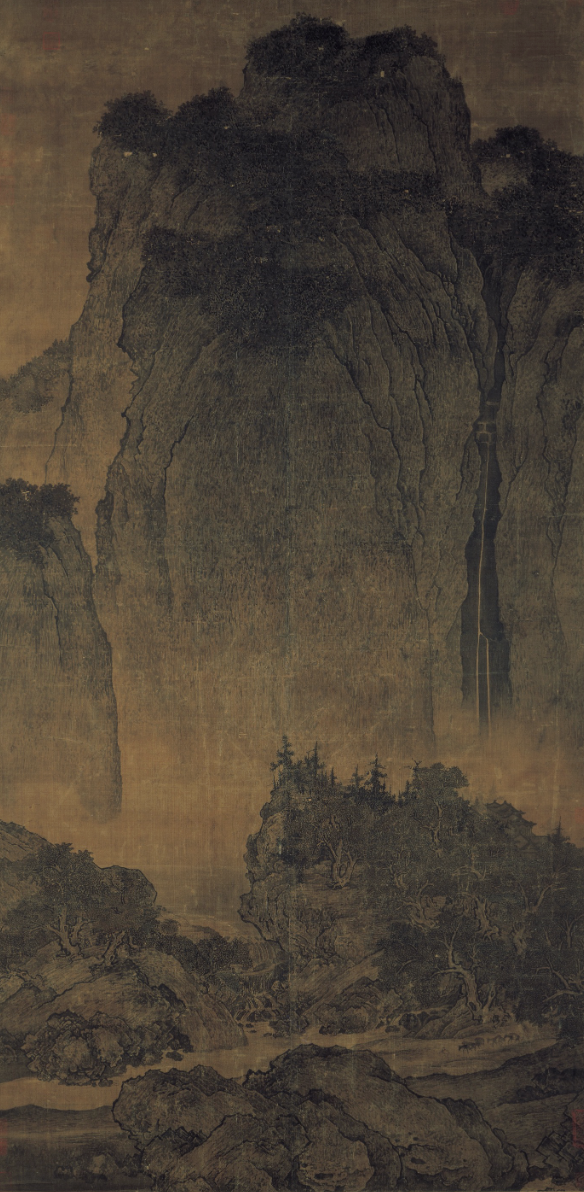
Fan Kuan, Travellers Among Mountains and Streams, Song Dynasty c. 1000, hanging scroll with ink on silk; raindrop texture stroke to create the towering mountains

Mountains and Water
Guan Daosheng, Bamboo Groves in Mist and Rain, 1308, Yuan Dynasty, hanging scroll with ink on paper; Hemp-fibre textured stroke to articulate the earth, abstraction as a form of escapism from the reality where Mongols colonised China

Mountains and Water
Winter Landscape, Sesshu Tōyō. c. 1470s, hanging scrolls, ink on paper; a Muromachi Monochrome, taken influence from Zen Buddhist and Yuan philosophies where ones are encouraged to contemplate the scenes of countrysides

Mountains and Water
Rough Impression of the Mitsui Shop in Suruga-cho, Part of the 36 views of Mt Fuji series, Katsushika Hokuzai, 1831, colour woodblock print, Edo.
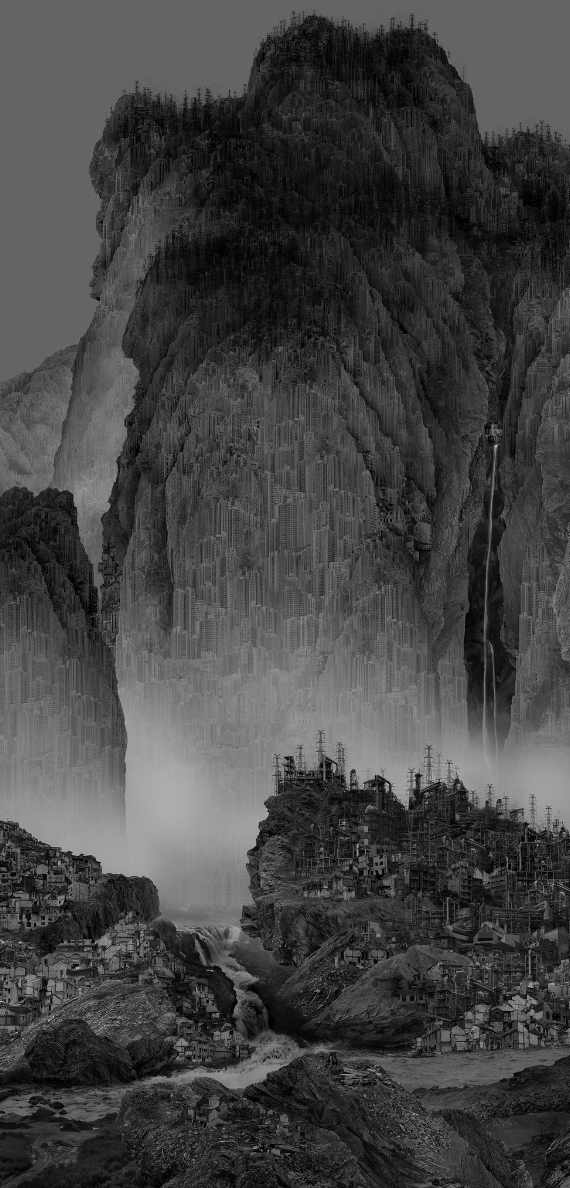
Mountains and Water
Travellers Among Mountains and Streams, Yang Yongliang, 2014, giclée print; modern recreation of Fan Kuan’s work

Monuments
The reliquary of St. Foy, c. 1000 CE, wooden core covered with gold, jewel, cameo, France; significant for the Spolia/Spoliation, in which the creator reused the head of a Roman imperial, to condemn old rulers (a form of vandalism)

Monuments
Tympanum with the Last Judgement, c. 1130 CE, Conques, France; the church housing the Reliquary of St. Foy; significant to preach the reason of embarking on the pilgrimage to see St. Foy, to be purified

Monuments
Angkor Wat, Khmer Dynasty, 1113-1145 CE, Angkor, Cambodia; a great temple complex, used to be Hinduism but repurposed to be Buddhism

Monuments
The Churning of the Sea of Milk, low relief, Angkor Wat, c. 1113-1145 CE, West wall of the Vishnu temple in Angkor Wat; Asuras and Divas helping Vishnu to churn the cosmic milk

Weaving
Illustration of the Sapa Inca (Emperor Tupac Inpa Yupanqui), c. 1590, Unknown Artist

Weaving
All T’oqapu Tunic, Inca, 1450-1540, Camelid fibre and cotton; T’oqapu is a square that represents royalty, the more T’oqapu there is, the more royal

Weaving
Khipu, ca. 1476-1536 CE, Nazca, Peru; the knots (or Khipu) are used to encode information

Weaving
Mapuche Portal #1, Guillermo Bert, 2012; modern collaborative weaving work using indigenous techniques

Weaving (?)
Mythology Calendar, Boris Vallejo, 1989, Oil painting; depicting Manco Capac & Mama Occle

Europe
The Payer Book of Bonne of Luxembourg, ca. 1349, Duchess of Normandy attributed to her daughter and Jean Le Noir; depicting the holy wound as a vulva, representing femininity and a protector for females

Europe
Colophon to the Kennicott Bible, Joseph Ibn Hayyim, 1476, Spain; towards the late ages of Islamic ruling of Spain, where the rules of Islam (no figure) is slowly less strict

Africa
The Great Mosque at Djenne, founded c. 1300, adobe (mud brick), Mali, last restored at 1907; ostrich egg on the colemns, an appropration of local religions

Africa
Copper Mask of King Obalufon II, by the Ancestral Yorubas, 1250-1350 CE, Metal casting, Ife, Nigeria; a physical documentation of monarchs, of history and for future admiration

Kneeling Figure, Djenné people, 13th century, terracotta, Mali; depicting mami wata, goddess of the water with serpent iconography; theorised to be appropriated from mermaid on colonial ships

Africa
Kneeling figure with serpents, Djenné people, 13th century, terracotta, Mali; mami wata