Mammals Management
 Call Kai
 Learn
Learn Practice Test
 Spaced Repetition
 Match
Match Flashcards
 Knowt Play
1/111

There's no tags or description
Looks like no tags are added yet.
Name | Mastery | Learn | Test | Matching | Spaced | Call with Kai | Chat |
|---|
No analytics yet
Send a link to your students to track their progress
112 Terms
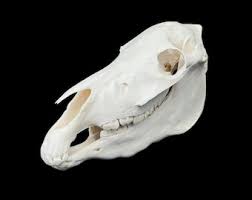
Mesaxonic, projecting long and narrow nasal bone, selenolophodont
Order: Perissodactyla
Family: Equidae
Genus and species: Equus caballus
Common name: horse
Habitat: grasslands, savanna, deserts
Management issues: charismatic yet cause considerable erosion and competition with native wildlife


Tusk-like upper canines oriented upwards, bunodont cheek teeth
Order: Artiodactyla
Family: Suidae
Genus species: Sus scrofa
Common name: domestric pig / boar
Habitat: domestic variety, wild moist forests and shrublands with reeds
Management issues: introduced and imported, but very destructive to everything, diseases impact agriculture

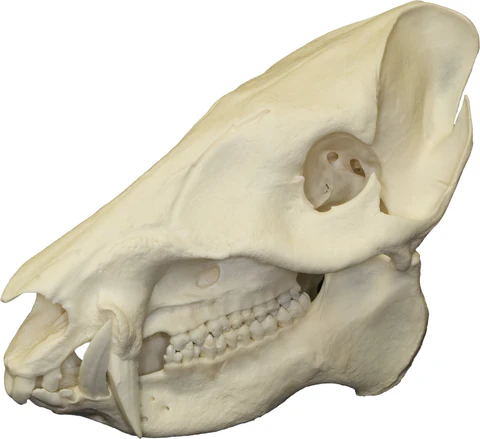
Tusk-like upper canines oriented downwards, small paraoccipital process
Order: Artiodactyla
Family: Tayassuidae
Genus species: Dicotyles tajacu
Common name: collared peccary
Habitat: brushy deserts, rocky canyons southern tropical rainforests
Management issues: habituated urban nuisances


Elongated premaxillaries, short and broad nasals, deep lacrimal depression, wing-shaped supraoccipital shield
Order: Artiodactyla
Family: Cervidae
Genus species: Alces alces
Common name: moose
Habitat: northern boreal forest, often young or disturbed but moist and covered
Management issues: hunted for meat and sport, dangerous, hinder reforestation of pine and spruce

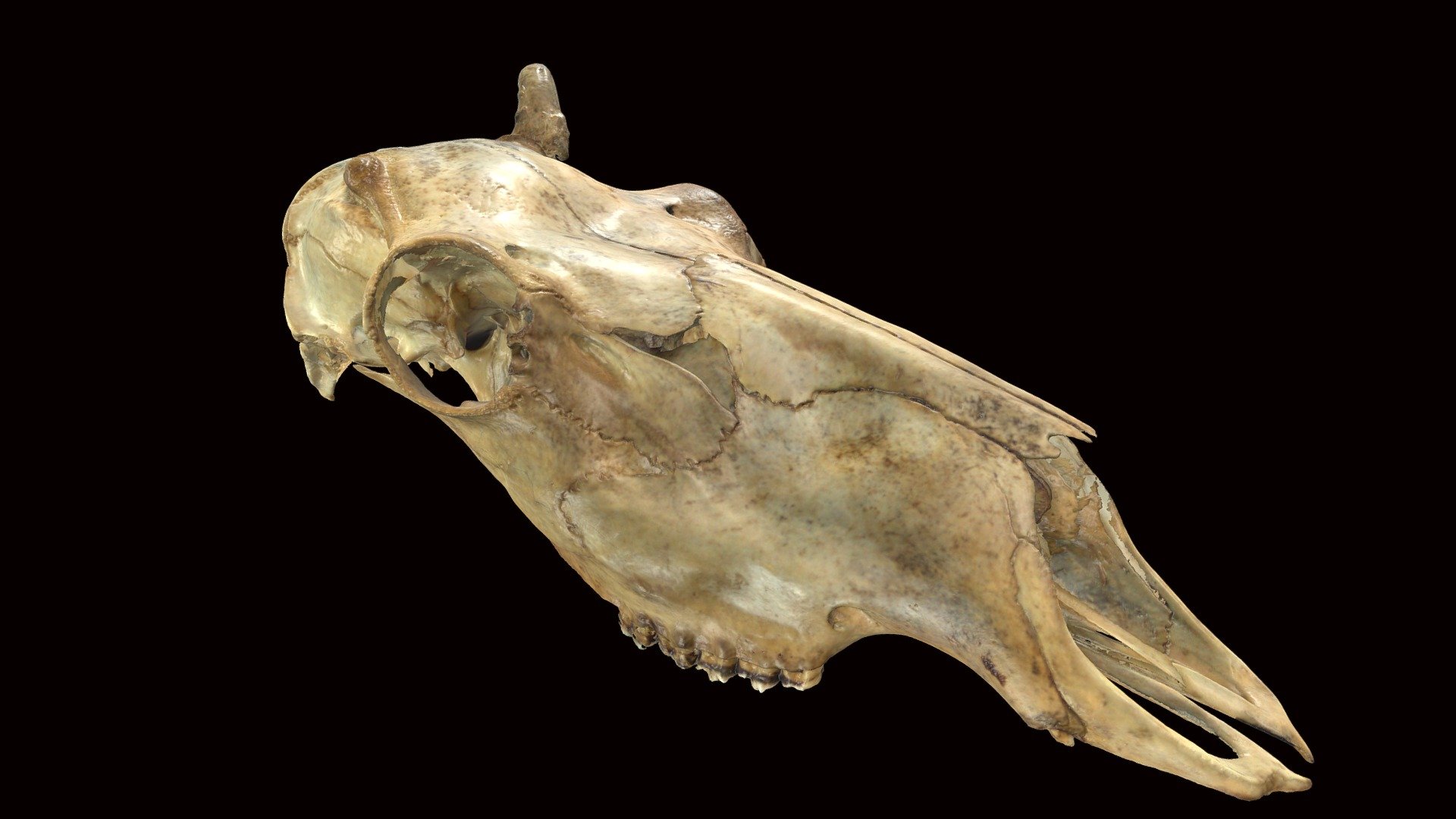
Vomer forming vertical partition extending to the rear of the palate, and upper vestigial canines present
Order: Artiodactyla
Family: Cervidae
Genus species: Rangifer tarandus
Common name: caribou
Habitat: mountain ridges, bogs, tundra, and old boreal forest
Management issues: hunted for meat fur and antlers to endangerment


Deep lacrimal depression, nasolacrimal gap, vomer bone extends to the back of the palate; V-shaped branching of antlers
Order: Artiodactyla
Family: Cervidae
Genus species: Odocoileus hemionus
Common name: mule deer
Habitat: mountains, forests, deserts, and brushlands
Management issues: game species, prey, over-browsing, pests, traffic hazards


Shallow lacrimal depression, nasolacrimal gap, vomer bone extends to the back of the palate; 90 degree branching of antlers,
Order: Artiodactyla
Family: Cervidae
Genus species: Odocoileus virginianus
Common name: white-tailed deer
Habitat: lowland, forest edges and open woodlands, old fields, brushland
Management issues: game species, prey, over-browsing, pests, traffic hazards


Very deep lacrimal depression, nasolacrimal gap, vomer bone does not extend to the back of the palate
Order: Artiodactyla
Family: Cervidae
Genus species: Cervus canadensis
Common name: elk
Habitat: generalists, mostly forested areas through the Holarctic
Management issues: game species, prey, over-browsing, pests, traffic hazards


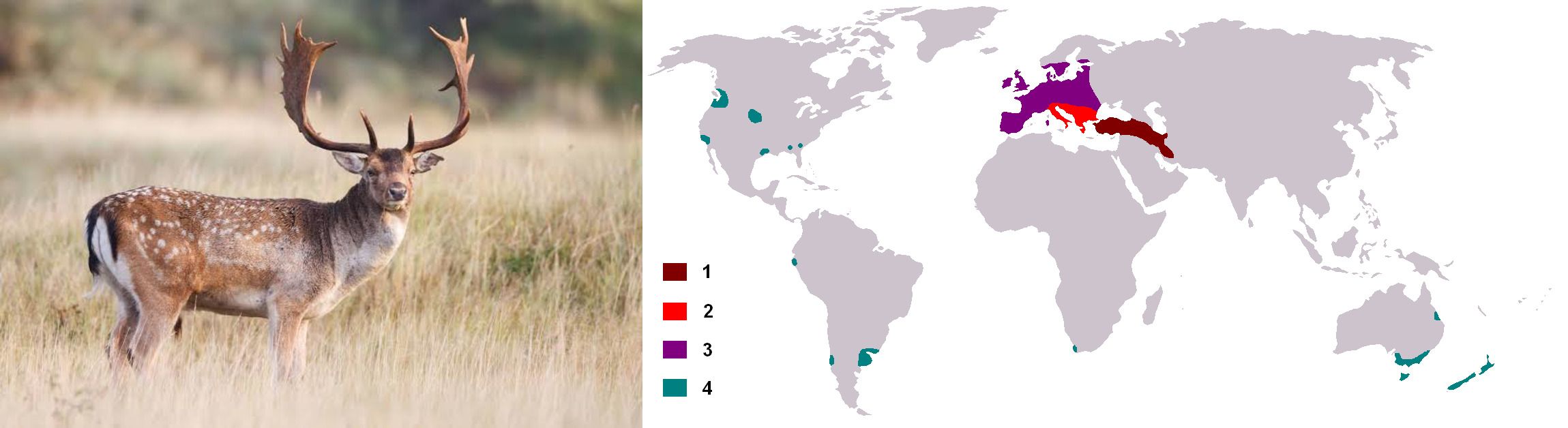
Vomer bone does not extend to the back of the palate, smaller than other Cervidae; palmate antlers
Order: Artiodactyla
Family: Cervidae
Genus species: Dama dama
Common name: fallow deer
Habitat: introduced, non-native, exotic
Management issues: competition

No lacrimal depression; pronghorns
Order: Artiodactyla
Family: Antilocapridae
Genus species: Antilocapra americana
Common name: pronghorn
Habitat: prairies, deserts, or plains
Management issues: second most popular game species, endemic
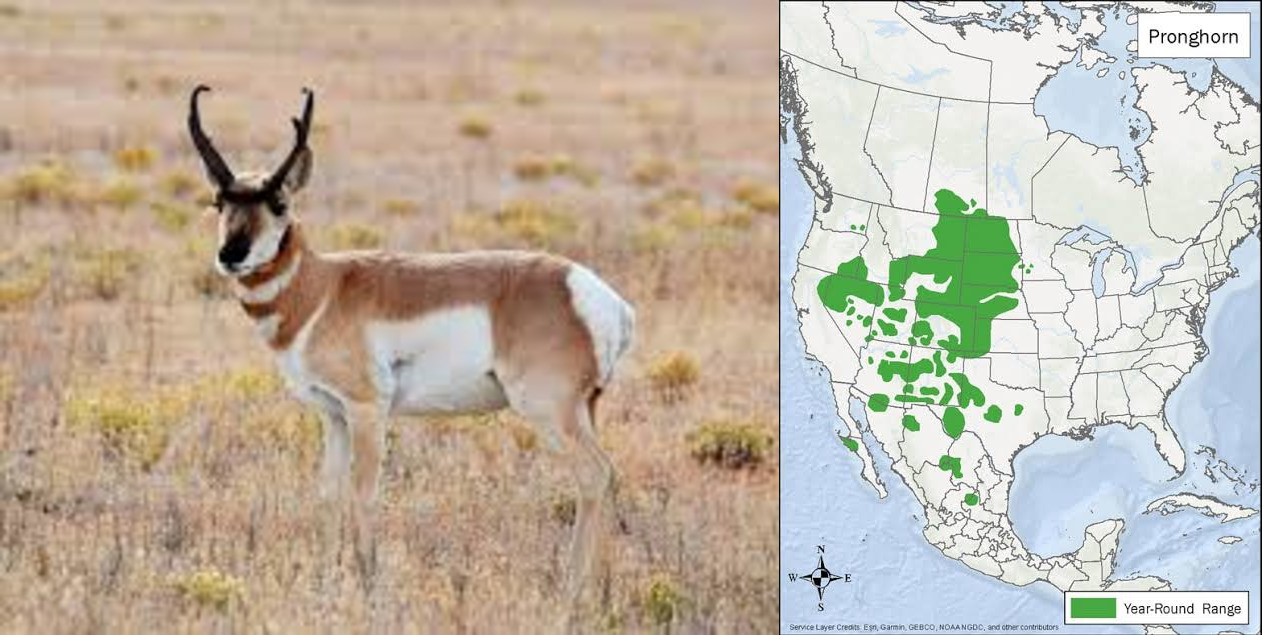
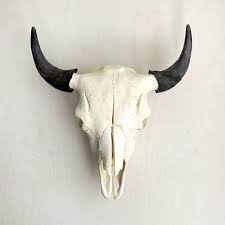
No lacrimal canal or depression; short sharply curved true horns
Order: Artiodactyla
Family: Bovidae
Genus species: Bos bison
Common name: American bison
Habitat: prairie, but now a lot in captivity
Management issues: meat, huge comeback, vital component of grasslands


No lacrimal canal or depression; variable slightly curved true horns
Order: Artiodactyla
Family: Bovidae
Genus species: Bos taurus
Common name: domestic cattle
Habitat: captivity
Management issues: dairy, meat, leather, carry diseases, damage natural ecosystems, competition


No lacrimal canal or depression, braincase descending steeply to occipital ridge, premaxillaries not widely separated from nasals and not expanded
Order: Artiodactyla
Family: Bovidae
Genus species: Capra hircus
Common name: domestic goat
Habitat: captivity
Management issues: destructive to habitats


No lacrimal canal or depression; smooth black true horn
Order: Artiodactyla
Family: Bovidae
Genus species: Oreamnos americanus
Common name: mountain goat
Habitat: steep rocky areas
Management issues: damage to endangered plants, but very sensitive to disturbance


No lacrimal canal or depression; wide ridged brown true horn
Order: Artiodactyla
Family: Bovidae
Genus species: Ovis canadensis
Common name: bighorn sheep
Habitat: meadows, grassy mountains, foothill country, in proximity to rugged rocky cliffs and bluffs
Management issues: susceptible to diseases

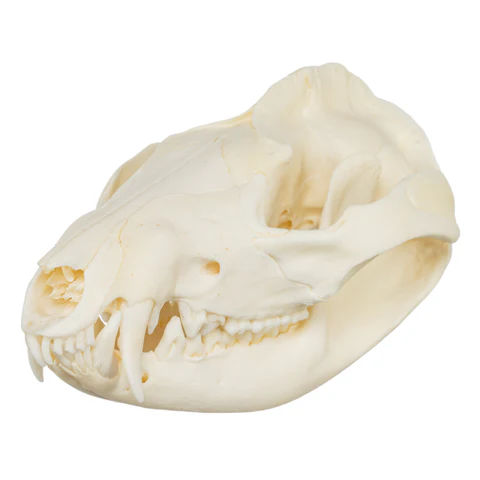
5/4 incisors, fenestrated palate, inflected angular process; marsupial pouch
Order: Didelphimorphia
Family: Didelphidae
Genus species: Didelphis virginiana
Common name: virginia opossum
Habitat: deciduous forests or urban and suburban environments
Management issues: introduced competition

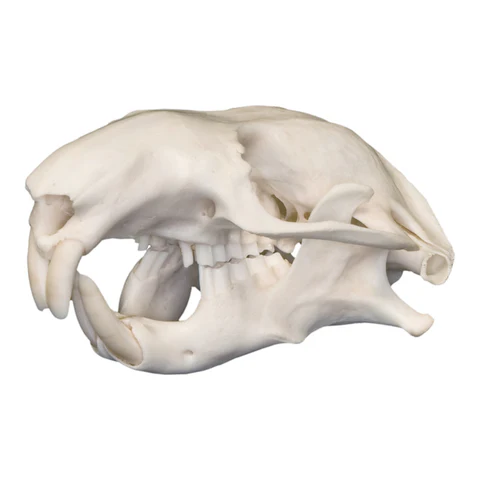
1/1 incisors, protrogomorphous; vestigial tail
Order: Rodentia
Family: Aplodontiidae
Genus species: Aplodontia rufa
Common name: mountain beaver
Habitat: most forests, dense brushy areas
Management issues: raid crops or damage vegetation


1/1 incisors, sciuromorphous, 5 cheekteeth; gray body white belly, bushy tail
Order: Rodentia
Family: Sciuridae
Genus species: Sciurus griseus
Common name: western gray squirrel
Habitat: forests
Management issues: hunted, dispersers, pests, cause power outages


1/1 incisors, sciuromorphous, 5 cheekteeth; grayish brown body white belly, bushy tail
Order: Rodentia
Family: Sciuridae
Genus species: Sciurus carolinensis
Common name: easter gray squirrel
Habitat: parklands and residential areas
Management issues: hunted, dispersers, pests, cause power outages

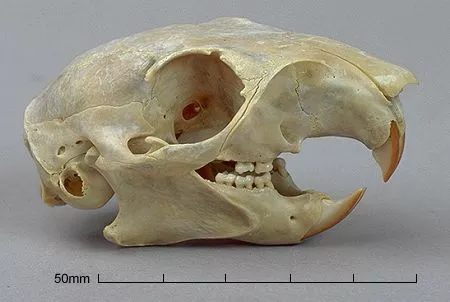
1/1 incisors, sciuromorphous, 4 cheekteeth; grayish red body lighter belly, bushy tail
Order: Rodentia
Family: Sciuridae
Genus species: Sciurus niger
Common name: eastern fox squirrel
Habitat: mature forests and urban parks
Management issues: hunted, dispersers, pests, cause power outages


1/1 incisors, sciuromorphous, 4 cheekteeth; gray body red belly, bushy tail
Order: Rodentia
Family: Sciuridae
Genus species: Tamiasciurus douglasii
Common name: douglas’ squirrel
Habitat: temperate conifer forests
Management issues: hunted, dispersers, pests


1/1 incisors, sciuromorphous, pterygoids touch auditory bullae; patagium, bushy tail
Order: Rodentia
Family: Sciuridae
Genus species: Glaucomys oregonensis
Common name: Humboldt’s flying squirrel
Habitat: northern conifer forests near water
Management issues: pests, but dispersers

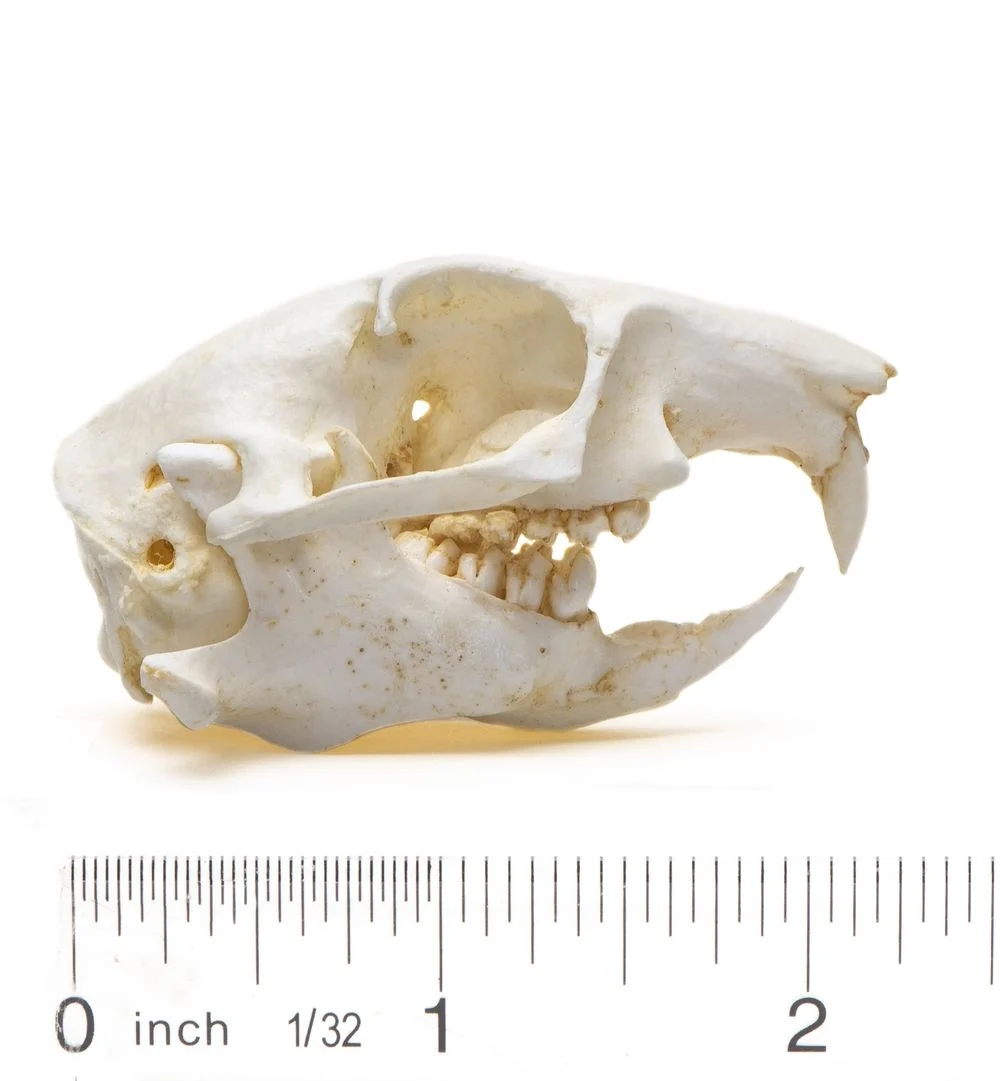
1/1 incisors, sciuromorphous, 5 cheek teeth, non-yellow incisors; grayish tan
Order: Rodentia
Family: Sciuridae
Genus species: Cynomys ludovicianus
Common name: black-tailed prairie dog
Habitat: temperate grasslands with well drained soils
Management issues: destroy crops and burrows may be hazardous, but benefit grazers
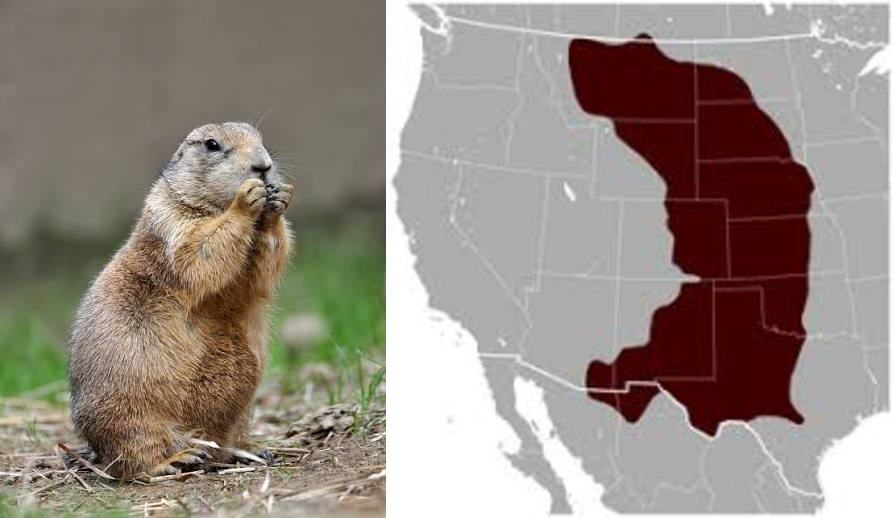

1/1 incisors, sciuromorphous, large, interorbital depression; bulky body, bushy tail
Order: Rodentia
Family: Sciuridae
Genus species: Marmota flaviventris
Common name: yellow-bellied marmot
Habitat: talus slopes and mountain meadows burrowed under rocks or scree
Management issues: pests


1/1 incisors, sciuromorphous, v-shaped temporal ridge; grainy gray body with dark patch, white belly, bushy tail
Order: Rodentia
Family: Sciuridae
Genus species: Otospermophilus beecheyi
Common name: California ground squirrel
Habitat: stubble fields, grazed pastures, road sides, agricultural fields
Management issues: agricultural pests


1/1 incisors, sciuromorphous, u-shaped temporal ridge; stripes up to shoulders
Order: Rodentia
Family: Sciuridae
Genus species: Callospermophilus lateralis
Common name: golden-mantled ground squirrel
Habitat: mixed forests and chaparral habitat
Management issues: harm reforestation efforts, vector for zoonotic diseases


1/1 incisors, sciuromorphous, u-shaped temporal ridge, small post orbital processes; white stripe up to shoulder, underside of tail is white
Order: Rodentia
Family: Sciuridae
Genus species: Ammospermophilus leucurus
Common name: white-tailed antelope squirrel
Habitat: desert succulent shrub, riparian, and wash areas, as well as chaparral and grasslands
Management issues: pests on farmland, but dispersers

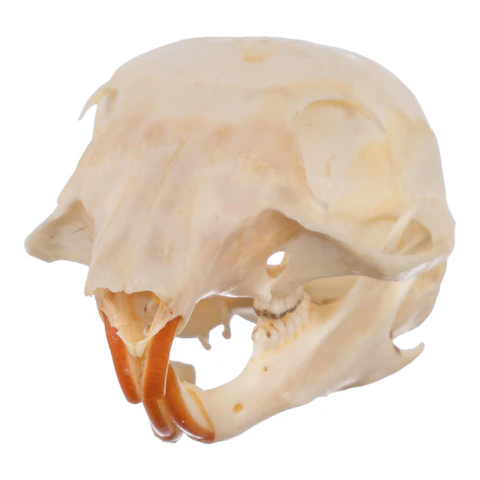
1/1 incisors, sciuromorphous, no temporal ridge; stripes up to the eyes, bushy tail
Order: Rodentia
Family: Sciuridae
Genus species: Neotamias senex
Common name: Allen’s chipmunk
Habitat: dense, moist, mature forests
Management issues: prevent reforestation, but dispersers

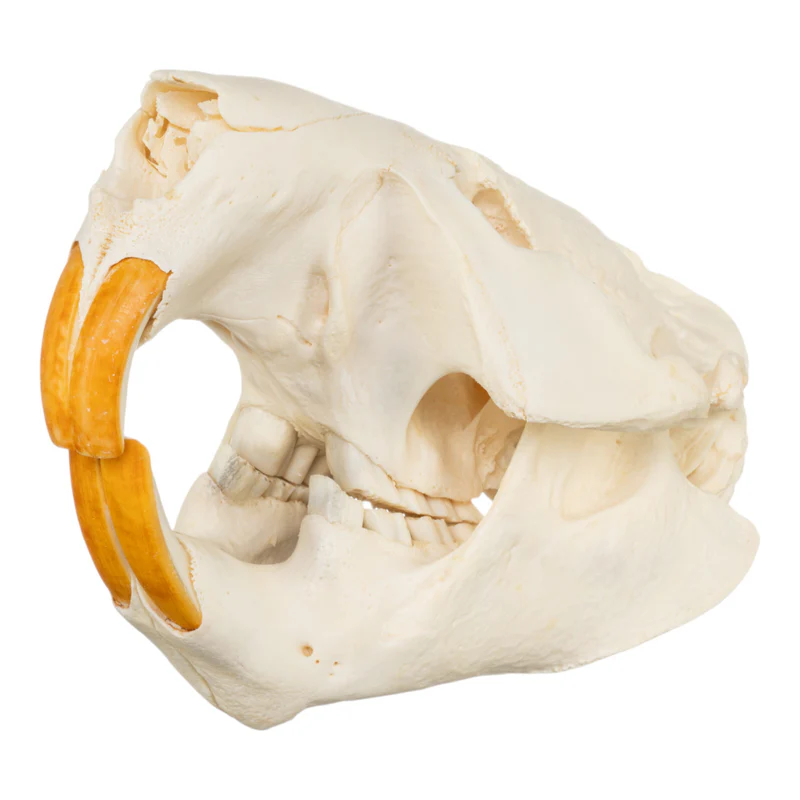
1/1 incisors, sciuromorphous, no postorbital process; leather-like flattened tail
Order: Rodentia
Family: Castoridae
Genus species: Castor canadensis
Common name: North American beaver
Habitat: lakes, ponds, rivers, and streams
Management issues: keystone species in riparian habitats, dam waterways, but foresters consider them a pest


Hystricomorphous, grooved upper incisors, tiny; long and bare tail, no cheekpouches, white belly
Order: Rodentia
Family: Zapodidae
Genus species: Zapus trinotatus
Common name: pacific jumping mouse
Habitat: marsh ecosystems along coastal redwood forests
Management issues: dispersers, but habitat is decreasing due to livestock and introduced deer


Myomorphous with perforated maxilla, auditory bullae extends past zygomatic arch; external cheek pouches, hair on feet
Order: Rodentia
Family: Heteromyidae
Genus species: Dipodomys spp.
Common name: kangaroo rat
Habitat: endemic to California plains
Management issues: habitat loss due to agriculture and solar farms


Myomorphous with perforated maxilla, auditory bullae does not extend past zygomatic arch; external cheek pouches, no hair on feet
Order: Rodentia
Family: Heteromyidae
Genus species: Perognathus spp.
Common name: pocket mouse
Habitat: arid and semiarid with grasses sagebrush and other scrubby vegetation
Management issues: endemic and currently being reintroduced

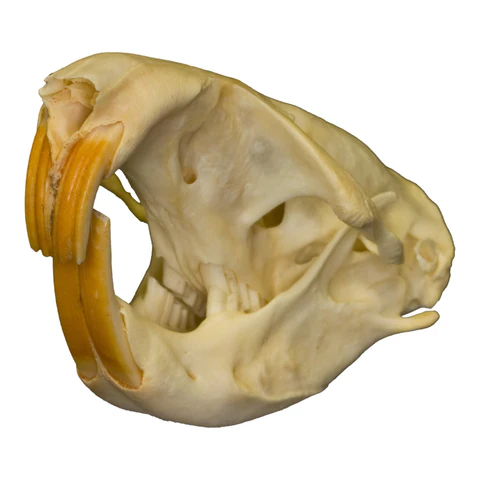
Myomorphous with nonperforated maxilla; external cheek pouches
Order: Rodentia
Family: Geomyidae
Genus species: Megascapheus bottae
Common name: Bott’s pocket gopher
Habitat: borrows in mountains deserts and agricultural areas
Management issues: destruction of underground utility cables and irrigation pipes, pests to farmers and gardeners


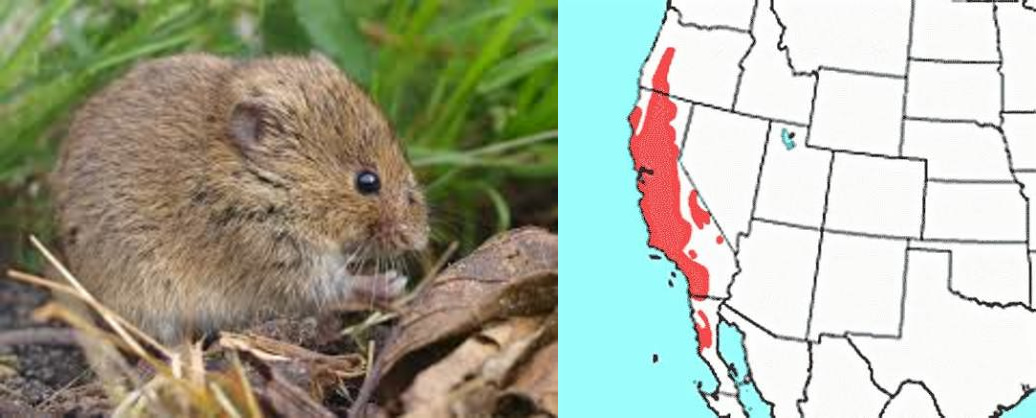
Myomorphous, prismatic cheekteeth, four pointed projections on lingual side of last upper molar, no zygomatic arch; brown
Order: Rodentia
Family: Cricetidae
Genus species: Microtus californicus
Common name: California vole
Habitat: chaparral woodland shrubland
Management issues: conflict with crop production, but important prey

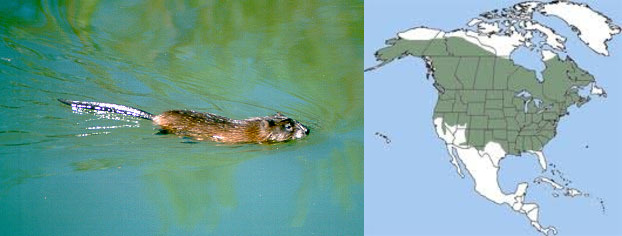
Myomorphous, prismatic cheekteeth, skull > 50 mm; large, glossy brown, laterally compressed scaly tail, partially webbed hind feet
Order: Rodentia
Family: Cricetidae
Genus species: Ondatra zibethicus
Common name: muskrat
Habitat: brackish and fresh water marshes, ponds, rivers, and streams
Management issues: furbearer, agricultural pests

Myomorphous, semi-prismatic cheeckteeth, skull > 40 mm; brown back, white belly, tail not bushy
Order: Rodentia
Family: Cricetidae
Genus species: Neotoma fuscipes
Common name: dusky-footed woodrat
Habitat: under cover near water
Management issues: carries parasites and diseases

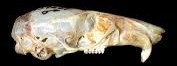
Myomorphous, premaxilla does not extend beyond end of nasals; bicolored tufted tail not longer than head and body, white feet
Order: Rodentia
Family: Cricetidae
Genus species: Peromyscus sonoriensis
Common name: western deermouse
Habitat: nest in trees in plant communities
Management issues: vector of diseases


Myomorphous, grooved upper incisors; brown back, ears lined with orange hair
Order: Rodentia
Family: Cricetidae
Genus species: Reithrodontomys megalotis
Common name: western harvest mouse
Habitat: open areas including grasslands prairies meadows and marshes
Management issues: prey


Myomorphous, prismatic cheekteeth, three projections on lingual side of last upper molar; orange back, short round furry ears, tail shorter than body
Order: Rodentia
Family: Cricetidae
Genus species: Arborimus pomo
Common name: Sonoma tree vole
Habitat: canopies of conifers
Management issues: uniquely feeds on needles, prey


Myomorphous, three cusped cheekteeth, skull > 25 mm, temporal ridges straight and parallel; yellow brown back, tail shorter than head and body
Order: Rodentia
Family: Muridae
Genus species: Rattus norvegicus
Common name: brown rat
Habitat: peridomestic and in disturbed habitats
Management issues: laboratories, domesticated, pest, diseases


Myomorphous, three cusped cheekteeth, skull > 25 mm, temporal ridges bowed outward posteriorly; black back, scaley tail longer than head and body
Order: Rodentia
Family: Muridae
Genus species: Rattus rattus
Common name: black rat
Habitat: peridomestic and in disturbed habitats
Management issues: laboratories, domesticated, pest, diseases


Myomorphous, three cusped cheekteeth, skull < 25 mm, no temporal ridges; off-white belly
Order: Rodentia
Family: Muridae
Genus species: Mus musculus
Common name: house mouse
Habitat: close association with humans
Management issues: laboratories, pest, diseases

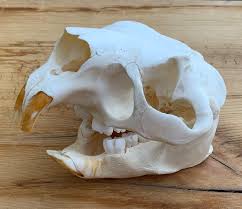
Hystricomorphous, large, short paraoccipital process; quills
Order: Rodentia
Family: Erethizontidae
Genus species: Erethizon dorsatum
Common name: North American porcupine
Habitat: conifer forests, alpine, desert chaparral
Management issues: chews trees, houses, cars, etc


Hystricomorphous, large, long and curved paraoccipital process; coarse pelage, membraned hindfeet
Order: Rodentia
Family: Echimyidae
Genus species: Myocastor coypus
Common name: nutria
Habitat: brackish streams, ponds, irrigation, ditches, and marshes
Management issues: fur trapping, pest

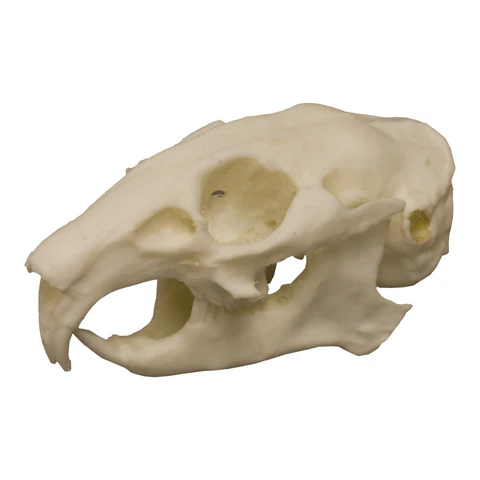
2/1 incisors with pegs, simple fenestrated maxilla; toe beans, round ears
Order: Lagomorpha
Family: Ochotonidae
Genus species: Ochotona princeps
Common name: American pika
Habitat: talus slopes and high elevations with vegetation and rock crevices
Management issues: climate change but important to maintain diversity


2/1 incisors with pegs, web-like fenestrated maxilla, thick post orbital process; longer ears and tail
Order: Lagomorpha
Family: Leporidae
Genus species: Lepus californicus
Common name: black-tailed jackrabbit
Habitat: semi-arid to arid regions, range lands and agricultural areas
Management issues: prey, pest


2/1 incisors with pegs, web-like fenestrated maxilla, thinner post orbital process, horizontal bar in back of head; blackish gray, shorter ears and tail
Order: Lagomorpha
Family: Leporidae
Genus species: Sylvilagus bachmani
Common name: brush rabbit
Habitat: dense brushy cover along riparian zones or in second growth
Management issues: game, prey, pests, endangered


2/1 incisors with pegs, web-like fenestrated maxilla, large tympanic bullae; brownish gray, shorter ears and tail
Order: Lagomorpha
Family: Leporidae
Genus species: Sylvilagus audubonii
Common name: desert cottontail
Habitat: desert and arid grasslands and woodlands, riparian brush, sagebrush
Management issues: game, prey, pest


Zygomatic arch, blocky humerus, skull > 30 mm, 11 lower teeth per side; shovel-like paw, forefeet wider than long
Order: Eulipotyphla
Family: Talpidae
Genus species: Scapanus orarius
Common name: coast mole
Habitat: everywhere but wet swampy ground
Management issues: pests, but aerate soil and control insects

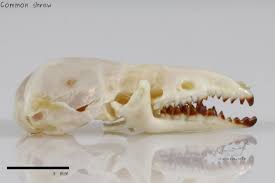
Two condyloid processes, no zygomatic arch, 6 lower red teeth per side, hooked upper incisor; pinna, long proboscis, short hind limbs, stick-like paws
Order: Eulipotyphla
Family: Soricidae
Genus species: Sorex pacificus
Common name: pacific shrew
Habitat: moist streamsides, thickets, and woods
Management issues: little information


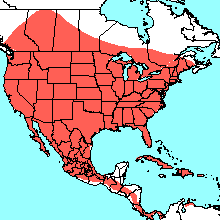
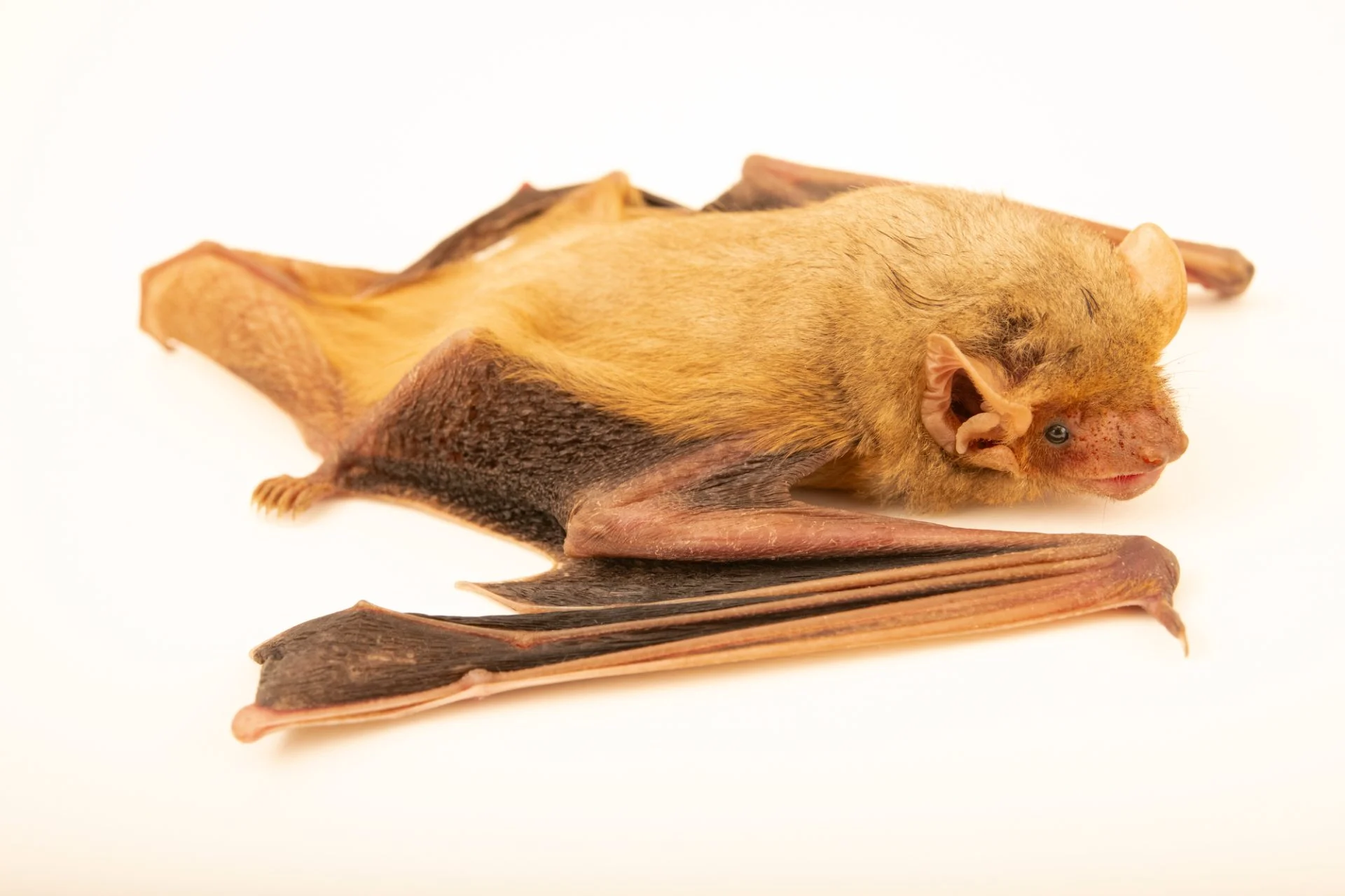
Tragus, large, glossy yellow-brown, uropatagium naked
Order: Chiroptera
Family: Vespertilionidae
Genus species: Eptesicus fuscus
Common name: big brown bat
Habitat: cities, towns, and rural areas
Management issues: misunderstood, white-nose syndrome

Tragus present, small and brownish, uropatagium naked
Order: Chiroptera
Family: Vespertilionidae
Genus species: Myotis californicus
Common name: California myotis
Habitat: semi-arid deserts, arid grasslands, humid forests
Management issues: disturbances, white-nose syndrome

Tragus present, fully furred uropatagium
Order: Chiroptera
Family: Vespertilionidae
Genus species: Lasiurus cinereus
Common name: northern hoary bat
Habitat: variety of trees and forests
Management issues: white-nose syndrome


Very large ears, brown and gray
Order: Chiroptera
Family: Vespertilionidae
Genus species: Corynorhinus townsendii
Common name: Townsend’s big-eared bat
Habitat: high elevation forests and humid coastal areas
Management issues: inconveniences


Tragus and tall but wide ears present, pale, uropatagium naked, pale and yellow
Order: Chiroptera
Family: Vespertilionidae
Genus species: Antrozous pallidus
Common name: pallid bat
Habitat: desert habitats and farmland
Management issues: pest but also eats pests, rabies

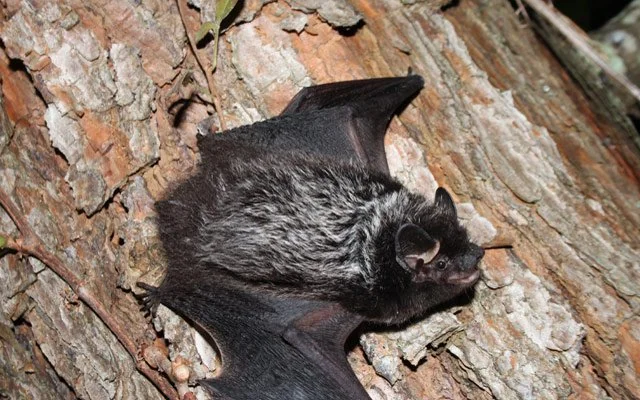
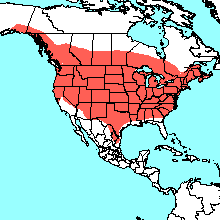
Tragus present, black back with frosted tips, ½ of uropatagium naked
Order: Chiroptera
Family: Vespertilionidae
Genus species: Lasionycteris noctivagans
Common name: silver-haired bat
Habitat: boreal or coniferous and deciduous forests near bodies of water
Management issues: rabies, white-nose syndrome

Tail extends past uropatagium
Order: Chiroptera
Family: Molossidae
Genus species: Tadarida brasiliensis
Common name: Brazilian free-tailed bat
Habitat: caves and man-made structures
Management issues: rabies


Alisphenoid canal, 6 or more cheekteeth, round auditory bulla, straight profile
Order: Carnivora
Family: Canidae
Genus species: Canis latrans
Common name: coyote
Habitat: generalists
Management issues: human-wildlife conflict, competition, rabies


Alisphenoid canal, 6 or more cheekteeth, round auditory bulla, thick post orbital process, lobed incisors
Order: Carnivora
Family: Canidae
Genus species: Canis lupus
Common name: gray wolf
Habitat: conifer forests and tundra
Management issues: human-wildlife conflict, but important top predators and symbols


Alisphenoid canal, 6 or more cheekteeth, round auditory bulla, concave profile; variable
Order: Carnivora
Family: Canidae
Genus species: Canis familiaris
Common name: domestic dog
Habitat: around humans
Management issues: pets, but can be feral


Alisphenoid canal, 6 or more cheekteeth, round auditory bulla, smaller, U-shaped temporal; gray with orange accents
Order: Carnivora
Family: Canidae
Genus species: Urocyon cinereoargenteus
Common name: gray fox
Habitat: hardwood woodlands, bushy riparian areas
Management issues: hunted, rabies


U-shaped temporal ridges forming a small sagittal crest; orange line separating gray back from white belly
Order: Carnivora
Family: Canidae
Genus species: Urocyon littoralis
Common name: island gray fox
Habitat: all habitats on the Channel islands
Management issues: endemic, hunted, pets

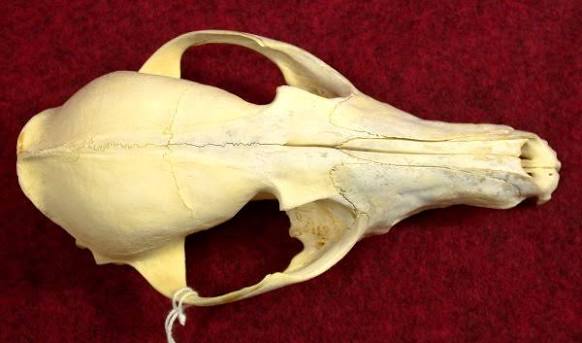
V-shaped temporal ridges indistinct, lacks lobed incisors, has proportional canines; black tipped tail and grayish light brown body
Order: Carnivora
Family: Canidae
Genus species: Vulpes velox
Common name: swift fox
Habitat: shrubs and arid deserts
Management issues: fur bearer


V-shaped temporal ridges indistinct, lacks lobed incisors, has long slender canines; black tipped tail and gray spine with slight brown sides
Order: Carnivora
Family: Canidae
Genus species: Vulpes macrotis
Common name: kit fox
Habitat: shrubs and arid deserts
Management issues: fur bearer


Alisphenoid canal, 6 or more cheekteeth, round auditory bulla, smaller, V-shaped temporal ridge; white tip of tail
Order: Carnivora
Family: Canidae
Genus species: Vulpes vulpes
Common name: red fox
Habitat: diversity of vegetation
Management issues: fur bearers, hunted, threats to poultry, rabies

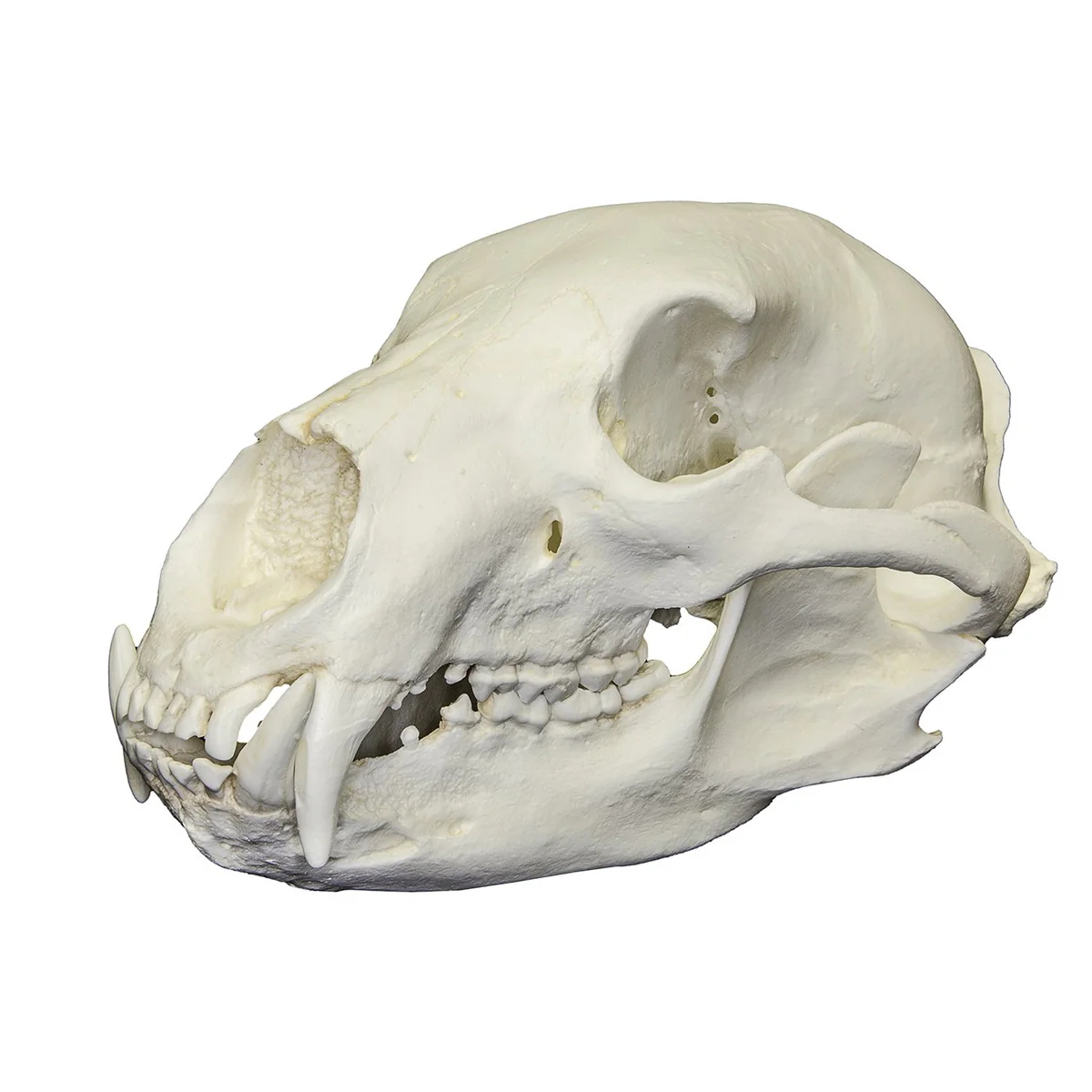
Alisphenoid canal, bunodont, long last upper molar, not strained one hand hold; variable
Order: Carnivora
Family: Ursidae
Genus species: Ursus americanus
Common name: American black bear
Habitat: generalists in forests
Management issues: human-wildlife conflict, hunted

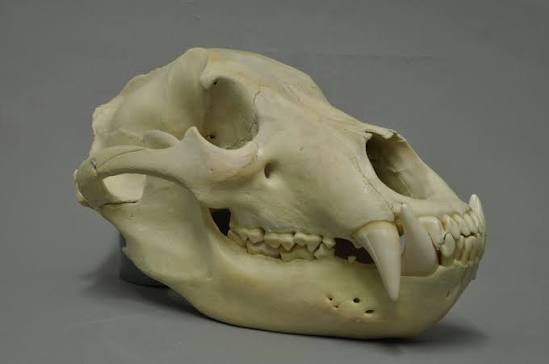
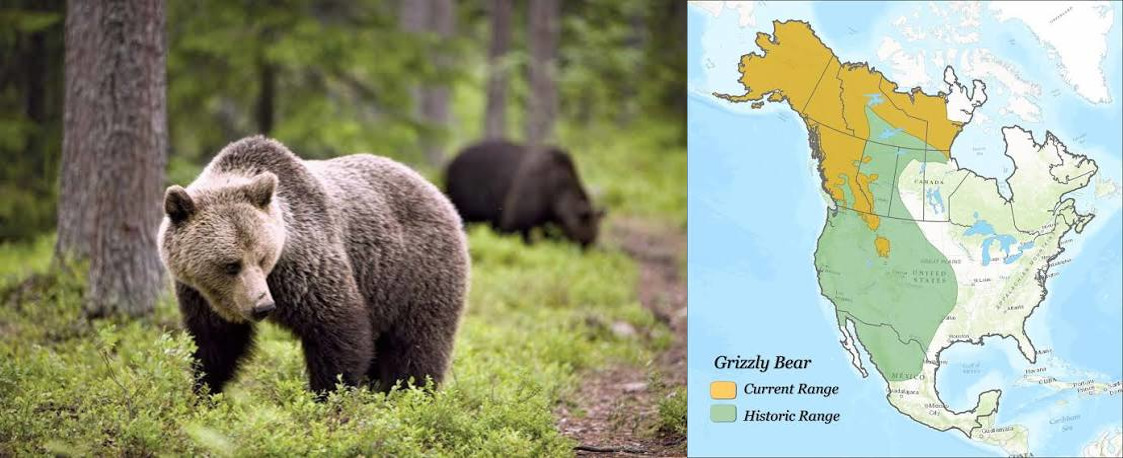
Alisphenoid canal, bunodont, long last upper molar strained one hand hold; brown with hump on back
Order: Carnivora
Family: Ursidae
Genus species: Ursus arctos
Common name: grizzly bear
Habitat: grasslands, prairies, forests, and tundra
Management issues: human-wildlife conflict, big game

No alisphenoid canal, palate extends past teeth, oval last upper molar, large
Order: Carnivora
Family: Mustelidae
Genus species: Enhydra lutris
Common name: sea otter
Habitat: ocean near shore, kelp forests
Management issues: furbearers, help keep sea urchins in check


No alisphenoid canal, palate extends past teeth, square last upper molar, large
Order: Carnivora
Family: Mustelidae
Genus species: Lontra canadensis
Common name: North American river otter
Habitat: rivers and sloughs
Management issues: furbearer, competition for game fish

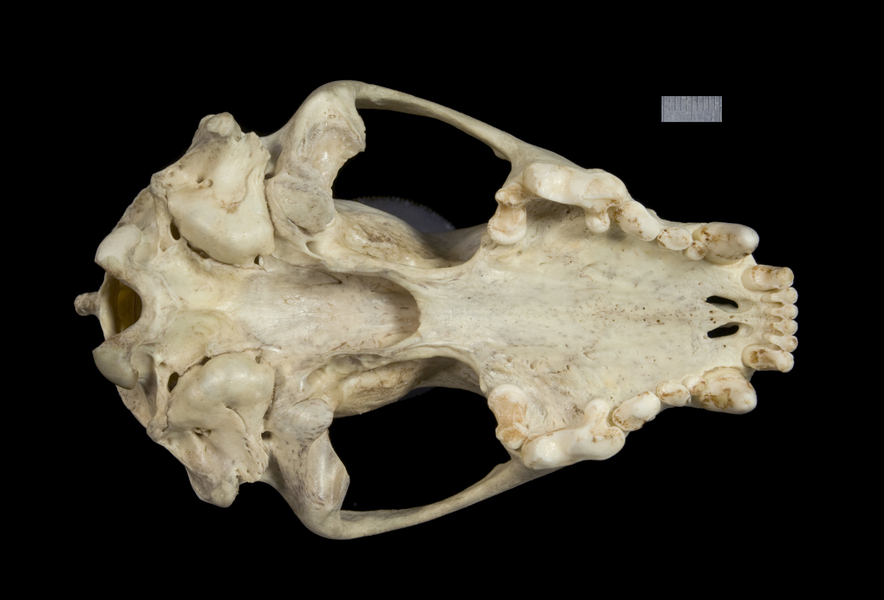
No alisphenoid canal, palate extends past teeth, bell-shaped last upper molar, large
Order: Carnivora
Family: Mustelidae
Genus species: Gulo gulo
Common name: wolverine
Habitat: high and remote forests, open plains of mountains
Management issues: furbearer, pests


No alisphenoid canal, palate extends past teeth, dumbbell shaped last upper molar, no exposed root on upper premolar
Order: Carnivora
Family: Mustelidae
Genus species: Martes americana
Common name: American marten
Habitat: complex conifer forests, higher elevation
Management issues: furbearer, competition


No alisphenoid canal, palate extends past teeth, dumbbell shaped last upper molar, exposed root on upper premolar
Order: Carnivora
Family: Mustelidae
Genus species: Pekania pennanti
Common name: fisher
Habitat: complex boreal forests, lower elevation
Management issues: furbearer, control porcupine populations


No alisphenoid canal, palate extends past teeth, dumbbell shaped last upper molar, small, braincase ½ of skull length; tail ½ of body length
Order: Carnivora
Family: Mustelidae
Genus: Mustela
Common name: weasels and ferrets
Habitat: forests, open woodland, grasslands, wetlands, agricultural fields
Management issues: furbearer, control rodents


No alisphenoid canal, palate extends past teeth, dumbbell shaped last upper molar, small, braincase less than ½ of skull length; tail over ½ of body length
Order: Carnivora
Family: Mustelidae
Genus: Neogale
Common name: weasels and minks
Habitat: brushlands, field edges, grasslands, mashes, all near water
Management issues: raiders, furbearers


No alisphenoid canal, palate extends past teeth, triangular last upper molar, large
Order: Carnivora
Family: Mustelidae
Genus species: Taxidea taxus
Common name: American badger
Habitat: generalists, meadows, dry open areas
Management issues: prey on pests, furbearer, burrows are hazardous


No alisphenoid canal, palate extends to posterior edge of teeth, square shaped last upper molar, round profile; 2 white stripes
Order: Carnivora
Family: Mephitidae
Genus species: Mephitis mephitis
Common name: striped skunk
Habitat: forests and fields or suburban and agricultural areas
Management issues: prey on pests, historical furbearer, rabies


No alisphenoid canal, palate extends to posterior edge of teeth, square shaped last upper molar, flat profile; white spots
Order: Carnivora
Family: Mephitidae
Genus species: Spilogale gracilis
Common name: Western spotted skunk
Habitat: rocky areas of woodlands, farmlands, grasslands
Management issues: historical furbearer


No alisphenoid canal, 6 cheekteeth, secodont cheek teeth
Order: Carnivora
Family: Procyonidae
Genus species: Bassariscus astutus
Common name: ringtail
Habitat: rocky areas and tanoak madrone and fir forests
Management issues: help control rodents
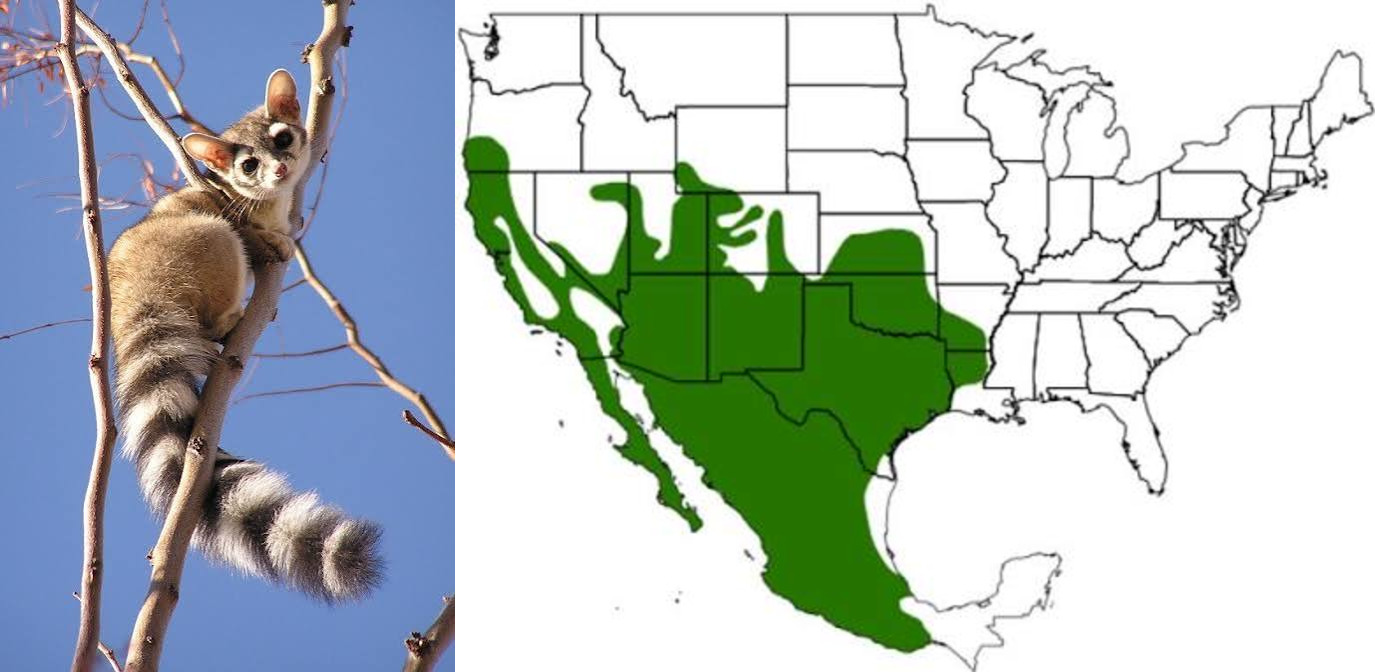

No alisphenoid canal, 6 cheekteeth, bunodont cheek teeth
Order: Carnivora
Family: Procyonidae
Genus species: Procyon lotor
Common name: Northern raccoon
Habitat: anywhere with water
Management issues: furbearers, damage crops and poultry, rabies


No alisphenoid canal, 4 upper cheekteeth, tiny last upper molar, small
Order: Carnivora
Family: Felidae
Genus species: Felis catus
Common name: domestic cat
Habitat: human habitation
Management issues: feral, destructive outside


No alisphenoid canal, 3 upper cheekteeth, tiny last upper molar, large
Order: Carnivora
Family: Felidae
Genus: Lynx
Common name: bobcat and lynx
Habitat: generalist, forests
Management issues: hunted, prey on pets
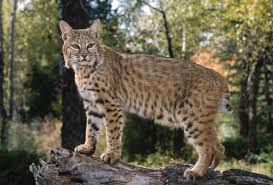

No alisphenoid canal, 4 upper cheekteeth, tiny last upper molar, large
Order: Carnivora
Family: Felidae
Genus species: Puma concolor
Common name: mountain lion
Habitat: scrub, chaparral, swamps, and forests
Management issues: hunted, predate domestic animals and humans


Alisphenoid canal, homodont cheekteeth, no diastema before last upper molar; pinnae, hind limbs capable of turning forward
Order: Carnivora
Family: Otariidae
Genus species: Zalophus californianus
Common name: California sea lion
Habitat: coastlines and rivers
Management issues: navy retrieval programs, education, reduce fish


Alisphenoid canal, supraorbital process, homodont cheekteeth, diastema before last upper molar; pinnae, hind limbs capable of turning forward, golden brown
Order: Carnivora
Family: Otariidae
Genus species: Eumetopias jubatus
Common name: stellar sea lion
Habitat: cold ocean waters
Management issues: hunted, reduce fish


No alisphenoid canal, homodont cheekteeth with a single cusp, 2/1 incisors; no pinnae, clawed hind limbs incapable of turning forward
Order: Carnivora
Family: Phocidae
Genus species: Mirounga angustirostris
Common name: northern elephant seal
Habitat: coastline and offshore islands
Management issues: tourists, research for collapsed lungs and weightlessness on bone density


No alisphenoid canal, homodont cheekteeth with three cusps, 3/2 incisors; no pinnae, clawed hind limbs incapable of turning forward, spotted belly
Order: Carnivora
Family: Phocidae
Genus species: Phoca vitulina
Common name: harbor seal
Habitat: cold shallow coastal waters
Management issues: hunted, ecotourism, interfere with fisheries

C shaped negative space, leading toe, retracted claws
Felid
X shaped negative space, claws
Canid
H shaped negative space, claws
Fox
Tapered and variable
Coyote
Blobby with fruit hair and bones
Gray fox
Very tapered
Red fox
Short tapering, dimpled, segmented
Bobcat
Long and segmented
Mountain lion
Asymmetrical, curved anterior edge of metacarpal pad
Bear
Plop
Bear
Logs
Racoon
5 long toes
Racoon
5 short toes
Ringtail
5 toe pads
Striped skunk