Chapter 5 - Enteral & Parental Nutrition Support
 Call Kai
 Learn
 Practice Test
 Spaced Repetition
 Match
 Flashcards
 Knowt Play
1/200

There's no tags or description
Looks like no tags are added yet.
201 Terms
what percentage of hospitalized patients are malnutritioned?
40%
what percentage of patients living in nursing homes are malnutritioned?
90%
what percentage of patients that are hospitalized will decline nutritionally? what amount will become malnourished?
50%
1/3
healthcare cost and utilization project (HCUP)
analyzed U.S. hospitalizations that involved a diagnosis of malnutrition
consequences of inadequate nutrition and subsequent malnutrition
increased risk of infection
delayed wound healing
higher risk of 30-day admission rates
longer length of hospital stay
delayed return to home, work, or baseline activities
greatest contributing factors for malnutrition
older patients
poor appetite
hospital meal refusal
placement in rehab, subacute, or long term care
when did PN support become important
1970s
when did successful PN begin
1937 when it was reported that you could “feed” a pt using IV dextrose and protein hydrolysate solutions.
protein and kcal were hard to provide
what doctors perfected technique in beagle puppies that allowed hypertonic dextrose and protein solutions to be administered through a central vein
Dr. Stanley Dudrick and Dr. Douglas Wilmore built on work of Dr. Rhoads and Dr. Vars
adoption of central vein PN led to development of new parental solutions:
cystalline amino acid solutions and IV fat emulsions
these provide essential fatty acids
nutrition support definition
medical treatment that provides nutrition therapy when there is an inability to obtain adequate nutrition through food alone
nutrition support should be based on:
evidence based medicine incorporating benefit-risk-burden analysis after thorough discussion with the pt and family members
enteral nutrition definition
feeding through the gastrointestinal tract using a tube, catheter, or stoma that delivers nutrients distal to the oral cavity
stoma definition
a surgically created artificial opening made into a hollow organ
the 2016 ASPEN/SCCM critical care guidelines recommend that
“nutrition support therapy in the form of early EN be initiated within 24-48 hours in the critically ill patient who is unable to maintain volitional intake”
first decision in designing EN prescription
establish access to the GI tract. (often determined by the primary physician)
what is evaluated to establish access to GI tract
the access route is often determined by the primary physician according to the patients diagnosis and the anticipated amount of time the patient will require support.
(disease state, aspiration risk, GI anatomy, gastric and intestinal function, estimate length of therapy)
nasogastric
a tube that is inserted nasally (through the nose) into the stomach
orogastric feeding tube
a tube that is inserted orally (through the mouth) into the stomach
type of feeding access is described according to:
where the tube enters the body
where the tip is located
why is nasogastric the most common
easiest to achieve
easiest to maintain
least expensive
acceptable in most clinical situations
nasoenteric feeding tubes
enter the GI tract through the nose and reside in the duodenum or jejunum
enteral nutrition is also called
tube feeding or enteral feeding
postpyloric access is used…
used to bypass the stomach in cases of gastroparesis or gastric outlet obstruction
benefit of postpyloric feeding
minimize accidental aspiration of formula
disadvantage of nasogastric and nasoenteri feeding tubes
discomfort for the patient
nasal tubes are easily dislodged and may have to be replaced frequently
what tubes are typically used for short term therapy
tubes through the nose or mouth
infants will have an orogastric tube placed under the following conditions:
<34 weeks gestation with gag reflex
basilar skull fractures
respiratory distress
requirement for oxygen
nasal trauma
if orogastric tubes for infant isn’t an option…
decisions for tube placement in infants follow same guidelines as for adults
when the RDN is responsible for insertion of nasogastric or nasoenteric feeding tubes…
66% reduction of hospital costs associated with tube insertion
shorter time for insertion and feeding
ostomy
an artificial opening created by surgical procedure
gastrostomy
a tube delivering feedings to the stomach
jejunostomy
a tube delivering feedings through the abdominal wall to the jejunum
how are permanent feeing tubes placed
a physician places feeding tubes while the pt is sedated.
surgical gastrostomy
when a surgeon performs the procedure to place a permanent feeding tube
percutaneous endoscopic gastrostomy (PEG)
when feeding tubes can be placed through the skin without a surgical incision with the use of an endoscope
who is responsible for percutaneous endoscopic gastrostomy (PEG)
a gastroenterologist
“button” gastrostomy
the type of tube lies flush the the abdomen. the lower portion is the balloon that would be inflated to secure placement.
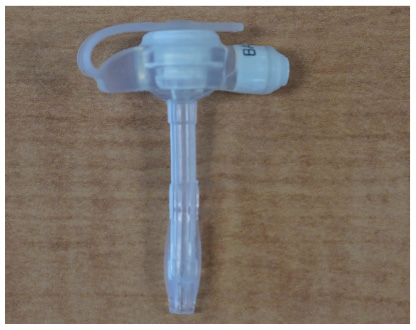
nasogastric indication
normal GI function
nasogastric advantages
uses and stimulates normal digestive function
flexibility in administration
medications can be places
tube insertion at bedside
nasogastric disadvantages
aspiration
discomfort for patient
nasal irritation
tube displacement
nasoduodenal indication
normal small intestine function, need to bypass stomach as a primary site of feeding
nasoduodenal advantages
tube insertion at bedside
uses and stimulates normal digestive function
flexibility in administration
medications can be placed in tube
nasoduodenal disadvantages
discomfort for pt
tube displacement
requires pump or gravity administration
nasojejunal indication
normal small intestine function, need to bypass stomach as primary site of feeding
nasojejunal advantages
tube insertion at bedside
uses and stimulates normal digestive function
flexibility in administration
medications can be placed in tube
nasojejunal disadvantages
discomfort for patient
tube displacement
requires pump or gravity administration
orogastric indication
normal GI function but need to avoid nasal placement; use with nasal injury, premature infant, nasal prong oxygen
orogastric advantages
tube insertion at bedside
uses and stimulates normal digestive function
flexibility in administration
medications can be placed in tube
orogastric disadvantages
aspiration
discomfort for patient
tube displacement
gastrostomy indications
normal GI function but need to bypass mouth/esophagus or supplement oral feeding; longer-term feeding access
gastrostomy advantages
longer term feeding access
reduced risk of tube displacement
allows for bolus feeding
gastrostomy disadvantages
surgical procedure
risk of irritation and infection at insertion site
PEG indication
normal GI function but need to bypass mouth/esophagus or supplement oral feeding; longer-term feeding access
PEG advantages
outpatient procedure without risk of anesthesia; longer-term feeding access; less expensive than surgical insertion; reduced risk of tube displacement allows for bolus feedings
PEG disadvantages
risk of irritation and infection at insertion site
jejunostomy indication
normal GI function but need to bypass components of GI tract; longer-term feeding access
jejustomy advantages
improved tolerance for early initiation of enteral feeding
jejunostomy disadvantages
surgical procedure
risk of irritation and infection for insertion site
with smaller lumen of tube, the risk of clogging may be greater
requires pump or gravity administration
initiation and advancement of enteral feeding is based on
clinical judgement
established institutional protocols
current evidence-based guidelines
in a pediatric patients, it is recommended to initiate feeding as soon as
the pt is hemodynamically stable
progression is determined by
tolerance
the goal it to meet _% to _% of estimated needs on day one of enteral support
25-50%
feedings should reach __% of estimated needs within 24-48 hours of initiation
80%
enteral feedings should be initiated within the first
24-48 hours of admission
a concern about enteral feeding prescriptions
a patient does not receive the prescribed formula rate due to the interruptions of feeding for testing or intolerance
volume based feeding definition
a method for delivering EN that allows nursing staff to adjust the volume of EN being delivered to meet a volume target for a 24-hour period
volume based feeding protocols in critically ill patients was associated with….
improved calories and protein delivery and shorter ICU stay
an alternative for volume-based feeding protocols is…
adjusting the infuse rate to account for time in which the EN is being held throughout the day
bolus feedings
consist of the administration of 250-500mL of formula several times a day.
a syringe may be used
intermittent feedings
administration of formula several times a day, over 20-30 minutes.
a pump is typically used to control the flow rate
continuous feedings
administration of formula for 10-24 hours daily, using a pump or gravity to control the feeding rate
what feeding method is preferred in the acute care setting and why
continuous feeding because GI tolerance is maximized. also less time consuming for staff.
disadvantage of continuous feeding
expense of the pump and the disposable equipment that is required for home use.
restricted mobility for the patient
current clinical pracvtice recommends initiation all adult formulas at full strength at…
10-40mL/h and advancing to goal rates by 10-20mL/h every 6-8 hours
the outer lumen diameter is described using a measurement called
french size
1Fr =
.33mm
tubes range from (french size)
10-14Fr
enteral formulas can be provided in
cans or in prepackaged sealed containers
EN is most often delivered using
small pump similar to those used to control intravenous (IV) fluids
steps in determining the nutrition prescription
establish dosing weight, protein, energy, and fluid requirement
identify an appropriate enteral formula that is consistent with the pts nutritional needs, digestive and absorptive capability, and diagnosis
calculate the total energy needs and divide by caloric density of the formula (kcal/mL)
divide the total volume by the total number of hours over which formula will be administered (goal rate)
determine initial starting rate and recommendations for advancement
what is step 1 of determining the nutrition prescription
establish dosing weight, protein, energy, and fluid requirements
what is step 2 of determining the nutrition prescription
identify an appropriate enteral formula that is consistent with the pts nutritional needs, digestive and absorptive capability, and diagnosis
what is step 3 of determining the nutrition prescription
calculate the total energy needs and divide by the caloric density of the formula (kcal/mL)
what is step 4 of determining the nutrition prescription
divide the total volume by the total number of hours over which formula will be administered. this is the goal rate
what is step 5 of determining the nutrition prescription
determine the initial starting rate and recommendations for advancement
parental nutrition
administration of nutrition directly into the circulatory system
peripheral parenteral nutrition (PPN)
administration of nutrition into a small vein in the arm or back of the hand
central parenteral nutrition (CPN)
terminology supported by ASPEN to replace TPN.
nutrient admixture containing either
lipid, dextrose, and amino acids (3 in1) or
dextrose and amino acids (2 in 1)
hyperalimentation
overfeeding patients
PPN
administration of large volume, dilute solutions into a small vein in the arm or back of hand.
prescribed for short term use.
vascular access device (VAD)
a device inserted into a vein, which permits administration of intermittent or continuous infusion of parenteral solutions of medications
osmolality of PPN solution should be…
confirmed to be <900mOsm/L prior to administration through a peripheral line
why is osmolality important to watch in PPN
high osmolality may cause small veins to collapse
what is osmolality
total number of dissolved chemical particles pr kg of solvent (water)
supplemental PN (SPN)
reserved for the patient who is unable to achieve goal calories and protein on EN.
can be provided through a CVC or peripheral line
when should SPN be considered
for those on EN and unable to meet their nutritional needs after one week of an ICU admission
feeding into the venous system through a large-diameter vein allows for
use of high-osmolality solutions of >900mOsm/L which allows delivery of 100% of estimated nutrition requirements
lumen of the catheter refers to
the interior of the tube through which the PN solution passes
the number of lumens should correspond to the
number of therapies the patient is requiring and the drug compatibility with the PN solution