MLSCI 466 - Lec 12-14 Poison Control
 Call Kai
 Learn
Learn Practice Test
 Spaced Repetition
 Match
Match Flashcards
 Knowt Play
1/171

There's no tags or description
Looks like no tags are added yet.
Name | Mastery | Learn | Test | Matching | Spaced | Call with Kai | Chat |
|---|
No analytics yet
Send a link to your students to track their progress
172 Terms
how common are accidental and intentional poison exposures
very common
% of calls NPDS for children <6yr
39%
how common are poison-related fatality cases in children
rare
% of calls for pharmaceuticals
51%
where do most poison exposures occur
at home (92% of cases)
where do the second most poison exposures occur
on site/non-healthcare facilities (67% of cases)
most common route of poisoin exposure
ingestion (78%)
are poison exposures usually intentional
no they are usually unintentional (78%) of cases
most common poison children are exposed to
household cleaners
most common poison adults are exposed to
analgesics first, followed by other prescription meds
most common cause of fatal exposures
acetaminophen poisoning
approach to poison-exposed patient
ABCDEF - airway, breathing, circulation, decontamination (avoid absorption), elimination (enhance excretion), and find an antidote
airway (ABCDEF)
goal is to protect airway early and continually reassess
reasons the airway can be in danger
sedation causing low airway smooth muscle tone
inhalation of toxin or vomit
increased secretion
breathing (ABCDEF)
goal is to breathe for the patient
what must we consider if the patient's breathing is poor but airway is open
sedation
aspiration
ways to breathe for the patient
mouth-to-mouth
bag-valve-mask ventilation (BVM)
advanced airway
4 airway devices
oral airway
nasal airway
LMA
endotracheal tube

oral airway
airway device that is firm and can bypass floppy tongue
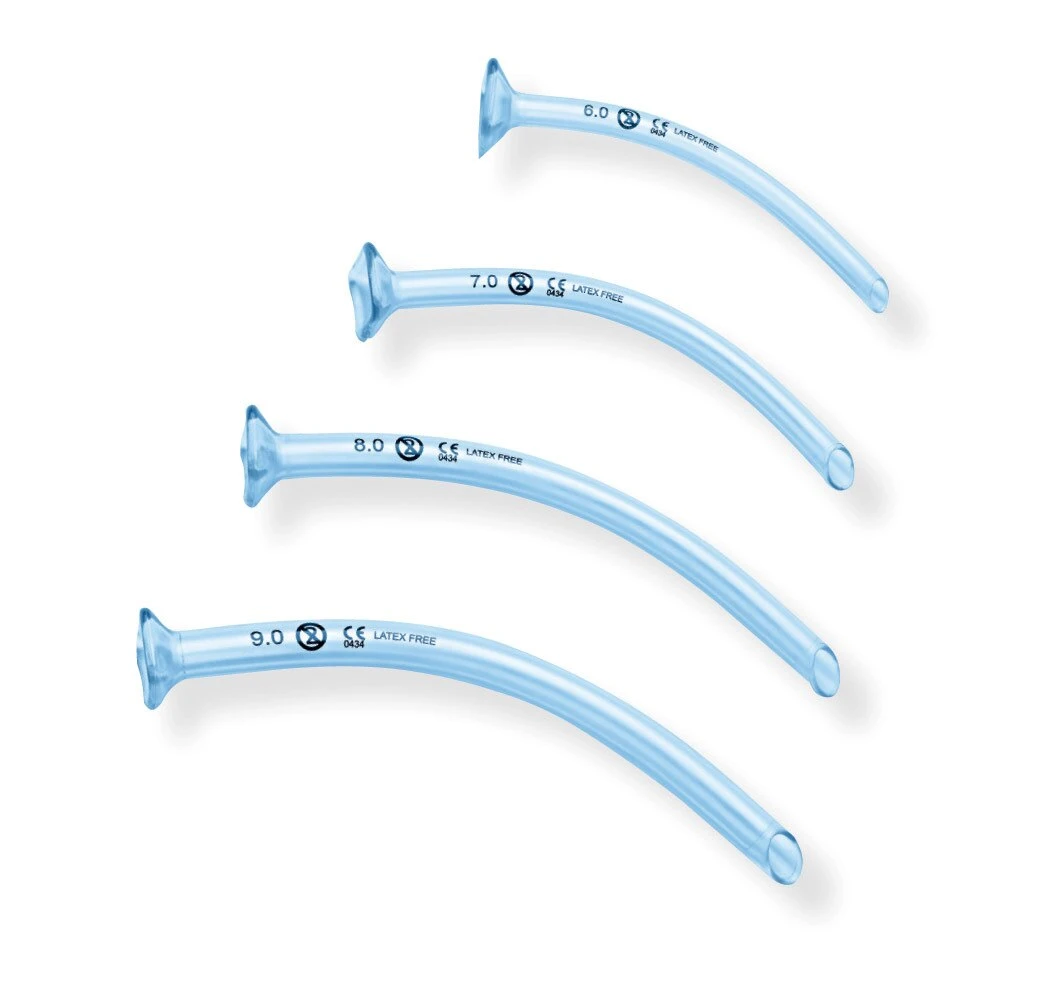
nasal airway
airway device that is well tolerated, similar to oral airway

Laryngeal Mask Airway (LMA)
airway device that sits on top of esophagus, it is longer lasting than the nasal device and is used in shorter operative cases

endotracheal tube
more definitive, longer-lasting airway device
circulation (ABCDEF)
assess for signs of poor perfusion (i.e. can heart pump O2)
evaluation HR, BP, skin temp, pulses, urine output
establish vascular access early in poisoned patients
radial pulse
also known as peripheral pulse, check wrist
carotid pulse
also known as central pulse, check trachea
what do we do if we cannot find a pulse
do CPR (compressions, airway, breathing)
signs of poor perfusion
tachycardia
tachypnea
hypotension
mottled skin
altered mental status
weak pulses
delayed capillary refill
cool skin
treatment for poor perfusion
IV fluids (saline, ringer's lactate)
medications to increase BP (inotropes) -> epinephrine, norepinephrine, dopamine, dobutamine
4 vascular access ways
peripheral IV (most common)
intraosseous (IO)
central line (if pt is stable)
umbilical vein (if baby)
decontamination (ABCDEF)
goal is prevent or minimize absorption
options to decontamination
activated charcoal (most common)
emetic
whole bowel irrigation
gastric lavage
IPECAC
emetic used to induce vomiting that is no longer recommended by medical professionals
ideal timeframe for gastric lavage
within 4 hours
what is a gastric lavage
stomach pumping
Complications of gastric lavage
aspiration pneumonitis + GI tract perforation; evidence of efficacy is unclear
ideal timeframe for activated charcoal
within first hour
how does activated charcoal work
binds some drugs to render them inactive
complications of using activated charcoal
aspiration (pneumonitis of lungs) + small bowel obstruction
what doesn't activated charcoal work on
PHAILS: pesticides, hydrocarbons, acids and alkali, iron, lithium, and solvents
what is whole bowel irrigation
decrease absorption by decreasing transit time
uses PEG thru nasogastric tube until effluent becomes clear
done if previous options weren't working
when do we do whole bowel irrigation
exposure to iron, lead, lithium OD, sustained release tablets
elimination (ABCDEF)
goal is to enhance excretion
when is elimination done
for rlly sick patients or those with potential for severe deterioration
urine alkalization
administration of IV NaHCO3 to produce urine with a pH of 7.5 or more
top reason we do urine alkalization
for salicylate poisoning
what can urine alkalization increase urine elimination of
salicylate
chlorpropamide
2,4-dichlorophenoxyacetic acid and Mecoprop (herbicides)
fluoride
methotrexate
phenobarbital
medication properties of hemodialysis
low Vd
single-compartment kinetics
low endogenous clearance
MW less than 500 daltons
water soluble
not bound to plasma proteins
substances that can be dialyzed
STUMBLE: salicylates, theophylline, uremia, methanol. barbituates, lithium, ethylene glycol
antidote for acetaminophen
N-acetylcysteine (NAC)
antidote for anticholinergic
Physostigmine
Antidote for benzodiazepines
Flumazenil
antidote for carbon monoxide
oxygen
antidote for cyanide
hydroxocobalamin, sodium nitrite, sodium thiosulfate
antidote for digoxin
digoxin-specific Fab
antidote for ethylene glycol
ethanol, fomepizole
antidote for iron
deferoxamine
antidote for methanol
ethanol, fomepizole
antidote for methemoglobinemia
methylene blue
antidote for opioids
naloxone
antidote for organophosphates
atropine, pralidoxime
questions to ask to when poisoned patient admitted to ER
what?
when?
how much?
what is the patient’s weight
actions to take to determine poisoned patient history
obtain all prescription bottles, count pills
identify all unknown tablets
talk to patient’s family/friends
call prescribing physician/pharmacy
search home and belongings
components of tox physical exam
vital signs (HR, RR, BP, T, O2 sat)
skin (hot or cold to touch, wet?dry?)
pupils (big? small?)
bowel (absent or hyperactive)
neurologic exam
other clues such as spastic patient? rigid tone?
what does miotic refer to
constricted pupil
what does mydriatic refer to
dilated pupil
toxin associated with bitter almond smell
cyanide
toxin associated with carrot smell
water hemlock
toxin associated with fishiness
zinc or aluminum phosphide
toxin associated with fruity smell
ethanol, acetone, isopropyl alcohol, chloroform
toxin associated with garlic smell
arsenic, DMSO, organophosphates, yellow phosphorus
toxin associated with glue smell
toluene, solvents
toxin associated with pear smell
paraldehyde, chloral hydrate
toxin associated with rotten egg smell
hydrogen sulfide, DMSA, N-acetylcystine
toxin associated with shoe polish smell
nitrobenzene
toxin associated with winter green smell
methyl salicylate
how can electrocardiograms help us in tox
some toxins may demonstrate characteristic electrocardiograms
what is a toxidrome
a constellation of clinical signs and symptoms caused by a toxin → doctors use this when highly suspicious pt is poisoned along with complete patient history and a detailed physical exam to determine a treatment
examples of common toxidromes
sedative/hypnotic
opioid
cholinergic
anticholinergic
sympathomimetic
examples of sedatives/hypnotics
quaaludes
benzodiazepines
barbiturates
ethanol
another name for quaaludes
methaqualone
examples of benzodiazepines
lorazepam (ativan)
diazepam (valium)
chlordiazepoxide (lithium)
“azz-sounding drugs”
examples of barbiturates
amobarbital (amytal)
pentobarbital (nembutal)
secobarbital (seconal)
“barbitals”
what do sedatives/hypnotics do
general anesthesia → a complete loss of awareness and reflex activity
system effects of sedatives/hypnotics
pupils: N
RR: ↓
BP, HR: sl ↓
skin: N
mental status: sedated
bowel sounds: N
antidote for sedatives/hypnotics
flumazenil
is flumazenil commonly used?
no—it is rarely used because for chronic users of sedatives/hypnotics, they end up seizing
examples of opioids
heroin
morphine
codeine
oxycodone
fentanyl
opium
hydromorphone
percocet
tramadol
respiratory effect of opioids
pronounced respiratory depression—RR is often diminished before decreases in BP or HR occurs
triad of symptoms in opioid OD
pinpoint symptoms
unconsciousness
respiratory depression
true or false: diagnosis can be confirmed by naloxone
true
what do opioid overdoses require
close observation and usually airway intervention
system effects of opioid
pupils: small, fixed
RR: ↓
BP, HR: sl ↓
skin: N
mental status: euphoria to coma
bowel sounds: ↓
what is often prescribe in conjunction with opioids
stool softeners
antidote for opioids
naloxone
examples of cholinergics
organic phosphorous compounds
carbamates
certain mushrooms
examples of organic phosphorous compounds
many pesticides, nerve gases (ex. sarin gas)
mushrooms with cholinergic properties
Boletus sp., Clitocybe sp., Inocybe sp.
Not magic mushrooms!
are cholinergic poisonings common
they are uncommon but important to recognize:
most frequently caused by pesticides
unsuspected dermal contamination
foundation of “nerve" agents”
cholinergic symptoms
massic discharged of parasympathetic nervous system:
patient is “wet” (e.g. sweat, vomit, diarrhea, tears)
CNS (e.g. confusion, coma, seizures)
skeletal muscle weakness
miotic pupils
bradycardia
system effects of cholinergics
pupils: small, fixed, lacrimation (teary)
RR: N or ↑
BP, HR: ↑ or ↓
skin: wet
mental status: confusion/drowsiness to coma, seizures
bowel sounds: ↑
other: SLUDE and the Killer B’s, pulmonary edema, fasciculations, weakness → paralysis