gambling disorder chapter 7 psych
 Call Kai
 Learn
 Practice Test
 Spaced Repetition
 Match
 Flashcards
 Knowt Play
1/37

There's no tags or description
Looks like no tags are added yet.
38 Terms
can a person be addicted to something that is not a substance
yes
what is the only behaviroal (non-substance addiction) in DSM-5
Gambling disorder
gambling disorder diagnostic criteria

how many symtoms for a mild diagnosis according to dsm-5
4-5
how many symptoms for a moderate diagnosis according to dsm-5
6-7
how many symptoms for a severe diagnosis according to dsm-5
8-9 criteria
what is gambling disorder
gambling involves risking something of value in the hopes of obtaining smt of greater value
in many cultures, people gamble and its not problematic
individuals develop substantial impairment related to their gambling behavior
the essential feature of gambling disorder is persistence or recurrent maladaptive gambling behavior which disrupts personal, famil and or vocational pursuits
what pattern is present in gambling disorder
“chasing ones losses”
urgent need to continue gambling to undo a loss or series of losses
long term chase is a characteristic of gambling disorder, as many gamblers chase for short periods of time
gambling disorder - how they decieve others/ illegal actions
lie to family members, therapists, or others to conceal the extent of involvment with gambling
illegal behaviors which may be covered up - forgery, fraud, theft, embezzlement to OBTAIN MONEY TO GAMBLE
also engage in “bailout behavior” turning to family or others for help with desperate financial situation caused by gambling
“bailout behavior”
relying on others to get them out of a financial situation caused by gambling
dopaminergic medication
symptoms meeting diagnosis criteria for gambling disorder, may be due to a physiological consequence of taking dopaminergic medications, such as those used to treat parkinson disease
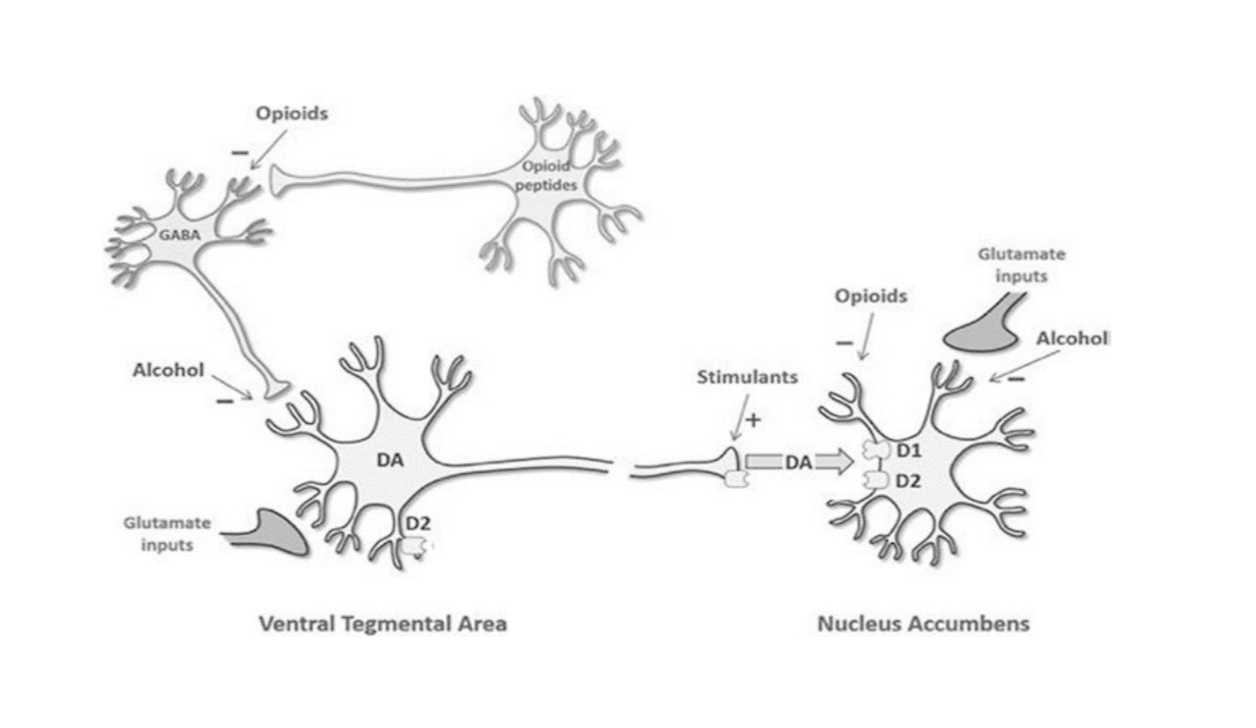
brain reward pathway
activates the same with gambling as opioids and drugs
Winning money, near-wins, and the anticipation of a possible reward activate the same dopamine pathway.
The VTA releases dopamine into the Nucleus Accumbens during gambling.
The brain learns to associate gambling activities with reward, excitement, and pleasure.
Ventral Tegmental Area (VTA) → Dopamine (DA) → Nucleus Accumbens (NAc)
How widespread is problem gambling in the United states?
2 million US adults (1%) estimated to meet the criteria for severe gambling problems in a given year
4-6 million 2-3% would be considered to have mild or moderate gambling problems
What is gambling disorder? - Distortions in thinking
- sense of power
- superstitions
- overconfidence
- many individuals with gambling disorder believe that money is both the cause and solution to their problems
disortion - gamblers fallacy
mistaken beleif that pastt outcomes of independent random events, such as coin flip, change the probability of future outcomes, even though event outcome is independent
distortion - near-miss effect
person comes close to succeeding but fails, motivating them to keep going
distortion - illusion of control
throwing the dice yourself doesnt change the chance
distortion - biased evaluation of outcomes
wins credited to skill, losses are dismissed as bad luck
characteristics of a compulsive gambler
varies greatly
- can be impulsive, competitive, energetic, restless, easily bored
- depressed, lonelt may gamble when feeling helpless guilty or depressed
what treatment of gambing disorder is most common?
CBT - cognitive behavioral therapy
does gambling disorder have one or does it need a combination of multiple treatments?
combination of theraputic and support systems
ex. CBT
motivational interviewing
medication for co-occuring mental health disorder
support groups
financial counseling
family therapy
lifestyle changes
what aspects does CBT target?
1. assesment and goal setting
2. education
3. identification of irrational thoughts and beliefs
4. cognitive restructuring
5. cue exposure
6. development of coping skills
7. relapse prevention
what is cognitive restructuring (CR)
therapeutic technique used in CBT to help individuals identify and challenge unhelpful or unusual thought patterns
5 steps of cognitive restructuring
1. situation “what happened to make u upset”
2. feelings - identify your strongest feeling(s)
3. thoughts “what am i thinking that is leading me to feel this way”
4. evaluate thoughts "list evidence for and against, are there alternative ways of thinking about this situation”
5. decision, does the evidence support my thought or not?
- if not, what is a more realistic thought
- if yes, develop an action plan
goal - examine, challenge, replace negative thoughts with more balanced and realistic ones
guide to thoughts and feelings , what does each provoke? - anxiety
being threatened
guide to thoughts and feelings , what does each provoke? - depression
having lost something
guide to thoughts and feelings , what does each provoke? - guilt and shame
having done smt wrong
guide to thoughts and feelings , what does each provoke? - anger
have been treated wrong
M’Naghten test
does she know the nature of the act or that is was wrong
model penal code
adds volitional prong, could she conform her conduct to the law
federal law since 1984
volitioanl prong abolished (insanity reform defense act)
internet gaming
addiction is debated among researchers and health professionals
CBT most studied approach in randomized control trials
bc limited to gaming DSM5 “significant impairment or distress” doesnt include use of internet or smartphones its hard to categorize
is social media addiction recognized in DSM 5
no, but problematic patterns of behavior related to excessive use of social media
includes symptoms similar to those of other addictions
is gamblking a disorder or not
dsm5 - yes
icd11 - yes
video/ online gaming addiction or not
dsm5 - section III only,l for further study
icd11 - yes

compulsive sexual behavior, disorder or not
DSM5 - no
ICD11 - yes, impulse control disorder
social media use, disorder or not
dsm5 - no
icd11 - no
compulsive buying/ shopping
no specific diagnosis for either