Fitchpatrick 8.2: The Glory of Athens
 Call Kai
 Learn
 Practice Test
 Spaced Repetition
 Match
 Flashcards
1/20

There's no tags or description
Looks like no tags are added yet.
21 Terms

Cleisthenes
An aristocrat, created a council of 500 and helped from Athenian democracy

Tyrants
in ancient Greece, rulers who ruled with the people's support; later came to refer to rulers who exercise brutal and oppressive power
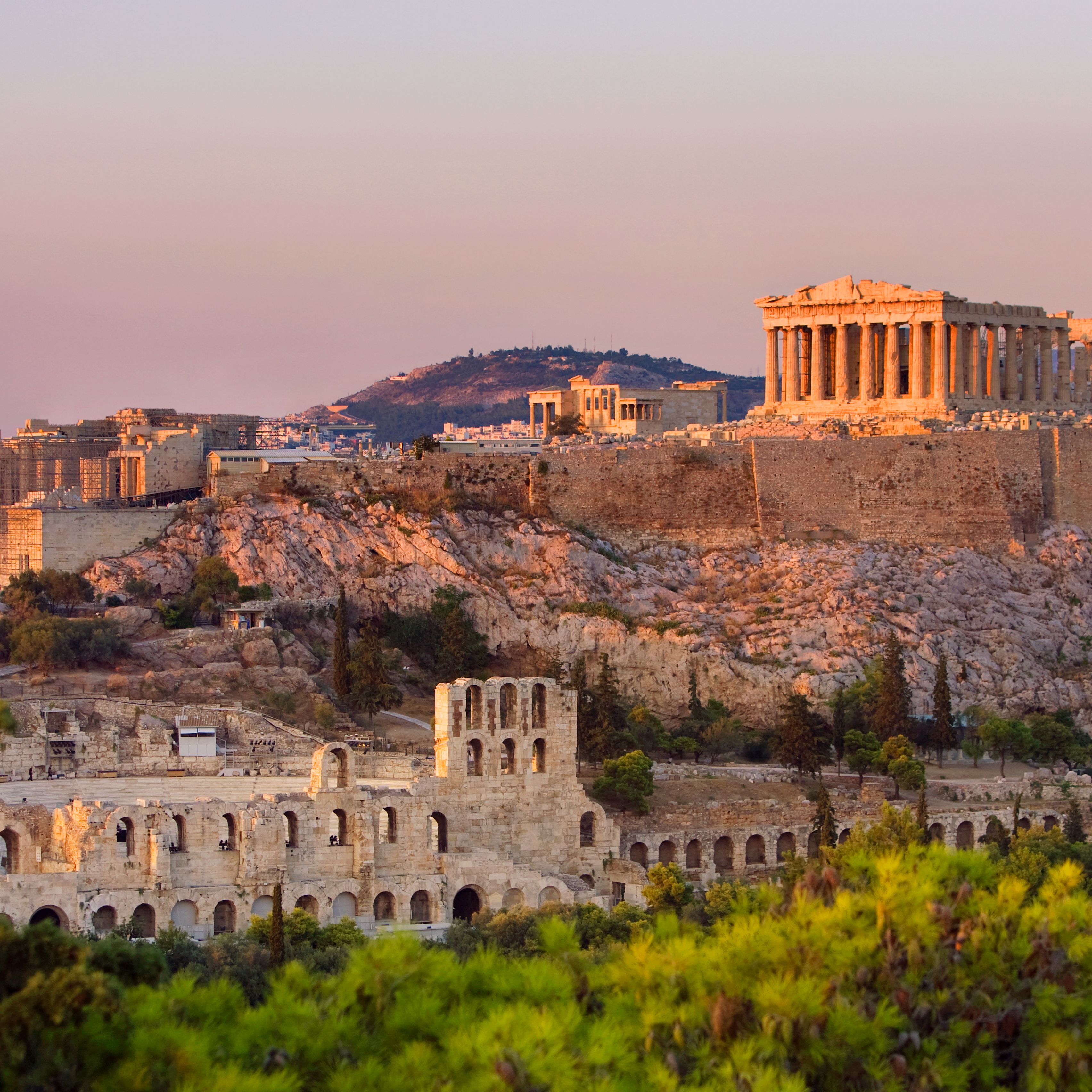
Athens
A democratic Greek polis who accomplished many cultural achievements, and who were constantly at war with Sparta.

Direct Democracy
A form of government in which citizens rule directly and not through representatives

Representative Democracy
A system of government in which citizens elect representatives, or leaders, to make decisions about the laws for all the people.

civic participation
taking part in formal political processes and community activities outside of government

Civic Participation in a Representative Democracy
Popular sovereignty, individualism, and republicanism are important considerations of laws and policy making and assume citizens will engage and participate in a DEMOCRACY.

Oligarchy
A government ruled by a few powerful people

Democracy
government by the people

Aristocracy
A government in which power is in the hands of a hereditary ruling class or nobility

common currency
When a group of countries agree to use the same currency.

Pericles
Athenian leader noted for advancing democracy in Athens and for ordering the construction of the Parthenon.

Constitution
A document which spells out the principles by which a government runs and the fundamental laws that govern a society
Aristocracy
A government in which power is in the hands of a hereditary ruling class or nobility


Draco
Athenian lawmaker whose code of laws prescribed death for almost every offense (circa 7th century BC)

Solon
Early Greek leader who brought democratic reforms such as his formation of the Council of Four Hundred

Peisistratus
Seized power from Solon and exiled nobles who disagreed with him. He also distributed those nobles' land to poor farmers in need.

Pericles
Ruler of Athens who zealously sought to spread Athenian democracy through imperial force

Ostracism
When Greeks deliberately socially excluded an individual or groups

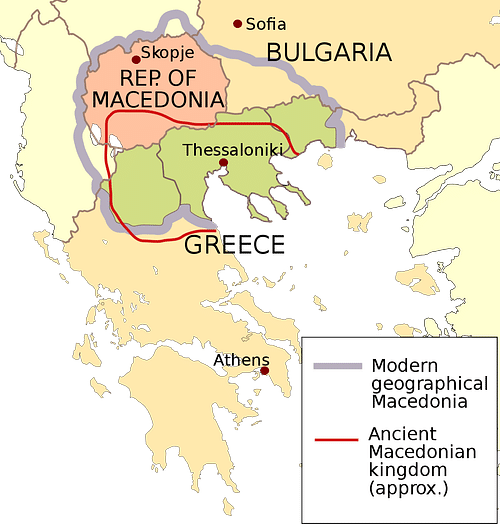
Macedonians
Although the Macedonians were regarded by the Greeks as little more than barbarians, they conquered Greece and ended Greek Democracy.
Alexander the Great
King of Macedonia who conquered Greece, Egypt, and Persia