Skin Disease in Cattle (Farm Animal Dermatology
 Call Kai
 Learn
 Practice Test
 Spaced Repetition
 Match
 Flashcards
 Knowt Play
1/109

There's no tags or description
Looks like no tags are added yet.
110 Terms
causes of skin disease
-ectoparasites
-bacteria
-fungi
-prions
-nutritional
-toxic
-stress
what symptom is common to all ectoparasites
pruritis
which is the other skin disease caue that also causes pruritis
what is the other clinical sign that you can differentiate it from ectoparasites
prion→ scrapie → also get neuro signs
dermatophytosis (ringworm) common in
-young calves and often self limiting
-can take few months to resolve
-animals suffering poor nutrition or immunosuppressed (BVD)

ringworm
transmission of ringworm
-zoonotic
survival of ringworm
survive in buildings for months so lesions often resolve once animals turned out
diagnosis of ringworm
clinical signs or microscopic evaluation of spores on hair plucks
treatment of ringworm
topical enilconazole
-vaccination discontinued (ringvac)
what causes ringworm
trichophyton verucosum
classification of insects
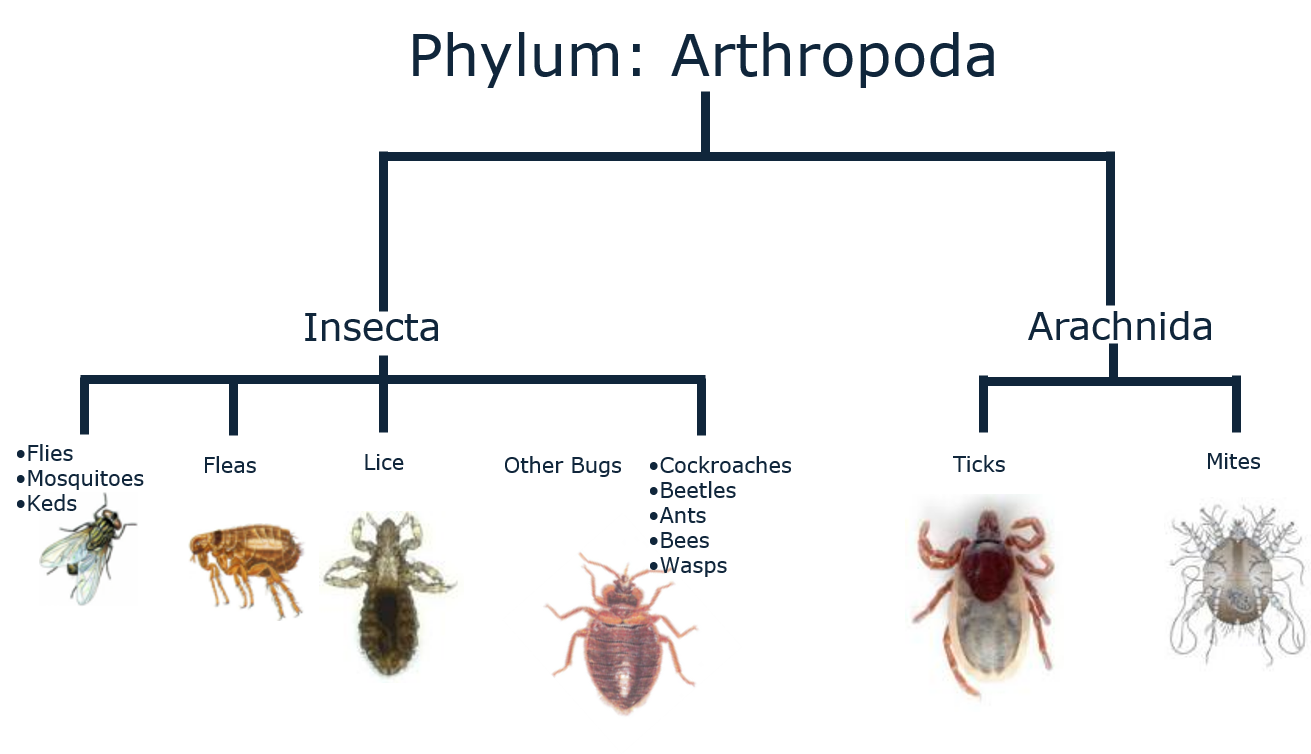
flies, lice ticks and mites common in fa
common mite
chorioptes on tail head, self limiting
rare cases of sarcoptic or psoroptic mange which are more severe
ticks an issue why
vector of tick borne fever and babesia
flies an issue why
vector for moraxella bovis and summer mastitis pathogens
what fly is notifibale in SCOTLAND
warble fly
ectoparasites of sheep
Psoroptes ovis (sheep scab mite) – Severe and contagious
Myiasis (blowfly strike) – massive welfare concern
Lice – Less severe than sheep scab but associated with debility and weight loss
Ticks
Head Flies – important for horned sheep
Keds – uncommon and not a big issue
Nasal Bots – uncommon, unpleasant when they do occur
what can ticks be a vector for in sheep
vector for Louping ill, S.aureus, TBF
sucking lice examples in cattle
-haematopinus
-linognathus

biting lice examples in cattle
damalina (bovicola)
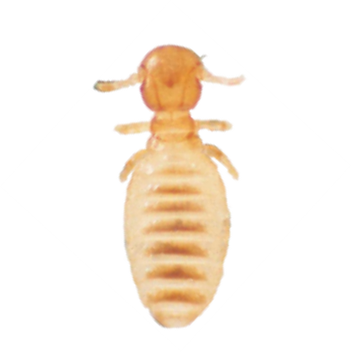
look of lice
-on skin surface and easily seen by naked eye
-dark grey/brown colour and size of flattened pin head
-sucking lice= pointy head
-biting lice= round head
life cycle of lice
-eggs
-nymph
-adult
direct
epidemiology of lice
-very common
-usually winter due to increased coat thickness
-cannot survive off host

impact of lice
-decreased BCS/DLWG
-damaged skin/fleeces
-usually poor doers

diagnosis of lice infestation
visual inspection
lice infestation name
pediculosis
cattle lice species
bovicola bovi
haematopinus eurysternus
linognathus vituli
bovicola bovis
-most common louse
-chewing
-usually on head
linognathus vituli
-sucking louse
-around head area
-can lead to anaemia
haematopinus eurysternus
-sucking louse
-around horns
-can lead to anaemia
lice treatment
-pour on synthetuc pyrethroid like deltamethrin→ sucking and biting
-pour on group 3 ML anthelmintic like ivermectin→ sucking and biting
-injectable group 3 ML anthelmintic like ivermectin→ all sucking, little biting
issue with injectable group 3 macrocyclic lactone
removes all sucking but not all biting
what animals must be treated for lice and when
-all those in direct contact
-treat at start of winter housing period if cattle at risk
agent causing infectious bovine keratoconjunctivitis
bacterium moraxella bovis

vector for moraxella bovis
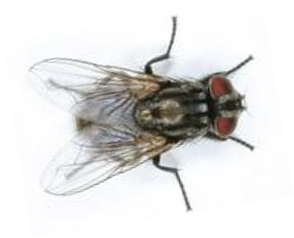
face fly
stage 1 of disease of infectious bovine keratoconjunctivitis (pinkeye)
-tearing
-lacrimation
-photophobia
-small central corneal ulcer
stage 2 of disease of infectious bovine keratoconjunctivitis (pinkeye)
-ulcer spreads across cornea
-cloudy cornea
-neurovascularisation
-pink cornea
stage 3 of disease of infectious bovine keratoconjunctivitis (pinkeye)
-ulcer spreads
-inner eye fills with fibrin deposition and loos yellow brown
stage 4 of disease of infectious bovine keratoconjunctivitis (pinkeye)
-ulcer covers entire cornea
-iris adhesions
treatment of infectious bovine keratoconjunctivitis
-antibiotics like oxytetracycline and amoxicillin
-give IM, SC, topical
-never give subconjunctival bc too hard
-NSAIDs
prevention of infectious bovine keratoconjunctivitis
-fly control with topical synthetic pyrethroid like permethrin
-biological control with parasitic wasps
onchocerca
-thin white worms found in eye of cattle
-not in UK
vectors of onchocerca
blackfly or cullicoides
ocular infection from onchocerca
-ranging from acute oedematous necrosis to chronic granulomatous changes
-results in marked fibrosis and mineralisation
treatment of onchocerca
-systemic ivermectin
-anti inflamms
warble fly
-hypoderma bovis
-hypoderma lineatum


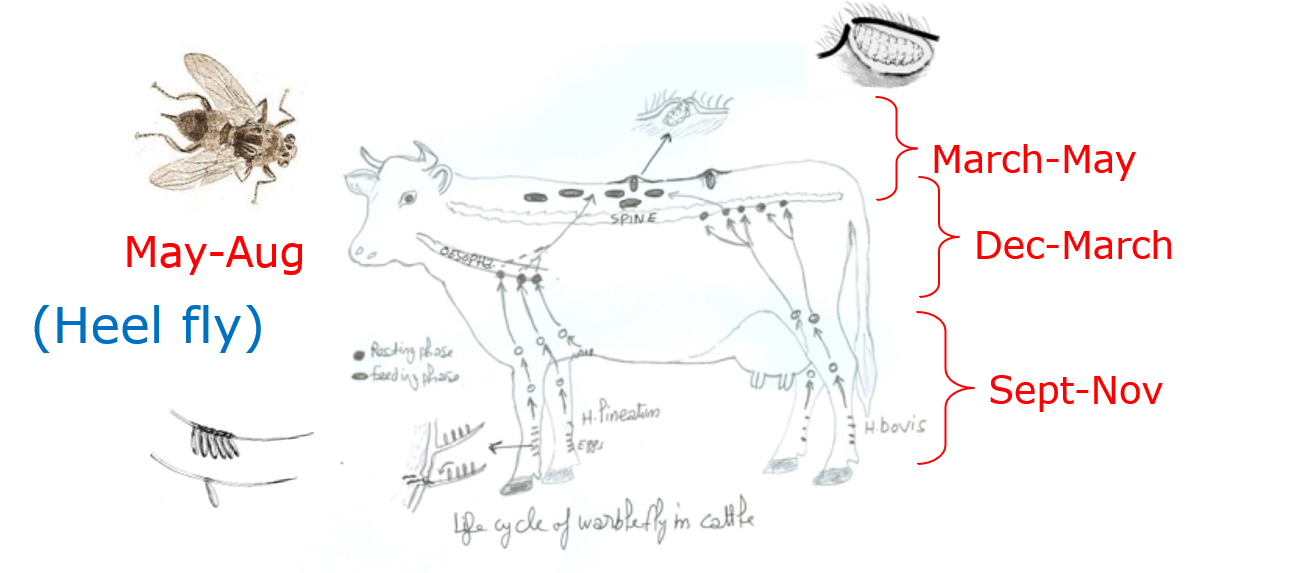
life cycle of warble fly
-lay eggs on hair
-larvae hatch and migrate to oesophagus and spine where they overwinter
-in spring, back under skin to mature then drop off
-pupate in soil and a new warble fly is born

impact of warble fly
-gadding behaviour
-ectopic migration and paralysis
-damage caused by warbles
-downgrade of hide
-reduced repro
gadding behaviour from warble fly
flies cause harassment to cattle which become restless leading to injury and depressed leading to decreased production and growth
how does warble fly cause downgrade of hide
perforations of skin by breathing larvae
how does warble fly cause reduced repro
large numbers of warbles under skin in spring where cause stress and drains energy.
treatment of warble flies
organophosphate dips
-issue with safety and environmental contamination
-most effective in autumn
control of warble fly
-legislation to dress all obvious warble fly infested cattle
-since 1990 no more warble fly in UK
-eradicated but notifiable in scotland
-imported cattle must be treated on arrival
surface feeder mites
-chorioptes
-psoroptes

burrowing mites
-sarcoptes
-demodex

how does chorioptes look
-pedicles not joined
how does psoroptes look
-pedicles joined
-trumpet on end of legs
how does sarcoptes look
triangular scales
where is chorioptes found
-tail mange
-leg mange
-scrotal mange in tups → incrs temp → dcrs fertility


diagnosis of chorioptes
-deep skin scrapes from edge of lesion
-use sharp scalpel and scrape until capillary ooze
treatment of mites
Treatment is Permethrin (Synthetic pyrethroid)
or pour on Macrocyclic lactones (injectable less effective).
key to ticks

ixodes ricinus found where
-scotland
-wales
-north and south west england
-occ dorset and south east
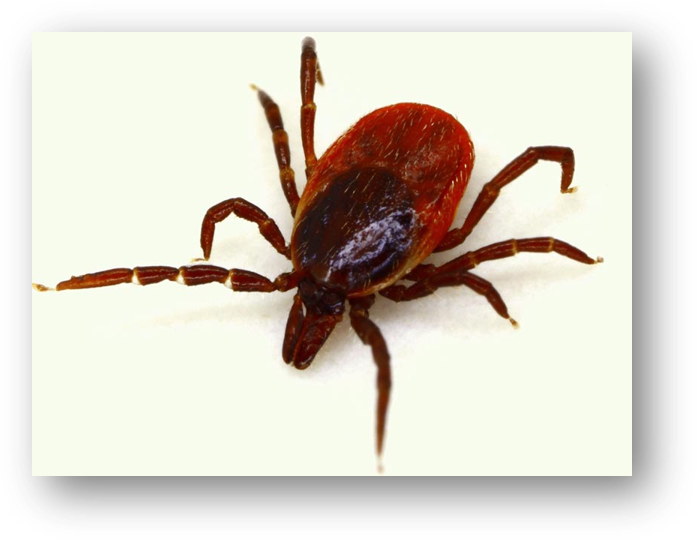
ixodes ricinus

Haemaphysalis punctate
haemaphysalis punctate found where
Coastal areas of wales
tick life cycle
-larva hatch from egg and seek host
-engorged larva shelters in grass and moults to nymph
-nymph seeks host such as rabbit or dog
-engorged nymph shelters in grass and moults to adult
-adult female seeks host, engorges with blood and mates before dropping off
-engorged female lays eggs and dies

consequences of tick infestation
-poor BCS
-weight loss and reduced milk yields
-hide/fleece damage
-intense irritation
-lesions around bites like bacterial infection
-small granuloma formation in prolonged infestation due to retention of mouth parts
-hypersensitivity
-pass pathogens on
tick as vectors diseases
-tick borne encephalitis
-tick borne fever
-lyme disease
-q fever
-tick borne relapsing fever
-babesiosis
babesiosis and theileriosis
-protozoa similar to malaria and sleeping sickness
-parasite tha lives in RBCs of vertebrates

how is babesiosis and theileriosis spread
-transovarially→ through eggs
-transstadially→ across diff stages of life cycle
t annulata
tropical theileriosis
t parva
east coast fever
theileria mainly found
africa
-often local bovids have and it causes little disease but severe disease in domestic cattle esp european breeds
beinging in naive animals → causes clinical signs to them
signs of theileriosis
-lymphadenopathy
-fever
-haemorrhage
-anorexia
-collapse
-pulmonary oedema
-dyspnoea
-death
babesia bovis spread by
rhipicephalus sp
babesia divergens spread by
ixodes ricinus
babesia signs
-pyrexia
-severe haemolytic anaemia
-haemoglobinuria
-death of infected animals
often known as red water fever in cattle

diagnosis of babesia and theileriosis
-history
-exam of skin for presence of ticks
-exam of skin scrape and/or sticky tape impressions for eggs or ticks
host control of ticks
-pour on pyrethroids or MLs→ not licensed in UK against ticks for cattle
only work on stages where tick attached to host
impact on GI worms→ resistant pressure
needs to be reapplied at regular intervals
environmental control of ticks
-become active and start to feed in early spring
start and duration hard to predict
avoid tick prone pastures
pasture improvement with drainage and scrub clearance
-cannot use ascaricide
-ensure immunity when young
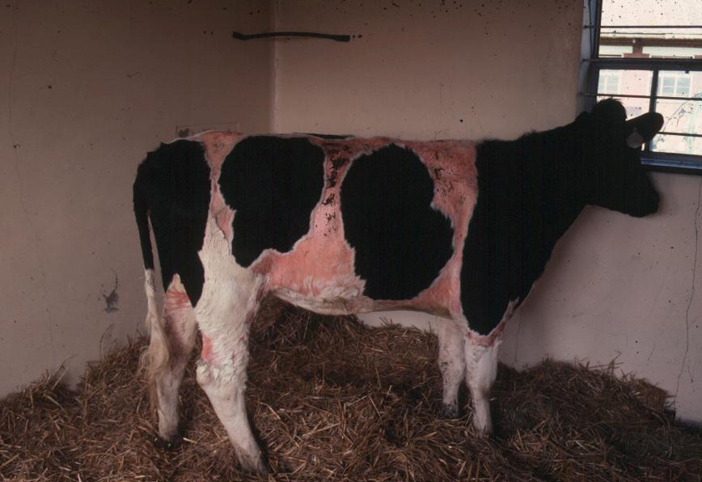
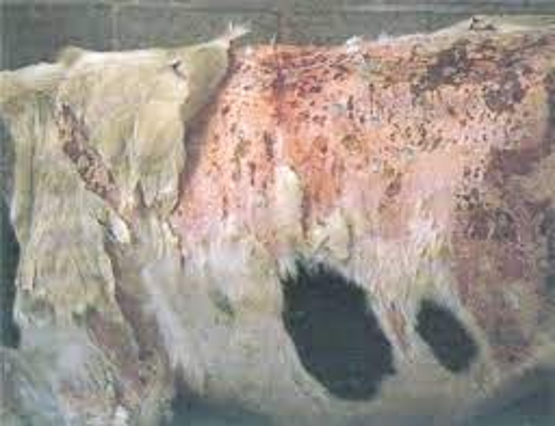
photosensitisation
occurs when presence of chemical makes skin sensitive to sunlight esp UV
-skin damage and loss esp unpigmented areas
-can get slouhging and 2ndary infection
direct cause of photosensitisation
-chemical comes from defect in animals metabolism of RBCs
or more commonly from plants like st johns wort
secondary cause of photosensitisation
-animals with liver damage
-damage interferes with complete breakdown of chlorophyll resulting in accum of photosensitive chemical
local cause of photosensitivity
reaction to sap of some plants
most commonly affected sites of photosensitisation
parts exposed directly to sunlight inc udder (exposed when animal lies down)
signs of photosensitisation
-non pigmented skin affected
-hair loss
-reddening
-peeling
-ulceration of skin
-crusting
-bleeding
diagnosis of photosensitisation
based on clinical signs
treatment of photosensitisation
-removal to cool shaded housing
-fly control
-supportive therapy
prevention of photosensitisation
-do not breed from animals with this genetic defect
-identify and remove poss plant sources of photosensitising chemicals
nutritional causes of skin disease in camelids
copper deficiency
zinc responsive dermatosis (idiopathic hyperkeratosis)
copper deficiency in camelids
•Depigmentation of fibre and wire texture
clinical signs of cu deficiency in camelids
Poor growth and low immune tolerance
treatment of Cu deficiency in camelids
Require Cu supplementation (but avoid toxicity)
but dont want to over supplement → get definitice diagnosis
zinc responsive dermatosis in camelids
Non pruritic papules with adherent crust
clinical signs of zinc responsive dermatosis in camelids
papules on Perineum, ventral abdomen, inguinal regions, axilla, medial thighs/forearms and face.
diagnosis of zinc responsive dermatosis in camelids
skin biopsy
treatment of zinc responsive dermatosis in camelids
•oral zinc sulphate/topical zinc shampoos.
what is munge (severe dermatitis) in camelids
Adherent, hyperkeratotic crusts – paranasal/perioral regions
Idiopathic

how do you treat munge
treat secondary bacterial infection +/- ectoparasites.
ddx for munge
viral contagious pustular dermatitis,
dermatophilosis,
dermatophytosis,
bacterial dermatitis,
immune-mediated disease