A + P: Unit 3 Exam
 Call Kai
 Learn
Learn Practice Test
 Spaced Repetition
 Match
Match Flashcards
 Knowt Play
1/211

There's no tags or description
Looks like no tags are added yet.
Name | Mastery | Learn | Test | Matching | Spaced | Call with Kai | Chat |
|---|
No analytics yet
Send a link to your students to track their progress
212 Terms
sinuses
identify the structure

Temporomandibular Joint
identify the structure

Frontal bone
identify this bone.

Parietal bone.
identify this bone.

Temporal bone
identify this bone.

Occipital bone
Identify this bone.

Nasal
Identify this bone

Maxilla
identify this bone.

mandible
identify this bone.
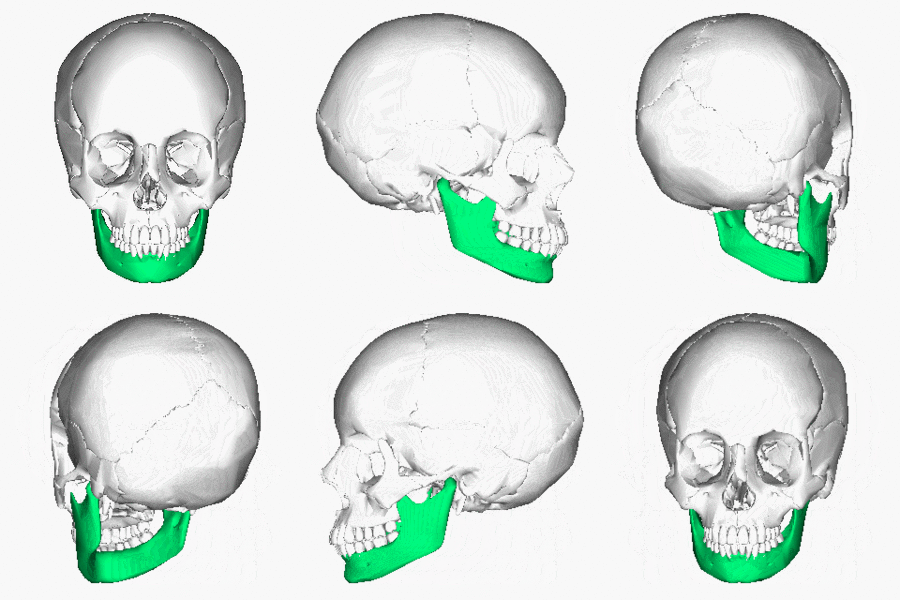
zygomatic
identify this bone.

palatine
identify this bone.

lacrimal bone
identify this bone.

Lambdoid
identify this suture

Sagittal
identify this suture

squamous
identify this suture

Frontonasal
identify this suture

Hyoid
Identify the bone.

infra-orbital foramen
Identify this structure

superior nasal conchae
Identify this structure

middle nasal conchae
Identify this structure

Hyaline cartilage that covers bone surfaces and reduces friction.
What is articular cartilage?
Muscle to bone.
What do tendons connect?
Bone to bone
What do ligaments connect?
coronal
identify the suture

Mental foramen
identify the structure

superior nasal conchae
identify the structure

middle nasal conchae
identify the structure
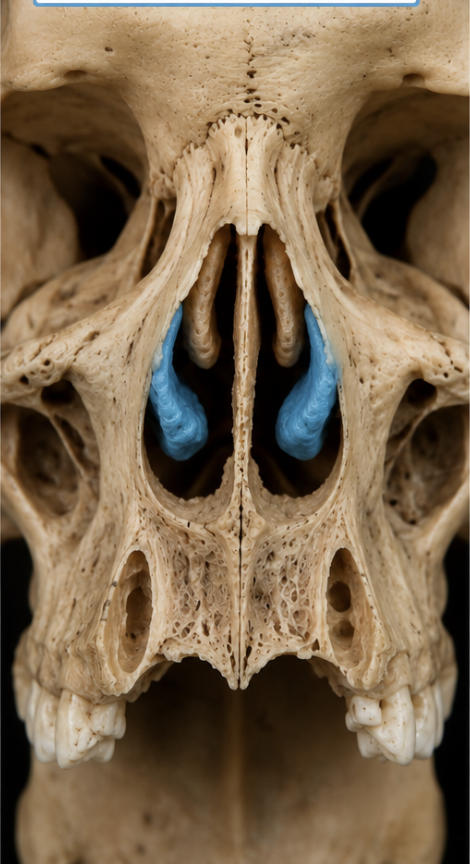
inferior nasal conchae
identify the structure

Hard palate
identify the structure

Cribriform plate
identify the structure
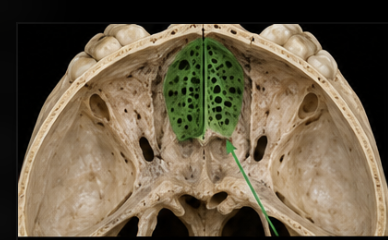
Crista galli
identify the structure

Sella turcica
identify the structure

Foramen Magnum
identify the structure

Occipital condyles
identify the structure

External acoustic meatus
identify the structure

Mastoid process
identify the structure

it is very hard and protects the inner ear, which is responsible for hearing and balance.
What is important about the petrous portion of the temporal bone?
Sphenoid bone
Identify the bone

Ethmoid bone
identify the bone

Maxilla
Which bone houses the upper row of teeth?
Mandible
Which bone houses the lower row of teeth?
Help warm, moisten, and filter the air you breathe.
What is the function of the nasal conchae?
it allows the baby's skull to grow as the brain grows and helps the skull flex during birth.
What is a fontanel and why is it important?
7 vertebrae (C1–C7) — neck
Cervical
12 vertebrae (T1–T12) — upper/mid back
Thoracic
5 vertebrae (L1–L5) — lower back
Lumbar
5 fused vertebrae (S1–S5) — form the sacrum
Sacral
usually 4 fused vertebrae — form the coccyx
Coccygeal
inward curve of the neck
Cervical lordosis
inward curve of the neck
Thoracic kyphosis
inward curve of the lower back
Lumbar lordosis
abnormal sideways (side-to-side) curvature of the spine.
Scoliosis
Vertebral body
Where is this?
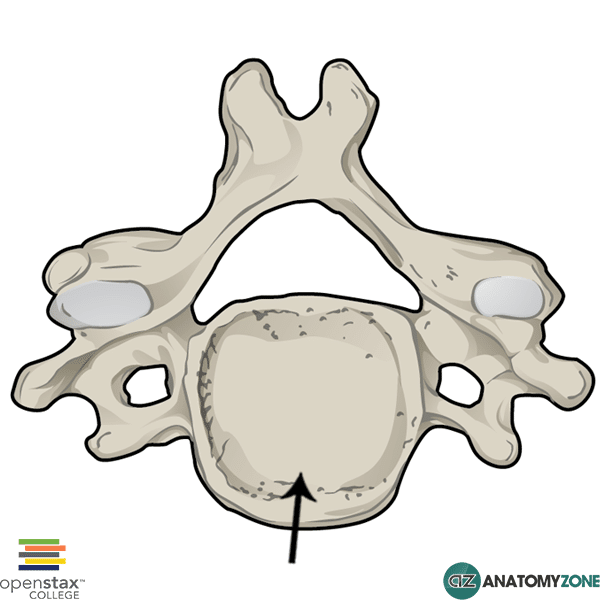
Vertebral arch
Where is this?

Spinous process
Where is this?

Superior articular processes
where is this?
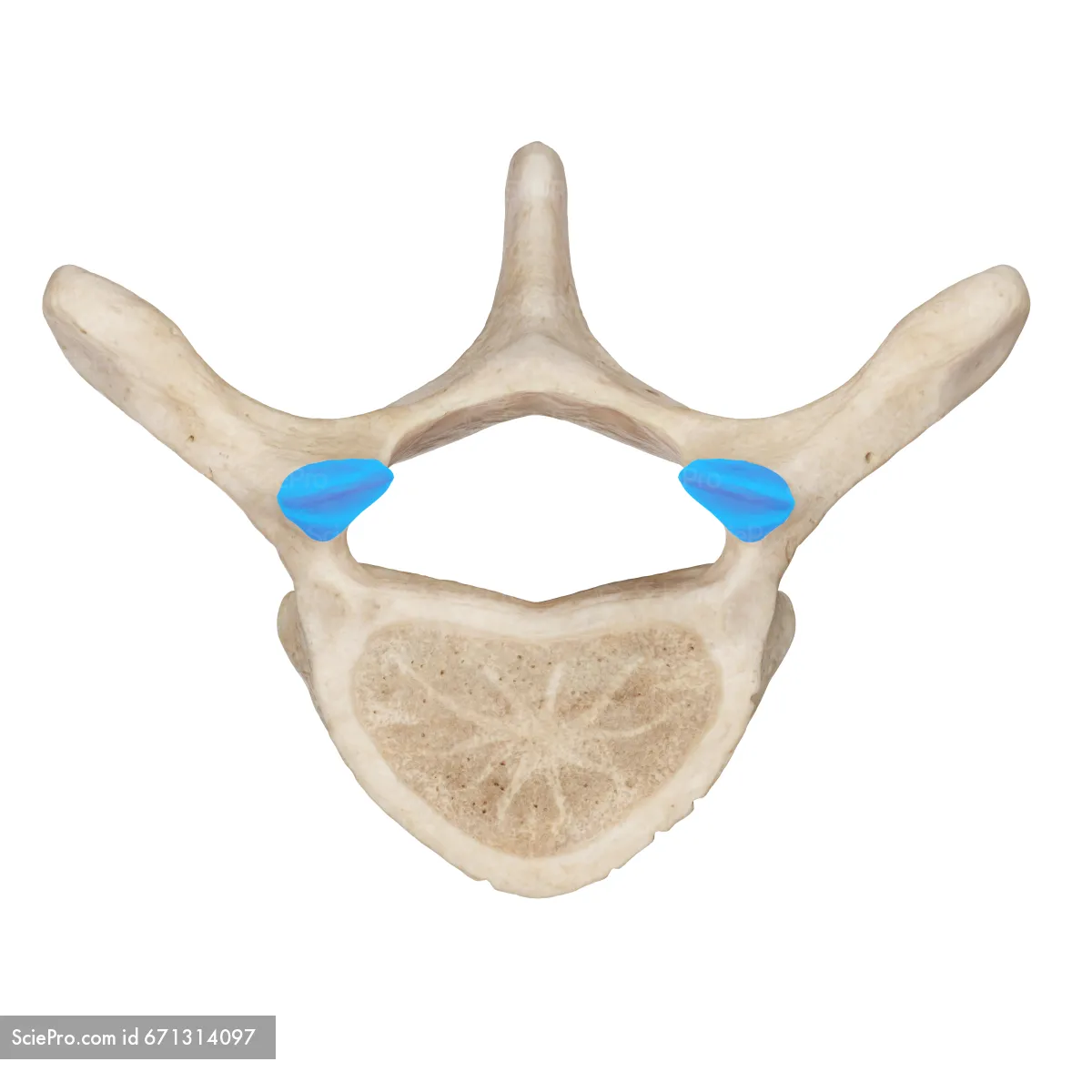
Lamina
where is this

Pedicle
whats the name of this part? (green)
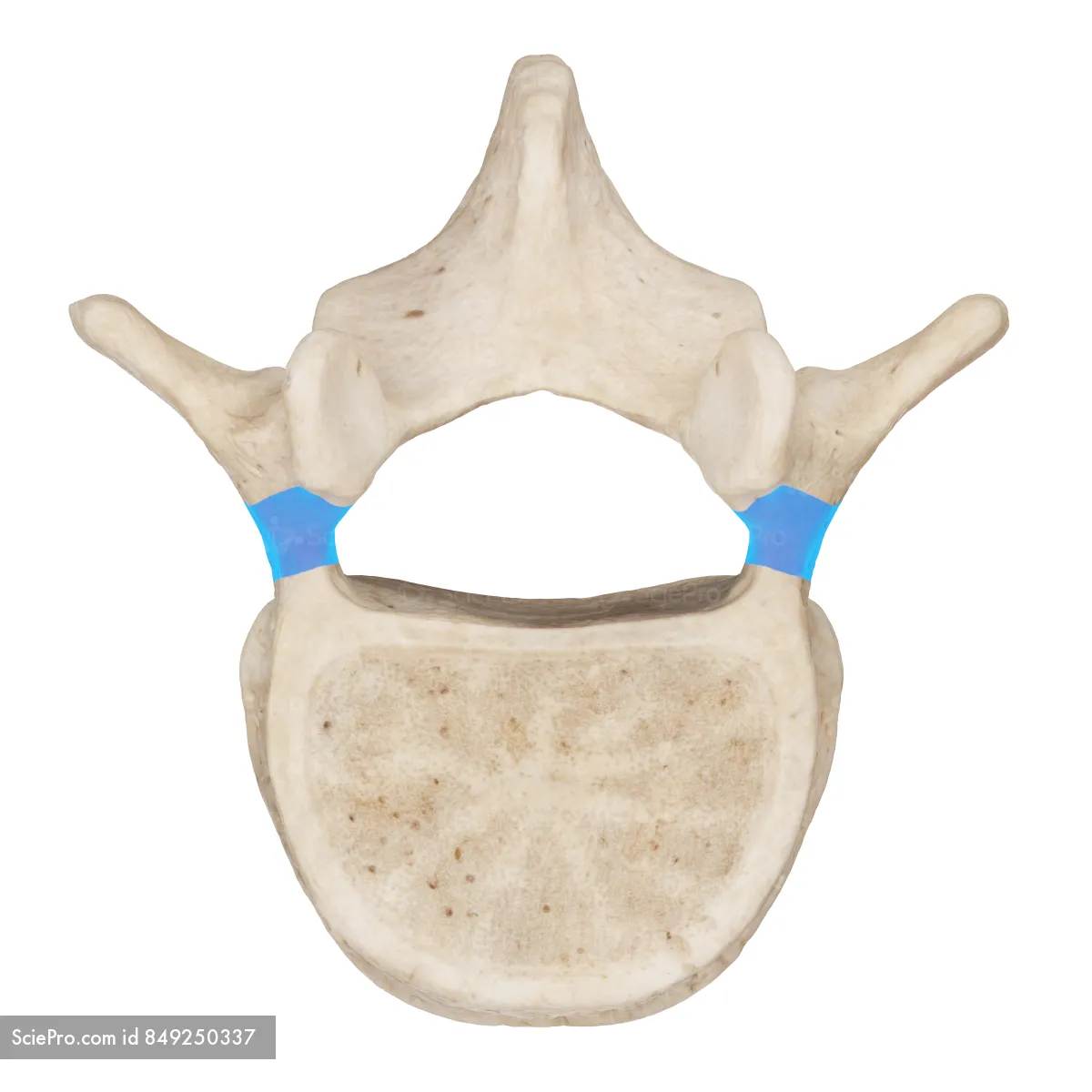
Inferior articular processes
what part is this?
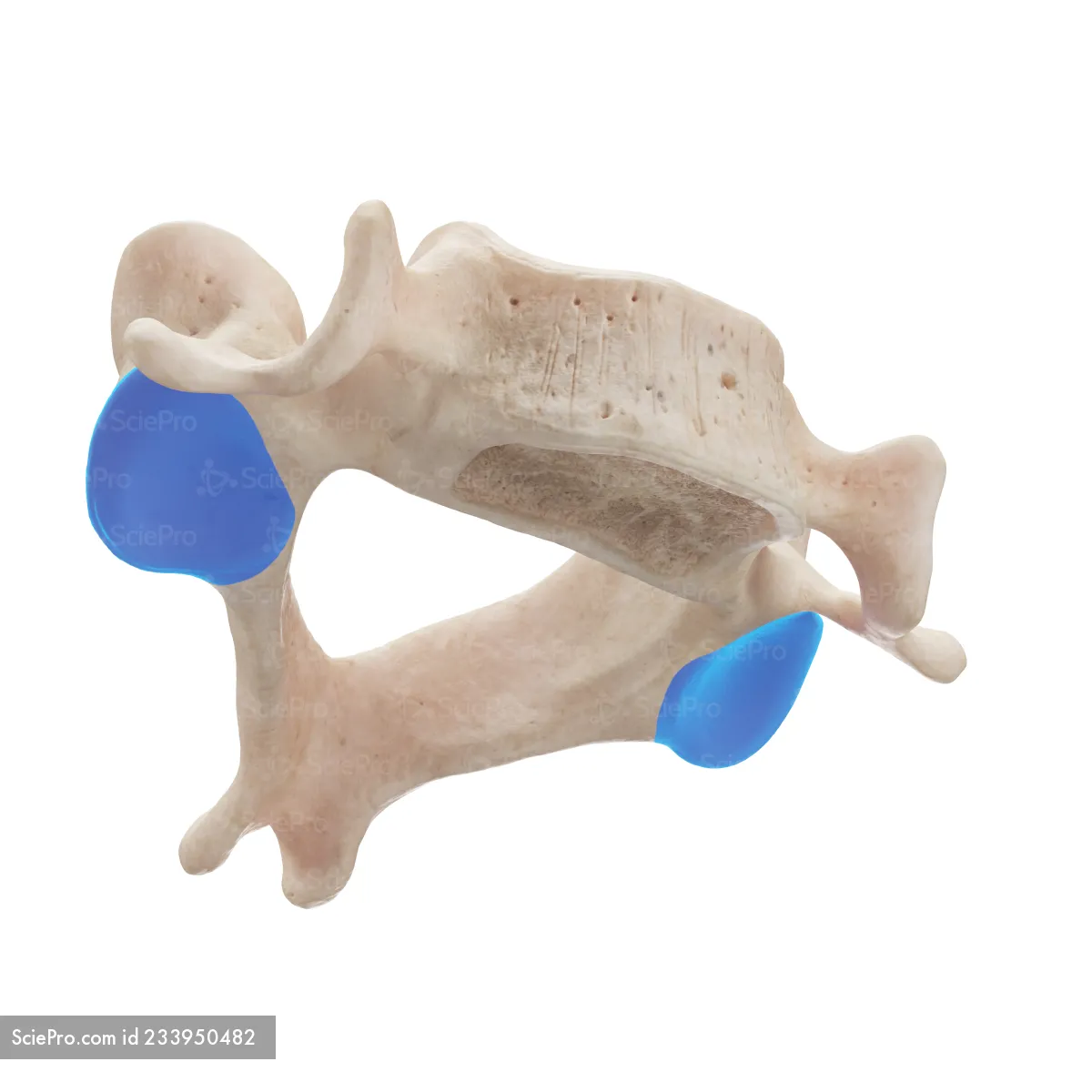
Transverse foramen
what part is this?

Dens
what part is this?

Vertebral foramen
what part is this?

Intervertebral foramen
what part is this?

Intervertebral discs
what part is this?

Largest vertebral foramen
allows room for the spinal cord.
Bifid spinous process
spinous process is split into two.
Transverse foramen
holes in the transverse processes for blood vessels.
Smallest vertebral body
supports the least amount of weight.
ATLAS because it holds up your head, no vertebral body
why is C1 special?
AXIS has the DENS, which protrudes superiorly. The transverse ligament holds the dens in place during movement, helps make it more stable since if the dens fractures could cause spinal cord injury.
why is C2 special?
They have extra articulations for the ribs and the spinous process points more inferiorly. Otherwise have medium-sized body and vertebral foramen.
What is special about the vertebrae of the thoracic spine?
Largest vertebral body because they hold the most amount of body weight and pressure. Smallest vertebral foramen because by this point, most of the nerves coming from the central nervous system have branched out into the extremities.
What is special about the lumbar vertebrae?
Sacrum
Identify the bone

Coccyx
identify the bone

Auricular surface
identify the bone

Connects to the vertebrae in the back.
Head of rib
Connects the rib to the sternum in the front.
Costal cartilage
Attach directly to the sternum through their own costal cartilage.
True ribs (1–7)
Do not attach directly to the sternum.
False ribs (8–12)
Have no attachment to the sternum in front
Floating ribs (11–12)
What are the 3 parts of the sternum?
Clavicle
What bone is this

Scapula
What bone is this

Humerus
What bone is this

Radius
What bone is this

Ulna
What bone is this

Scaphoid
What bone is this

Lunate
What bone is this

Triquetrum
What bone is this

Pisiform
What bone is this

Trapezium
What bone is this

Trapezoid
What bone is this

Capitate
What bone is this

Hamate
What bone is this

Metacarpals
What bone is this

Phalanges
What bone is this

2 - proximal + distal.
How many phalanges does the thumb have?
How many phalanges do fingers 2–5 have?
3 - proximal + middle + distal.
Ilium, Ischium, Pubis
what 3 bones make up the hips/pelvic bone?
Femur
What bone is this
