OChem, WSU CHEM 345
 Call Kai
 Learn
 Practice Test
 Spaced Repetition
 Match
 Flashcards
 Knowt Play
1/98

Earn XP
Description and Tags
Erm, Whatever
99 Terms
Alkane
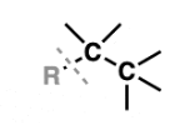
pKa 50
Alkene

pKa 45
Alkyne

pKa 25
Amine

pKa
Alyls

pKa 45
Nitrile

pKa 25
Imine

pKa
Aniline

pKa 30
Ammonia

pKa 35
Water
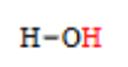
pKa 15
Alcohol
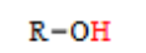
pKa 15
Cyclopentadiene

pKa 15
Ether

pKa
Epoxide

pKa
Haloalkane

pKa
Phenol

pKa
Bicarbonate

pKa 10
Thiol

pKa 10
β-Keto Carbonyls
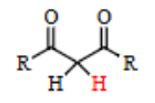
pKa 10
Aldehyde

pKa 20
Ketone

pKa 20
Amide

pKa 15
Carboxylic Acid

pKa 5
Benzene Ring

pKa
Carbonic Acid

pKa 5
Alphatic Ammonium Ions

pKa 10
Aromatic Ammonium Ions (Anilinium & Pyridinium Ions)

pKa 5
Ester

pKa 25
Acyl Halide
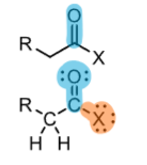
pKa
Acid Anhydride

pKa
Aromatic Hydrocarbon

pKa
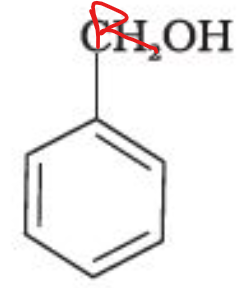
Aromatic Alcohol
pKa
Aromatic Amine

pKa
Haloarene
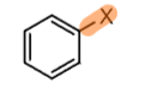
pKa
Aromatic Carboxylic Acid

pKa
Aromatic Aldehyde
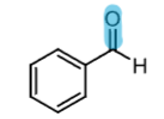
pKa
Aromatic Ketones

pKa
Nitrobenzene

pKa
Hydrohalic Acids

pKa ≤0
Nitric Acid

pKa ≤0
Sulfuric Acid

pKa ≤0
Phosphoric Acid

pKa ≤0
Structural formula
Hella detailed
Parent names based on carbons, 1-10 (end in “ane, ene, or yne”):
meth, eth, prop, but, pent, hex, hept, oct, non, & dec
Suffixes after parent name based on bond type:
ane (single), ene (double), & yne (triple)
Butyl

ethyl
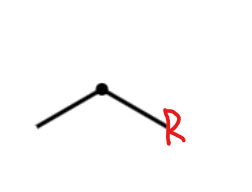
Tert-butyl

Propyl

methyl

sec-butyl

Isobutyl

Relationship between pKa, Ka, and strength
Strength grows as pKa gets lower and Ka get higher. pKa = -log(Ka)
H-H equation
pH = pKa + log(conj base/acid)
Periodic table trends

Acid-base equilibrium favor
Depends on weakest acid, if weak acid can be made (base stronger that acid) than the reaction will occur
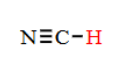
Hydrocyanic acid
pka 10
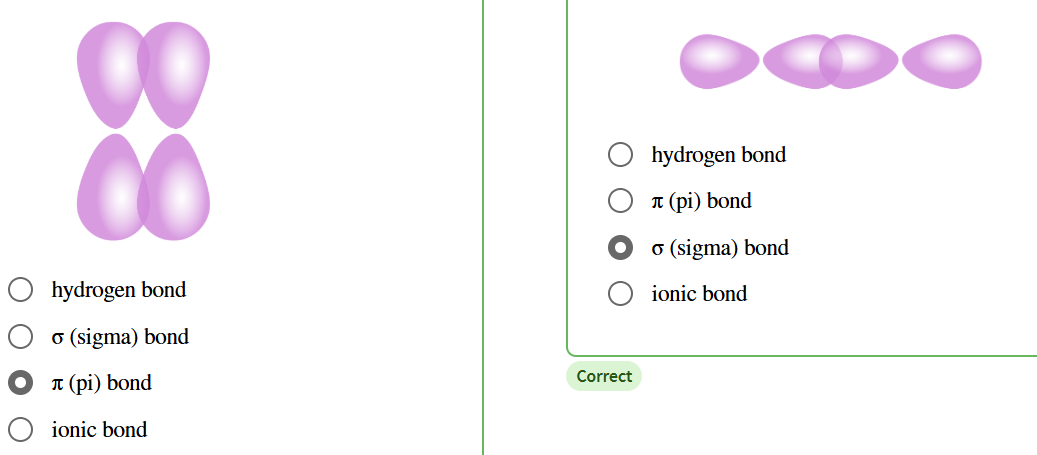
pi () v sigma () bond
Along the length v head to head
Formula to get number of H’s relative to carbon to represent an alkane
2(number of C) + 2
Draw trans-1-2-dichlomocyclohexane

Draw Cis-1,3-dichlomocyclohexane, equatorial are more stable bc axial strain

A twist switches axial and equatorial but not up or down
Statistics but stfu. Calculate Z score
(Value minus average) over standard deviation
Stats but shhhhh: Describe a cofounder
A variable related to both treatment and outcom
Allyl

Vinyl

Electrophile v nucleophile
The more positive one that wants the (-) v the more negative one that wants the (+)
Syn-dihydroxylation) v Chlor/Halo/Bromination
KMnO4/PH8 →, cis addition of 2OH- v X2 →, trans addition of 2X-
Epoxidation
mCPBA →, Use an O to give a party hat in a cis way
Hydrohalogenation
HX→, Adding H+ and a halogen-
Hydration of alkenes
H2O →, (Add OH- and H+)
Hydrogenation
H2/(Pd/C) →, adds 2H+ or two (visible) D+ to remove double and triple bonds. In a cis way
Tortional v steri v ring strain
Forcing e- clouds to be closer to each (usually when eclipsing), alleviated with rings and puckered configuration; v grows with larger groups moving closer to main body of molecule; v forced to be close to each other bc of being in a ring, grows if all on same plane
Benzene pre-fix names based on sub placements
Ortho (1 & 2), meta (1 & 3), para (1 & 4)
Groups that activate ring towards substitution (activating)
Have no double or triple bonds. Ortho, para-directing. Wins if conflicted with a withdraw e- groups because it speeds up the reaction and makes more of itself faster.
Groups that withdraw e- through resonance (deactivating)
Have double and/or triple bonds. Meta directing
Ortho, para-directing groups
Atom next to the ring has lone pairs (also methyl and carbon groups???)
KMnO4/H3O →, in reactions of benzene with a substitute
Adds a carboxylic acid or turns isopropyl into carboxylic acid??? (R-(C=O)-OH)
Ortho

Meta

Para

Chiral/chirality centers v achiral
4 dif groups on C as to be nonsuperimposable with its mirror image v does have perfect symmetry in some way
Benzene as a substitute
aka phenyl when it’s on a chain of 7C or more
When naming a ring with its own name
Start numbering at the substitute that gives its name then only number the others
Benzyl group
Benzyl ‘name of ‘R‘

Toluene

Phenol

Anisole

Aniline

Benzoic acid

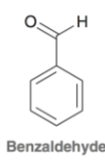
Benzaldehyde
Acetophenone

Styrene

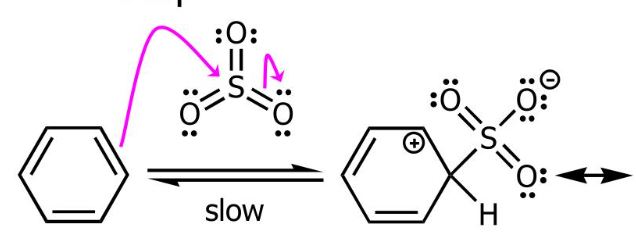
Sulfonation of benzene
SO3/H2SO4→
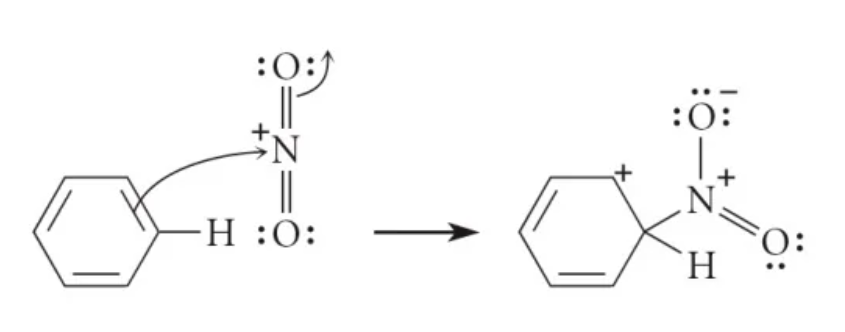
Nitration of benzene
HNO3/H2SO4→
Friedal-Crafts Alkylation
Adding a carbon group using a halide as glue

Friedal-Crafts Acylation
Adding an acyl group using a halide as glue

Deactivating but ortho, para-directing
Halogens
Bromination (EAS) of benzene
Br2/FeBe3→

Chlorination (EAS) of benzene
Cl2/AlCl3→
