Ch 16 HW Sense Organs
 Call Kai
 Learn
 Practice Test
 Spaced Repetition
 Match
 Flashcards
 Knowt Play
1/61

There's no tags or description
Looks like no tags are added yet.
62 Terms

Identify the structure of the cochlea.
Tectorial membrane

Identify the structure of the cochlea.
Hairs (stereoerocilia)
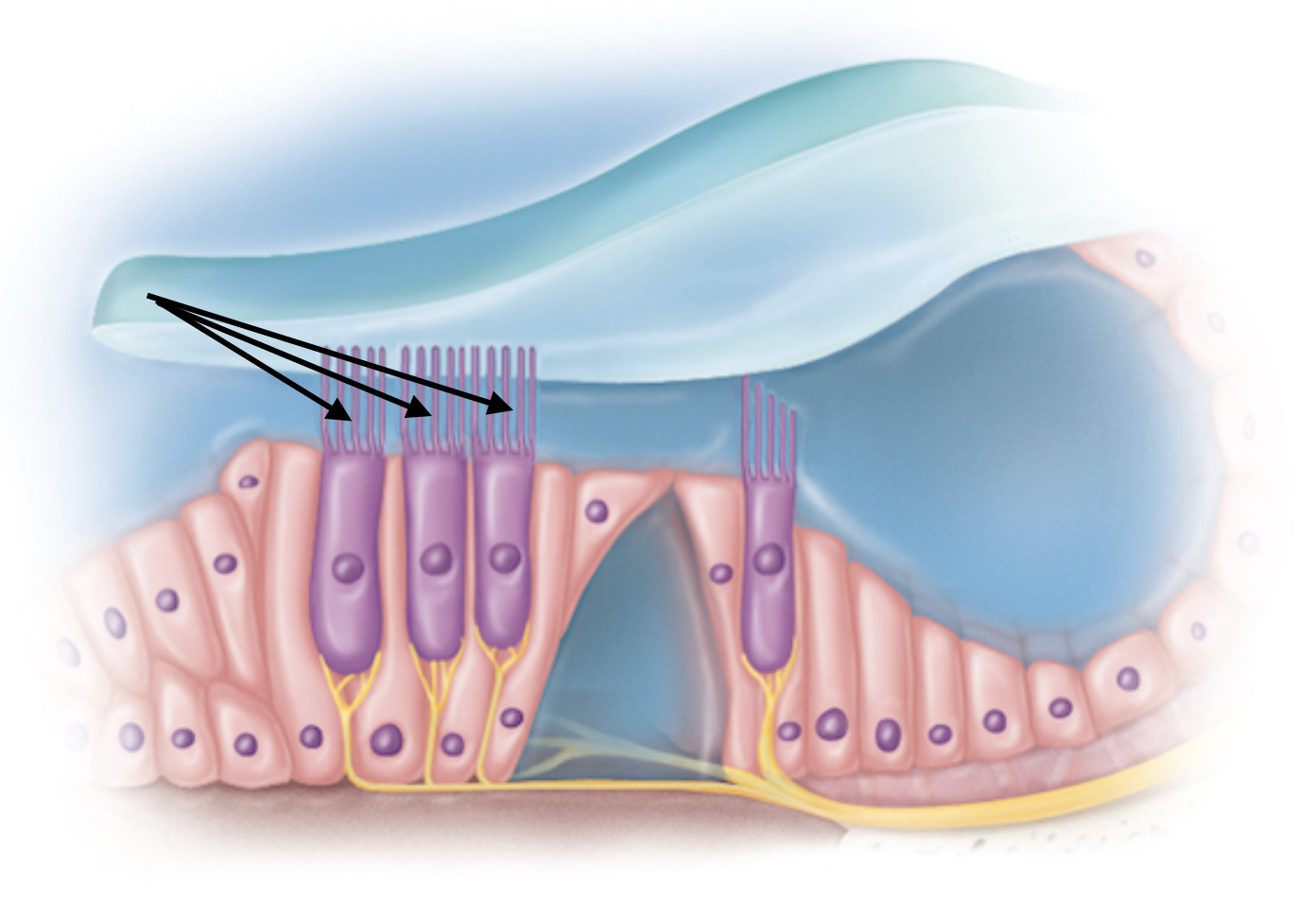
Identify the structure of the cochlea.
Outer hair cells

Identify the structure of the cochlea.
Inner hair cell
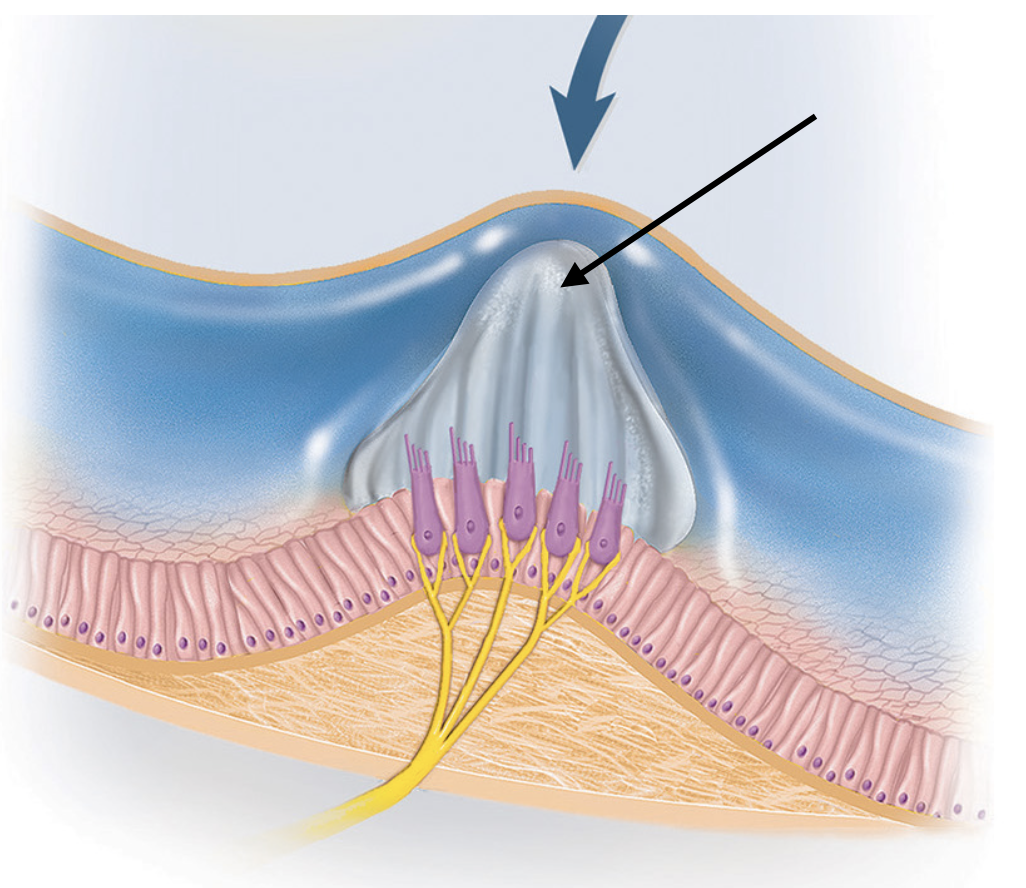
Identify the anatomical feature of the semicircular canals.
Cupula

Identify the anatomical feature of the semicircular canals.
Endolymph

Identify the anatomical feature of the semicircular canals.
Hair cells
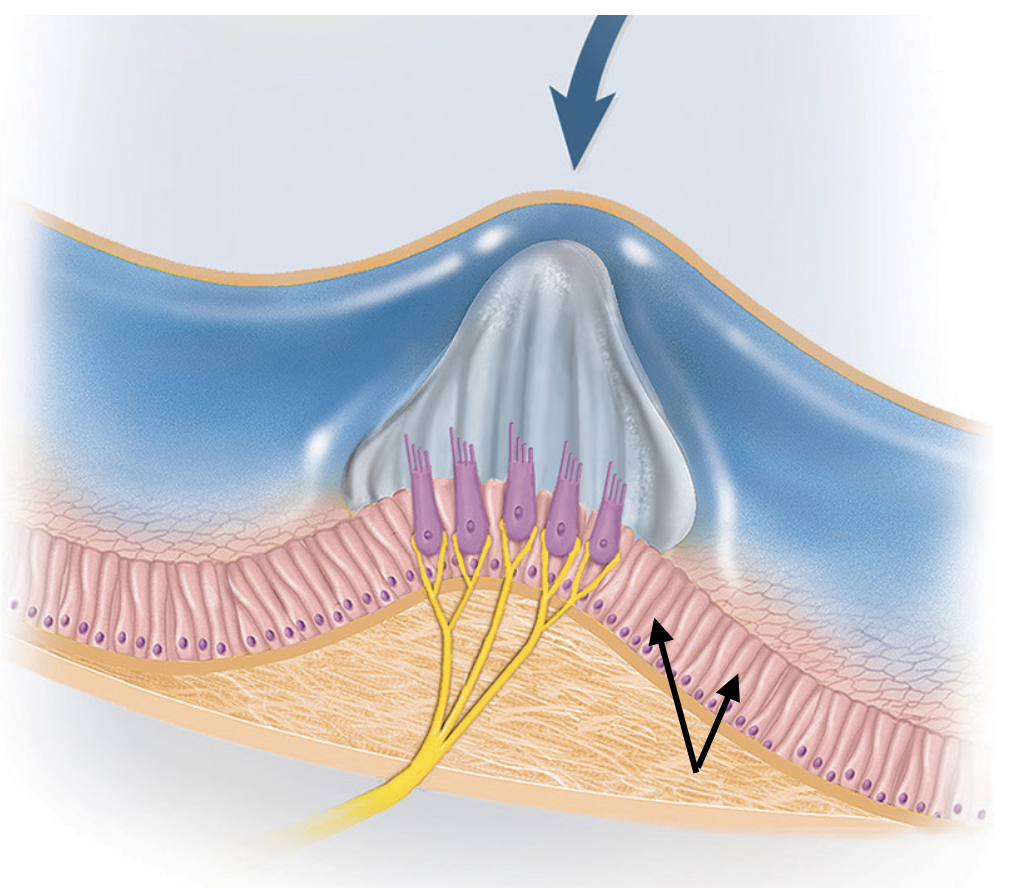
Identify the anatomical feature of the semicircular canals.
Supporting cells
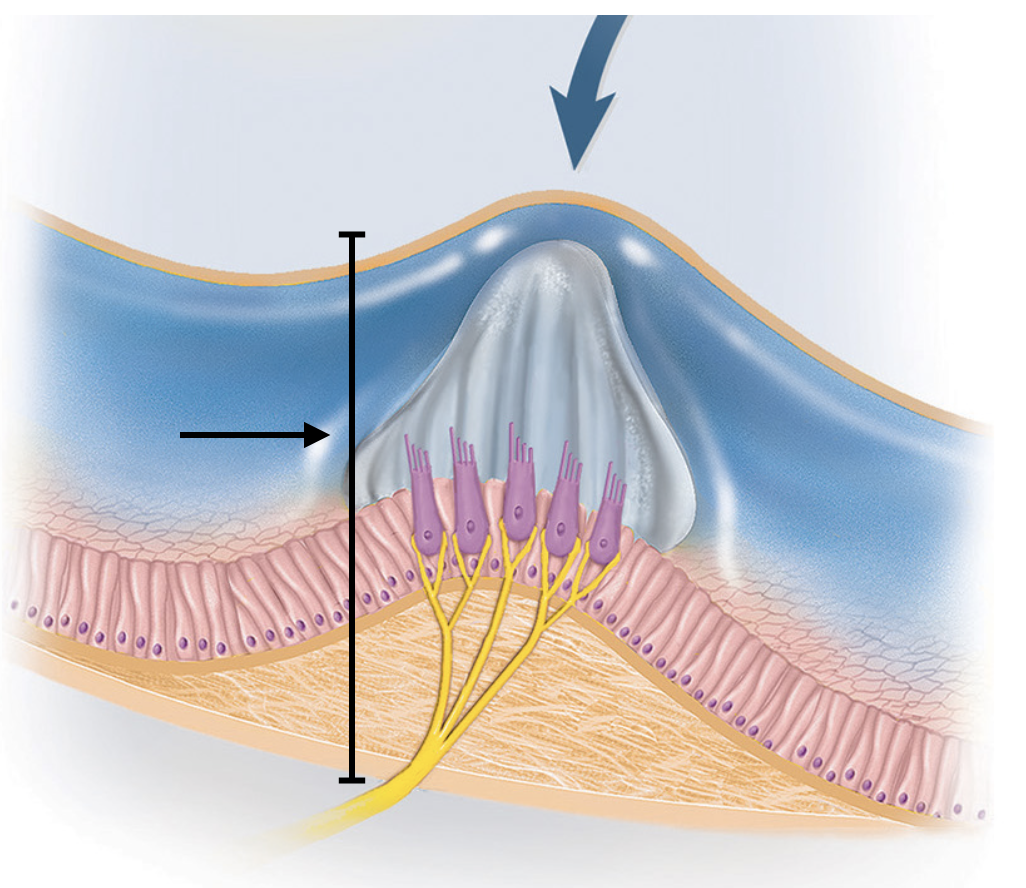
Identify the anatomical feature of the semicircular canals.
Crista ampullaris
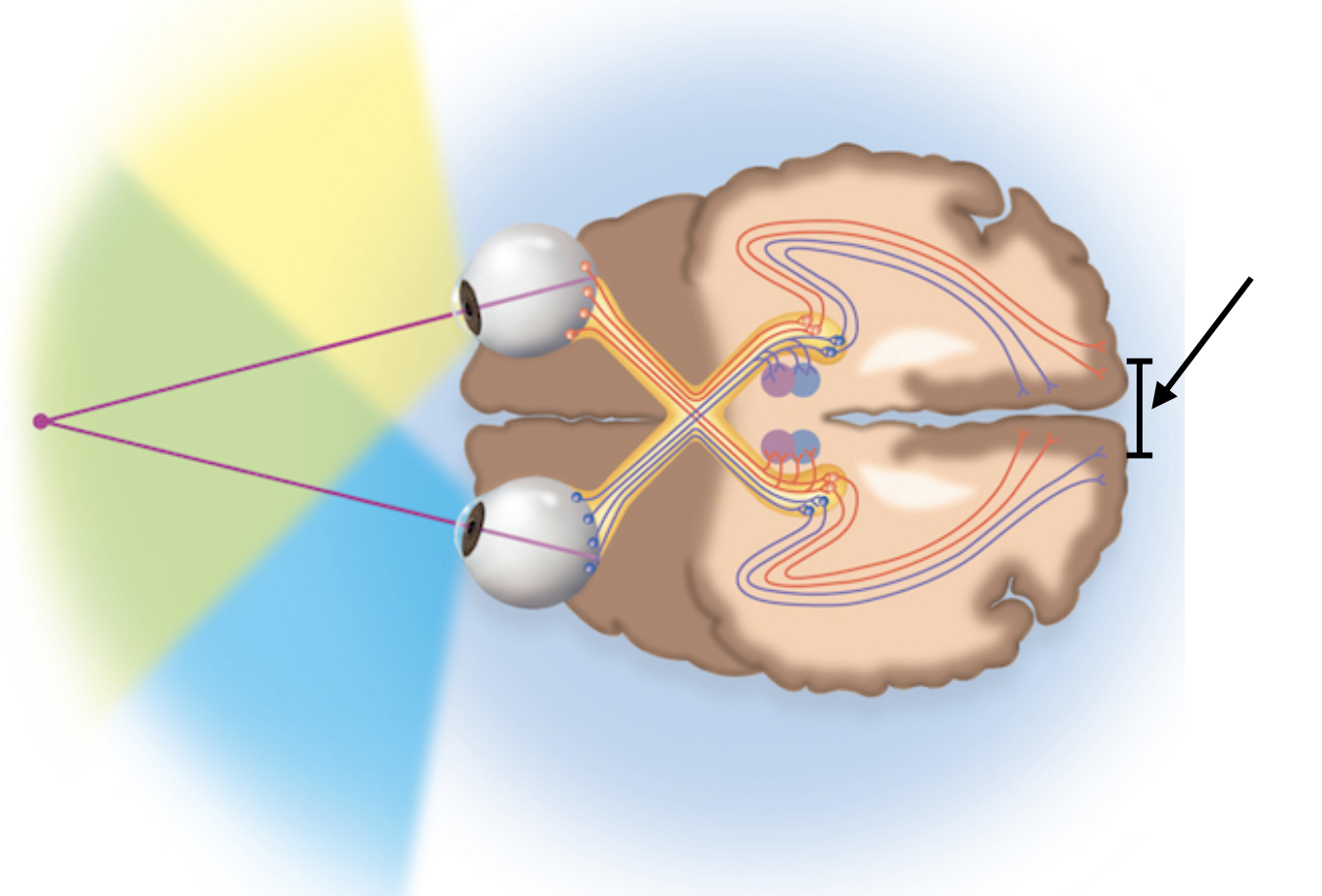
Identify which description matches the level of the visual projection pathway.
Conscious visual sensation
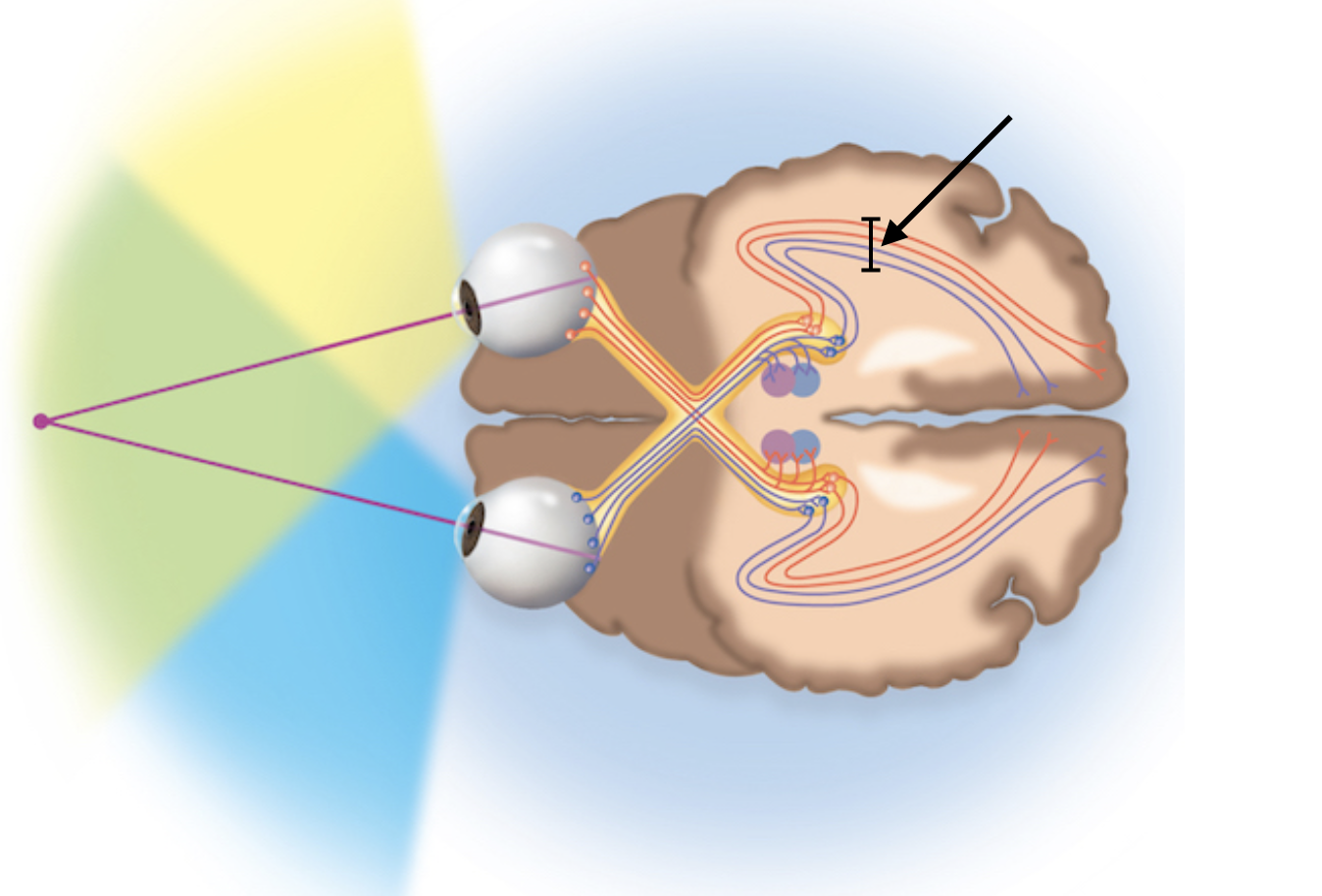
Identify which description matches the level of the visual projection pathway.
3rd order neurons of vision

Identify which description matches the level of the visual projection pathway.
Half of the nerve fibers decussate here

Identify which description matches the level of the visual projection pathway.
The beginning of the axons of retinal ganglion cells
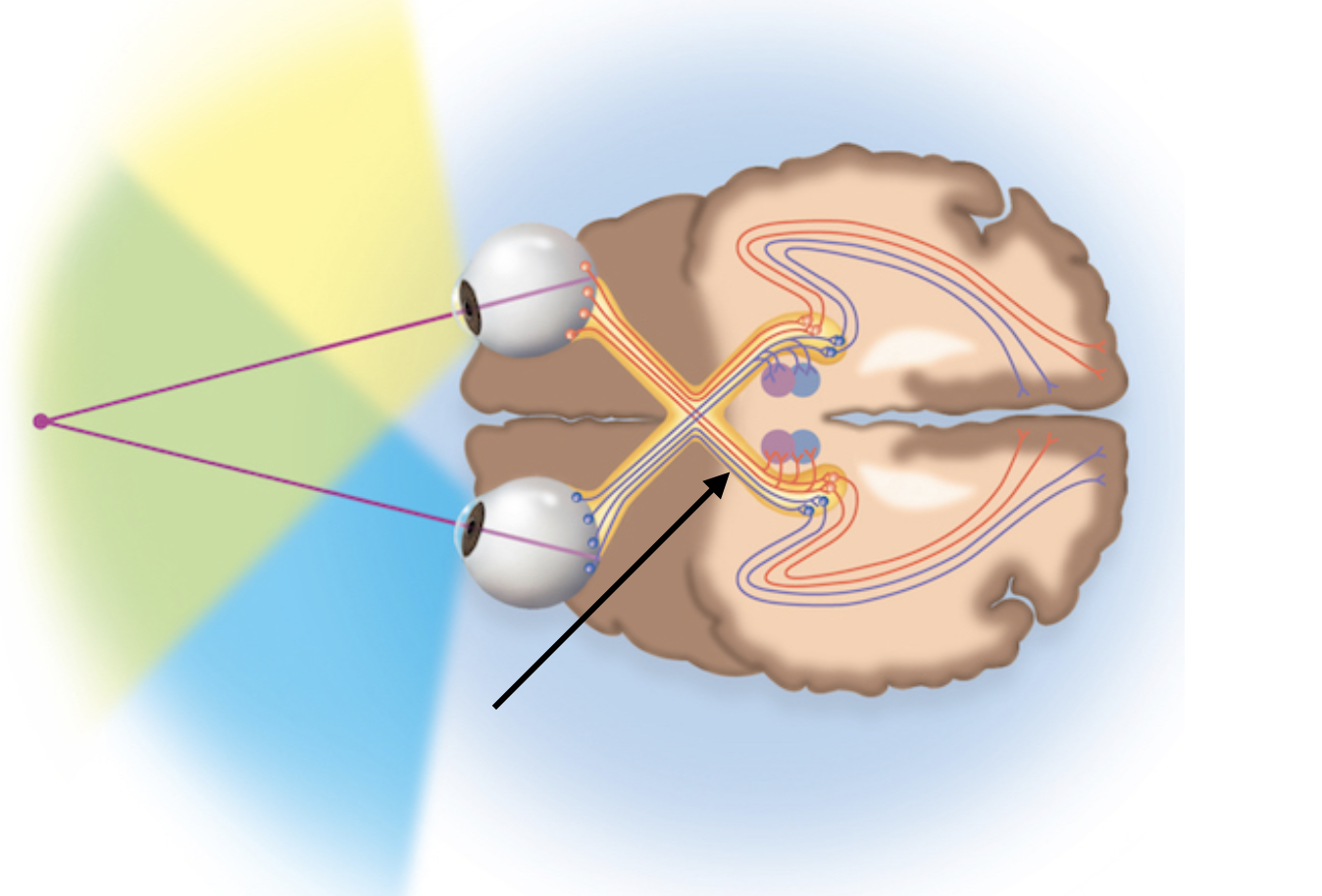
Identify which description matches the level of the visual projection pathway.
Contains nerve fibers from both eyes after they’ve emerged from the optic chiasm

Identify which description matches the level of the visual projection pathway.
Synapse between 2nd and 3rd order neurons
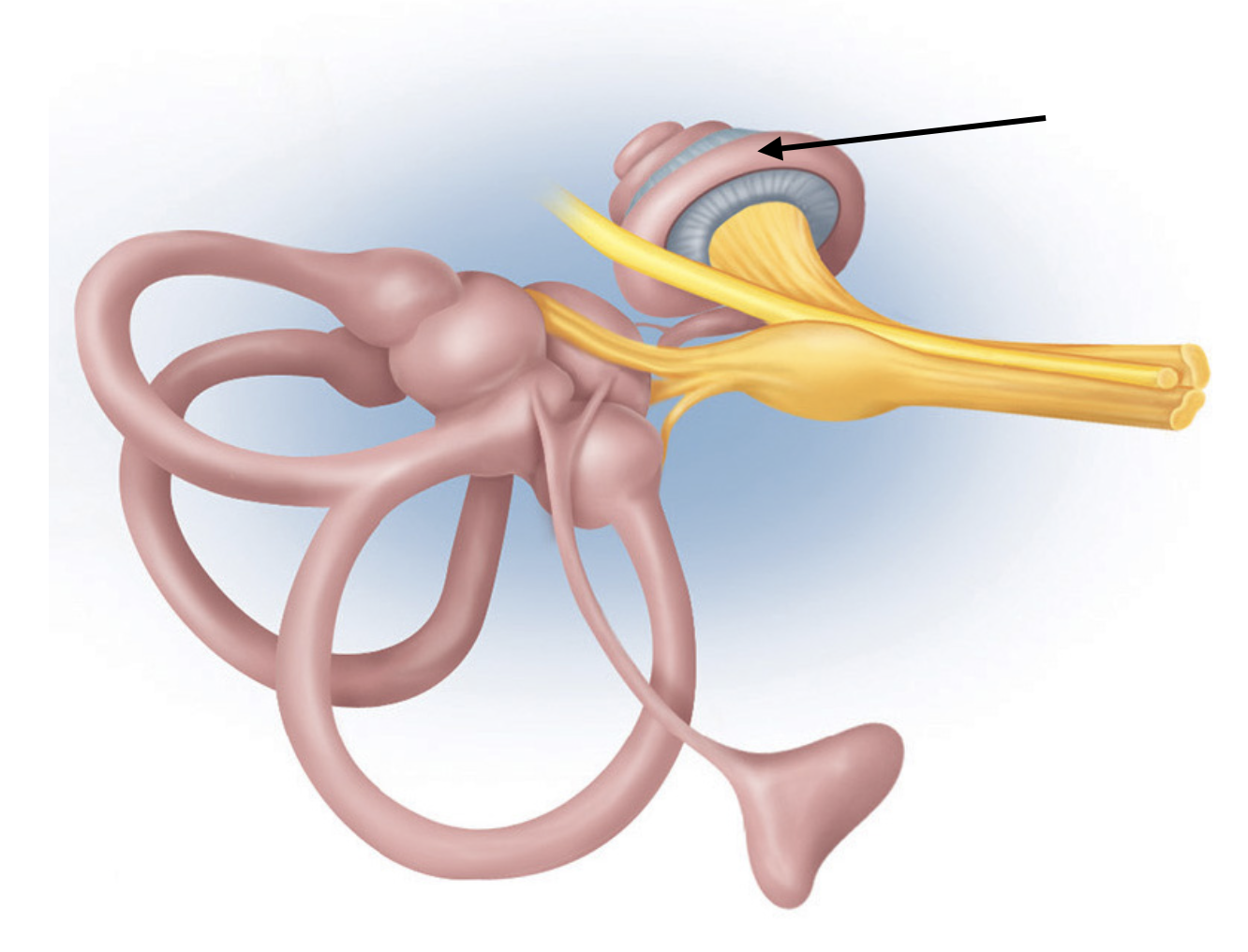
Identify the structure of the membranous labyrinth of the ear.
Cochlear duct
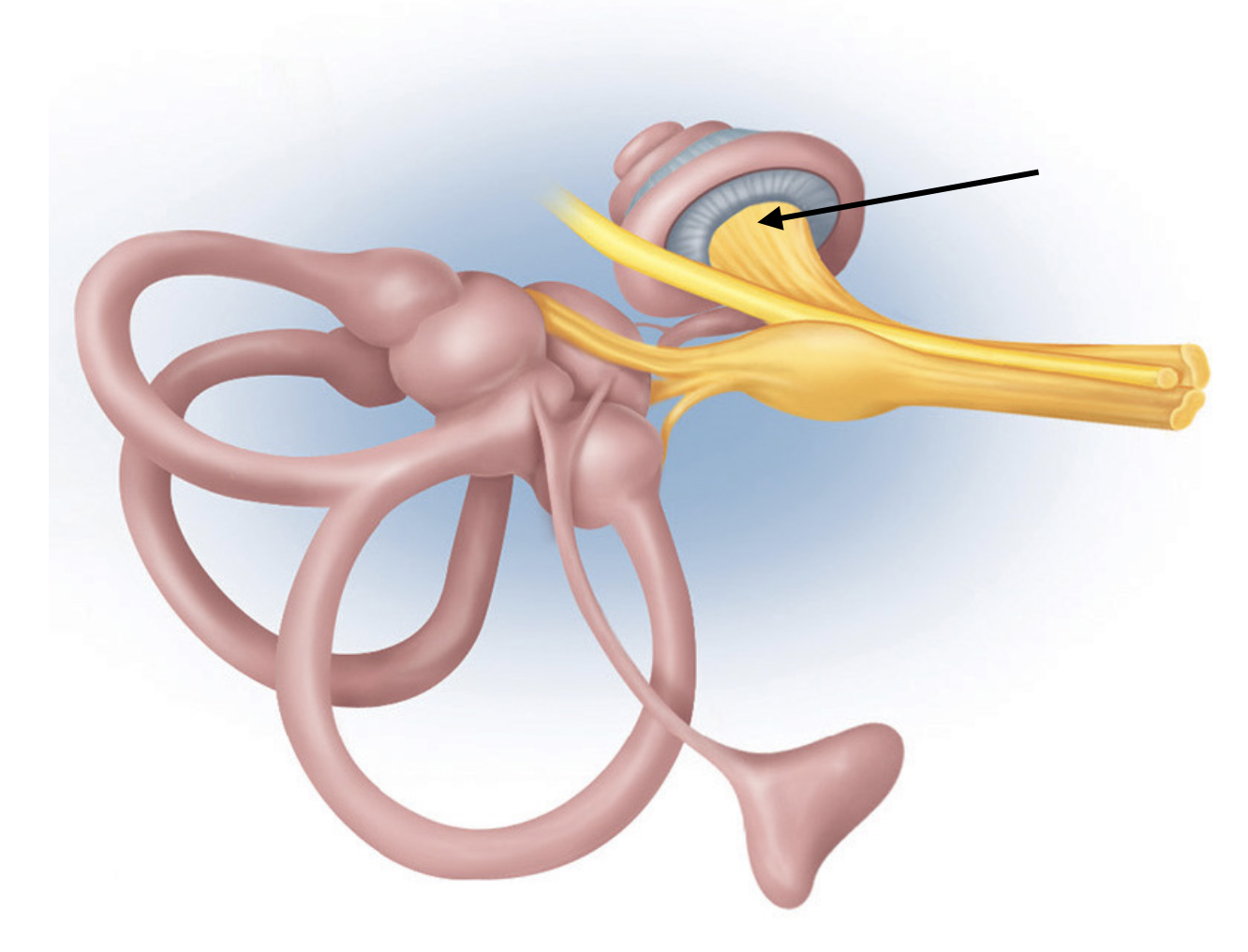
Identify the structure of the membranous labyrinth of the ear.
Spiral ganglion of cochlea

Identify the structure of the membranous labyrinth of the ear.
Cochlear nerve

Identify the structure of the membranous labyrinth of the ear.
Vestibular nerve
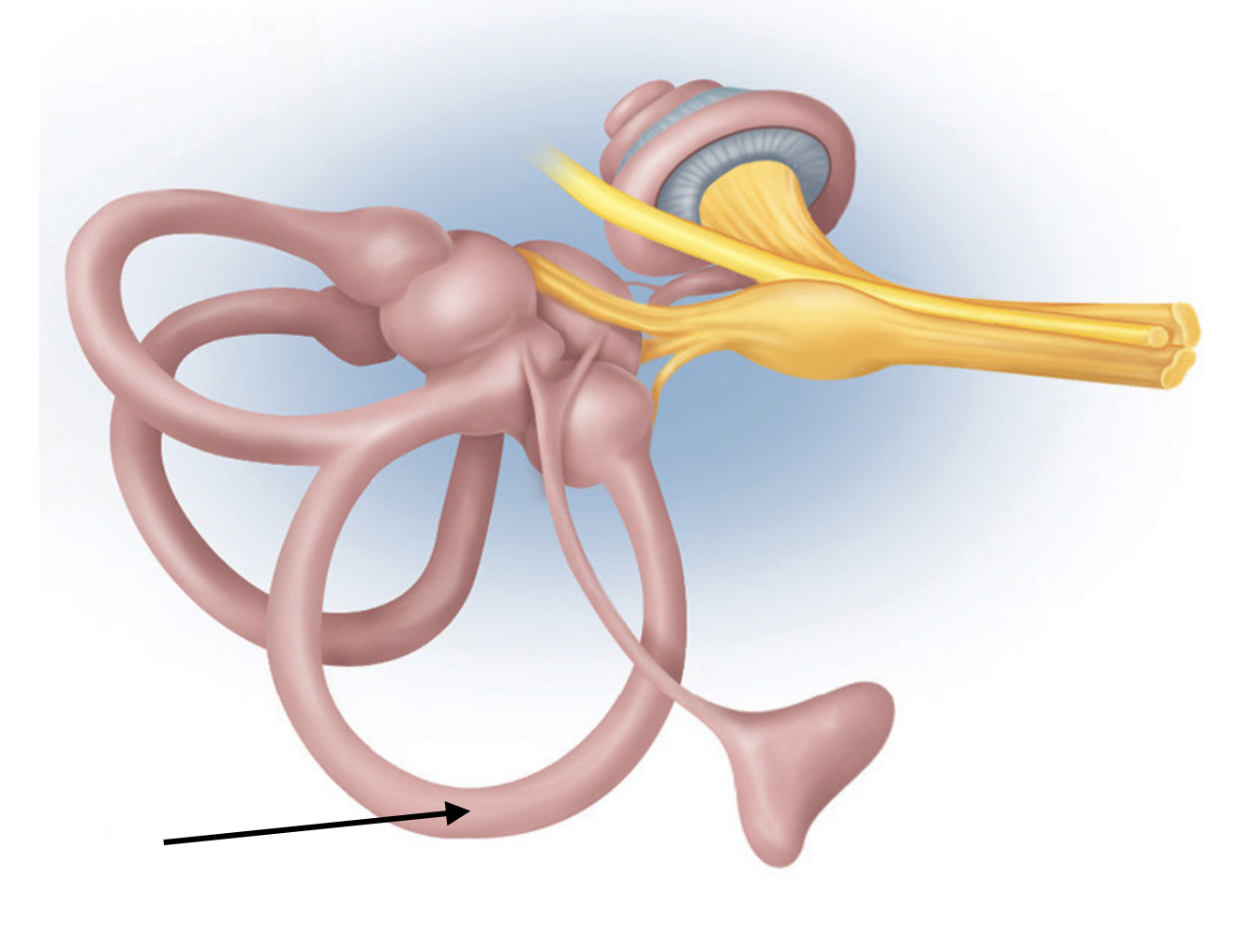
Identify the structure of the membranous labyrinth of the ear.
Semicircular duct: posterior
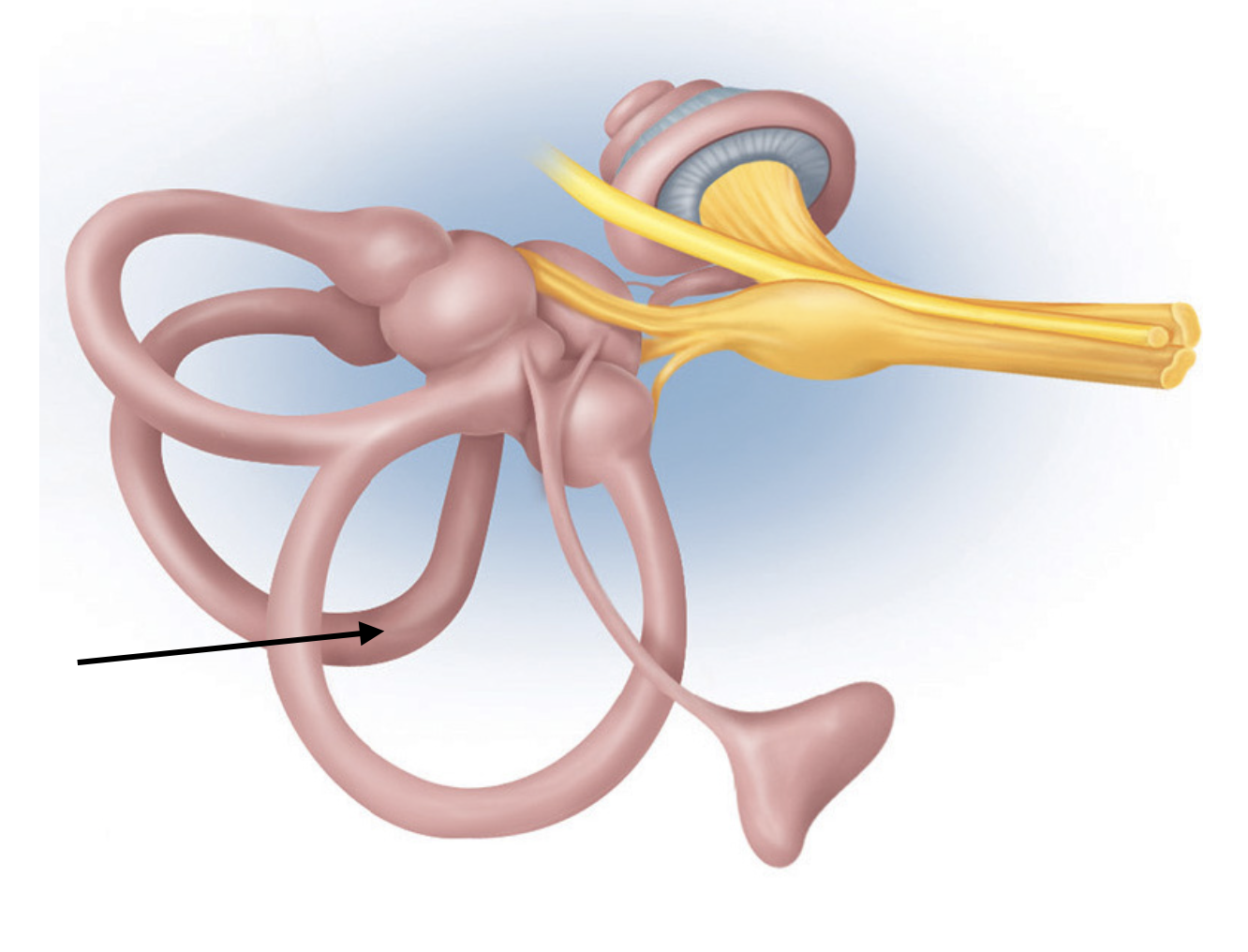
Identify the structure of the membranous labyrinth of the ear.
Semicircular duct: lateral

Identify the structure of the membranous labyrinth of the ear.
Semicircular duct: anterior
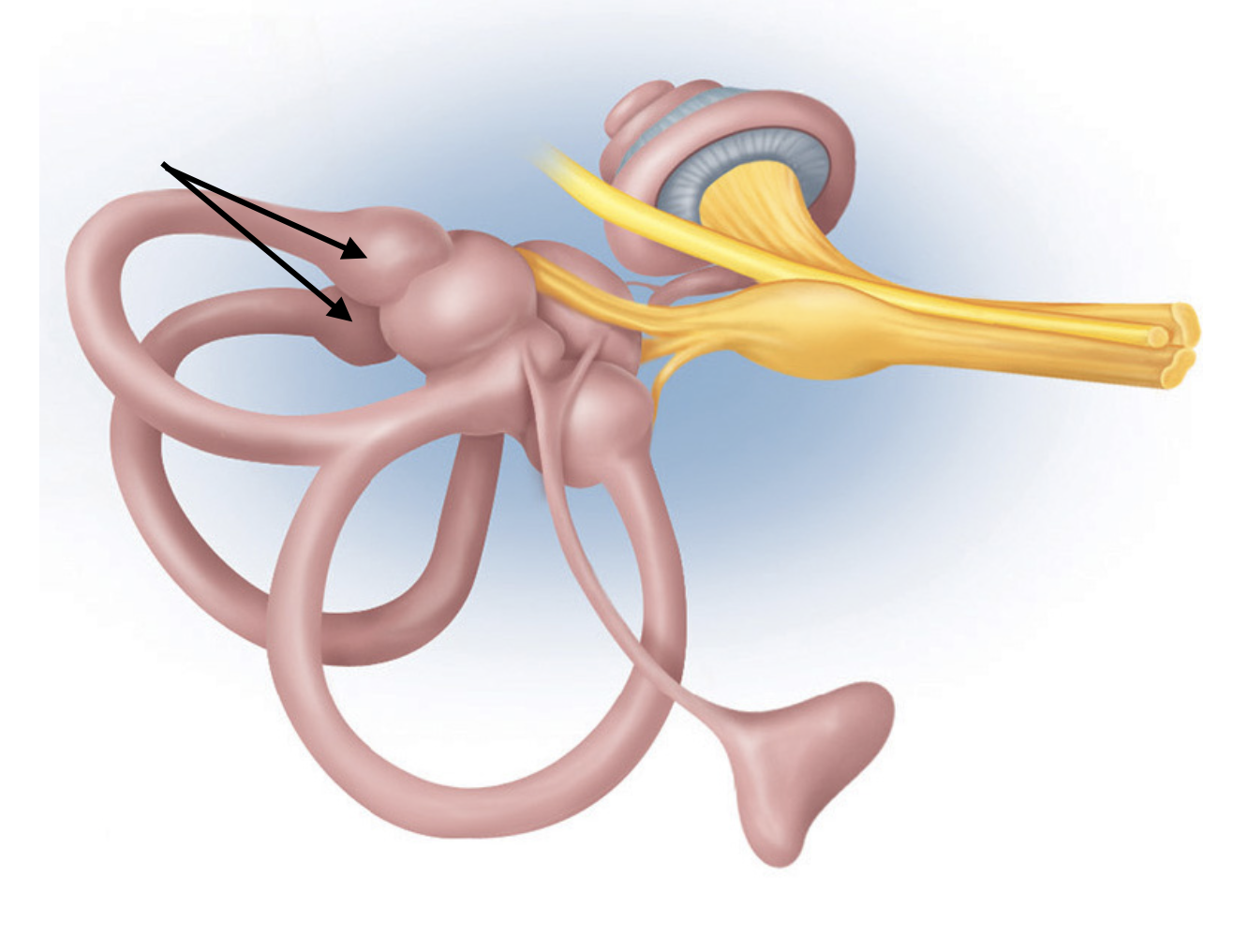
Identify the structure of the membranous labyrinth of the ear.
Ampullae
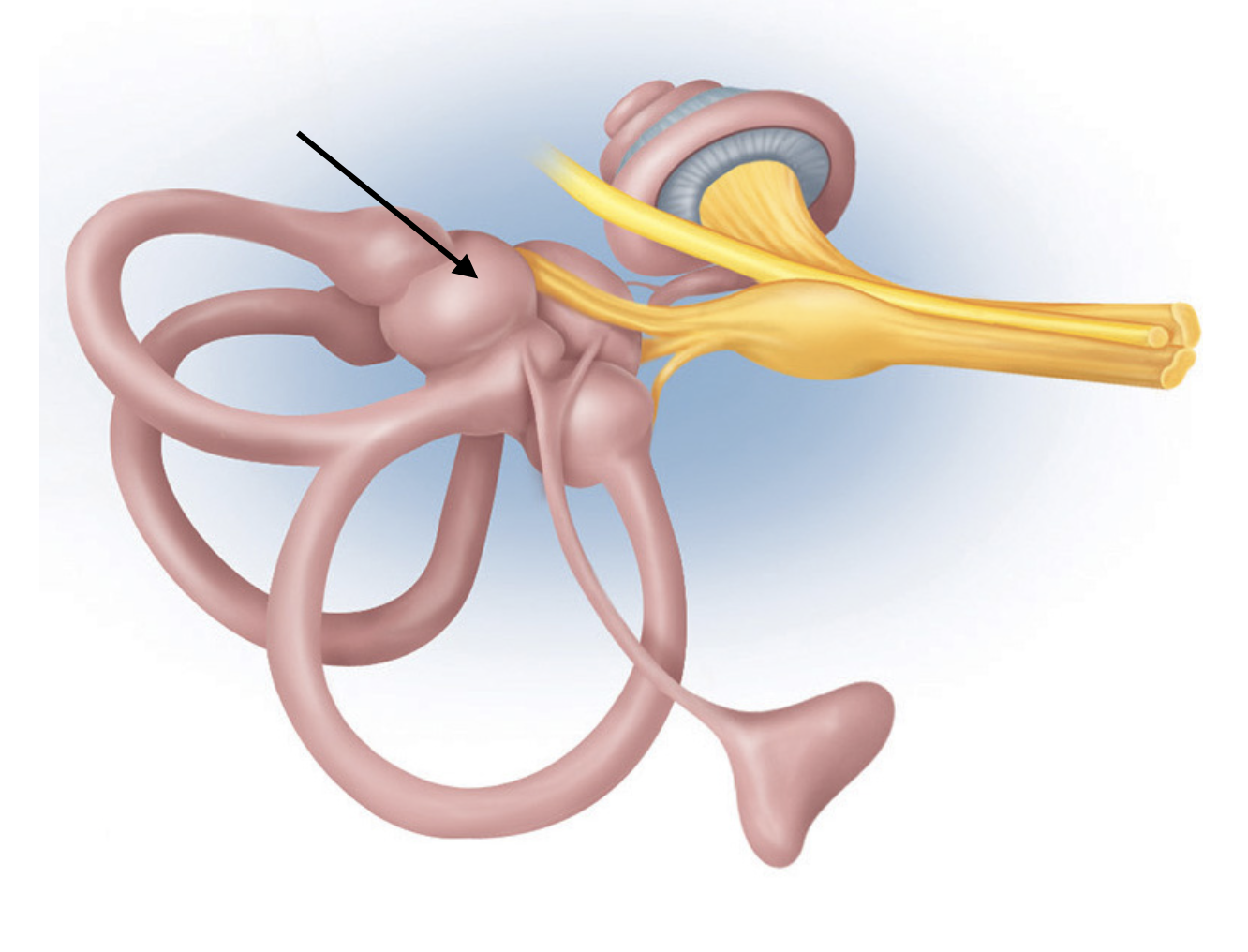
Identify the structure of the membranous labyrinth of the ear.
Utricle
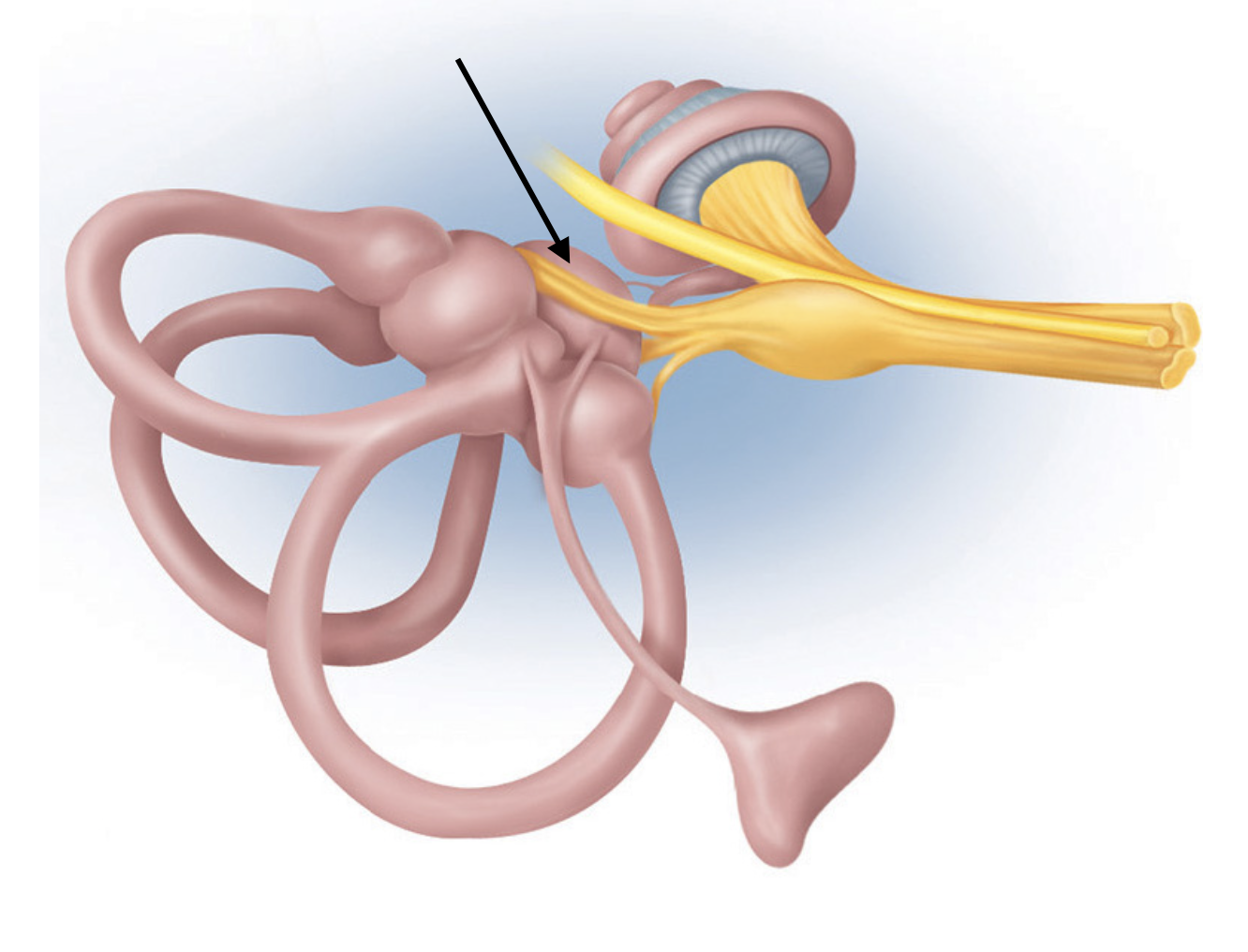
Identify the structure of the membranous labyrinth of the ear.
Saccule
Louder sounds are caused by vibrations with which of the following characteristics?
Larger amplitudes
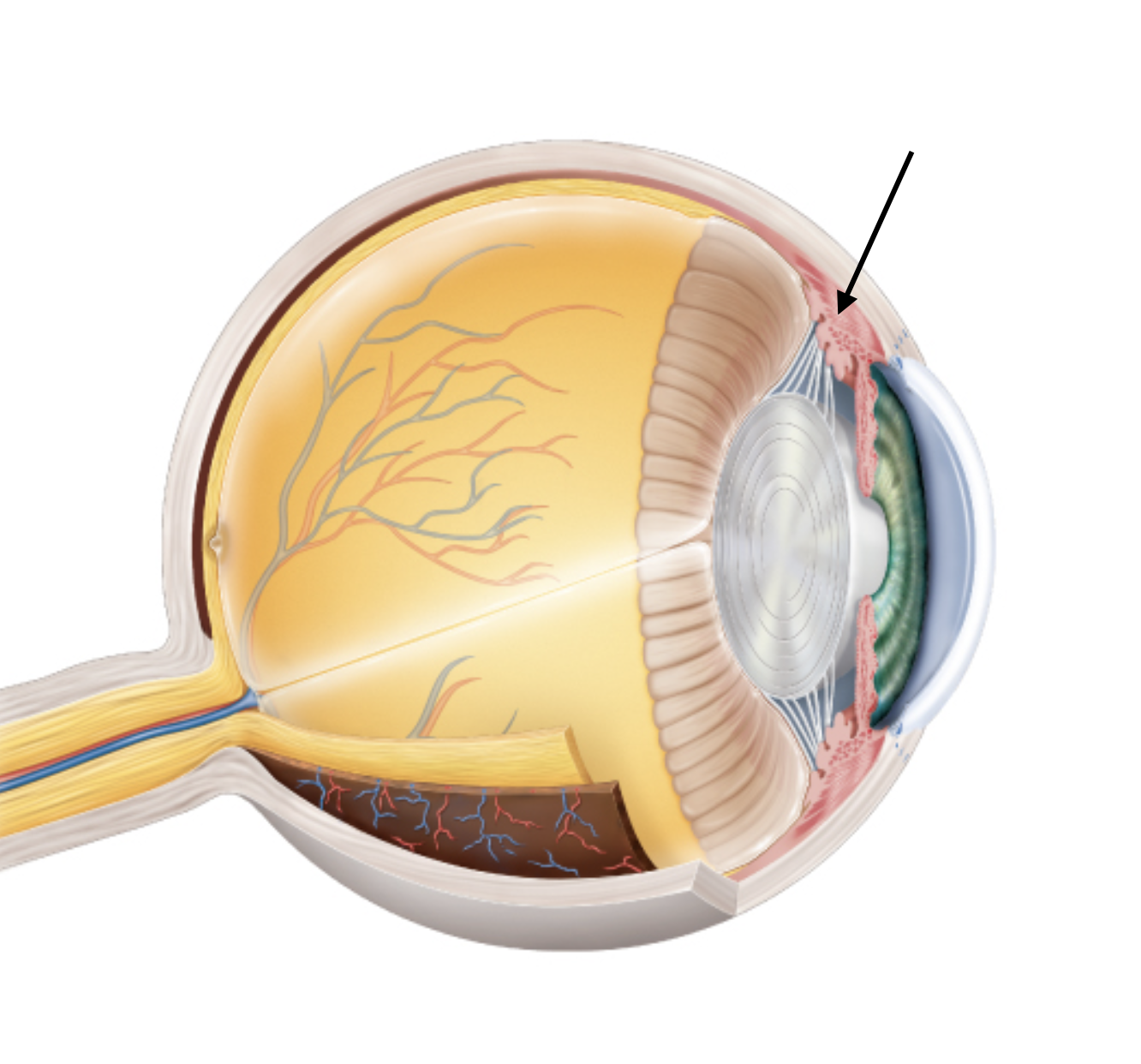
Identify the anatomical feature of the eye.
Ciliary body

Identify the anatomical feature of the eye.
Suspensory ligaments

Identify the anatomical feature of the eye.
Iris

Identify the anatomical feature of the eye.
Cornea

Identify the anatomical feature of the eye.
Pupil

Identify the anatomical feature of the eye.
Lens

Identify the anatomical feature of the eye.
Vitreous body
These are tiny spikes found mostly on the middle of the tongue.
Filiform
These are two parallel ridges on the sides of the tongue.
Foliate
These are mushroom-shaped bumps concentrated at the tip and sides of the tongue.
Fungiform
These are large circular bumps that form a V towards the back of the tongue.
Vallate

Identify the accessory structure of the eye.
Tarsal plate

Identify the accessory structure of the eye.
Tarsal glands

Identify the accessory structure of the eye.
Conjunctiva

Identify the structure of the cochlea.
Scala vestibuli

Identify the structure of the cochlea.
Cochlear duct

Identify the structure of the cochlea.
Spiral organ

Identify the structure of the cochlea.
Scala tympani

Identify the anatomical feature of the olfactory receptors.
Basal cell

Identify the anatomical feature of the olfactory receptors.
Supporting cells
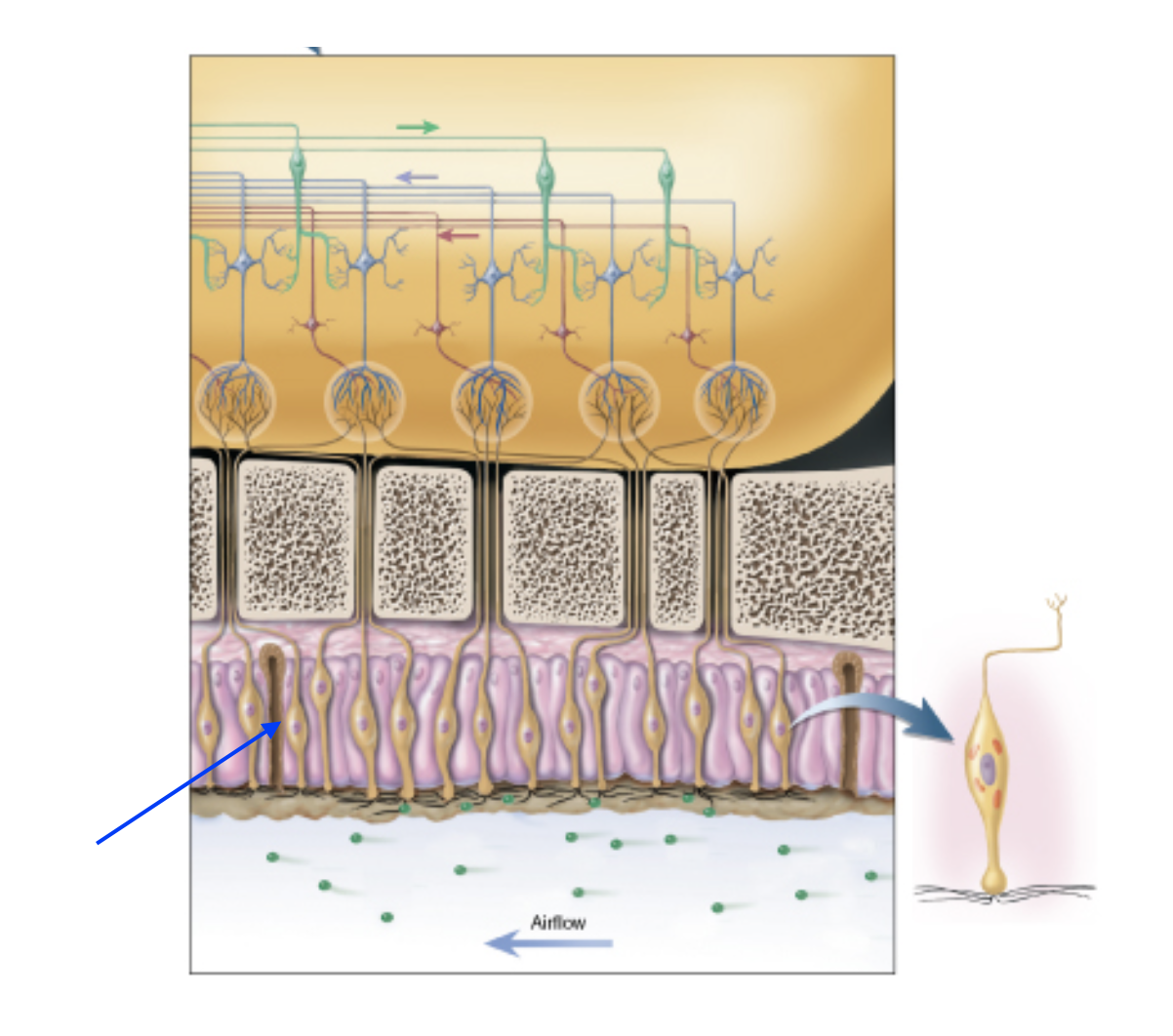
Identify the anatomical feature of the olfactory receptors.
Olfactory gland

Identify the anatomical element of a taste bud.
Basal cell

Identify the anatomical element of a taste bud.
Supporting cell

Identify the anatomical element of a taste bud.
Taste hairs

Identify the anatomical element of a taste bud.
Taste pore

Identify the anatomical feature of the olfactory receptors.
Granule cell

Identify the anatomical feature of the olfactory receptors.
Mitral cell

Identify the anatomical feature of the olfactory receptors.
Tufted cell
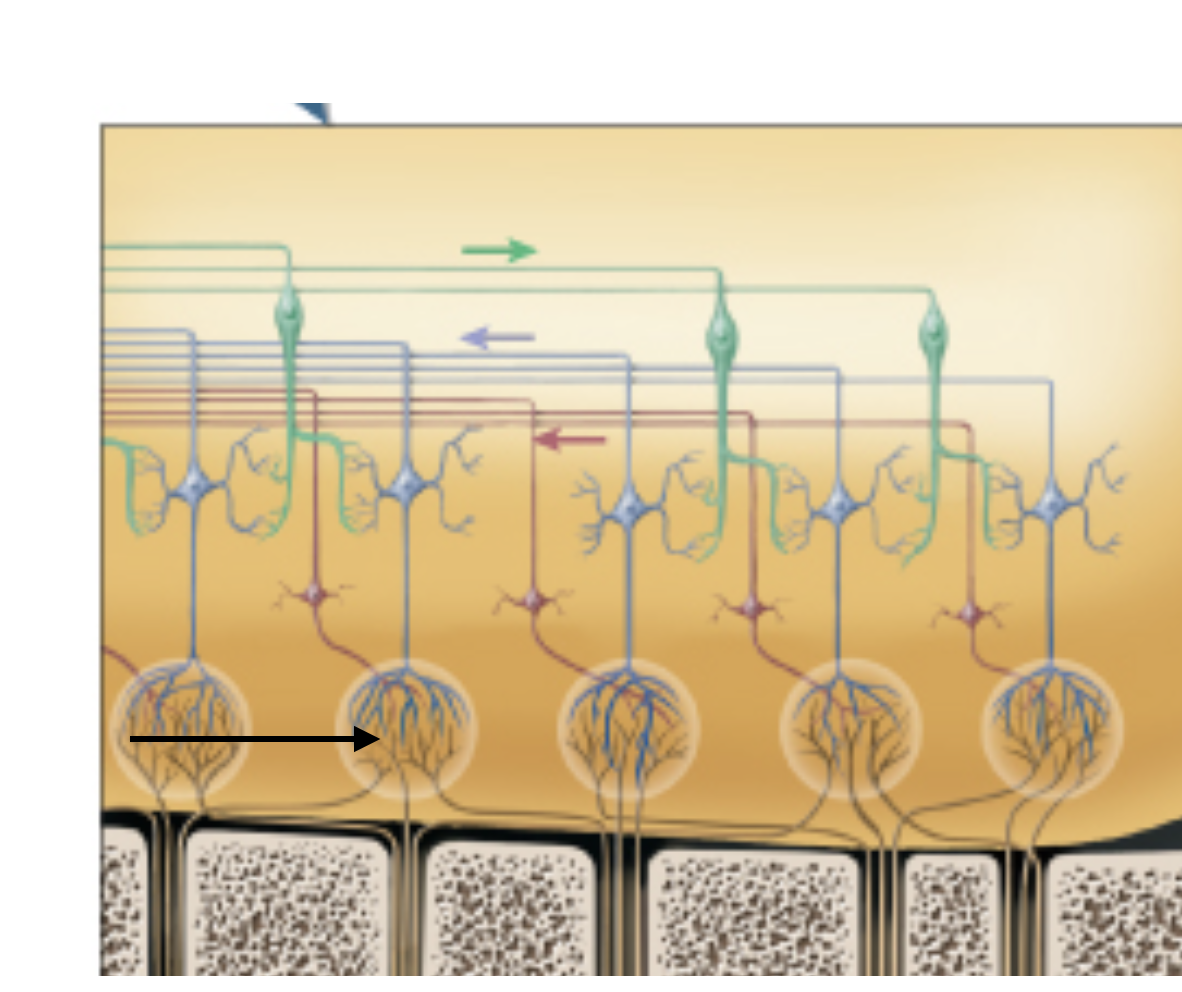
Identify the anatomical feature of the olfactory receptors.
Glomerulus

Identify the anatomical feature of the eye.
Ora serrata

Identify the anatomical feature of the eye.
Sclera

Identify the anatomical feature of the eye.
Choroid
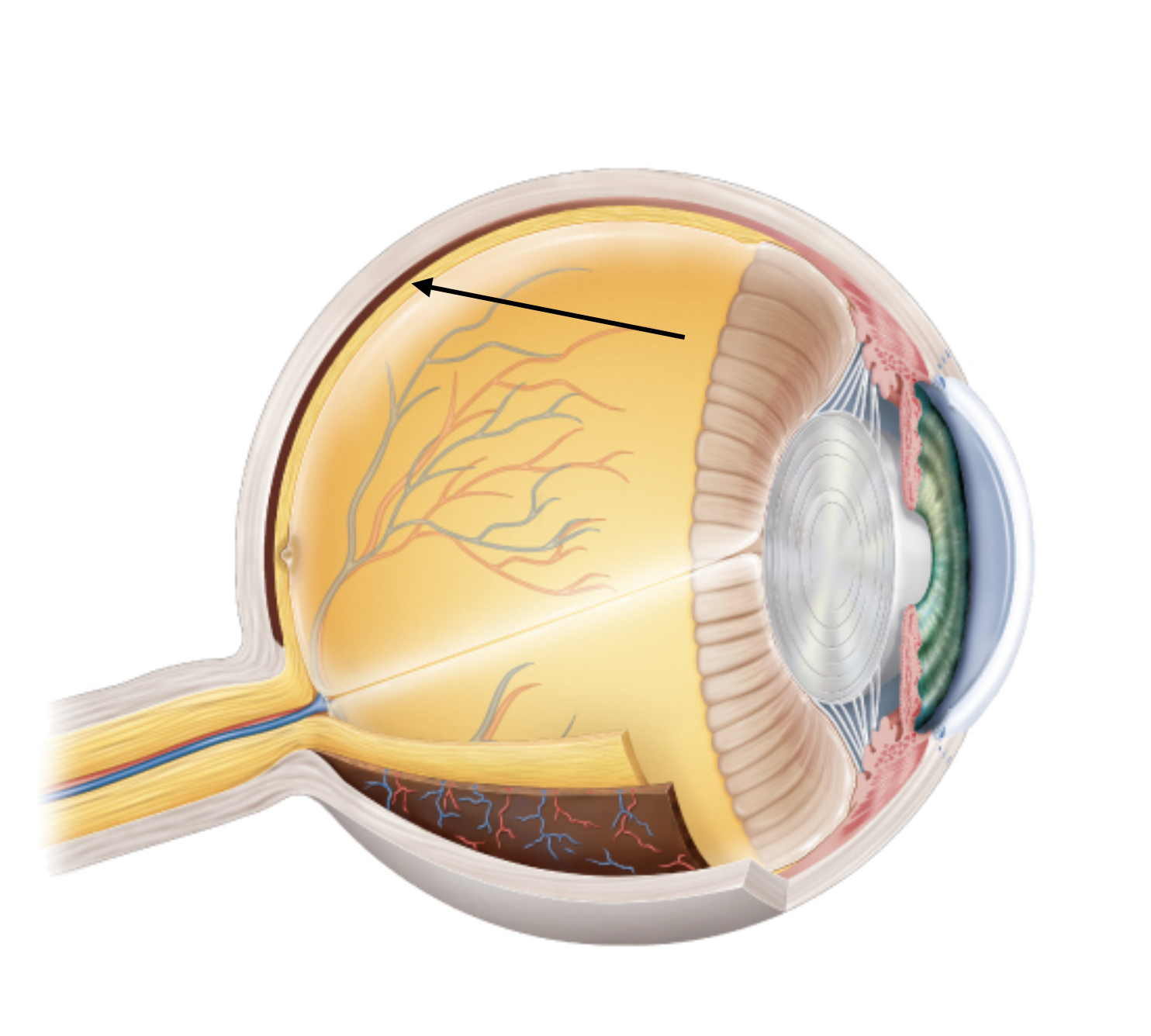
Identify the anatomical feature of the eye.
Retina

Identify the anatomical feature of the eye.
Macula lutea

Identify the anatomical feature of the eye.
Fovea centralis
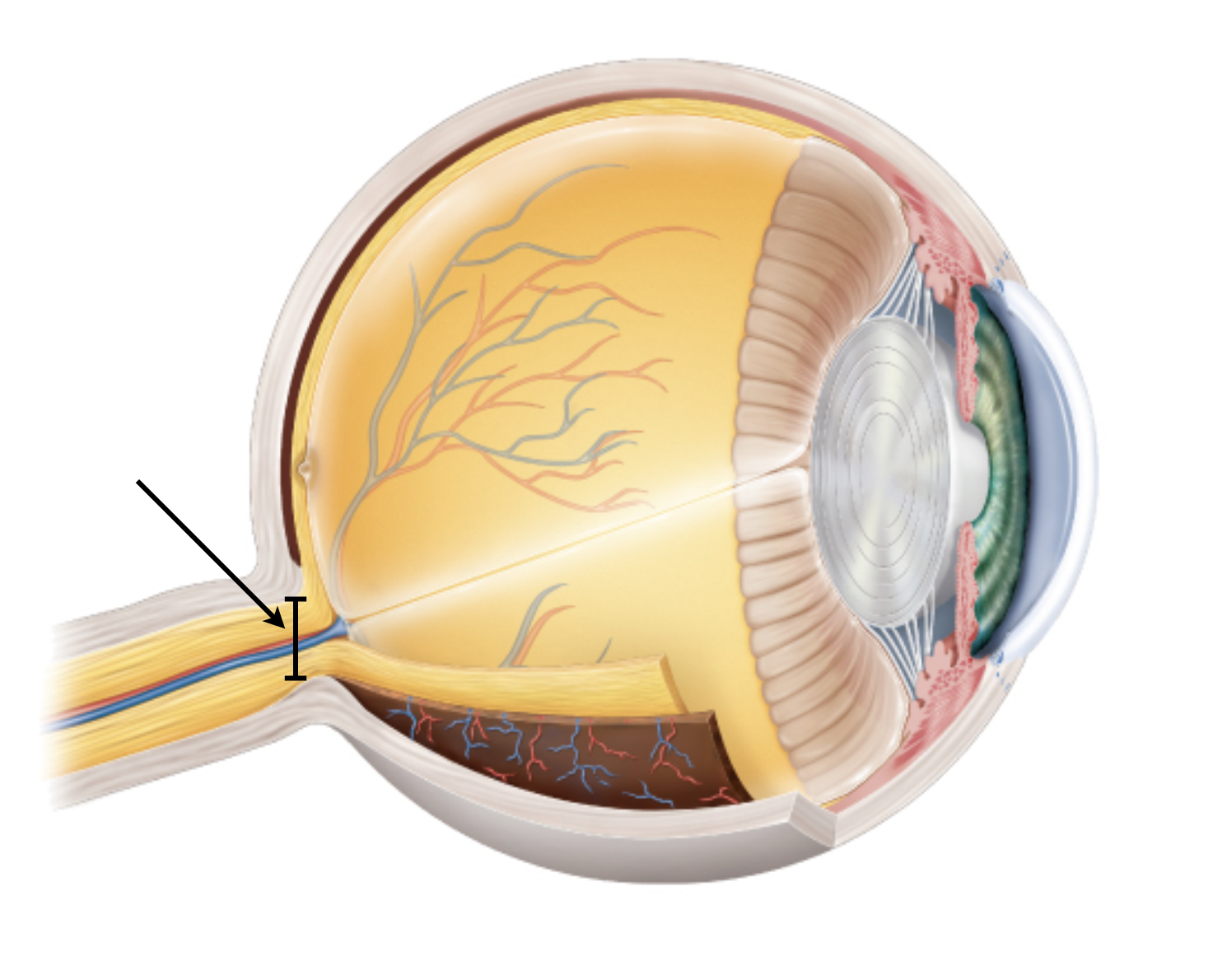
Identify the anatomical feature of the eye.
Optic disc