CS 440
 Call Kai
 Learn
Learn Practice Test
 Spaced Repetition
 Match
Match Flashcards
 Knowt Play
1/14

Earn XP
Description and Tags
UIUC AI class
Name | Mastery | Learn | Test | Matching | Spaced | Call with Kai | Chat |
|---|
No analytics yet
Send a link to your students to track their progress
15 Terms
Julie Lovins
SHRDLU (who/what/when)
Who: Terry Winograd
When: 1971
What: early success of natural language model
Zork transcript
Who:
When: 1980
What: Infocom
4 layers of Natural language processing NLP의 4가지 계층 구조
semantic (meaning, dialog structure) [
Mid-level processing (e.g. part of speech, parsing)
low-level text processing (e.g. forming words, finding morphismes)
speech [lowest level]
3 tasks of natural language and speech processing
convert text/speech into structured information usable by an AI reasoning system (글/말 → 데이터 추출)
generate fluent text/speech from structured information (데이터 → 글/말)
translate directly between two types of text/speech (between two languages, simple types of question answering) (글/말 → 글/말)
when does modern translation fail
uncommon topics
less common language
=> the translation system can’t simply regurgitate(되풀이) memorized chunks of text
A classic test to check translation model
Circular translation:
X → Y 번역
Y → X 다시 번역
이 차이 비교
what is ‘spectrogram’?
a visual picture showing how intensity (energy) changes across frequencies over time
(frequency is the y axis / time is x axis / intensity is visualized by color)
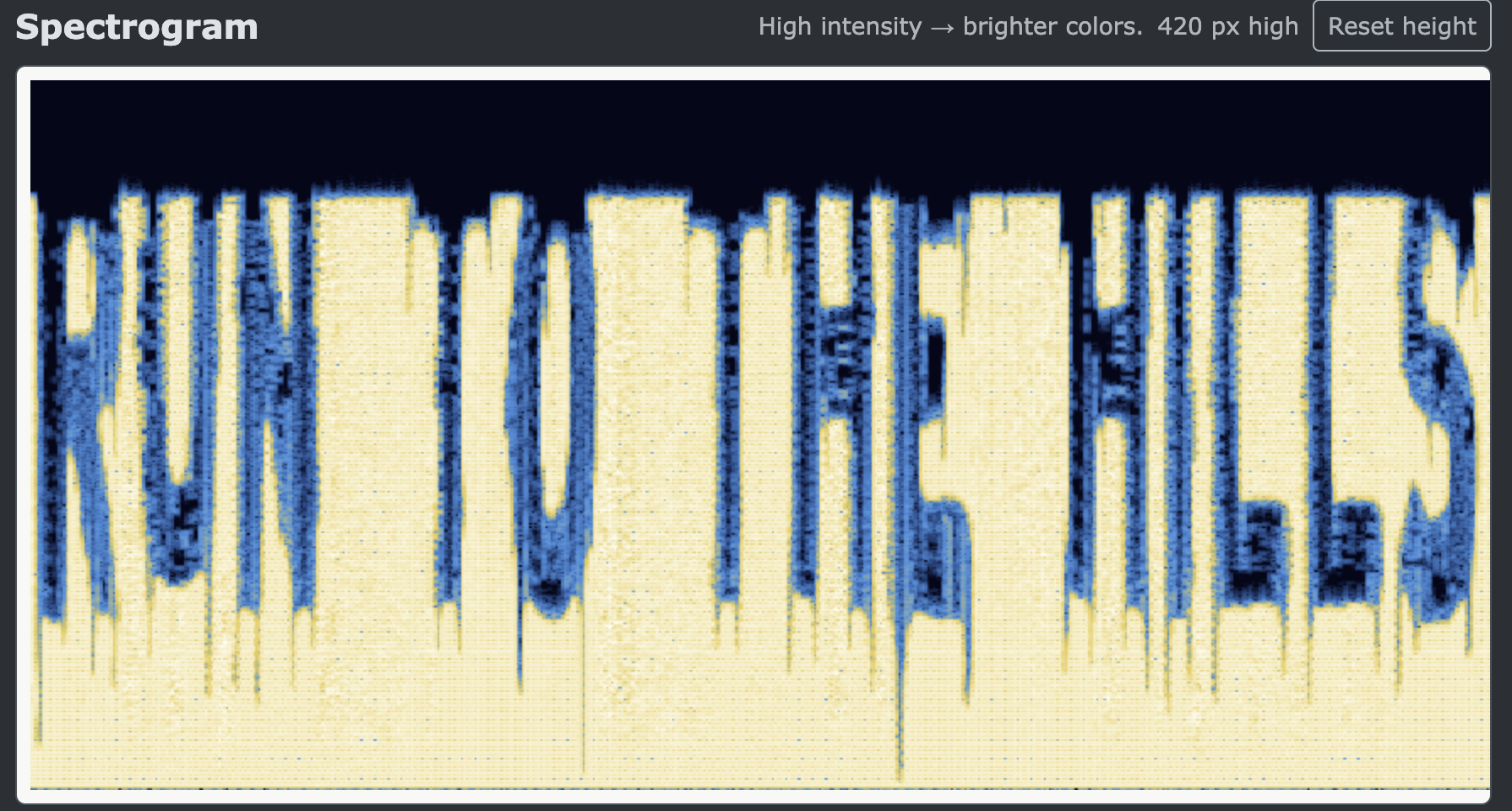
how do we know which vowel or semi-vowel it is based on
deep system vs shallow system
deep system : includes explicit (명시적) semantic (의미) information (정보)
의미까지 알아듣기
shallow system : operates directly on the low-level or mid-level representations, omitting semantics
의미(semantics) 단계까지 깊게 가진 않고, 문장 구조 등 하위/중의 수준의 표현상태 (low/mid-level representation)까지만 처리
example of shallow system
words,
word bigrams,
morphemes,
part of speech tags,
shallow parse
example of deep system
Danger of seeming too fluent and the "uncanny valley"
Markov assumption
Assume that only the last few items matter to the next decision.