Descriptive Writing, Narrative Writing & Literary Devices (AKA Figures of Speech)
 Call Kai
 Learn
 Practice Test
 Spaced Repetition
 Match
 Flashcards
1/75

Earn XP
Description and Tags
TO AIDE YOU IN REVISION FOR END OF TERM
76 Terms
What is descriptive writing?
Writing that creates a clear and vivid picture in the reader's mind.

What is narrative writing?
Writing that tells a story based on real or imagined events.

What is the key difference between narrative and descriptive writing?
Narrative tells a story; descriptive writing helps readers imagine what is happening.

Name the seven basic elements of a narrative.
Characters, setting, plot, conflict, point of view, theme, and style.

What is setting?
The time and place in which a story takes place.

What are sensory details?
Words and phrases appealing to our five senses.

What are your five senses?
sight, sound, smell, taste and touch.

What is imagery?
Descriptive language that helps readers picture or experience something mentally.


What is an adjective; give an advanced example for big or sad?
A word that describes a noun, such as 'gloomy' or 'enormous'.

What is the descriptive writing formula taught in class?
Adjective + Noun + Strong Verb + Sensory Detail.

Give three stronger alternatives for 'loud'.
Deafening, thunderous and booming.

Replace 'the rain was falling' with stronger verbs.
The rain hammered, pelted, drummed or cascaded.

How can a writer show that a character is nervous?
Describe trembling hands, darting eyes, facial expressions or anxious movements.

How can a writer reveal personality without simply telling?
Through a character's actions, speech and behavior.

Name the six stages of plot development.
Exposition, conflict, rising action, climax, falling action and resolution.


What is the climax of a narrative?
The most intense moment or turning point when the main problem is confronted.

What is foreshadowing?
Hints or clues about events that may happen later, encouraging predictions.

What is a flashback?
An interruption of the present story to describe a specific past event, usually triggered by something.

What is backstory?
Background information about a character's life before the main story.

What is a flashforward?
An interruption of present action to show an event that will happen in the future.

How does foreshadowing differ from flashforward?
Foreshadowing gives hints; flashforward actually reveals or shows a future event.

What is a simile?
A comparison between two different things using 'like' or 'as'.

What is a metaphor?
A direct comparison that describes one thing as another without using 'like' or 'as'.

What is personification?
Giving human qualities or actions to non-human things.

What is hyperbole?
An exaggerated statement not meant to be taken literally, used for emphasis or effect.

What is onomatopoeia?
Words that imitate sounds, such as 'buzz', 'crash', and 'bang'.

Why do writers use figures of speech in descriptions?
To create vivid images, emphasize ideas, and make descriptions more engaging.

Identify the device: 'The moon was a silver coin in the sky.'
Metaphor — the moon is directly compared to a silver coin.

Identify the device: 'Her smile shone like the morning sun.'
Simile — 'like' compares her smile to the morning sun.

Identify the device: 'The angry wind screamed through the trees.'
Personification — the wind is given the human action of screaming.

Identify the device: 'I have told you a million times!'
Hyperbole — 'a million times' deliberately exaggerates the number of repetitions.

Identify the device: 'Crash! The glass shattered on the tiles.'
Onomatopoeia — 'Crash!' imitates the sound of breaking glass.

Identify the sense the sensory detail appeals to and device used: 'The stars glittered like scattered diamonds.'
Sight and simile — 'like' compares the stars to diamonds.

Identify the sense the sensory detail appeals to and device used: 'The thunder growled angrily overhead.'
Hearing and personification — thunder is given the animal-like action of growling and human anger.

Identify the sense the sensory detail appeals to and device used: 'Bang! The deafening explosion shook the house.'
Hearing and onomatopoeia — 'Bang!' imitates the explosion's noise.


Identify the sense the sensory detail appeals to and device used: 'The bitter medicine was poison on my tongue.'
Taste and metaphor — the medicine is directly compared to poison.
Identify the sense the sensory detail appeals to and device used: 'The icy wind slapped my cheeks.'
Touch and personification — the wind is given the human action of slapping.

Identify the sense the sensory detail appeals to and device used: 'The stench could knock down an elephant.'
Smell and hyperbole — the odor's strength is deliberately exaggerated.

Identify the device: 'The roses danced gracefully in the breeze.'
Personification — the flowers are described as dancing.

Identify both devices: 'The furious rain marched like an army.'
Personification ('marched') and simile ('like an army').

Identify the senses: 'The golden bread smelled sweet and tasted buttery.'
Sight ('golden'), smell ('smelled sweet'), and taste ('tasted buttery').

Create a descriptive sentence using a simile to describe extreme heat.
Model: The scorching sun burned against my skin like a blazing furnace.

Create a descriptive sentence using personification to describe a storm.
Model: The furious wind screamed through the streets as rain battered the rooftops.

Create a descriptive sentence using a metaphor to describe a noisy classroom.
Model: The classroom was a chaotic jungle of shouting voices and restless students.

Create a descriptive sentence using hyperbole to express fear.
Model: My heart pounded so fiercely that I thought it would burst from my chest.

Create a descriptive sentence using onomatopoeia to describe a busy street.
Model: Honk! Honk! Car horns blared as vehicles crawled through the crowded street.

Create a sentence combining a simile with the sensory detail of sound.
Model: The thunder boomed like an enormous drum above the sleeping village.

Create a sentence combining personification with the sensory detail of touch.
Model: The freezing breeze clawed at my exposed arms as I crossed the deserted road.

Create a sentence combining a metaphor with a sight detail.
Model: The sunset was a golden blanket spread across the distant hills.


Create a sentence combining onomatopoeia and personification.
Model: Crack! The thunder roared furiously as the sky grew dark.
Improve: 'The forest was dark and scary.'
Model: Towering trees swallowed the moonlight as eerie whispers drifted through the shadowy forest.

Improve: 'The girl was beautiful.' Show her appearance.
Model: Her radiant smile brightened her face, while glossy curls framed her sparkling brown eyes.

Improve: 'The boy was extremely cleaned.' Show his appearance.
Model: His meticulously combed hair shimmered like polished mahogany, and his crisp white shirt stood out against the warmth of his sun-kissed skin.

Show that Anna is mean without using the word 'mean'.
Model: Anna glared at Lillith and said, “Is this why your father abandoned you?”

Show that Jason is aggressive through his actions.
Model: Jason grabbed the largest slice of cake and smashed it into Anthony’s face.

Show that Maya is sly through her behavior.
Model: Maya discreetly whispered a plan to sneak out, her eyes dancing with mischief as she glanced around to ensure no one was watching.

Show that Daniel is in love without using 'love'.
Model: Daniel couldn’t help but smile every time he saw her, his heart racing as he offered her his jacket on a chilly evening.

Show that Leah is tired using actions and body language.
Model: Leah yawned frequently, her eyelids heavy as she slumped into the sofa, rubbing her eyes in an attempt to stay awake.

Show that Andre is sad without directly naming the emotion.
Model: Andre stared out the window, his shoulders slumped and a distant look in his eyes, as he absentmindedly traced patterns on the table with his finger.

What is the purpose of exposition in a narrative?
To introduce the main characters, setting, and situation.

What happens during the rising action of a story?
The main problem becomes more serious, and tension increases.
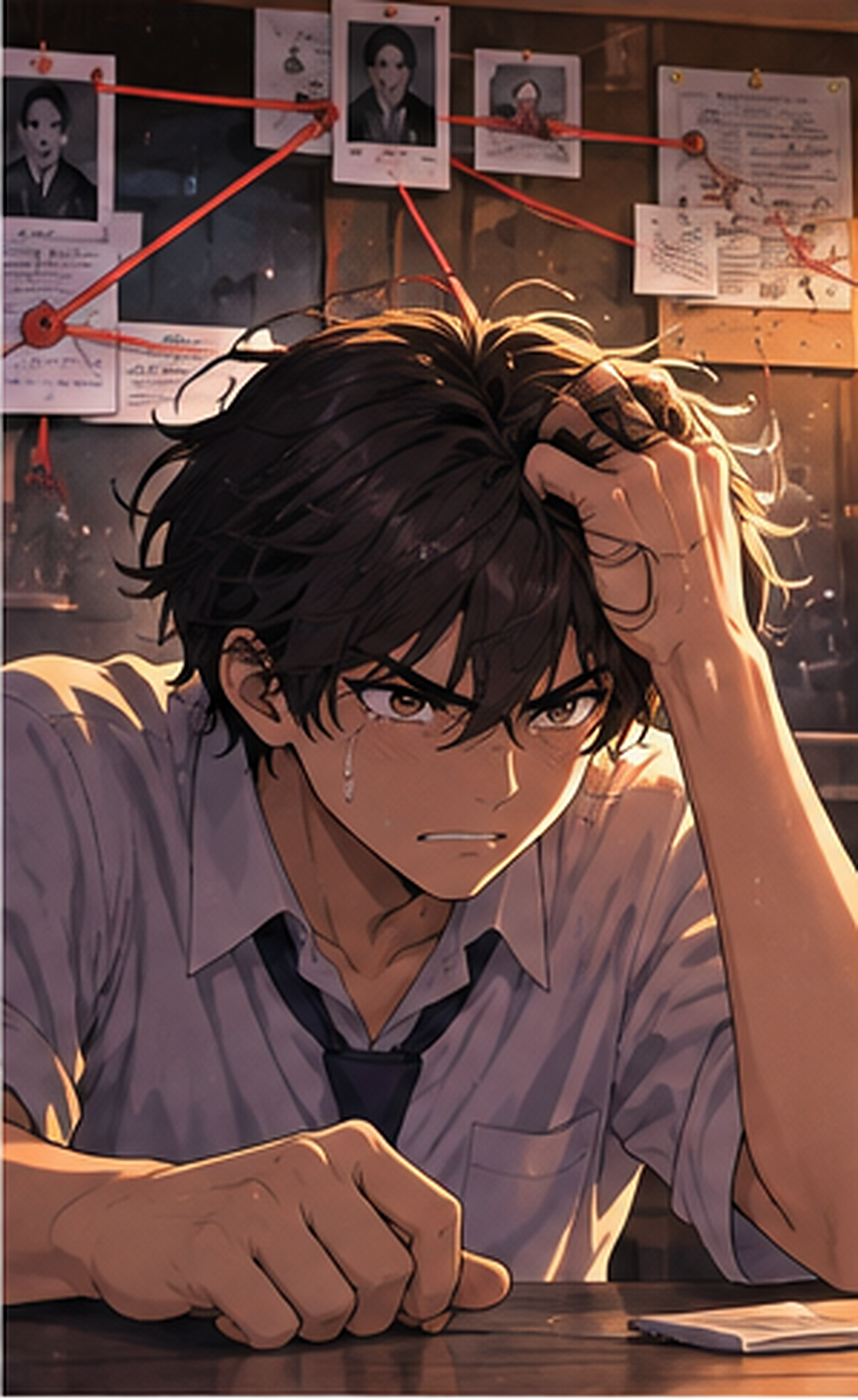
What is falling action?
Events after the climax when tension decreases and the story moves toward its ending.

What is resolution in a narrative?
The ending where the main conflict is resolved or its outcome is revealed.


Kayla has a boyfriend- Ethan- and a best friend- Jasmine. She discovers Ethan holding Jasmine's hand. What is her main conflict?
She discovers her boyfriend's betrayal with her best friend.


Kayla confronts them and Jasmine attacks her. Where in the stage of plot can this be located?
This event occurs during the climax of the story, where the main conflict reaches its peak intensity.


Kayla’s trembling voice could be heard and tears streamed down her cheeks, as she runs away. Identify the strong verb, the sensory details used, and state which part of the stage of plot this can be located.
The strong verb is "runs," sensory details include "trembling voice" and "tears streamed down her cheeks." This can be located in the falling action, where the consequences of the climax unfold.

Create an exposition for a boy who hates his life.
Model: In his small town, Lucas feels trapped in a monotonous routine, burdened by family expectations and the relentless pressures of school. Despite his outer smiles, he secretly yearns for an escape from his unfulfilling life.

Create a conflict for the boy who hates his life.
Model: Lucas discovers that his best friend is moving away, amplifying his feelings of loneliness and despair. This event forces him to plan his escape from his life (he’s going to run away).

Create a climax for the boy who hates his life.
Model: In a moment of desperation, Lucas was caught packing his bag for the runaway. Confronted by his parents, he desperately reveals his feelings of hopelessness and his need for change.
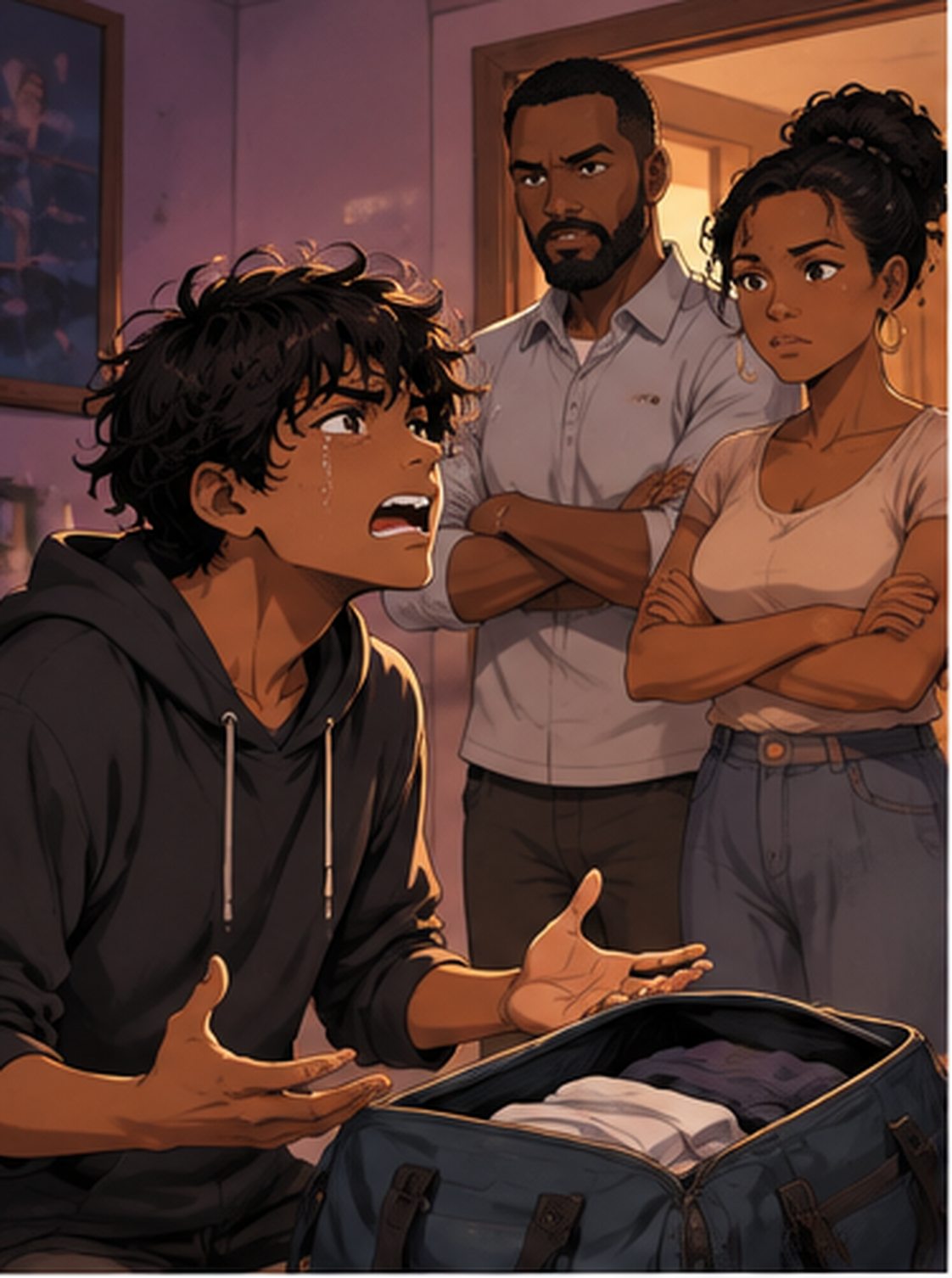
Create a resolution for the boy who hates his life.
Model: After a heartfelt conversation with his parents, they agree to seek help together, and he begins to explore new hobbies and friendships, gradually finding joy and purpose in his life.

Which POV uses 'I', 'me', and 'my'?
The first-person point of view, where the narrator is a character in the story and shares their personal experiences and thoughts directly.
How do third-person limited and omniscient POV differ?
Third-person limited point of view reveals the thoughts and feelings of only one character, while third-person omniscient provides insights into the thoughts and feelings of multiple characters.

Identify the narrative technique: The smell of cookies remind Alexia about her grandmother.
Flashback — the present object triggers a specific memory from the past.

Identify the narrative technique: Elizabeth had twelve boyfriends and each and every last one of them cheated. Now, she hates love more than anyone.
Backstory — it explains her past experiences with romance and relationships before the main story.

Identify the narrative technique: The boy feel as though his girlfriend is smiling too much around his best friend.
Foreshadowing — it subtly hints at potential future where she cheats with the best friend or feelings of jealousy in the relationship.

Identify the narrative technique: The story shows Damion married with four kids in the future while he is currently being asked by his mother what he tends to do about a girl name Elizabeth.
This is an example of a flashforward, which reveals information about future events in a character's life, providing context and anticipation for the narrative.
