mb w 5 (bact infect + pathogenic cocci)
 Call Kai
 Learn
 Practice Test
 Spaced Repetition
 Match
 Flashcards
 Knowt Play
1/13

There's no tags or description
Looks like no tags are added yet.
Name | Mastery | Learn | Test | Matching | Spaced | Call with Kai | Chat |
|---|
No analytics yet
Send a link to your students to track their progress
14 Terms
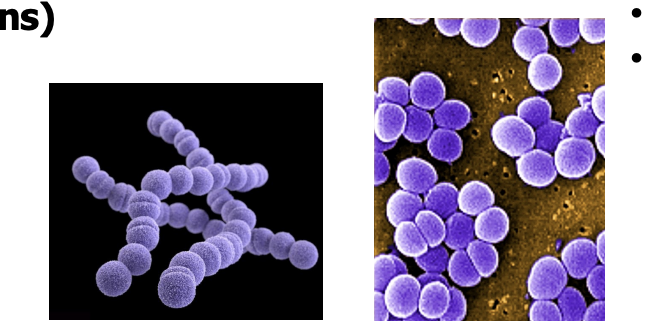
(recap)
gram-pos > purple
usually aerobic (need O2)
its thicker walls are dehydrated by application of decolorizer, pores get smaller
gram-neg > pink
typically anaerobic (no O2)
walls too thin to retain crystal violet-iodine complex
Pathogenic Cocci (gram pos)
Streptococci = easily bent/twist, div along 1 axis
streptos = easily bent/twist
grow in chain/pair
common in oral cav
can be pathogenic (caries/infect)
Staphylococci = bunch of grapes, div in mult planes
grow in clusters
prod toxins
assoc w skin infect + food poison (heat stable toxins)
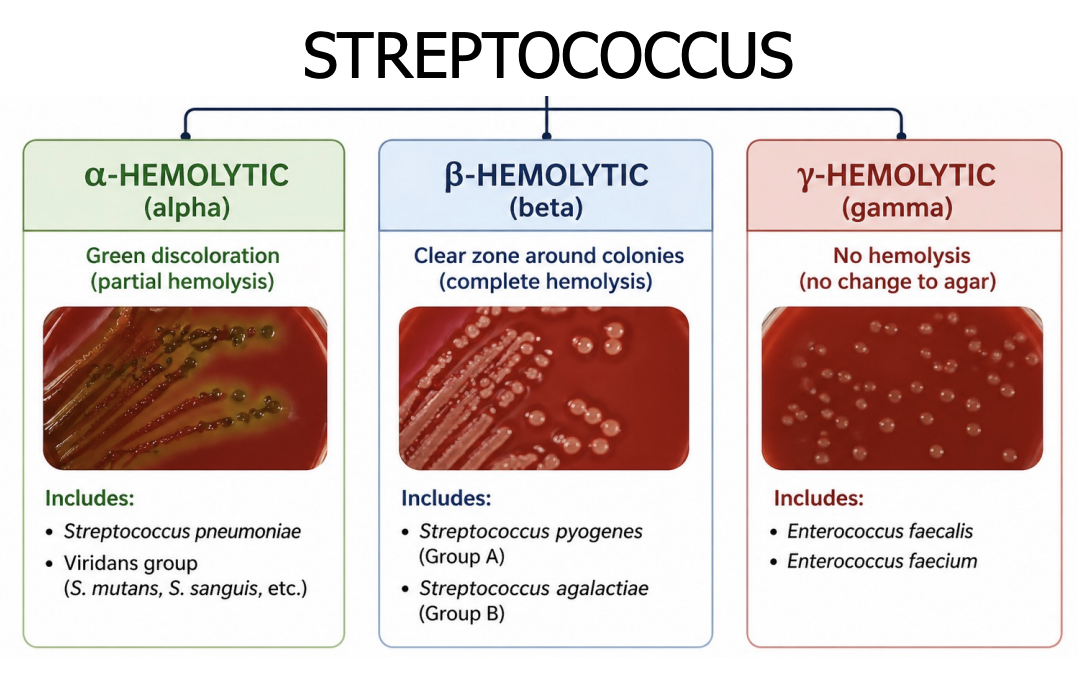
Hemolysis (blood agar) - bact growth medium
for identifying bact based on ability to lyse RBC
important for streptococci classif
caused by hemolysins (toxins)
3 types of hemolysis (based on cell wall antigen)
Alpha (α) = partial breakdown (of rbc)
narrow zone of partial hemolysis
greenish discoloration around colony
ex: pneumonia
Beta (β) (4 types) = complete breakdown
complete hemolysis
clear/translucent zone of complete hemo around colonies
more developed in liquid than solid media
ex: pyogenes
group A = Streptococc pyogenes (GAS)
Common infects
strep throat (pharyngitis)
scarlet fever
necrotizing fascitis
Post-infect complication
rheumatic fever
acute glomerulonephritis
group B = Streptococcus agalactiae (GBS)
Neonatal infects*
meningitis
sepsis
colonize fem reprod tract
screening for GBS 35-37 weeks preg*
intrapartum antibiotics prev transmit when labour
group C
primarily animal pathogens* (rare in human)
group D = Enterococcus*
usually gamma hemolytic (no hemolysis)
common species = enteroccocus faecalis, faecium
clinical relev of group D
opportunistic infects
often antibiotic resist
important in hospital-acquired infects
Gamma (γ) = no breakdown
no hemolysis
ex: nonhaemolytic strept
note that β (complete) & γ (none) for hemolysis
clinical relev
opportunistic infects
often antibiotic resist
important in hospital-acquired infects
review
clear zone, which condition?
A. Dental caries
B. Neonatal meningitis (group B of beta show clear)
C. Infective endocarditis from oral flora
D. Vitamin K production in the gut
which statement best explain why enteroccocus species clinical signif?
A. They produce a green discoloration on blood agar and commonly cause pneumonia
B. They are β-hemolytic organisms responsible for post-streptococcal complications
C. They are γ-hemolytic organisms associated with opportunistic and hospital-acquired infections (enterococcus is group D of beta, assoc w opportunistic & hosp infect)
D. They are primarily animal pathogens with minimal relevance in humans
Student isolates a Streptococcus species that shows green discoloration on blood agar and is part of the normal oral microbiota. Which of the following is the most likely organism?
green = partial hemo = alpha
oral = alpha
A. Streptococcus pyogenes
B. Streptococcus agalactiae
C. Viridans streptococci caries
D. Enterococcus faecalis
Hemolytic Anemia = increased breakdown of RBC
RBC die faster than body can prod them
RBC live 90-120 days
balance between rbc prod (bone marrow) & removal (spleen)
2 types hemolysis
intravascular = within BVs
extravascular = mainly in spleen
what happen in hemolysis?
inc RBC destruct = anemia
inc hemoglobin breakdown = bilirubin
clinical signs
jaundice
dark urine
Streptococcal diseases (S. pyogenes - group A)
direct effects (infects/exotoxins)
scarlet fever (toxin mediated)
strep throat (pharyngitis)
skin infect (impetigo, necrotizing fascitis)
streptococcal toxic shock syndrome
delayed immune-mediated complics
(due to immun resp from initial infect)
rheumatic fever
post-streptococcal glomerulonephritis
compare of bacterial protein toxins
Endotoxins (LPS)
source = outer mem of gram-neg bact (released on cell death (lysis)
chem comp = lipopolysaccharide (LPS) (lipid A = toxic compenent)
effect on host = systemic, nonspecific (fever, inflam, shock)
conversion > toxoid = not possible
lethal dose = large
Exotoxins
source = secrete by gram pos & neg bact
chem comp = protein
effect on host = specif targets (partic cells/tissues)
conversion > toxoid = possible (use in vaccines)
lethal dose = small (highly potent/powerful)
group A = Streptococc pyogenes (GAS) EXAMPLES
scarlet fever = upper resp infection
etiology (cause origin)
group A (GAS) β-hemolytic (complete hemo) Streptococcus
erythrogenic exotoxin-producing strain
transmission
respiratory droplets
direct contact
clinical feature
acute pharyngitis (strepthroat)
red sandpaper rash (start on neck, spread)
orally = erythematous oral mucosa (strawb tongue)


strep throat = streptococcal pharyngitis
PRECEDES
cause
group A β-hemolytic streptococc pyrogenes
transmit (highly contagious)
resp droplets (cough sneeze)
direct contact w infected person
clinical
severe sore throat
fever
tonsillar exudates (PUS)
pharynx inflam
cough absence
delayed immune resp concern
common in children
precede (before) complics (like rheumatic fever)
may spread to
middle ear, sinus, blood stream (bacteremia)
can lead to
rheumatic fever
post-streptococcal glomerulonephritis)
diagnosis + duration
throat swab (rapid antigen test or culture)
duration: ~3–7 days
symptoms improve faster with treatment
treatment
penicillin (firstline/preferred)
some allergic so = cephalexin ect…
reduce symtpoms & prev complics
rheumatic fever= post-streptococcal disease (after strep)
immune-mediated (antibody cross-rxn where antibody can bind to diff antigen w similar culture)
NOT due to active infect
pathogenesis (biological origin)
heart valve inflam (carditis)
subsequentially, abnorm growth of CT > scarring of valve > rheumatic heart disease
clinical
fever, malaise (gen discomfort)
polyarthritis (migrating joint pain)
carditis > valve damage
late effects
breath shortness
enlarged heart, congestive heart fail (CHF)
inc risk of infective endocarditis
dental
damage valve > risk infective endocarditis
prophylactic antibiotic
treatment**
penicillin/amoxicillin to eradicate pyogenes
if allergic > erythromycin
prevent
promptly treat strep throat
epidemiology
common age 5-15 (less as u age)
reccurent attack = cumulative valve damage

glomerulonephritis
antibody-mediated inflam of glomeruli (kidney)
1-3 weeks after streptococcal infect (pharyngitis/skin infect)
pathogenesis
immune complex deposition (complex buildup) > kidney damage
clinical sign
edema (face/eye swell)
hematuria (urine blood)
proteinuria
hypertension
skin infections
common types
folliculitis (follicle infect)
cellulitis (deep dermal infect)
impetigo (superf infect - vesicles, blisters) PHOTO of crusty lesions around mouth common in children
common pathogens
staphylococc aureus
streptococc pygoenes
treatment
dicloxacillin (covers staph & strep)


cellulitis
bact infect of skin & subcutaneous tissue
common cause
group A streptococcus (pyogenes particularly)
staphylococc aureus
occur when bact enter thru broken skin
signs symptoms
redness, swell, warm, tender, pain
can become serious/systemic (bacteremia, sepsis)
necrotizing fasciitis
severe rapid spread infect of fascia + soft tissue
type 1 = polymicrobial (mixed bacteria)
type 2 = monomicrobial - usually pyogenes (group A strep)
common pathogens
strept pyogenes (most important)
staphylococcus aureus
rapid tissue destruct due to…
exotoxins (potent) = ex: streptococ pyrogenic exotocins
ischemia = reduced blood supply
pyrogenes produces superantigens = massive immune resp (cytokine release)
medical emergency immed treat
enter thru break in skin
clinical signs
rapid spread of redness, swell, heat
sever pain
treatment
emergency surgical debridement
antibiotics (penicillin target pyogenes / clindamycin inhib toxin prod)
high mortality rate (despite treat)


viridians streptococcus
alpha-hemolytic bacteria
part of normal flora of oral cav
major cause of subacute infective endocarditis (esp in patients w damaged valves)
can enter blood stream during invasive dental procedure (bacteremia = bact presence in blood)
infect risk depend on…
host factor (immune status)
presence of damaged valves
degree of bacteremia
streptococcus pneumoniae
gram-pos lancet-shaped diplococci
alpha hemolyitic
encapsulated (MAJOR VIRULENCE FACTOR)
key identif
optochin sensitive
bile soluble
quellung rxn pos (test capsule present)
transmission + pathogenisis
spread via respiratory droplets
can be asymptomatic carrier (nasopharynx)
risk
age extremes (old + children)
immunocompromised (HIV, chronic ill)
chronic disease (COPD restricted airflow, alc/smoke
hosp/debilitated ppl
clinical presentation
sudden onset fever/cjhills
chest pain (pleuritic)
productive cough > rust color sputum
may involve 1 lung lobe (lobar pneumonia)
pathophysiology + complics
cause lobar pneumonia (localized inflam)
often follow viral infect (ex: influenza)
can lead to…
meningitis
sepsis
otitis media (ear infect) in children
role of oral flora
oral bact can be aspirated into lungs
risk inc with poor oral hygiene + hosp/nursing patient
prevention
good hygiene
biofilm control
standard precaution
antimicrobial rinse
treatment for pneumoniae
penicillin (impact cell wall integrity)
perform antibiotic susceptibility testing
if restistant > cephalosporins, macrolides, fluoroquinolones
vaccine!
further prev (vaccine)
pneumococcal vaccine = targets substative polysacc capsule
recc adults 65+
high risk = ppl w chronic disease/immunocompromised
review
Which patient is at highest risk for severe infection with Streptococcus pneumoniae?
A. Healthy 25-year-old with no medical history
B. 30-year-old with mild gingivitis
C. 70-year-old with chronic lung disease (chronic disease copd + 65+)
D. 18-year-old athlete
Why are immunocompromised individuals more susceptible to severe Streptococcus pneumoniae infections?
A. The bacteria only infects damaged heart valves
B. They produce excessive inflammatory responses
C. Their immune system is less able to clear encapsulated bacteria
D. The bacteria becomes resistant only in these patients
A sputum culture from a patient with pneumonia grows alpha-hemolytic colonies. The organism is optochin sensitive and bile soluble. Which feature is most critical for its ability to cause disease? (wont ask smt like this)
A. Production of endotoxin (LPS)
B. Presence of a polysaccharide capsule (virulence factor)
C. Ability to form spores
D. Production of superantigens
group B = Staphylococcus aureus) EXAMPLES
gram-pos cocci in clusters
beta hemolytic (complete breakdown rbc)
common opportunistic pathogen
can cause…
skin infect
pneumonia (esp severe case)
^rare cause of pneumonia in healthy adult
more common in
hosp patients
post-viral infect (influenza)
young children (under 2)
risk factor & pathogenesis = opportunistic patients with…
surgery, burns, invasive procedure
immunocomp state
antibiotic therapy
hospital environment = major resevoir
often involve multidrug-resistant strains (MRSA)
infect may follow
colonization (can persist for months)
cean lead to abscess form + sever inflam/rapid progression
treatment & clinical notes
methicillin historically used
MRSA strains > vancomycin (or other alts)
can also cause infective endocarditis
(note viridans streptococ is most common cause of endocarditis, not so much aureus in gen dental context
^wont test deeply
importance of carriers
they transmit pathogens w/o symptoms
inc risk for immunocompromised
common orgs = streptococc pyogenes + staphylococc aureus
ex: typhoid mary (spread thru stool fecal-oral transmit)
infective endocarditis
inflam of endocardium of valves (sometimes around congenital defects from infect)
usually bacterial (ex: viridans stretococc, s. aureus)
rarely fungal
***
carrier = harbour pathogen w/o symptom
bacteremia = bact in blood stream
transient bacteremia = short-term presence (temp after procedure)
septicemia = systemic infect of blood stream
bacteremia = dental procedures can cause
examples
scale/floss, extraction, perio procedure, endodontic treat
risk in
immunocomp ppl
ppl w heart valve disease
predisposing conds (valve prostheses, septal defect, atheroma of valve, ect…)
can lead to
infective endocarditis (in suscept patients)

endocarditis
infective endocarditis (IE) = broad
any infect of endocardium/valves
causes = bacteria (common) fungi (rare)
bacterial endocarditis = subset of IE
ONLY caused by BACT
inflam of endocard tissue
life threatening
treatment = bactericidal (not static), parenterally delivered (inject/infuse), prolonged up to 4 weeks
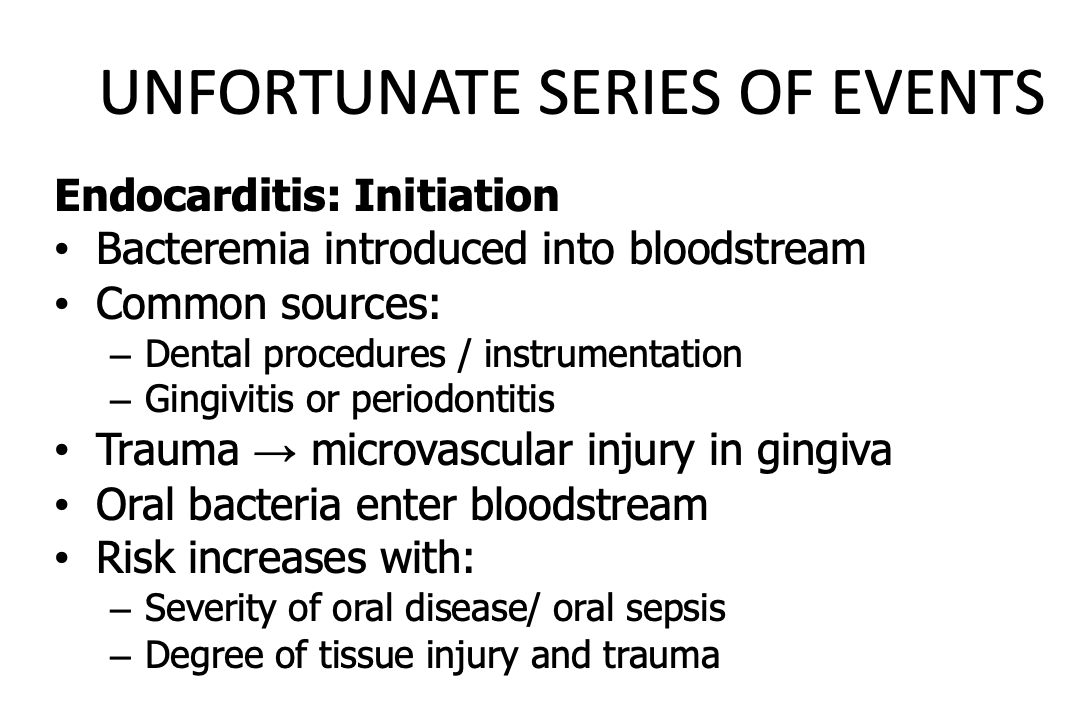
pathogenesis
req bacteremia (bact in stream)
occur when organisms attach to damaged endocardium
bacteremia may arise from
dental procedure
spont entry from oral flora
infections (UTI, pneumonia, skin infect)
higher risk in
structural heart defects
prosthetic valves
immunocomps
endothelial tissue
normal endocard = smooth simple squamous epith
damaged to it = turbulent flow, defects, prosth valves
exposes underlying tissue
lead to platelet + fibrin deposition
create surface for bacterial adherance > vegetation formation
abnormal tissue = simple squamous forms epithelial ridges/extension as the tissue break down > allow adhere of bact clusters
symptoms of endocarditis
fever
malaise
weight loss
anemia
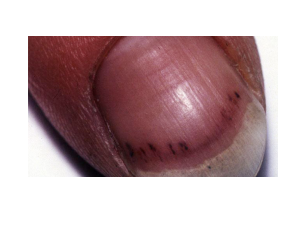
splinter haemorrhages
types of endocarditis
acute bacterial endocarditis (ABE)
rapid onset (severe)
usually high virulent orgs
common = staphylococc aureus
subacute bacterial endocarditis (SBE)
gradual onset (week>months)
less virulent
common = viridans streptococc
often follow transient bacteremia
typically affect abnormal valves
moreso read?

antibiotic before cleaning

prevention of infective endocarditis = as DH
identidy high-risk patient (med hist + consult their physician)
confirm need for antibiotic prophylaxis (if indic)
primary prev = oral health
maintain optimal hygiene, remove biofilm at home
important clarif
antibiotics not given routinely (only high risk patients undergoing invasive procedure
if have prosthetic valve
previous infective endocarditis
CHD = congenital heart disease
infective endocarditis prophylaxis******
30-60 min before procedure
for standard (able to take oral med)
AMOXICILLIN
adult = 2g PO (mouth)
children = 50mg/kg PO
calculate dosage
ex: 45 yo need antibiotic prophy and can take oral med; correct dose of amoxycillin
2g PO
ex: child weight 20kg need oral amoxicillin
50mg/kg = 20 × 100 = 2,000
2,000 ÷ 2 = 1,000
ex: if 50 kg, 50×50 = 2500
ex if 30 kg, 50×30 = 1500
ex if 35kg, 35×50 = 1750

review
Which of the following best describes infective endocarditis (IE)?
A. Inflammation of the myocardium caused only by bacteria
B. Infection of the endocardium or heart valves caused by microorganisms
C. Autoimmune inflammation of heart valves following infection
D. Infection limited to the pericardial sac
Which organism(s) is/re most commonly associated with subacute bacterial endocarditis (SBE) following dental procedures?
A. Staphylococcus aureus
B. Group A Streptococcus
C. Viridans streptococci
D. Escherichia coli
Which patient requires antibiotic prophylaxis before dental procedures?
A. Patient with controlled hypertension
B. Patient with mitral valve prolapse without regurgitation
C. Patient with previous infective endocarditis
D. Patient with a pacemaker
What is the initial event that allows infective endocarditis to develop?
A. Viral infection of the myocardium
B. Formation of emboli in the lungs
C. Bacteremia with microorganisms entering the bloodstream
D. Autoimmune destruction of heart valves
Autoimmune destruction of heart valves Which dental procedure is most likely to cause bacteremia?
A. Taking dental radiographs
B. Applying topical fluoride
C. Scaling and root planing with bleeding
D. Oral hygiene instruction
A 62-year-old patient presents for a professional cleaning. Their medical history reveals: • Previous infective endocarditis • No known drug allergies • Able to take oral medications What is the most appropriate prophylactic antibiotic regimen?
A. No antibiotic needed; proceed with treatment
B. Amoxicillin 500 mg orally 1 hour before procedure
C. Amoxicillin 2 g orally 30–60 minutes before procedure
D. Azithromycin 500 mg orally after the procedure