part two needed slides for exam tmr
 Call Kai
 Learn
Learn Practice Test
 Spaced Repetition
 Match
Match Flashcards
 Knowt Play
1/48

Earn XP
Description and Tags
47-87 and 0-21
Name | Mastery | Learn | Test | Matching | Spaced | Call with Kai | Chat |
|---|
No analytics yet
Send a link to your students to track their progress
49 Terms
tight cell junctions
things cant pass, protects skin, zip lock

desmosomes
proteins that form a patch/button attachment of cells to allow solutes to pass through

hemidesomes
half desmosome attach epithelial cells to basement membrane

gap junctions
a pore called connexon that joins with the connexon of another cell

serous secretion
thin, watery fluid

mucous secretion
thick stringy

cytogenic secretion
balls and ovaries

merocrine
cells of gland release substance via exocytosis

holocrine
cells of the gland release a substance and then rupture and release into ducts

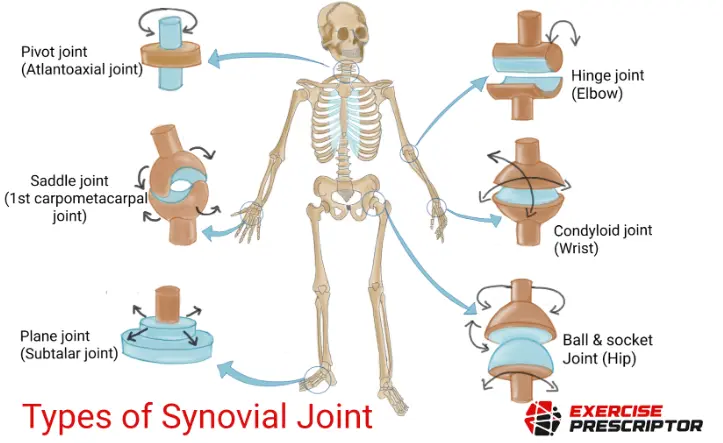
synovial membrane
fluid of joints
jaundice
yellow skin due to build up of bilirubin

merkle cells
touch- axon

dendritic cells
immune skin cells
cereminous glands
outer ear canal, cerumen ear wax
malignant melanoma
cancer of melanocytes, lethal, super sunburns and fair skin

basal cell carcinoma
cancer of cuboidal cells of the stratum basale (most common, rarely metastasizes)

squamous cell carcinoma
squamous cells in stratum spinosum, red and scaley, if its from the sun, its chill

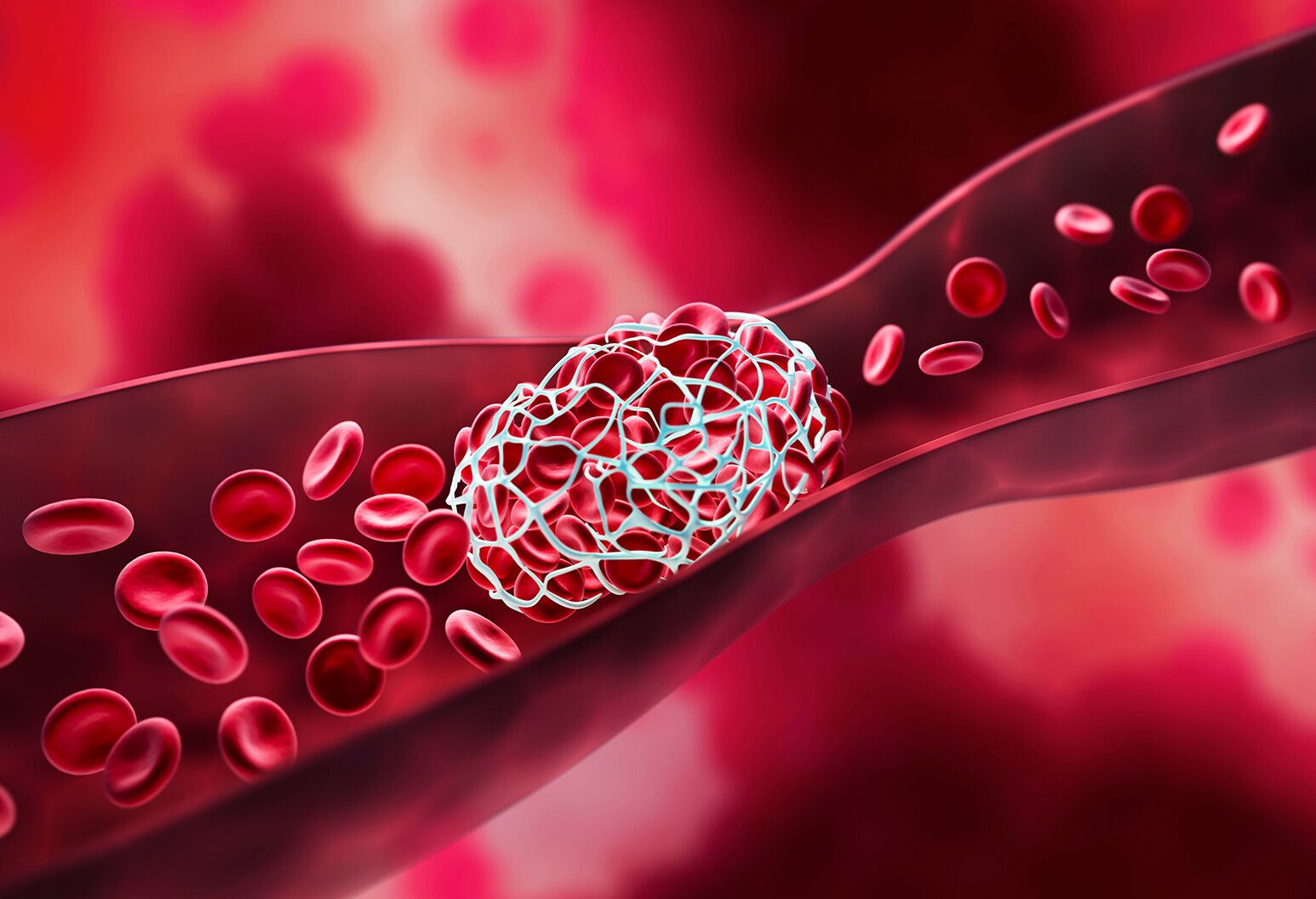
FIBRIN
polymerized protine clot
sphincter muscles
openings
endomysium
areolar CT that surrounds each muscle fiber, thin

fascicles
bundles of muscle fibers

perimysium
thick CT that surrounds each fascicle

epimysium
thick CT that surrounds entire muscle

fascia
CT that surrounds and separates muscles from stuff

direct attachment to bones some face
CT surrounding muscle (epi) fuses directly with bone

indirect muscle attachment
epimysium and deep fascia transitions into a tendon and then inserts into the periosteum of a bone
aponeurosis
broad, sheet-ike tendon that fuses muscle to bone (abs)

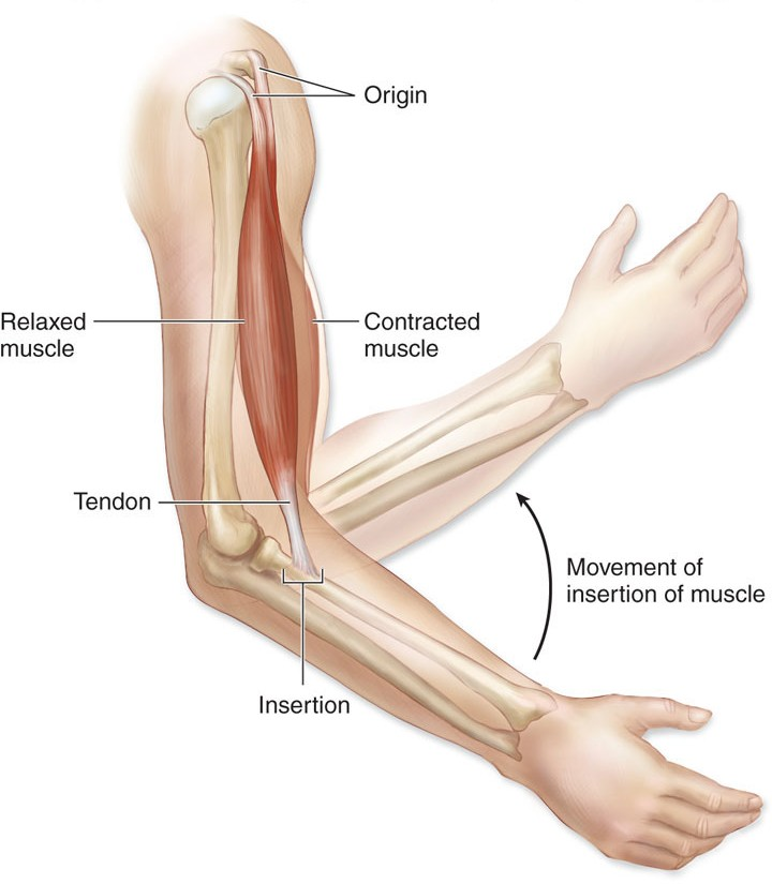
origin
stationary(when muscle contracts) attachment point

insertion
the movable attachment point of a muscle to a bone

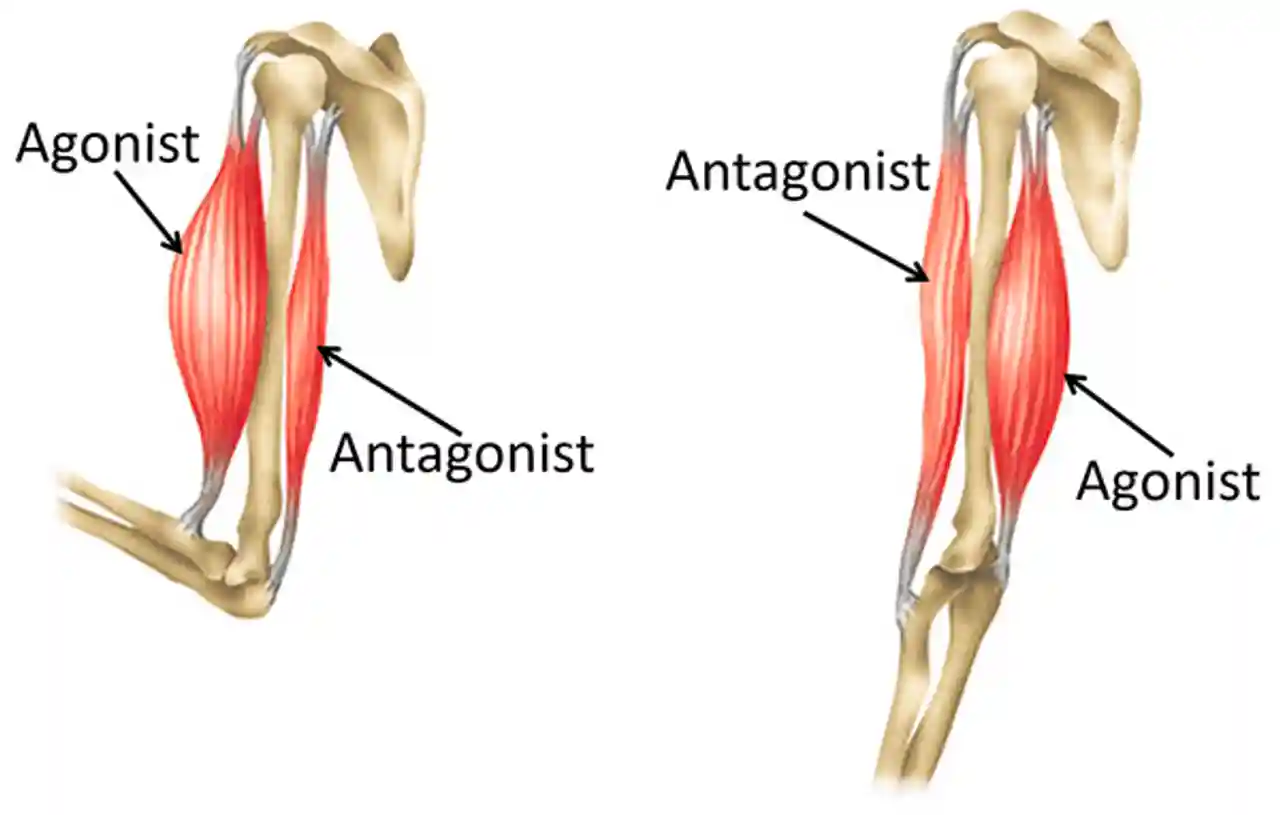
agonist
procuces the most force in a movement
synergist
aids the agonist

antagonist
creates movement in a joint that is opposite direction of the agonist

fixator
prevents movement of a bone

myoblasts
several nuclei, fetus, satellite cells in adults

sarcolemma
plasma membrane

sarcoplasm
cytoplasm

sarcoplasmic reticulum
endoplasmic reticulum (nett)

myofilaments
elastic filaments

myofilaments >
myofibrils >muscle fibers> muscle tissue
transverse tubules
nerve impulse and triad

Thick Myofilaments
protein molecules called MYOSIN, heads

Thin Myofilaments
long winding strands of the protein ACTIN, covered by TROPOMYOSIN and TROPONIN

elastic myofilaments
Titin anchor

Tropomyosin and troponin
regulatory
dystrophin
anchors actin filaments to the endomysium
Z-disk
sarcomere gets short and contraction happens

light band
i band
dark band
a band
h band
middle of a band