L&D: exam 3 content (for final)
 Call Kai
 Learn
 Practice Test
 Spaced Repetition
 Match
 Flashcards
 Knowt Play
1/62

Earn XP
Description and Tags
postpartum
63 Terms

why may a mom experience headaches after giving birth?
spinal headache → occurs due to CSF leak (epidural complication)
postpartum preeclampsia

once the placenta leaves the uterus, many hormonal changes occur. what are these changes? (5)
what is most important?
decreased estrogen and progesterone → most important
increased prolactin → stimulates milk production
decreased HCG
oxytocin increases → milk ejection
insulin normalizes within 2-3 days
T or F: the blood volume shunted to the uterus during pregnancy returns to mom’s circulation after birth, increasing stroke volume and HR = increased cardiac output
true
T or F: blood volume rapidly declines postpartum
true
why? blood loss from birth, body revokes extra blood volume now that baby is out

anything over ________ mL of blood loss is considered postpartum hemorrhage
1000
T or F: wait until mom has reached over 1000 mL of blood loss to initiate interventions for hemorrhage
FALSE
the nurse should recognize trends in blood loss. if they suspect that mom is losing too much blood, they need to intervene immediately. do NOT wait until they have “officially” hemorrhaged
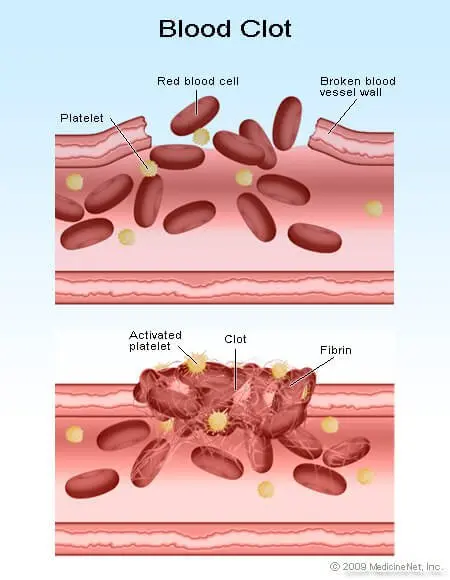
why do clotting factors and WBC count remain elevated after birth?
increased clotting factors prevent hemorrhage
increased WBC prevent infection

knowing that clotting factors remain elevated after birth, what is mom still at risk for?
clot formation → DVTS, PEs, strokes, etc…
T or F: moms can develop hemorrhoids during pregnancy/after birth
true
why? → often develop during pregnancy due to pelvic compression from a growing uterus
why may temporary urinary/fecal incontinence occur postpartum?
stretching, weakening, or injury to the pelvic floor muscles, nerves, and sphincters during childbirth. not to mention, moms may still feel numb from the epidural — and especially the spinal injection — after birth.
most common in moms who tore during birth!
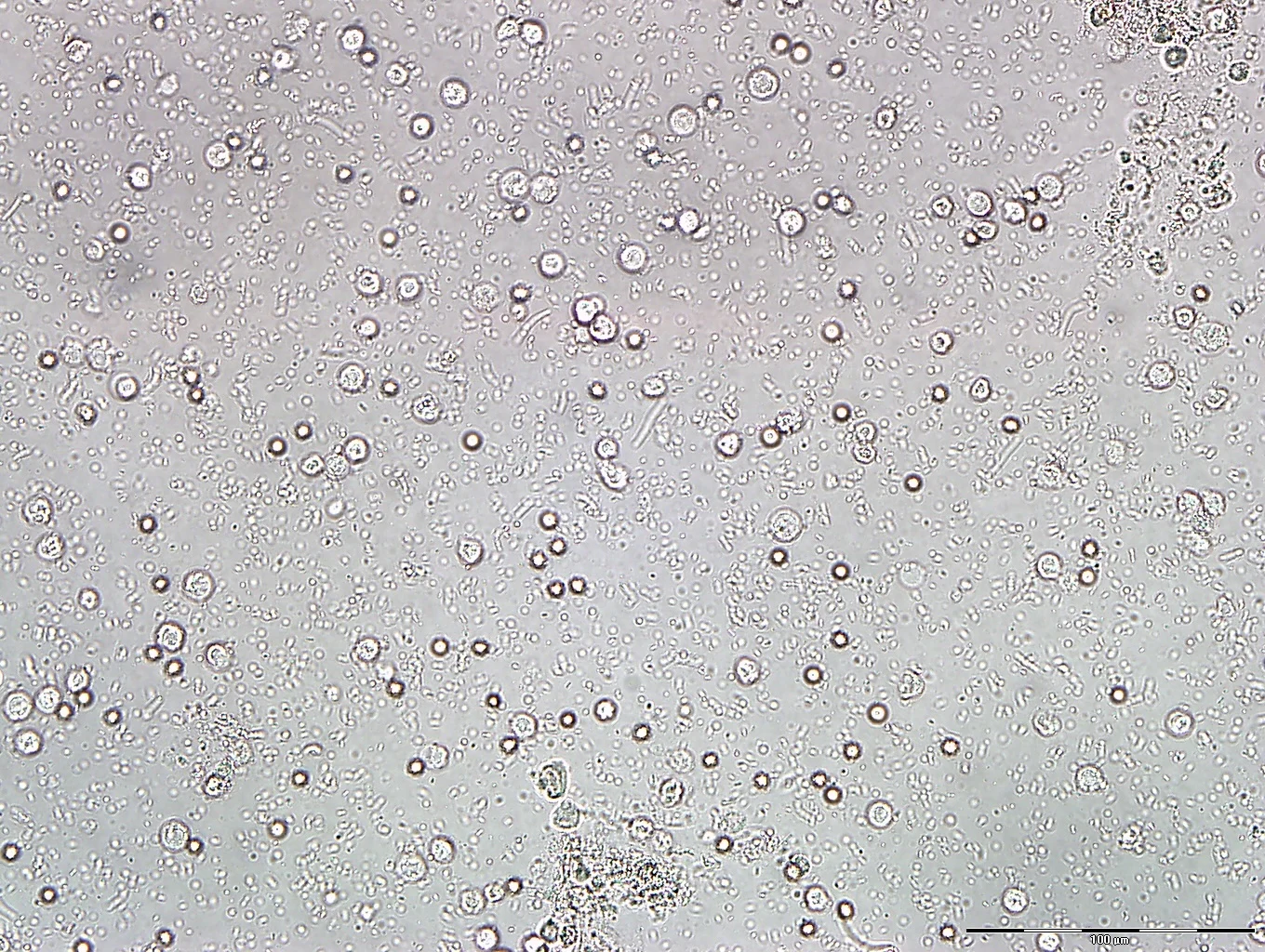
____________ can last up to six weeks postpartum, due to remnants of uterine waste being broken down by the kidneys
proteinuria
why does diuresis occur (increased peeing and sweating) after birth?
the body is eliminating the massive volume of extra fluid (i.e. blood volume, edema) retained during pregnancy through urination
the drop in estrogen and progesterone after birth signal for this to occur (these hormones increase water retention in pregnancy)

how long should it take for mom to void for the FIRST time after birth?
less than six hours
if mom cannot void, you need to straight cath. a distended bladder prevents the uterus from contracting effectively

uterine involution
the normal process in which the uterus contracts and sheds excess tissue after birth, shrinking back to its pre-pregnancy size

postpartum fundal assessment: what is measured and what are the expected findings?
fundal height → fundal height should decrease by approximately 1cm/day
location → midline
characteristics → firm (like a softball) and nontender

T or F: the cervix may remain swollen and dilated initially, but will return to normal state within weeks.
true → although the cervix may look more closed with a linear opening than a donut shape
lactation suppresses ____________!
ovulation
T or F: knowing that lactation suppresses ovulation, lactational amenorrhea (lack of menses when breastfeeding) is a reliable form of contraception
FALSE → you can still get pregnant when breastfeeding, which is a common misconception
in non-lactating moms, ovulation returns around ___ to ____ days.
45-94 days
why is sex not recommended until 6 weeks postpartum?
the perineum may require up to 6 weeks to fully heal
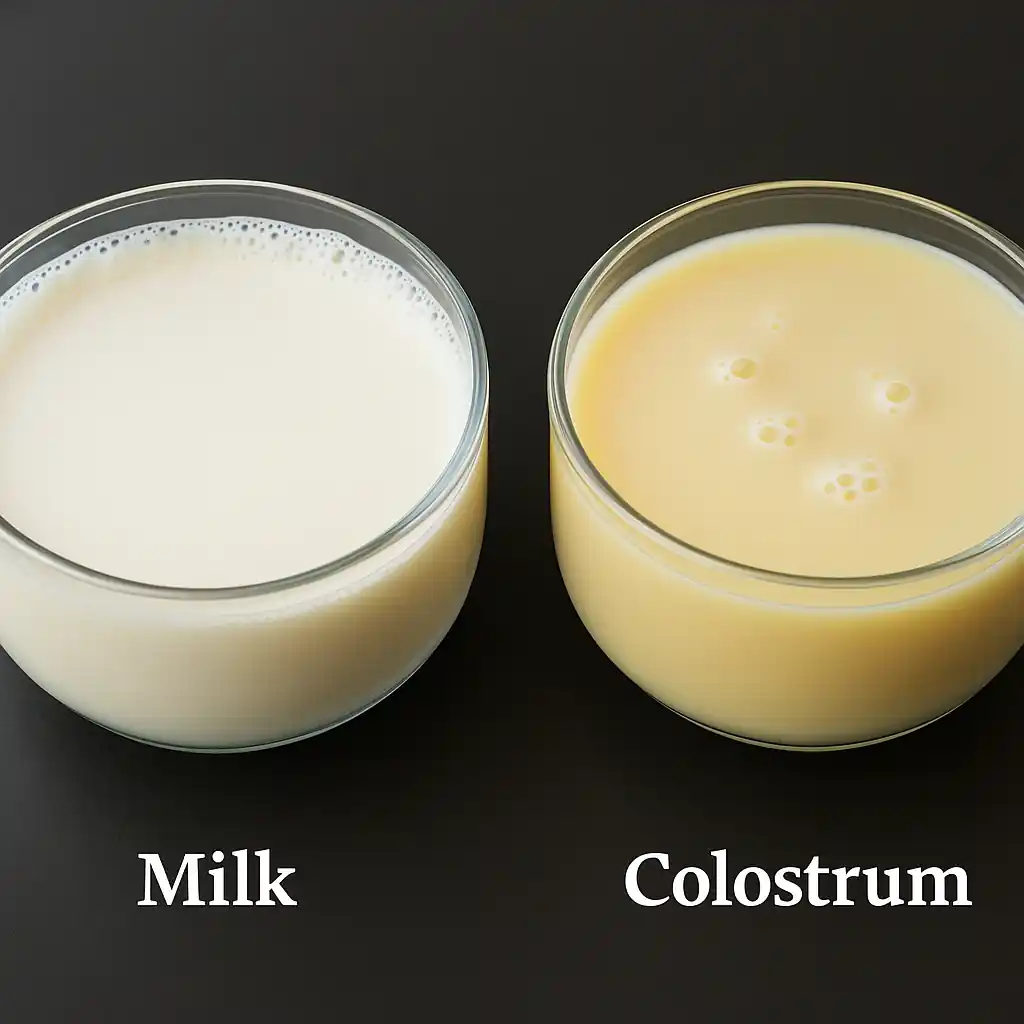
colostrum
“liquid gold”
thick, nutrient dense milk that is initially produced by mom during late pregnancy and immediately after birth, before regular milk comes in (3-4 days)
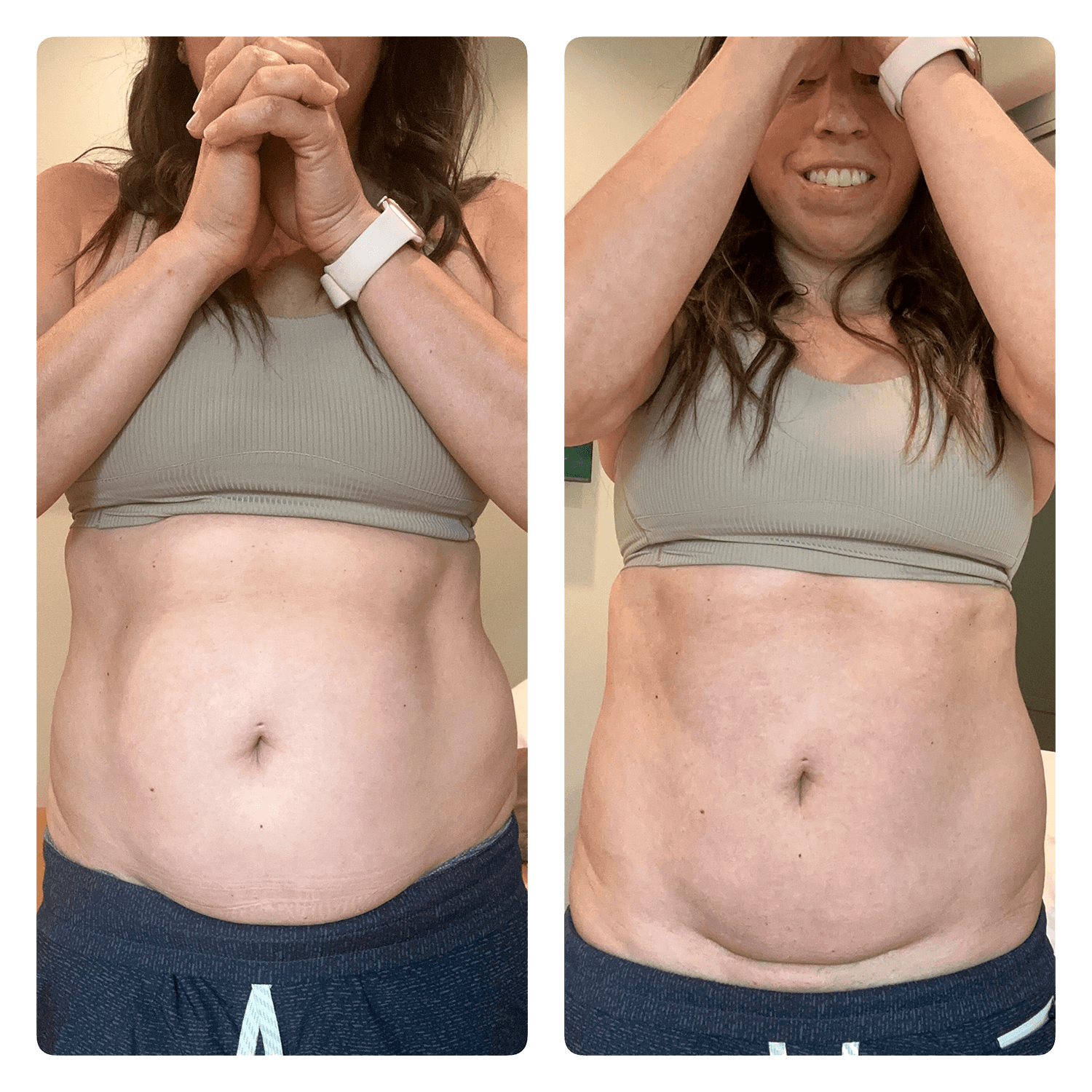
T or F: abdominal muscle tone may take weeks to return after birth
TRUE → especially true for moms who delivered via csection

diastasis recti
stretched abdominal muscles due to extreme uterine growth during pregnancy; may last postpartum
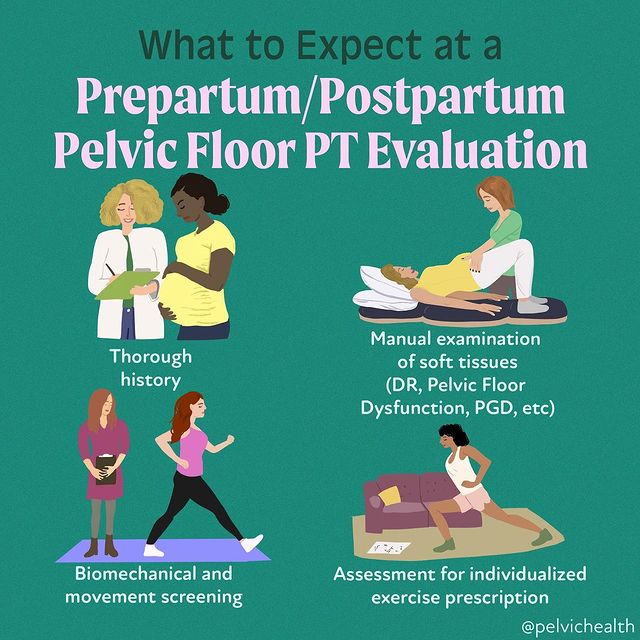
why can physical therapy be beneficial for postpartum moms?
physical therapy promotes healing in the abdominal and pelvic floor muscles, improves mobility, and improves posture after pregnancy
as relaxin levels gradually decrease, joint ___________ gradually decreases as well
hypermobility
integumentary changes that occurred in pregnancy, such as melasma, hyperpigmentation, and striae, also change postpartum. what are these changes?
melasma & hyperpigmentation → fades over months
striae → may persist
T or F: hair loss may occur around three months postpartum
true → occurs due to sharp decline in estrogen
(remember… hair grew during pregnancy, so its going away)

PP assessment: how often should you assess vitals in a STABLE mom who is newly postpartum?
every 6-8 hours
elevated blood pressure may indicate…
diminished blood pressure may indicate….
high BP → hypertensive complications (PP preeclampsia)
low BP → hemorrhage

PP assessment: breasts and breastfeeding (3)
assess for breast engorgement, redness, pain, and nipple trauma from breastfeeding
assess infant latch when breastfeeding → should be a DEEP latch
reduce lactation stimulation in non-lactating clients

how can you reduce breast stimulation in a non-lactating client?
use cold compresses, cabbage leaves, wear a supportive bra, and do NOT express milk even when engorged

PP assessment: uterus
fundal height → fundal height should decrease by approximately 1cm/day
location → midline
tone → firm (like a softball) and nontender

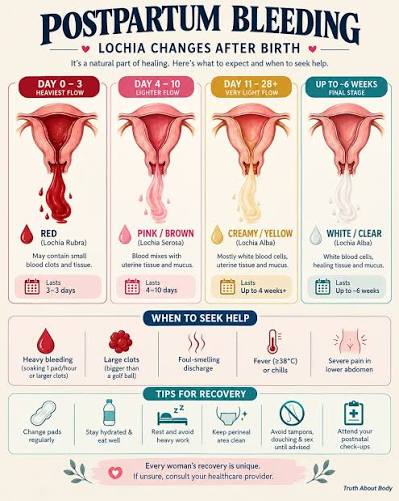
lochia
uterine bleeding after birth
typically begins as bright red w/clots (rubra)→ darker red (serosa) → cream (alba)
PP assessment: lochia
when should you tell the provider?
when mom is…
saturating more than one pad an hour
passing clots larger than an egg
complaining of a fever/chills
lochia is foul smelling
these are concerning for hemorrhage

PP assessment: perineum
assess lacerations, episiotomy, and rectal involvement for infection, bruising, swelling, and manifestations of healing
educate perineal care after birth
PP assessment: abdomen and lower extremities
assess abdominal protrusion → should decrease gradually
assess ability to pass stool → many PP moms complain of constipation
assess for manifestations of DVT

PP assessment: energy level and psychosocial
assess new parents moods, emotions, coping skills, adjustment to new role
encourage “rooming-in” → baby sleeps in room with parents in bassinet
encourage mom and dad to discuss birth events
fatigue from birth may cause newborn drops, and may signal a worsening issue (i.e. infection, hemorrhage)
postpartum depression
a depressive mood disorder that creates intense emotions that interfere with daily life, adapting to parenthood, and caring for the baby/family/yourself
PP assessment: pain
pain occurs from perineum swelling/bruising, abdomen if c-section, breasts from feeding
initiate oral, topical, IV, and nonpharmalogical interventions

afterpains
contractions that occur after birth as the uterus sheds remaining contents and shrinks back to normal size
typically is worse with breastfeeding (oxytocin release) and is worse if you have had more kids in the past

nonpharmalogical pain management
sitz bath → shallow, warm water soak to cleanse perineum, relax sore muscles, and promote blood flow
ice packs to perineum
heating pad to abdomen
pharmalogical pain mgmt
acetaminophen, ibuprofen
opiods → morphine, oxycodone
topical → benzocaine

what are other medications that can be given to mom after birth?
rh immune globulin “rhogam” → given if parent is rh negative and baby is rh positive to prevent sensitization
MMR, varicella, and Tdap okay to give postpartum
T or F: you can get the MMR and varicella vaccines during pregnancy
NO NO NO NO

what is the leading cause of maternal mortality?
postpartum hemorrhage → abnormally large amount of bleeding after delivery of placenta. reminder: blood loss > 1000 mL is officially considered a hemorrhage

what is the most common cause of PP hemorrhage?
uterine atony = “boggy uterus”
failure of the uterine muscle to contract adequately, allowing the spiral arteries (connected placenta to uterus) to bleed at the placental implantation site
there are many risk factors for a PP hemorrhage. what are some? (9)
previous PP hemorrhage
uterine fibroids
prior uterine surgery
multiple gestation
macrosomia
thrombocytopenia
long labor (>24hrs) or prolonged second stage of labor
mag sulfate infusion
bladder distension
how can you tell how much blood a PP mom is passing?
weigh pads!
1g = 1mL of blood
unfortunately, there is no official way to measure the amt of blood on the floor, toilet, etc…
PP hemorrhage: interventions
once you notice a mom’s blood loss is significant, what should you do?
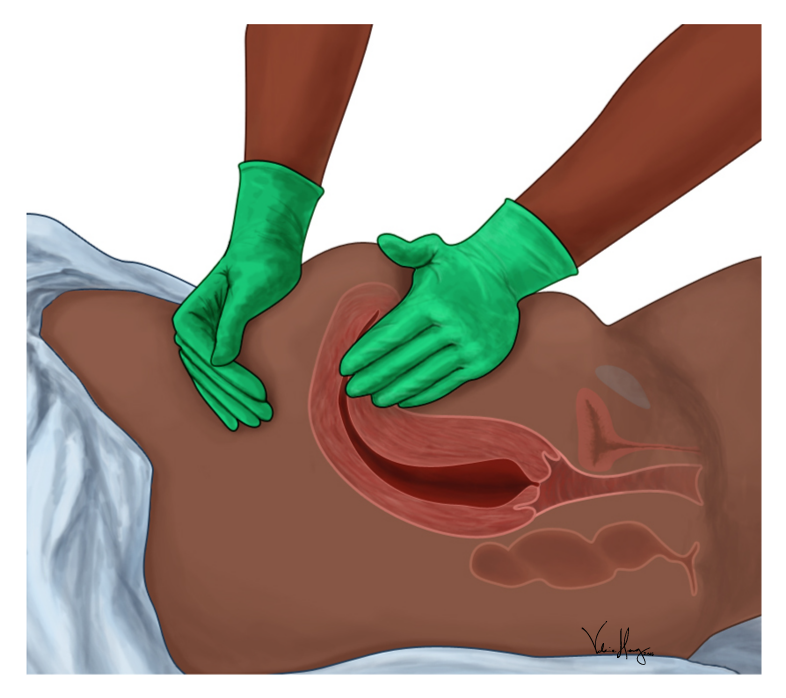
assess uterine tone w a unimanual uterine massage… does it feel boggy?
if so, administer uterotonic meds
if needed, the provider can also do a bimanual uterine masssage

what is the difference between a unimanual vs bimanual massage?
unimanual → performed by nurse, both hands on the outside of body (like i did in class)
bimanual → performed by provider, one hand on outside of the body, one hand in the vagina/uterus. used in tandem with uterotonic therapy. use pain meds!!!

oxytocin “pitocin” (use, S/E, contraindications, nursing considerations)
stimulate contraction of uterus during labor or prevention of PP hemorrhage
S/E: rare
contraindications: none when used for PP hemorrhage
nursing considerations: continue to monitor vaginal bleeding and uterine tone

misoprostol (use, S/E, contraindications, nursing considerations)
stimulate contraction of uterus, abortion/miscarriage, prevents stomach ulcers
S/E: HA, N/V/D, fever, chills
contraindications: none when used for PP hemorrhage
nursing considerations: continue to monitor vaginal bleeding and uterine tone

tranexamic acid (use, S/E, contraindications, nursing considerations)
promotes clotting, treats all causes of PP hemorrhage
S/E: N/V
contraindications: history of thromboembolic event
nursing considerations: continue to monitor vaginal bleeding and uterine tone

methylergonovine “methergine” (use, S/E, contraindications, nursing considerations)
stimulate contraction of uterus
S/E: HTN, N/V, HA
contraindications: HTN, preeclampsia
nursing considerations: check BP before giving → hold if BP >140/90. continue to monitor vaginal bleeding and uterine tone if med given.

carboprost “hemabate” (use, S/E, contraindications, nursing considerations)
stimulate contraction of the uterus
S/E: NA, N/V/D, fever, chills
contraindications: avoid in patients w asthma
nursing contraindications: continue to monitor vaginal bleeding and uterine tone
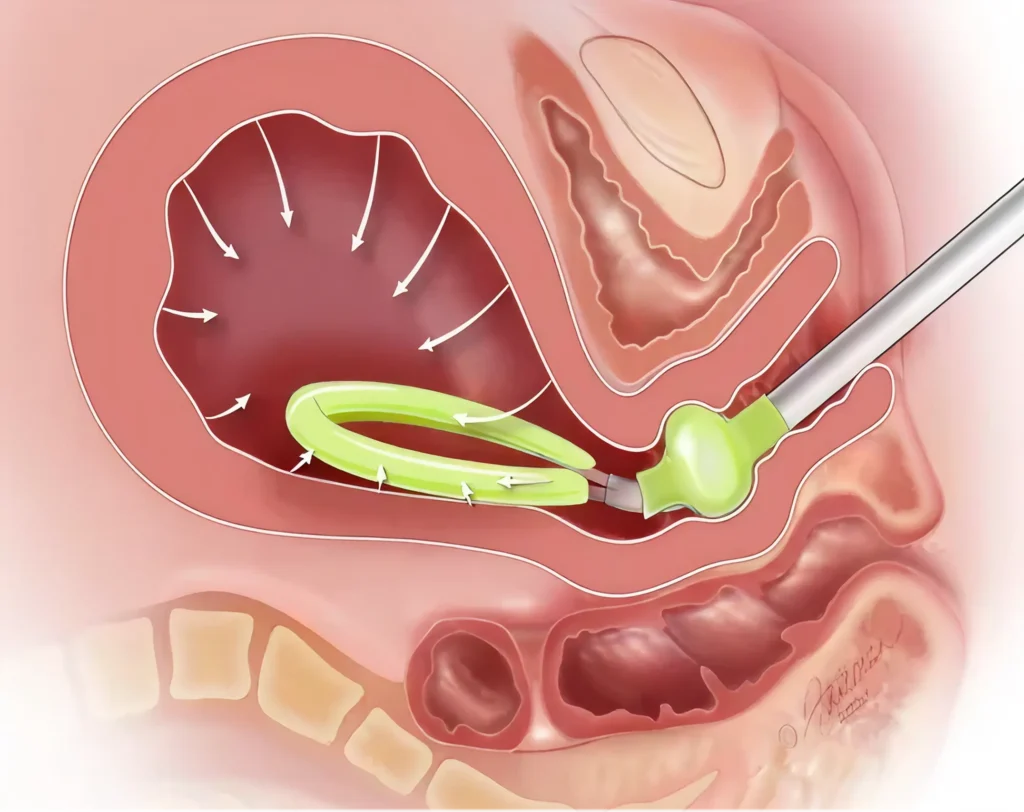
your patient with a PP hemorrhage is not responding to unimanual/bimanual massage and medications. what are the next steps?
surgical management… many options:
tamponade → inflating a big balloon in uterus
jada → most common; low-level suction to control uterine bleeding
uterine artery ligation → ties off (ligates) uterine artery to stop bloodflow to uterus
hysterectomy → only done for life saving measures!

PP complications: retained placenta (definition, S/S)
delayed delivery of placenta → should be delivered within 30 minutes of birth!
S/S: persistent bright red vaginal bleeding, placental inspection reveals incomplete removal
delayed placental delivery increases bleeding and infection risk!
what are some risk factors for retained placenta?
morbidly adherent placenta (placenta accreta, increta, and percreta)
assisted reproductive technology (i.e. IVF)
multigravidity
endometriosis
prior uterine surgery
previous c-section
tobacco use
old maternal age > 35

how is a retained placenta treated? (4)
manual removal by provider!
abx
operative management
surgical removal of retained tissue

morbidly adherent placenta
a condition where the placenta invades into the uterine wall.
this is typically diagnosed during pregnancy via ultrasound; otherwise, it can be detected via MRI or discovered after delivery
3 types:
placenta accreta → placenta grows deep into endometrium
placenta increta → placenta grows into myometrium
placenta percreta → WORST; placenta grows outside of uterus
PP complications: subinvolusion of the uterus
PP complications: hematoma
PP complications: PP shock