ART 201 - Exam #2
 Call Kai
 Learn
 Practice Test
 Spaced Repetition
 Match
 Flashcards
 Knowt Play
1/77

There's no tags or description
Looks like no tags are added yet.
78 Terms

Title: Figure of a Woman
Made of Marble
Painted
Some kind of marking; usually asymmetrical
Might be ceremonial - some death purpose or maybe it was worn in their culture
Maybe something about entering afterlife
Right after King Narmer
Found in graves
Used circle scale (three circles stacked and overlap each other)
Everything is in three equal parts
Cycladic Islands

Title: Head with Remains of Painted Decoration
Made of marble
Had some pigment on it
Some kind of marking; usually asymmetrical
Might be ceremonial - some death purpose or maybe it was worn in their culture
Found in graves
Cycladic Islands
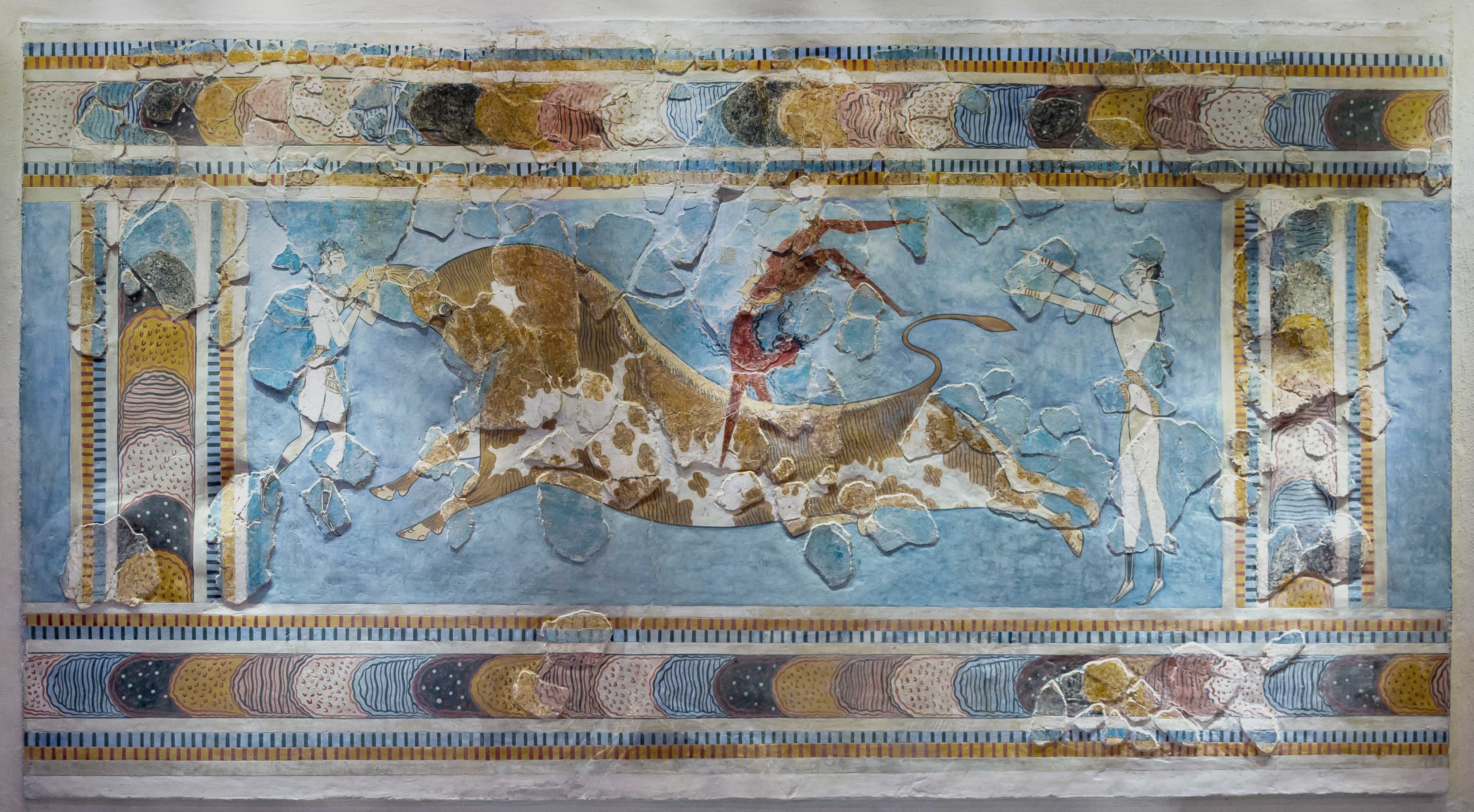
Title: Bull Leaping, from the palace complex at Knossos, Crete
Pretty preserved
Structure made of mud underneath with some wood support and then dressed stone (polished stone) over the top
Then, they painted the stone
Blue in background is lapis (blue stone that is grinded)
Typical Minoan
Bright, lots of pattering
Thought to be some type of fertility esque painting
Three nude female figures
Bull used - symbol of power
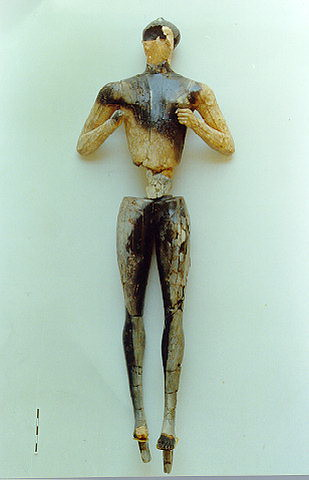
Title: Statuette of a Male Figure - Crete
New Palace Period
Minoans
Made of ivory
Specifically made of hippo ivory (hippo teeth)
Golden slippers/sandals on his feet
Can’t really see it

Title: Woman or Goddess with Snakes
Burn marks; Lots of these figures found after they left the island
Maybe her main goddess
Don’t know her purpose
Left doesn’t have snakes but possibly could at a time because hands are open
Lots of statues found that looks like her
Goddess isn’t used after the islands were decimated
Theory that they worshipped her before, but then they blamed her for the earthquake so they switched
Representations of her weren’t found when they relocated

Title: Bull’s Head Rhyton
New palace period, Minoans
Rhyton is a vessel
Stone carving of bull but back part of head is open
Would’ve held wine
Ceremonial piece
Muzzle is mother of pearl
Inside of seashell
Crystal eye
Horns are wood but gilded (covered in gold)

Title: Octopus Flask
New Palace
Minoans
Octopus flowing but it’s not symmetrical on each side
Considered beaked as well
Pour liquid out of it
Made of fired clay
Found in parts and put back together
Eyes make it look friendly!

Title: Vapheio Cup
Bull on it
Made from process called repousse
Take thin sheet in some type of metal (in this case gold), hit it from the back (get design from pushing out), then go to the front and push stuff back in to create details
It’s a minoan art piece but it was found on mainland (Greece)
Mycenaeans invaded and took over Crete
Took people from Crete to the mainland to create stuff for them (this is one of the pieces)
Solid gold

Title: Mask of Agememon
Mask is made of pure gold
Created for the graves
Placed directly over the face of a deceased person
Mycenanian
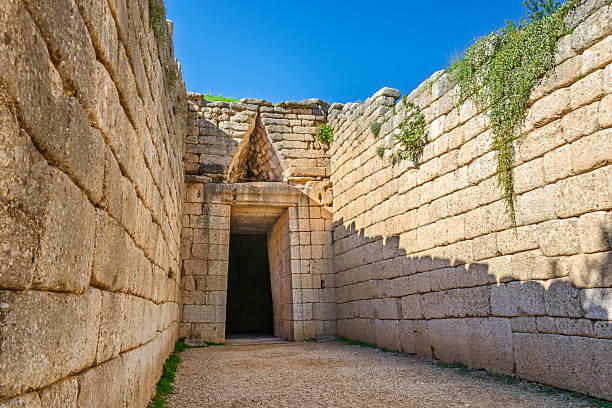
Title: exterior view of tholos
So called Treasury of Atreus
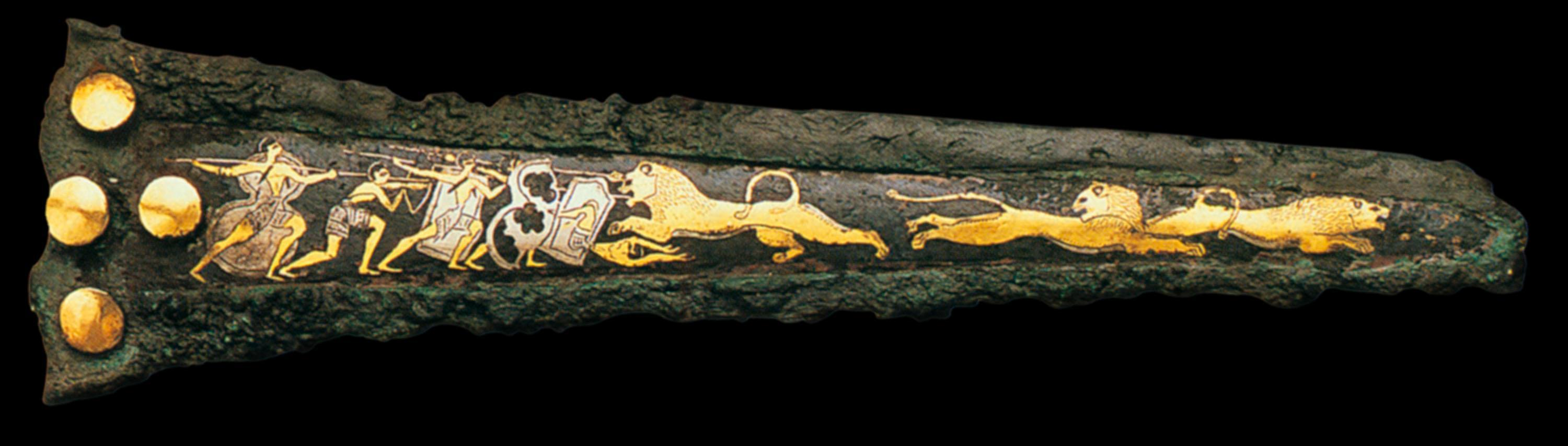
Title: Dagger blade with lion hunt
Neillo - take and inlay different kinds of metals for objects then scratch areas out for details, take power
Mycennian
from the royal tombs at Mycanae

Title: Warrior Krater
Krater is a type of pot
Scene of departing soldiers
All around pot
Could hold water, fruit, etc
Could also be a gravemarker for soldiers
Stiff and symmetrical
There’s a woman (line of women on the other side) - side all the way to left
Arms up in agony that their men are marching off to war
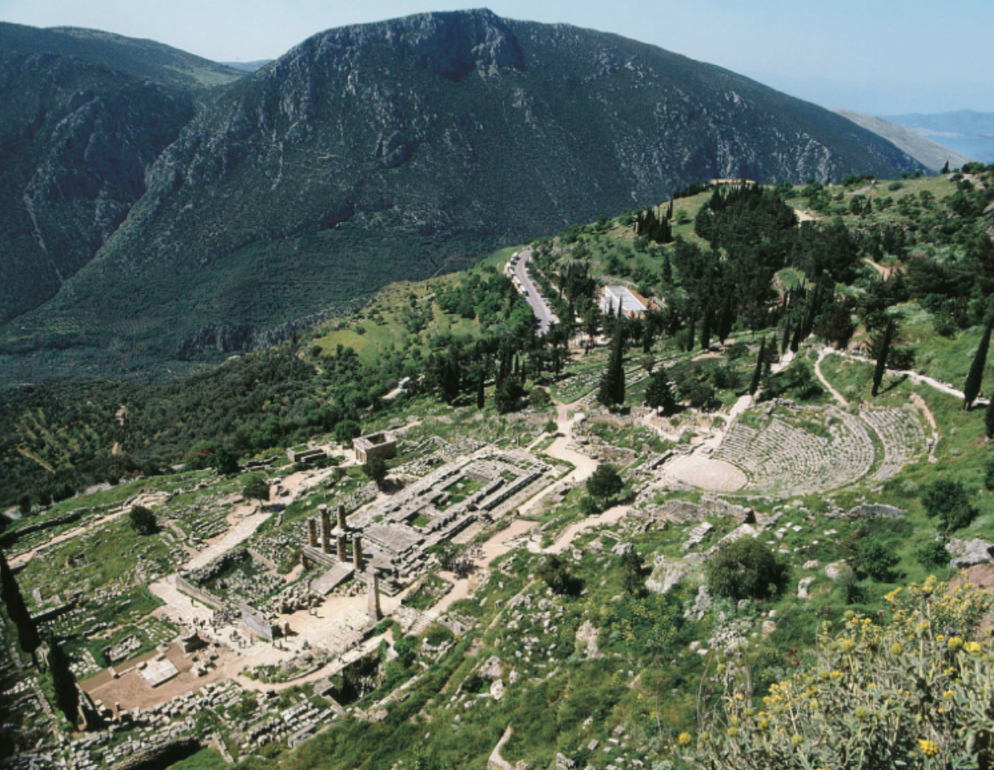
Title: Sanctuary of Apollo - Delphi
Many tiny buildings
Sanctuaries, treasuries
Treasuries: each town had their own, so they were responsible for giving things to treasuries
If you didn’t you would fall out of order with the priest, and then would fall out with gods and goddesses
Had cult statues
Front of his thing says “Man is the measure of all things”

Title: Funerary Krater
Artist: Hirschfeld Workshop (nan)
Totalitarian purposes, a lot of them were used as gravemarkers (this one is a grave marker)
Very elaborate geometric patterns
People with arms up in the air = people mourning
Were cremated
Didn’t need a grand ceremony
Geometric Period

Title: Ople (Pitcher)
Orientalizing Period
Corinthian
Didn’t copy, used as inspiration
Registers
Rosettes in the negative spaces
From other cultures, not greek
Black Figure Style: When actual figure done in black
Would either add the black or carve out the black to show the white

Title: Battle Between the Gods and the Giants
Wanted to look overtly realistic
Depiction of gods, reflection of them
and their power
Emphasis on artistic technique

Title: Temple of Aphaia - Aegina
475 BCE
Aphea in Area of Aegina
Major temple created during archaic period
6 columns on the front and back, 12 on the sides (they’re all doric)
Interior statues that held cult statues
Statue body wood (typically covered up anyways)
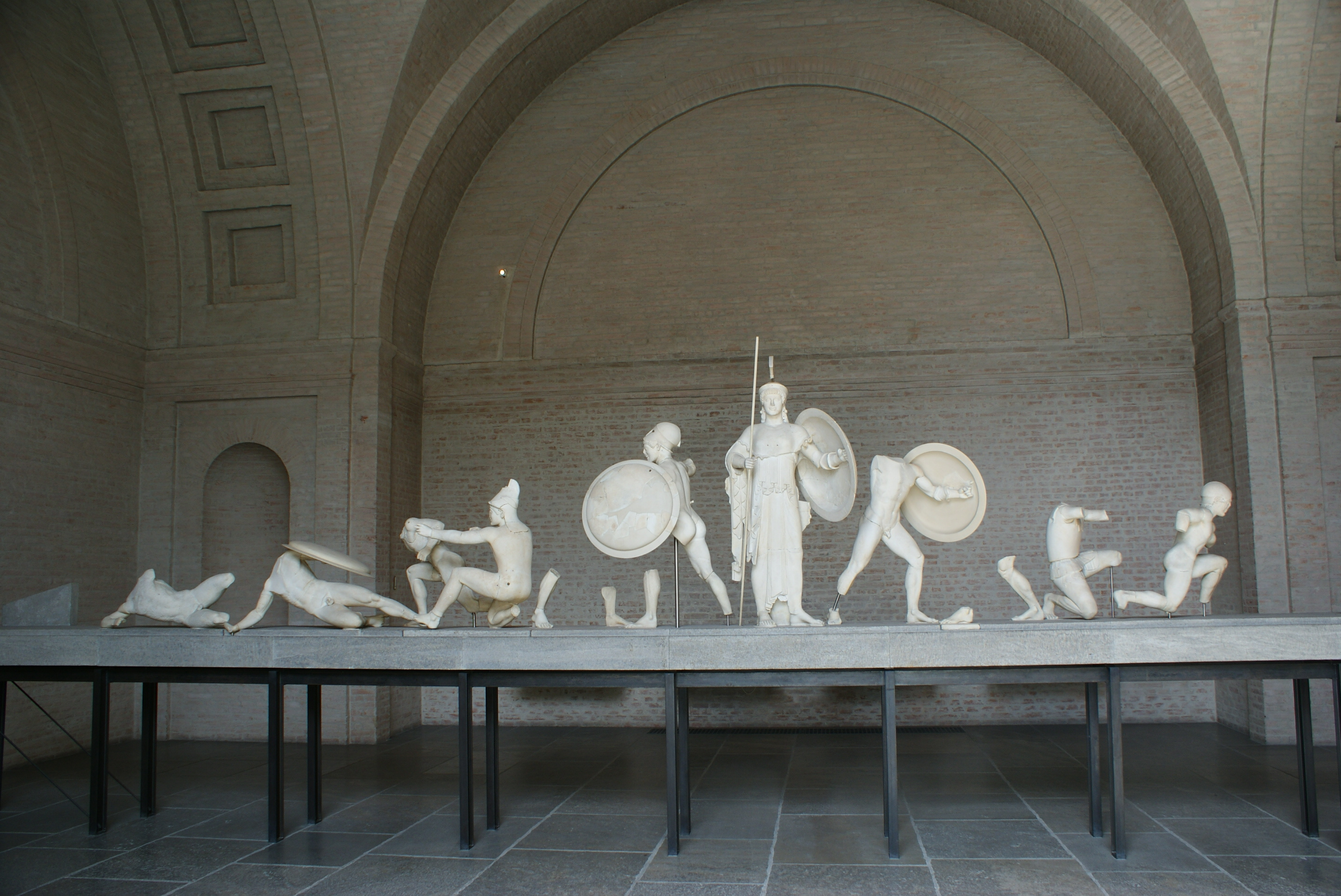
Title: West Pediment of the Temple of Aphia
Archaic Period
In the triangular part, Athena in the middle
They are completely sculptures in the
round; not relief
Made corners the dying soldiers
Bronze accessories (bracelets, spears etc)
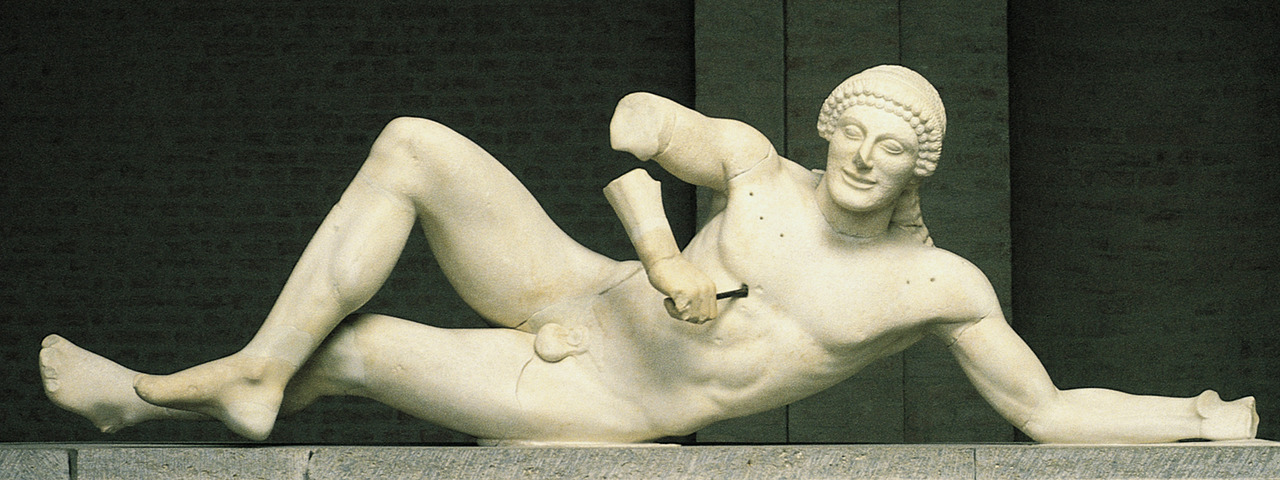
Title: Dying warrior
was painted
Still has creepy smile
good use of the ends of the triangle part

Title: Archer
Painted
Wanted it to look realistic
It looked flat
It was super high up in the sky, wanted people to notice and see it

Title: Kouros (male) and Kore (female)
Archaic Period
Archaic means outdated
Terra Cotta
Clay
A lot of iron in it; red based clay
Knew how to make smaller figures, but not larger ones
Learned how to make it from egyptians
Rolled hair, very stiff
Archaic smile - the weird smile
Kinda creepy
Grave markers; not specific, pretty generalized
Not sure if it’s like she’s a female so that’s her or if it’s a representation of a god/goddess
Male always nude
Other ones of these made of stone sometimes wood, clay
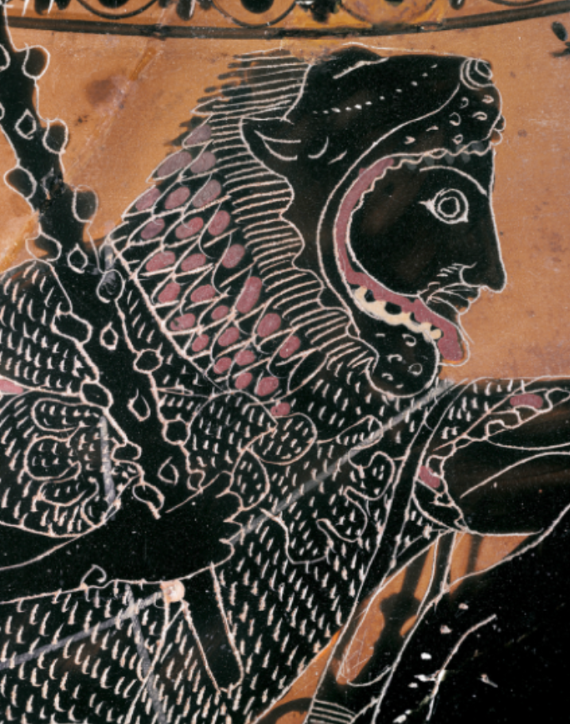
Title: Black figure style
Background is the color of the clay
Figure is black
Production
Painters, threw the clay, made the clay, mined the clay, etc
Sometimes potters and painted were so well known, they started signing them
This is the first time there has been signed artwork

Title: Red figure style
Red Figure Style
Left it as color of the clay
Details done with additional black slip

Title: The Death of Sarpedon
Euphronios (the painter), Euxitheos (the potter)
Made of terracotta
Calyx Krater
Son killed; hermes in the back (announcing his death) and two winged figures (carry him to his death)
The greeks couldn’t figure out spatial
Not until renaissance do they figure out perspective and foreshortening
Think it’s because most of their works were sculptures and not paintings

Title: Ajax and Achilles Playing a Game
Exekias
Symbolic of battle
Dressed for battle
Achilles is winning the battle
Look at layout and composition
Balanced on each side; draw attention to what they’re doing
They are thinking of compositional layout at this time

Title: Charioteer
Early classical period
lost wax Bronze
Hands and feet in silver
Eye is onyx/bitumen, lips and lashes are copper
475-470 BCE
Likely an actual charioteer who was very famous
Probably won many games at Temple of Apollo
Buried after an earthquake

Title: Riance Warrior
Early classical period
Made of bronze
Copper lips and copper nipples
Silver teeth
Eyes made of bitumen / bone and glass eyes
Found at the bottom of the ocean

Title: Frolicking Satyrs
Artist: Douris
Early Classical period
Terracotta
Psykter
Very sexual; they were very proud of their bodies

Title: Youth Pouring Wine into the Kylix of Companion
Artist: Douris
Terracotta
Kylix (wine glass)
Early Classical Period
A little bit of satire
Tondo painting; means a circle
Younger man filling an older man’s kylix cup of wine

Title: Propaylia (Entrance to Arcopolis)
High classical period
Had photos of muses in there
Like a museum; that’s where the term came
from
Had snacks in there too

Title: Parthenon
High classical period
Two architects - Iktinos and Kallikrates
Figured out golden scale; height of something between width and space between objects creates a stable structure
Biggest temple in that time period
Freezes on the outside and inside
96 continuous freezes on the
outside
All in relief

Title: East Pediment of Parthenon
High classical period
About Athena’s birth
Zeus had a horrible headache and out came Athena
Free standing sculptures carved in the round
Celine on the right side; moon goddess - day night shift
Hera (zeus’ wife)
Now, most of them have lost their heads
They were all removed because they wanted to save it
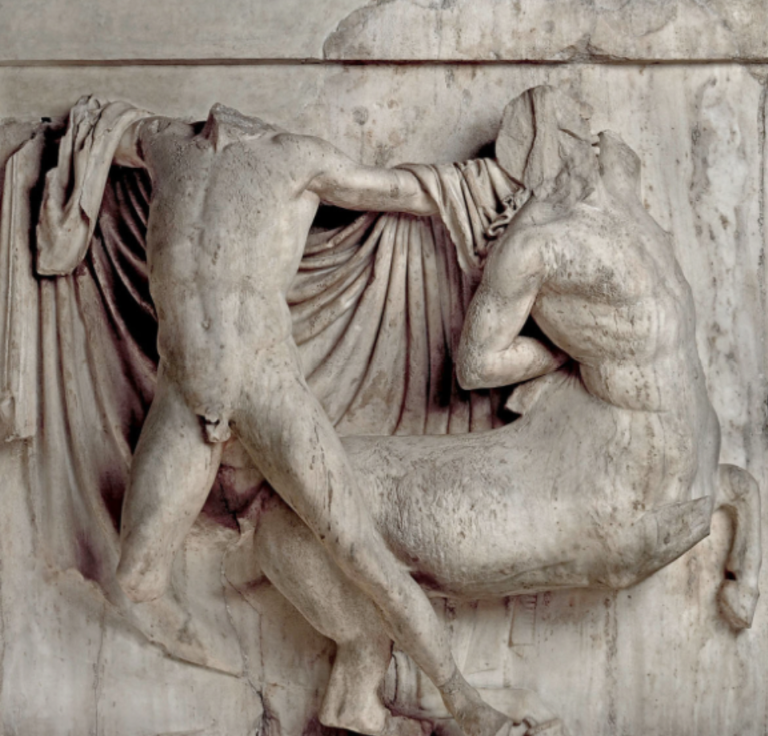
Title: Lapith Fighting the Centaur
Frieze on the South
Sculptural Relief

Title: Horsemen
Ionic Frieze
North Side

Title: Young Women and Men
High classical period
Iconic Freeze
East side

Title: Erechtheion (Arcopolis)
High classical period
Best ionic created
Wanted best of best
Acropolis historically was a place of worship for goddesses
Before the war, dedicated to Athena
Had to be invited to in order to go and see it; had to have permission from the Priest
Main temple built during this time period
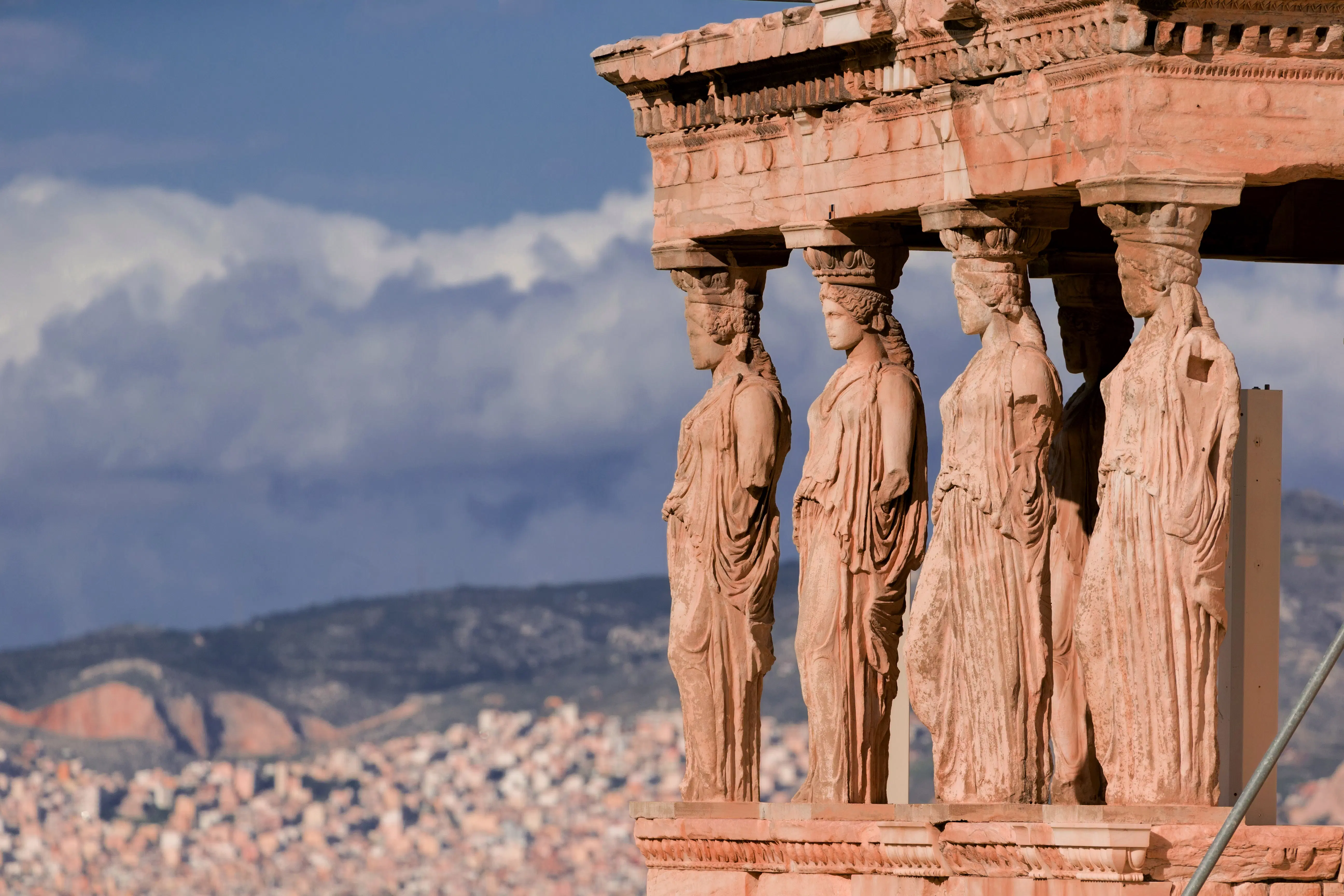
Title: Porch of the Maidens (South Porch of Erechtheion)
High classical period
South porch from south east
Figured out how to make a sculpture stand on its own
Gave these ladies a bun on the back of their heads as support for necks
Support post to keep it from crumbling
And it worked
Three on one side have right leg out, three on other side have left leg out; they really thought of balance

Title: Spear Bearer
Sculptor: Polykleitos
Figured out we’re very proportionally laid out
7-8 heads tall, height = our arm span, naval center of body, arms come mid thigh, nose center of head, etc
Set of rules calls them ‘Cannon of proportions’
Moves greek cultures away from stiff figures to more life like
Contrapposto Stance: Shifting our weight from foot to foot
Roman marble copy after the original bronze figure
Early Classical Period - 480-450 BCE
Based on humanism, rationalism, idealism
Time period marked by them defeating specific groups trying to take over
This is a copy of an original bronze
Other artists started copying his work and it spreads throughout Greece
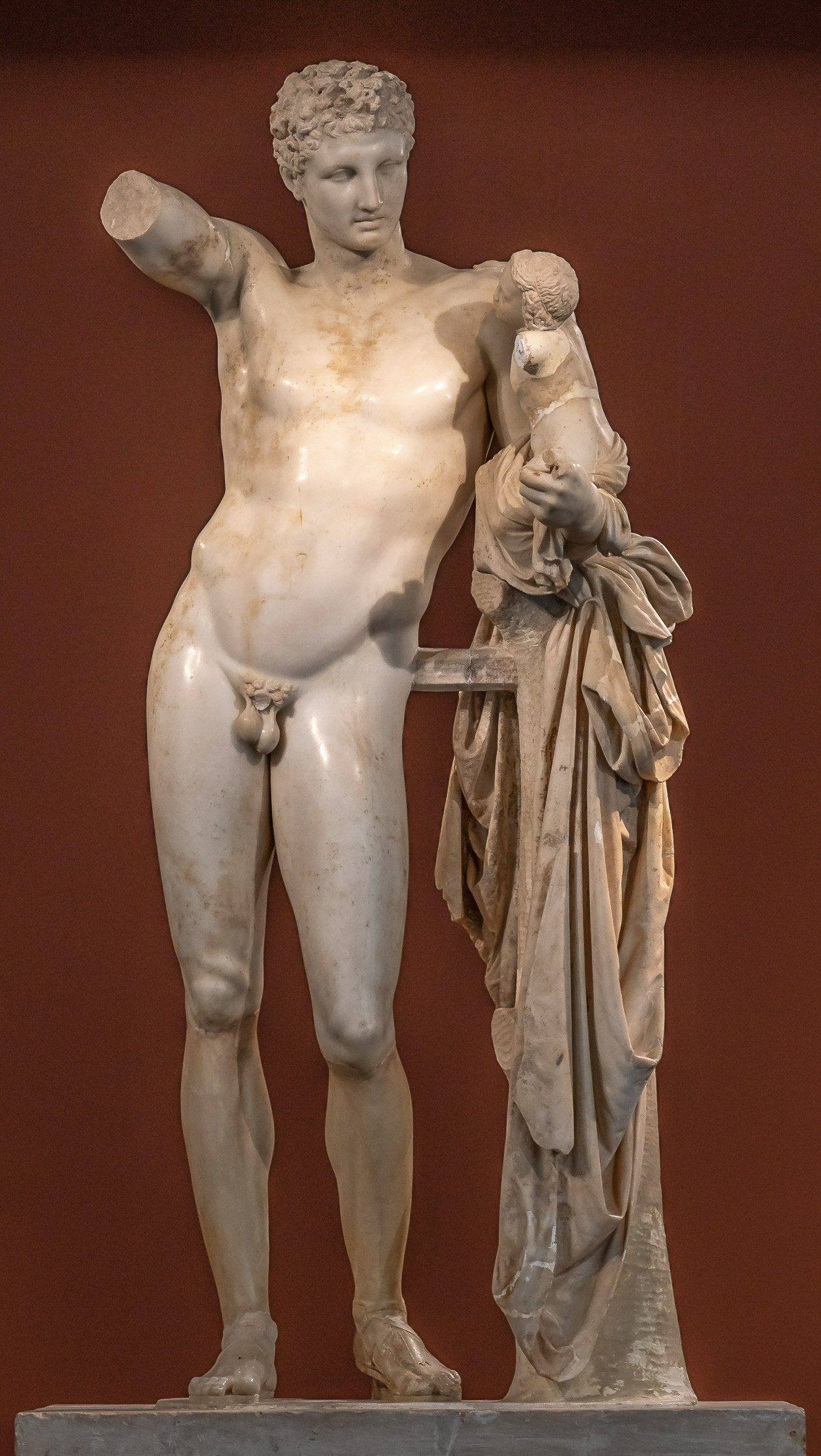
Title: Hermes and the Infant dionysus
Artist: Praxiteles
Late classical period
marble

Title: Aphrodite of Knidos
Praxiteles
Give them something decorative to lean on
First nude goddess in the Late classical Period
Marble

Man Scraping Himself
Late classical Period
Lysippos
Copy of original
Original made in bronze
Has something to lean on in the back of his head
Called the scraper because they scraped the dirtiness of them
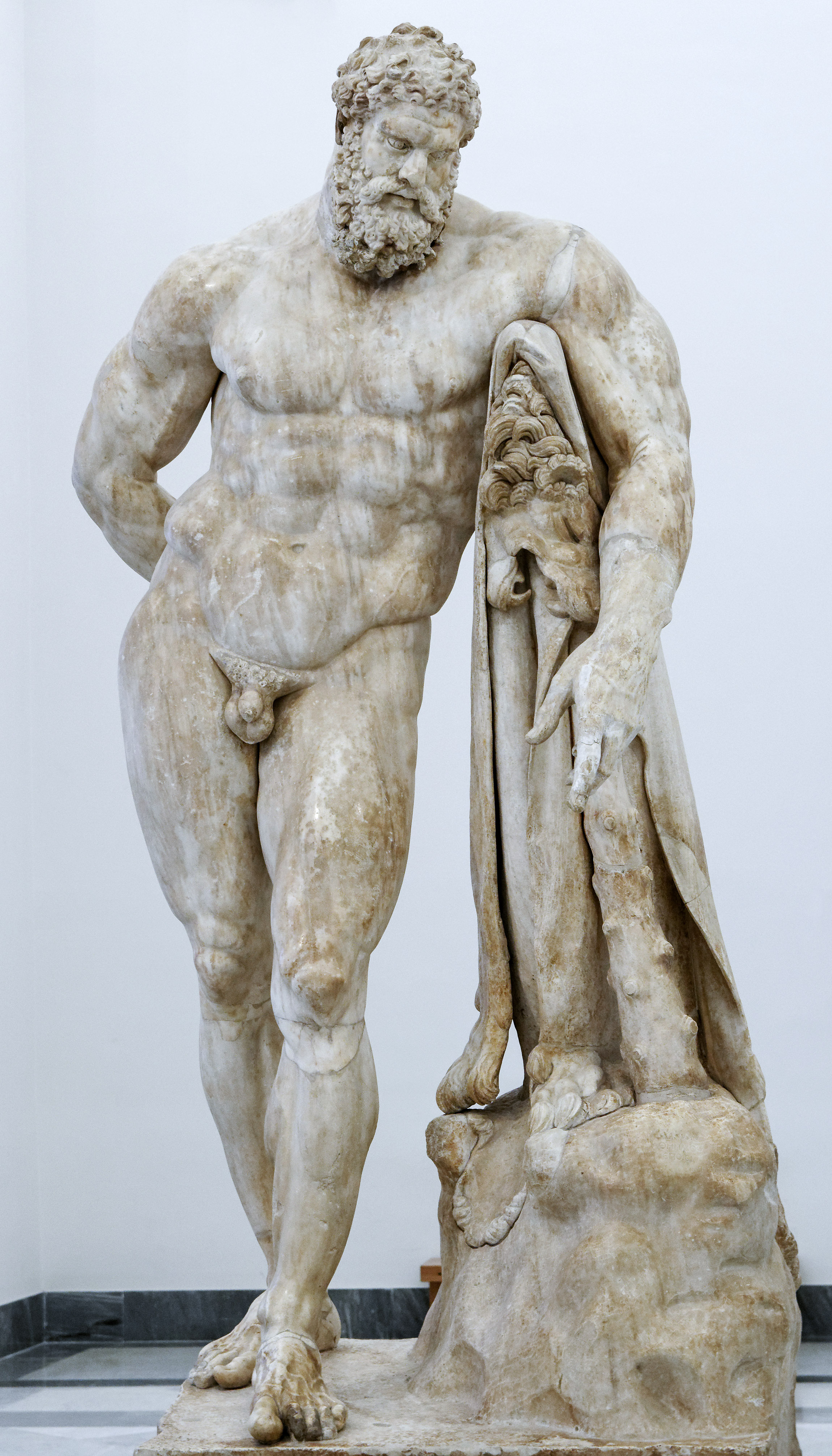
The Weary Herakles
Lysippo
Late classical Period
Marble; originally in bronze
So big that he couldn’t hold himself up
Moving away from realism
Very extravagant

Alexander the Great Darius III at the Battle of Issos
Floor Mosaic
Sometimes stone, class, shell, tiles
Pompeii, Italy
Battle between Alexander and Darius

Temple of Olympian Zeus - Athens
Hellenistic Period
Corinthian styles comes out more (as seen in photo)

Theater at Epidauros
Hellenistic
Theaters become more elaborate during this time
One of the first theaters built in this way
Seats 12,000 people
Seats built on a hill or at an angle so sound carries
C. 350 BCE
For plays, dancing, poetry, musical performances
Dionysos - god of wine and theater

Title: Alter for Pergamon (Present Day Turkey)
Hellenistic Period
Pergamon Style
Hub for sculptures during this time
Originally built on side of mountain
Excavated to keep it safe
The freeze is 7 feet tall
Zeus Alter at Pergamon; detail of a typing giant pushing his sword into the side of a lion
C. 180 BCE
See how expressive lion is
Everyone is in multiple positions; twisting and turning
Relief; high relief (they’re almost coming out of the background - beyond the limits of the freeze)

Lacoon and His Sons
Hellenistic Period
Warned Trojan not to take in the wooden Horse the greeks gave to them
He and his sons took off on a ship
Wrapped around them are servants that are trying to kill them
Made of marble - 8 feet tall
More elaborate than we’ve seen before; three figures and snakes
Also movement and motion going on
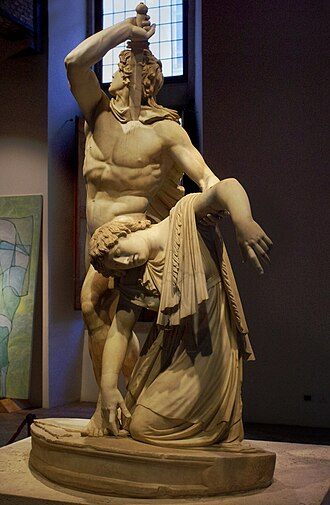
Gallic Chieftain Killing his Wife and Himself
Hellenistic Period
Attributed to Epigonos
Roman copy after a greek original of c. 220 BCE
Killing himself and his wife instead of being killed by enemy
Solid piece of stone
Hard to carve stone; especially because of all the details

Elderly Woman
Hellenistic Period
More individualized
Probably of a specific woman
Marble - 49’’
Everyday people more common
Can tell she’s disheveled
Little age to her
Lots of drapery going on

The Ficoroni Cista
Bronze from Palestrina
Like a box that sat at a woman’s vanity
Probably held makeup, mirror
Made of bronze
Flat bronze (body) and carved into it and then pushed chalk into it to enhance the design
Dionysos and other two figures at the top were cast bronze
Means added after
Believed it was made by the Greeks because of the design
Cista - like a vessel

Apollo at Temple of Minerva
Vulca
About battle of gods
They were amazing at building out of clay (terracotta)
painted
Fire and build slowly
One of the few still standing
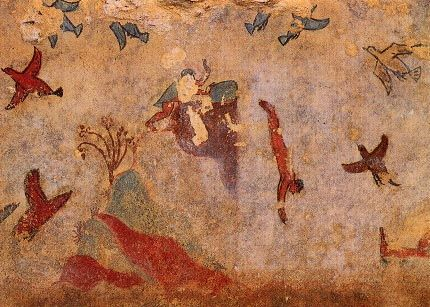
Boys Climbing Rocks and Diving, Tomb of Hunting and Fishing, Tarquinia
Etruscan Tomb wall
Reflective of symbolic image of deceased life into
eternal life
Late 6th century BCE
Leisure of afterlife
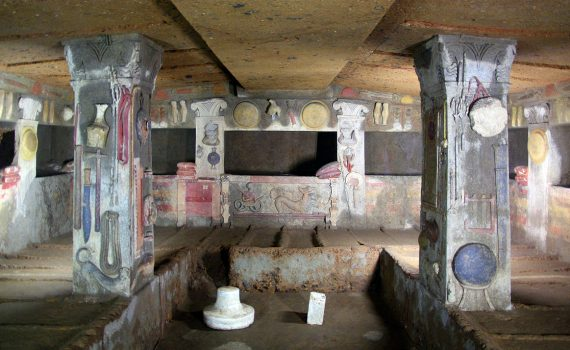
Burial Chamber, Tomb of Reliefs
Etruscan
What they had in their tomb would be taken to the afterlife
Didn’t have actual objects; more sculptures (in this case relief)

Reclining Couple on A Sarcophagus from Cerveteri
Made of terracotta
At some time, they each had a chalice in their hands
Celebrating going into afterlife
Look forward into time in the afterlife

Head of Brutus
Etruscan
Bronze with ivory eyes
Etruscan artist working for Romans
Inlaid eyes
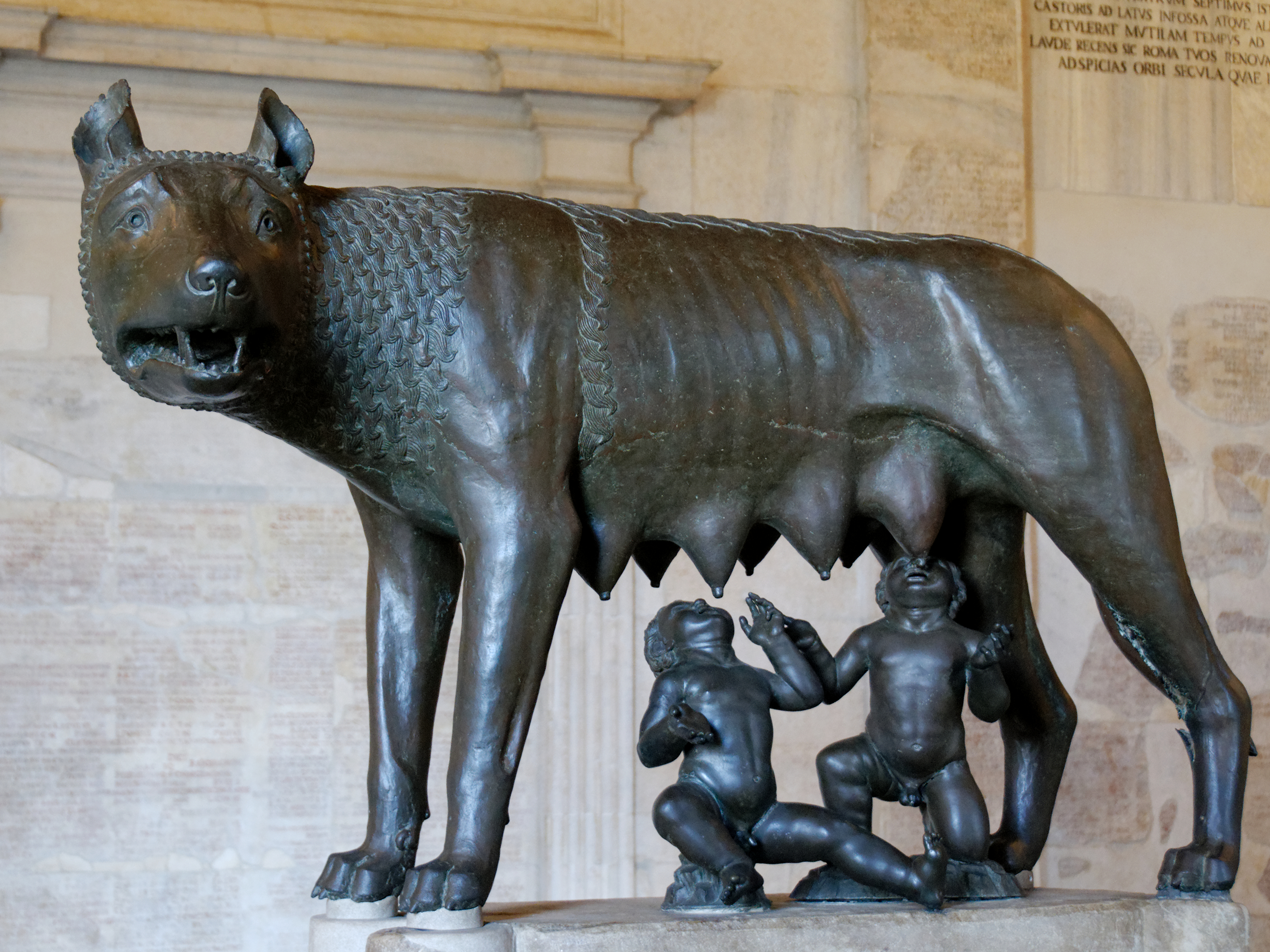
Capitoline Wolf
Romans overthrew Etruscans; absorbed Etruscan culture into their own
Unified current Italy; brought power to Mediterranean region
Romans believed they were height of human existence
Thought they were very powerful who were direct descendants of Gods
Symbol of the roman people (still used today in italy)
Two sons of Mars
Mars who is god of war
Probably a symbol of a woman who was a prostitute
Female wolf finds the two boys and raises them
Jupiter made a promise to Venus that her children would rule
Jupiter is basically Zeus, Venus is Aphrodite

Patrician Carrying Portrait Bust of Two Ancestors
Statue of themselves holding the deceased
Very lifelike
Can almost see resemblance
Roman republic style
Marble
Stylized beautiful greek sculptures
Came from using wax death masks from deceased
Serious expressions, aged skin; not perfect
Wanted to show that they were powerful in their heritage and knowledge
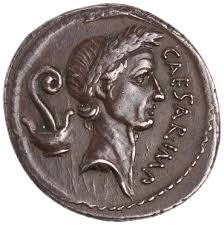
Denarius with Portrait of Julius Caesar
Roman Republic Style
Silver
Propaganda
Gain power for him
people will know what he looks like, who he is
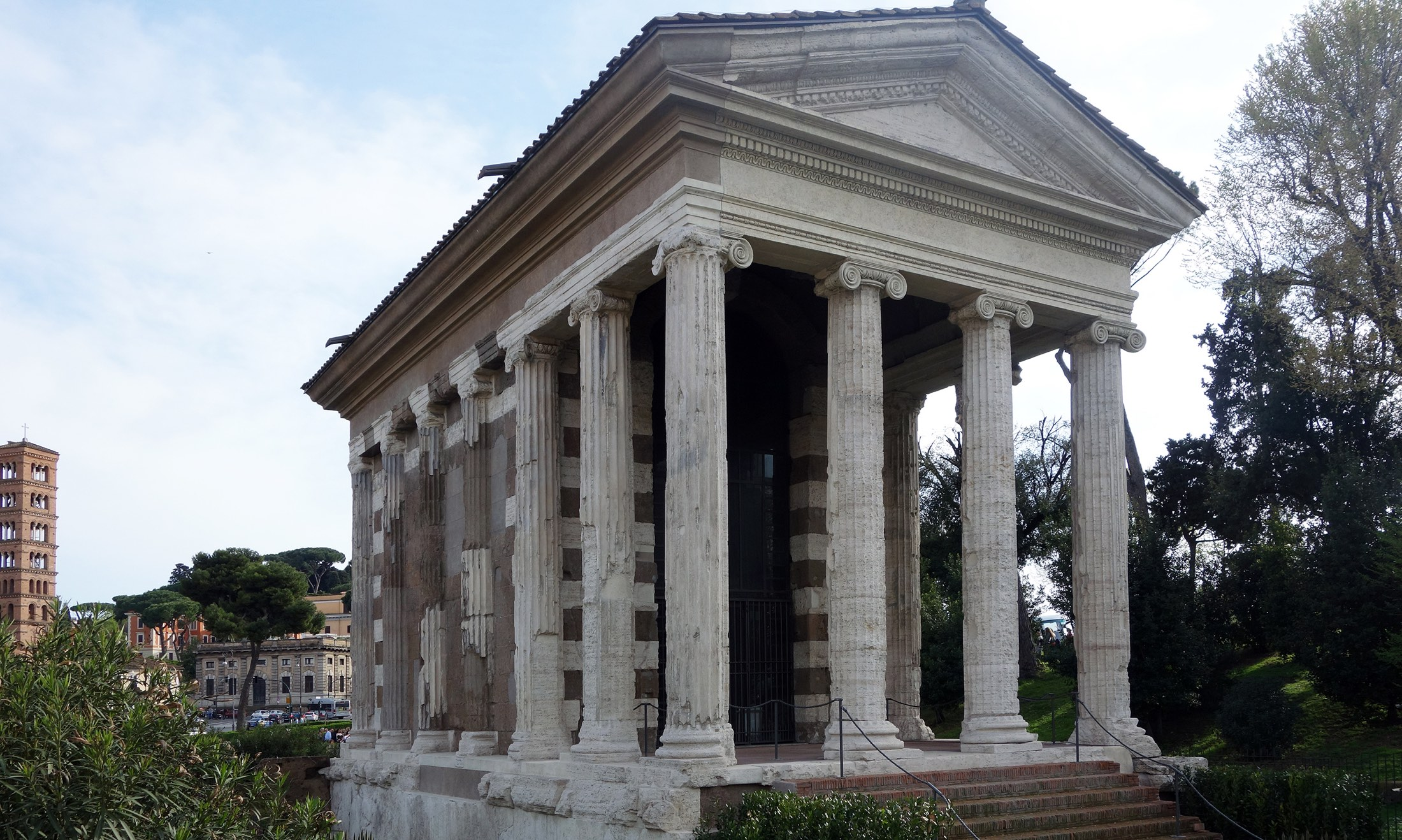
Temple of Portunus
Early empire
Pay homage and leave; no performance, don’t stay for day
Not a day long dedication
Go temple, pray, get their blessings and go
Not elaborate porch on the outside
Short entrance porch into main building
Not an elaborate freeze, no sculptures on the top, nothing in pediment
Engaged columns are the columns that are in the wall; they aren’t supporting anything the wall is

Augustus of Primaporta
Early Empire
Augustan style
Influenced by classical greek style
Copy of a bronze that originally stood in a villa
Painted marble
Was painted but it wore off
Senators found it difficult to control everything
Wanted one man to rule everything (Emperor)
He was people oriented; wanted to keep them happy
Depicted him as a younger, stronger man
Good muscle tone
Didn’t want him to look infallible
Cupid by his neck
Julis family claimed to be descendants of Venus
Amour
Figurative narrative; history of his rome, victory and return to rome
Returns as a roman solider, roman goddess at the top; implies peace he brought over
Bottom there’s a personification of Earth holds a cornucopia
Prosperity and peace he brought to the empire

Altar of Augustan Peace
Consecrated 13 BCE
Dedicated 9 BCE
Commemoration, telling achievement
Originally set outside
Place to come and honor him
It’s built like it’s an altar for sacrifice (might’ve been done in that way but not clear)
Roof open, go up the steps, altar in the middle
Evidence that on insides there were animals
Vegetation on each side; indicative of each season
Outside has two registers
Flowers and animals (evidence to sacrificial altar)
Top register - he would’ve been followed by people who honored him
Relief of battles
About peace and prosperity he brought to rome year round
Made of marble
Agustas period

Imperial Procession
Early Empire
Augustan Style
Marble
Top register
Looks like it’s captured in picture
Talking, moving

Gemma Augustea
Begins julian-claudian dynasty
Small piece of jewelry | Very tiny; broach or pendant
Made of two different types of onyx
Known as jewelers detail
So thin you can see the black through the white
He’s being crowned Jupiter
Eagle below him (official symbol of Roman Empire)
Libya is the personification of Rome
Almost looks like she’s dressed as a Roman goddess
Capricorn; his astrological sign
Tiberias taking over
Bottom register
Roman soldiers with barbarians
Imperial propaganda from augustus period, created very greek like in its figures, hellenistic period (bottom register) | either greeks were doing it or they were training ppl

Gardens at the House of Vettii - Pompeii
Preserved
This is most well known because of how preserved it is
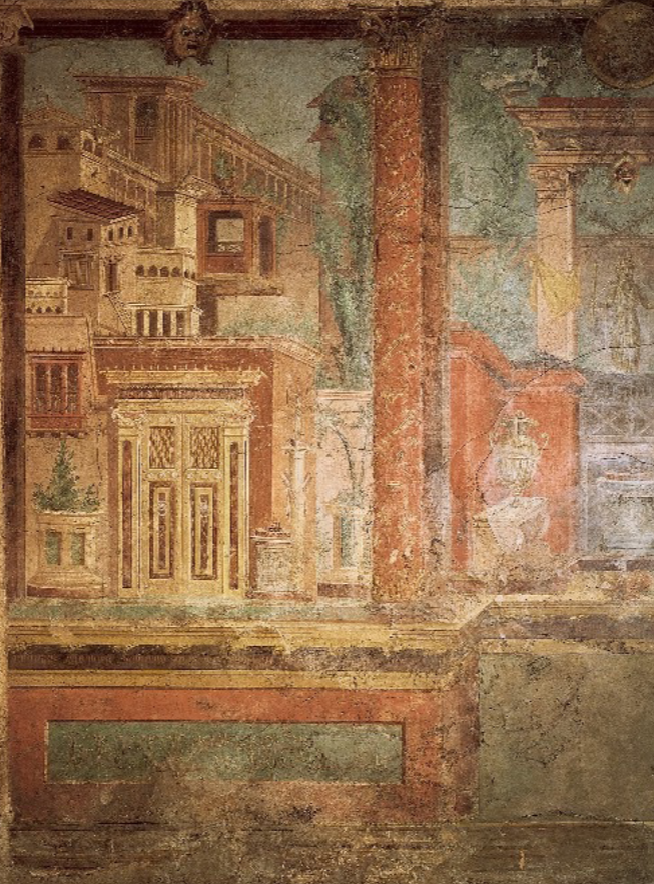
Cityscape
Fresco
Inside of the villa
lots of paintings inside the villa
Trompe loeil means painted away
Wanted their walls to look like space (like the one in vegas)
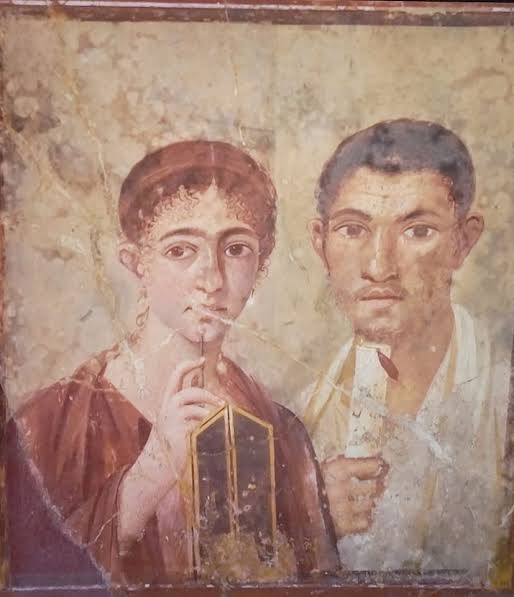
Portrait of a Married Couple
Shows their culture
Greek women couldn’t be educated, roman women could
Greek women would be in government positions if they were important
They were prominent people who were educated
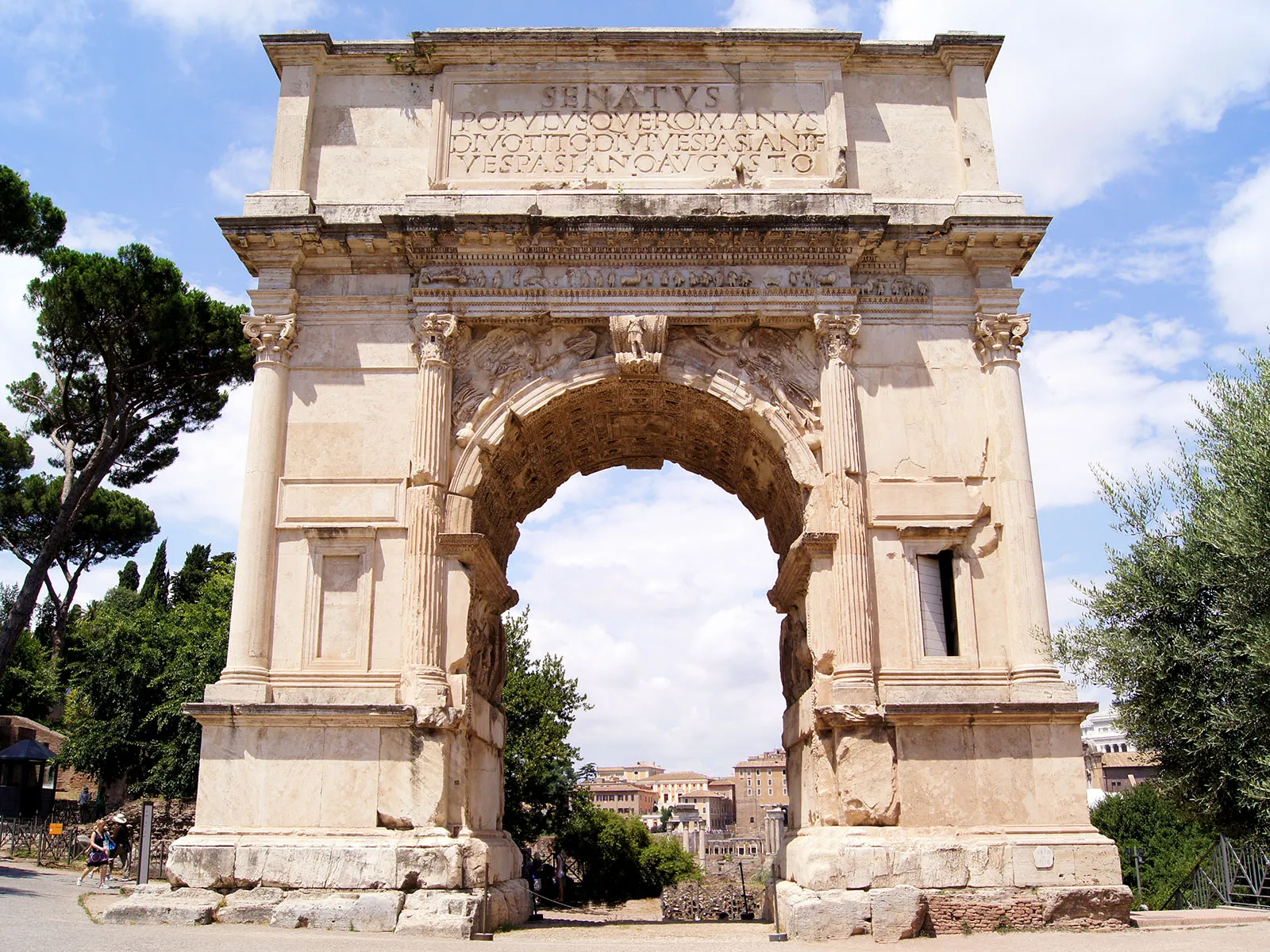
Arch of Titus
81 CE
Build an arch dedicated to Titus
At one point it had a huge bronze sculpture of Titus in a chariot on the top
More elaborate barrel vault
Flavians were all about self promotion

Spoils from the Temple of Juresuleam
At the top, it’s scenes of him coming back and looting the second largest holy temple in Juresuleam
Conquered the area then looted the city and brought it back to Rome

Flavian Amphitheater (Colosseum)
How Colosseum looks now is tragic
All the bronze on the outside is removed
All the marble removed
Biggest area/amphitheater to be built in that time period
Top part was wood and covered in sand; underneath that was prep area for people who were getting ready to perform or people that had to fight
Mainly made for blood sport because that’s what the romans loved
Three stories; each story had a different type of column dedicated to a different part of history
Top part was covered with large pieces of fabric; like sails of a ship -- used to shade people
Vespasian wanted people of Rome to be proud to be Romans and be happy; this was the way he showed it
100 Day games - get in for free and free food
Gladiators fight each other, gladiator fight slaves, release animals etc | thousands of people died in those 100 days
They could have mock sea battles in there; Colosseum large enough to bring boats

Middle Aged Flavian Woman
Flavian Style
Probably painted
Individualized
Made for specific people
Were commissioned

Column of Trajan
high imperial period
Wrapped registers
About 600 feet of imagery
At the top, it was originally a statue of him but now it’s St. Peter
Originally held his ashes but doesn’t anymore
Temporal time
Same figures over time; like a comic book
Low relief
Move away from the elaborate style of details because families and rulers become smaller; focus is conquers and building city things instead of bolstering themselves
Stands at the center of the marketplace
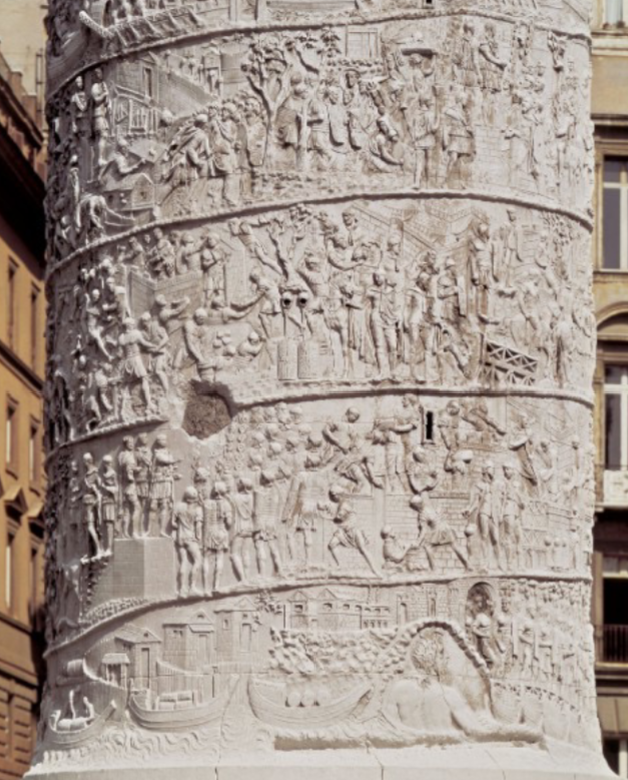
Detail of Trajan Column

Pantheon
Temple dedicated to all the Gods
Wanted it to be a large rotunda but not overpowering
Built a triangular building in front to cover the dome
Dome is so big that they had to make 20 feet thick walls
Only way to support it
When you walk inside the building, can’t hear anything else
That’s what they wanted; wanted it to feel super serene
Originally there were large steps leading up to it, but it’s sinking because it’s so happy → sinking into the concrete
Square shapes made the dome not so heavy called coffers
In the center there’s a 30 foot open hole
7 niches and 2 columns in between
Now it’s a Catholic church so they are saints
All marble; highly decorated marble
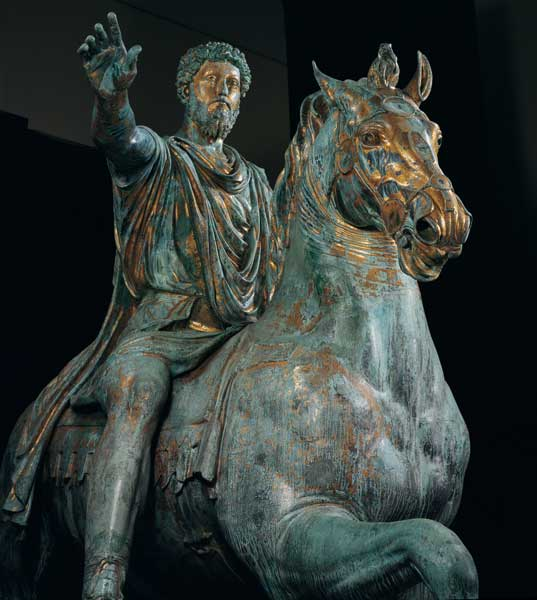
Equestrian Statue of Marcus Aurrelius
Bronze
6 feet tall, on a 6 feet pedestal
151 - 180 CE (common era)
imperial propaganda; show power of ruler
Greek; this is very realistic to how they saw the ruler
Sculptures of him were big impressive because he was a ruler
Intelligent, military power, powerful in a worldly way
Horse dressed in battle, he is dressed in philosophy wear
Shows how smart he is and his war side
Context: important to look realistic; they wanted to show they were best at everything

Portrait of Tetrachs
Late Empire
Made of porphyry
Deep Purple stone from egypt
Diocletian divides roman empire into east and west then north and south
Diocletian controls the east, finds man named augustus maximum to control west
Adopts to heirs called Caesars to control west
They become known as Tetrachs (rule of 4)
Trying to live and keep control of things; art falls to the side
This is a one kind of snapshot - called Tetrachs or late empire style
Very blocky; no movement, drapery, or realism
There wasn’t money to be spent on the artworks so the techniques slowly went away with the people that died
Two with beads are leaders, two without beards are caesars (rule of four!)
They build only a little
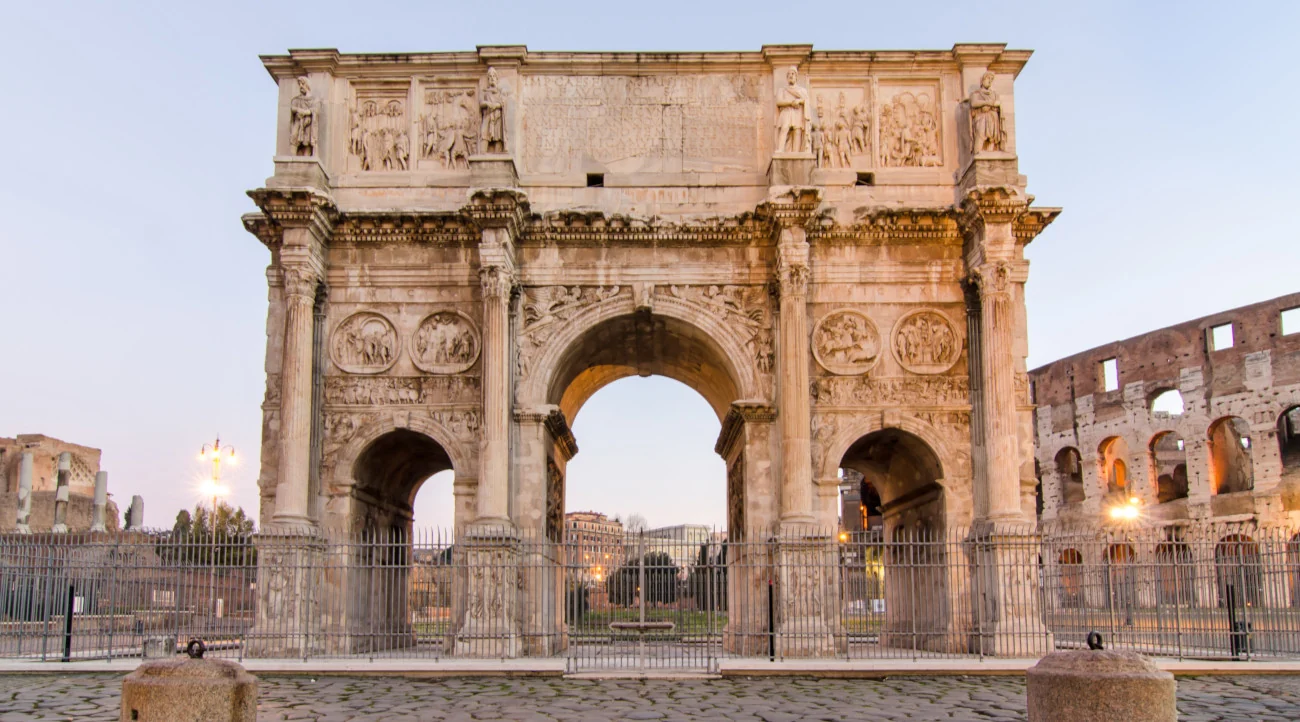
Arch of Constantine
Rome
Bigger than the ones we’ve seen before
Three barrel arches
Commentary and sculptures dedicated to him, marcus, trajan
He realizes the power he comes from
Commissioned by him
Todi paintings/sculptures → seen more in christianity
Very different styles from different areas
Some look very roman (rectangular parts at the very top), some look very blocky (the circular parts)

Hadrian and Constantine Hunting Boar and Sacrificing to Apollo
Constantine Addressing the Roman People in the Roman Forum
some of them look very blocky even if there’s still realistic details
Very different styles from different areas

Constantine the Great
Deems christianity an official religion, this becomes official religion of roman empire; then leads the byzantine empire
Moves rule to Constannipole
Easier to control everything from there