Blood Vessels and CS
 Call Kai
 Learn
 Practice Test
 Spaced Repetition
 Match
 Flashcards
 Knowt Play
1/91

There's no tags or description
Looks like no tags are added yet.
92 Terms
What os the leading cause of mortality and morbidity: 1/3 of deaths
Diseases of the blood vessels and heart
What is impaired perfusion due to
Obstruction, rupture of blood vessels or failure of heart to pump blood
What is the most common cause of cardiovascular disease
Atherosclerosis
What are risk factors for cardiovascular disease
Hypertension, diabetes mellitus, hyperlipidemia, smoking
What do arteries do
Carry blood AWAY from heart
What do arteries carry
Oxygen-rich blood
What do the pulmonary arteries carry
Oxygen-poor blood
What do veins do
Pump blood TOWARD the heart
What doe veins carry
Oxygen-poor blood
What do the pulmonary veins carry
Oxygen-rich blood
What are the blood vessel layers
Intima, media, adventicia (tunica externa)
What are the ABCS of the aortic vessels
Aorta, Brachiocephalic trunk, Carotid artery, Subclavian artery
What does brachiocephalic trunk split into
Right carotid and right subclavian

What is A B C and S
Aorta, brachiocephalic trunk, carotid artery (left), subclavian artery (left)
What is edema
Abnormal accumulation of fluid in interstitial tissues
What is effusion
Abnormal accumulation of fluid in body cavities
What is thrombosis
Occlusion of blood vessels by LOCAL blood clot
What is embolism
Blockage of blood vessel by CIRCULATING blood clot
What can embolism be caused by besides blood clot
Fat, air, amniotic fluid
Where is a venous thrombus and where will it end up
Right side of heart, will end up in lungs causing pulmonary embolism
Where is arterial thrombus and what will it cause and where
Left side of heart, results in arterial thrombosis anywhere in the body
What is infarction
Tissue necrosis due to occlusion of arterial blood supply leading to tissue ischemia
What is shock
Dramatic drop in blood pressure leading to hypo perfusion
Where is peripheral edema
Arms, legs
What is pulmonary edema
Fluid in lungs
Where is pleural effusion
Pleural cavity, fluid around the lungs
What is pericardial effusion
Fluid in the sac around the heart
What is Ascites
Fluid in peritoneal cavity
What less to edema: What is increased hydrostatic pressure
More fluid being pushed out of the blood vessels
What less to edema: What is reduced plasma oncotic pressure
Less protein in blood to retain fluid
What less to edema: What is lymphatic obstruction
Impaired drainage of tissue fluid
What less to edema: What does sodium + water retention cause
Increased fluid volume in the body
What less to edema: What does inflammation do
Leads to increased vascular permeability, fluid leaks into the tissues
What is pitting edema
Depression remains upon pressure
What is lymphedema
Often nonpitting
75% of blood flowing through liver comes from:
Portal vein
What is acute hemorrhage
Rapid blood loss
What is chronic hemorrhage
Slow, ongoing blood loss
What is internal hemorrhage
Bleeding into body cavities or organs
What is caused by within tissue hemorrhage
Hematoma
What kind of hematoma is usually tolerated
Large hematomas in soft tissue
Why is epidural hematoma (bleeding within skull) an emergency
It rapidly increases intracranial pressure
What is petechiae, including size
1-2mm. In skin, mucous surface. Associated with low platelet counts and hypertension

What is purpura, including size
3mm-1cm. Vascular inflammation, vessel fragility, slighty raised
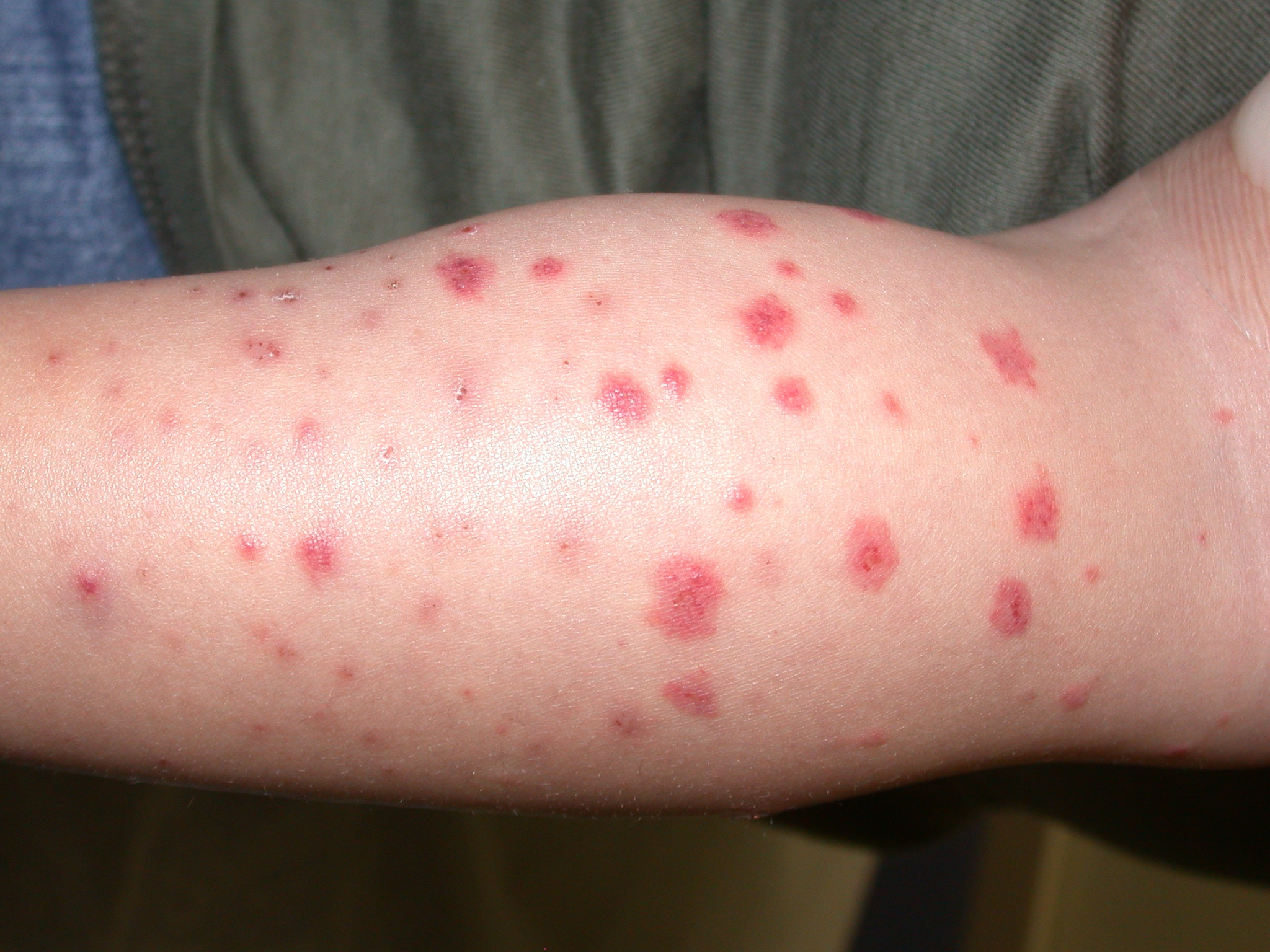
What type of hemorrhage is Henoch-Scholein associated with
Purpura
What is ecchymosis, including size
>1cm. Bleeding in tissues (subcutaneous) post injury or bleeding disorder. Leakage of RBC from small ruptured vessel
What is a hematoma
Pocket of blood in tissues, hurts, can be felt
What is hemostasis
Normal mechanism of how bleeding is terminated
What is the primary step of hemostasis
Platelets bind to damaged or inflamed vessel and form platelet plug (in seconds)
What is the secondary step of hemostasis
Coagulation cascade forms a fibrin clot that cements platelet plug (in minutes)
What is thrombosis
The undesired activation of the coagulation system leading to occlusion
What are the most important coagulation factors
Blood vessels, platelets, coagulation system
What is the sequence of events of the coagulation system
Injury, 2. arteries constrict, 3. injury exposes extracellular matrix and tissue factors activating coagulation, 4. platelets adhere to site of injury and become activated and release granules activating more platelets, 5. fibrin is produced by cascade and stabilizes platelet thrombus
What factors are important in primary hemostasis
vWF, TF, collagen
What does the tissue factor pathway do
Jump starts coagulation, makes thrombin burst, used for PT test (TRIGGERS COAGULATION)
What does the contact activation pathway do
Activated by thrombin, SUSTAINS COAGULATION
What is hemophilia A
Deficiency of factor VIII
What is hemophilia B
Deficiency of factor IX
What is Xarelto, pradaxa, and rivaroxaban Eliquis
Direct-acting oral anticoagulants
What do DOACs target
Factor Xa or Thrombin (Factor II)
What are the three main factors of thrombus formation and what are they known as
Known as Virchow’s Triad:
Stasis of blood flow, platelets are forced against vessel walls and get activated by endothelium
Endothelial injury, exposure of extracellular matrix activates platelets (important in atherosclerosis, inflammation, smoking)
Blood hyper-coagulability, elevated prothrombin
What are symptoms of DVT
Swelling, pain, redness
How is DVT diagnosed
Ultrasound, elevated D dimers (>300 mg/mL)
With what conditions is DVT risk increased
Superficial vein thrombosis, Chronic venous insufficiency (Varicose)
What is varicose veins
Insufficiency of venous valves, CVI
What are signs of pulmonary embolism
Sudden onset shortness of breath, chest pain, blue skin, tachycardia, dizziness
How do you diagnosis Pulmonary embolism
Pulse oximetry, chest x-ray, CT with radio contrast
What is tPA
Tissue plasminogen activator
What are lines of zahn
Alternating bands of pale pink and red in thrombus
What is the pink in lines of zahn
Platlets and fibrin
What is the red in lines of zahn
RBC
Where do lines of zahn usually form
Arteries, only in live patients
What is the most important cause of arterial thrombosis
Atherosclerosis
What is it when there is an embolism of the brain
Ischemic stroke
What is it when there is an embolism of the kidney
Renal infarction
What is it when there is an embolism of the lower extremities or skin
Acute limb ischemia or gangrene
What is it when there is an embolism of the intestine
Bowel infarction
What is infarction
ischemic necrosis caused by loss of blood supply, usually due to arterial blockage
What is Anemic (WHITE) infarct
Arterial occlusion, occurs in solid organs w/ end-arterial circulation (Heart, kidney, spleen)
What is hemorrhagic (RED) infarct
Blood enters tissues from collateral vessels after reperfusion (lungs, intestine, venous)
What does fat embolism usually follow
Fractures of long bones (femur or pelvis)
Where do fat droplets lodge in fat embolism
Pulmonary and systemic microvasculature
What are symptoms of fat embolism
Dyspnea, confusion, petechiae
What are air embolisms caused by
surgery, trauma, catheterization, chest wall injury
Decompression sickness (the bends) is an example of
Air embolism
What is amniotic fluid embolism
Entering of amniotic fluid or fetal tissue into mom’s blood circulation due to rupture of uterine veins or placental tear
What are symptoms of amniotic fluid embolism
Sudden onset Severe dyspnea, cyanosis, seizure, coma
What is epidural hematoma and what vessel is it associated with
Bleeding between skull and dura mater, arteries
What is subdural hematoma and what vessel is it associated with
Bleeding between dura mater and arachnoid mater, veins
What is the presentation of epidural hematoma
Loss of consciousness, then a lucid interval, then rapid neurologic decline
What are symptoms of epidural hematoma
Severe headache, vomiting, ipsilateral fixed dilated pupil (CN III compression)