NRES 351: exam 1 (tropospheric chem)
 Call Kai
 Learn
Learn Practice Test
 Spaced Repetition
 Match
Match Flashcards
 Knowt Play
1/12

There's no tags or description
Looks like no tags are added yet.
Name | Mastery | Learn | Test | Matching | Spaced | Call with Kai | Chat |
|---|
No analytics yet
Send a link to your students to track their progress
13 Terms
classical smog (London smog)
-combustion of high sulphur coal
-Constiuents: soot (fly ash, So2, Nacl, CasSo4)
photochemical smog
-petroleum combustion
-Constituents: NOx, VOCs, ozone, PANs, aldehyde
Particle size & respiratory toxicity
smaller particles are deposited deeper in the respiratory tract
Solubility & respiratory toxicity
more soluble particles are less likely to penetrate deep lung tissues
-SO2 is water soluble, but NO2 and O3 are not
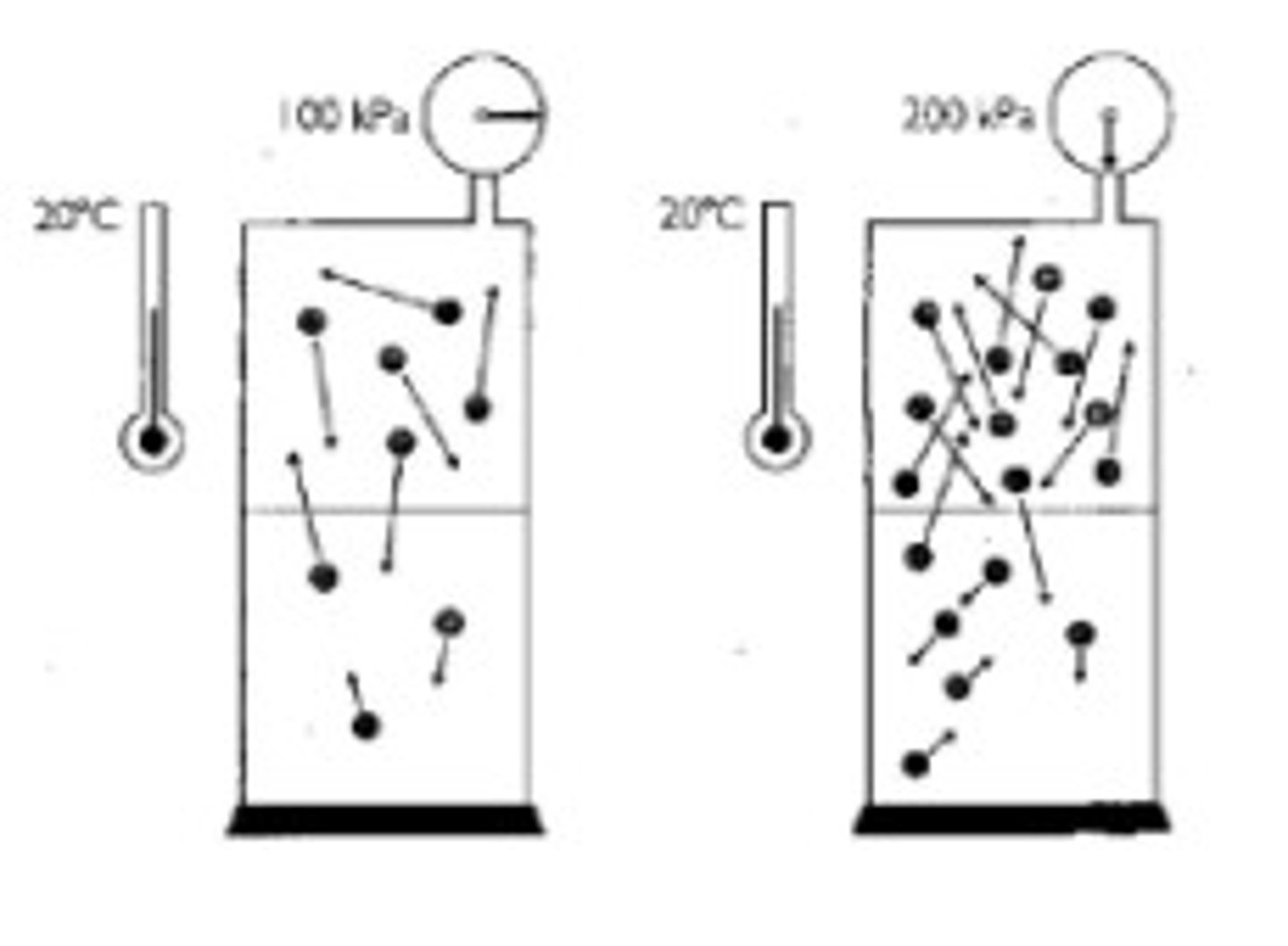
Henry's Law (Kh)
the solubility of a gas in a liquid is directly proportional to the partial pressure of that gas on the surface of the liquid
Classic smog formation
Carbon based components
-Combustion of coal in prescence of low O2 emits CO2, CO, & C
Sulphur based components
-Combustion of S in coal emits SO2
-Water in the atmosphere oxidizes SO2 to SO3
-Reacts with O2 in atmosphere to form sulphuric acid
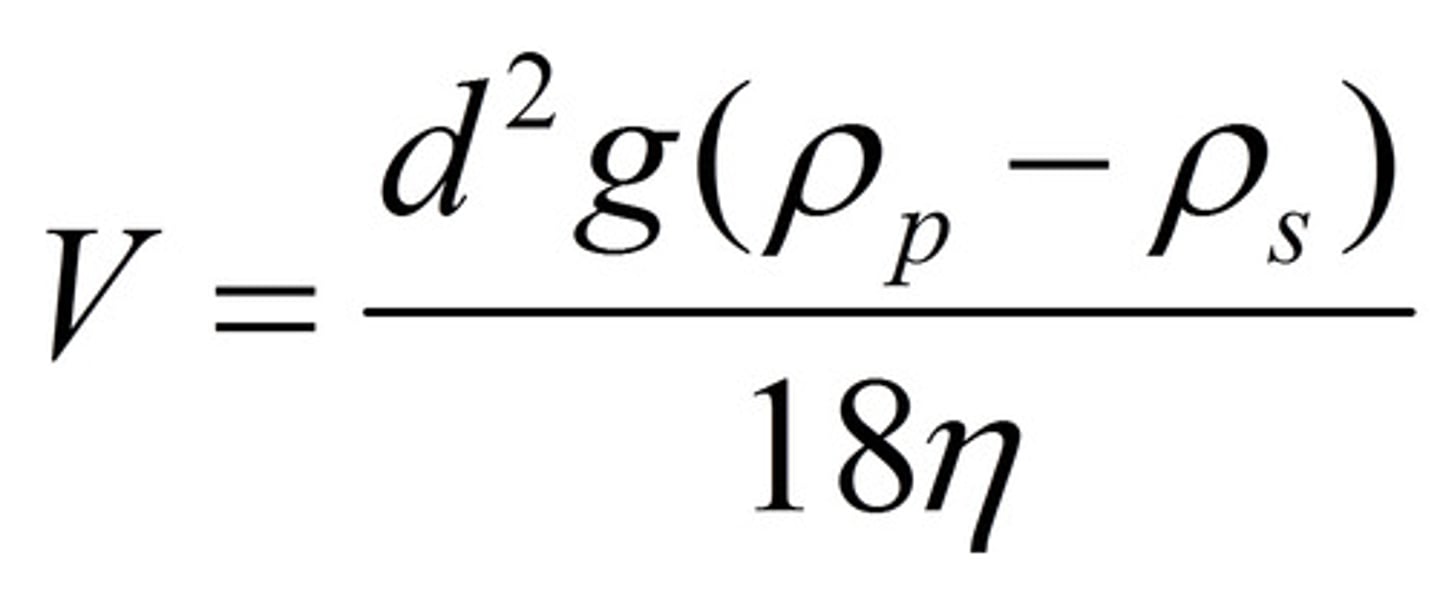
Stokes law
speed at which particles of sediment drops based on radius and density; bigger particles drop faster
Formation of photochemical smog
1. Combustion of N2 to form NO
2. Oxidation of NO to form NO2
3. Photolysis of NO2 to form O3
4. Hydroxyl radical formed from O3
5. OH radical reacts w/ hydrocarbons to form aldehydes, PANS, and haze
Classic vs. photochemical smog
Reductive vs. Oxidative
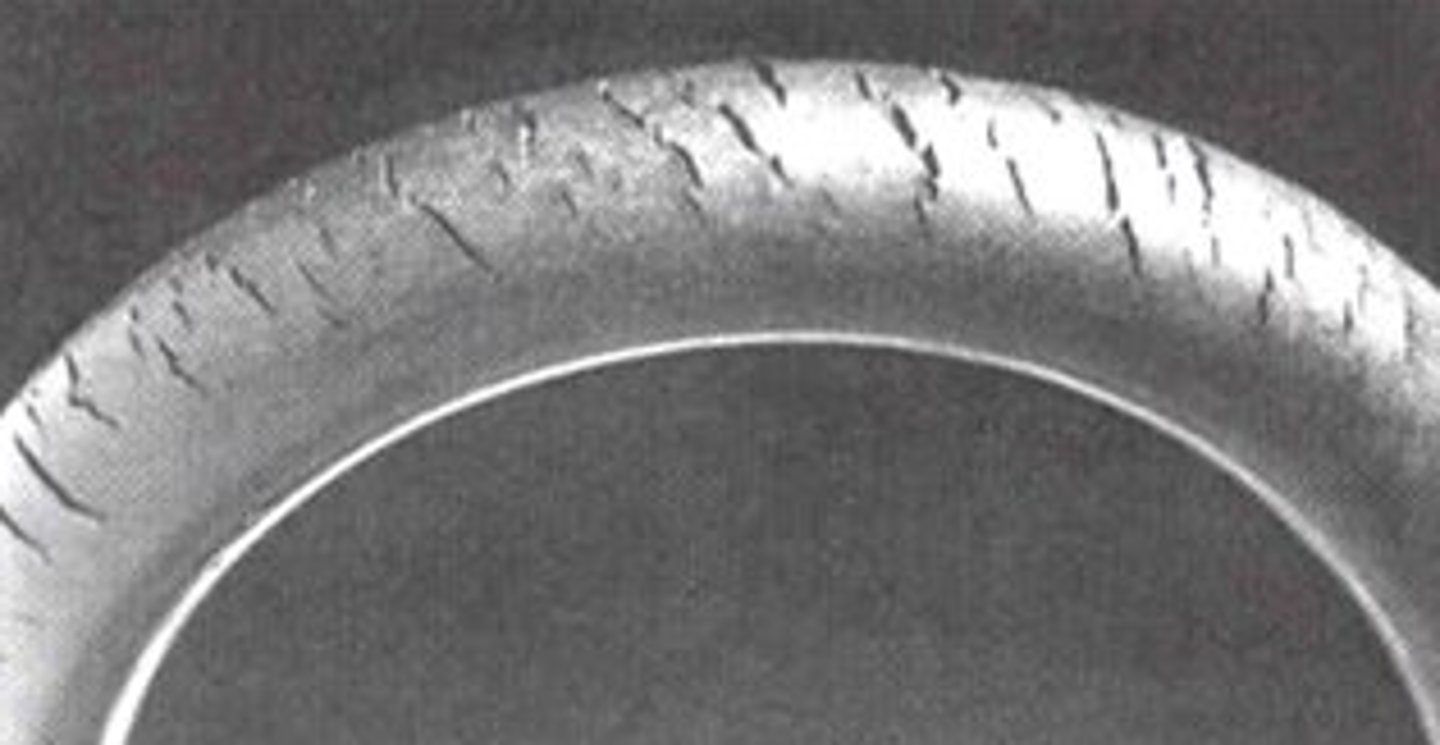
Ozone cracking
traces of ozone in the atmosphere attack double bonds in the chains of the materials
Decomposition of pigment by O3
Color changes of natural colorant/paper systems during exposure to 0.40 ppmv
SO2 impact on plant tissue
Oxidized to sulfate/sulfite
-Disrupts photosynthesis/metabolism
CaSo4 impact on cement
Sulfates can cause chemical changes of the cement constituents (crystallization and recrystallization new minerals), causing damage to porous cementitious materials